Forget the tour groups and tight schedules—this is Morocco your way.
Hop aboard local trains, dive into bustling souks, get lost in blue alleyways, and sip mint tea overlooking ancient medinas. All while traveling like a local. From Casablanca’s coastal charm to the golden sunsets of Marrakech, this self-guided adventure is your ticket to authentic Moroccan magic. Whether you’re chasing culture, colors, or couscous, this itinerary proves you don’t need a guide to have the journey of a lifetime.
Your Moroccan journey begins in Casablanca, a city where timeless elegance meets modern allure. With its sweeping ocean views, graceful Art Deco facades, and a rhythm that’s uniquely its own, Casablanca is more than a destination. It’s a feeling. Wander through sun-drenched boulevards, savor the scent of fresh mint and sea air, and let the city’s effortless charm draw you in. This is your first taste of Morocco, bold, beautiful, and brimming with possibility.
Airport taxis (white cars) are available outside the arrivals area. A ride to the city center takes around 45 minutes and costs approximately 250–300 MAD. Be sure to agree on the fare in advance or request the use of the meter.

Casablanca, Morocco’s largest city, is a vibrant mix of tradition and modern life. Set on the Atlantic coast, it’s known for its striking Art Deco buildings, palm-lined boulevards, and the majestic Hassan II Mosque — one of the world’s largest, with a minaret towering over the sea. If you still have some energy after your travels, take an easy stroll along the Corniche promenade. Enjoy the sea breeze, ocean views, and lively cafés without needing a packed itinerary.

After a stroll through the Habous district, find a seat at Café Impérial, order a glass of mint tea, and enjoy the local vibe – no rush, just good tea and atmosphere.


Spend your first full day immersed in the vibrant rhythm of Casablanca, a city where tradition and modern life flow effortlessly together. Begin your morning at the majestic Hassan II Mosque, perched dramatically above the Atlantic. Its intricate design and peaceful atmosphere offer a powerful introduction to Moroccan artistry and spirituality. From there, follow the ocean breeze to La Corniche, the city’s chic seaside promenade. Whether you’re strolling along the water, enjoying a long lunch with a view, or simply soaking up the coastal vibe, this is Casablanca at its most relaxed and glamorous.
In the afternoon, step into the enchanting lanes of Quartier Habous. This charming neighborhood blends French colonial elegance with Moroccan soul—perfect for discovering local crafts, spices, and sweet treats from traditional bakeries. As evening approaches, travel onward to Rabat, Morocco’s elegant capital, where your next adventure awaits.
If you’d rather skip the hassle of negotiating with regular taxis or worrying about taxi meters, download the Careem app. It lets you book a ride with a fixed, upfront price, so you know exactly what you’ll pay before you even get in the car.
A masterpiece of architecture and devotion, the Hassan II Mosque is Casablanca’s crown jewel and one of the rare mosques in Morocco open to non-Muslim visitors through guided tours. Completed in 1993, it rises majestically above the Atlantic Ocean, with part of its prayer hall extending over the water, symbolizing a spiritual bridge between earth and sea. Every detail speaks of exquisite Moroccan artistry from hand-carved cedar ceilings to marble floors and intricate zellij tilework. Topped by a 210-meter minaret, the tallest in the world, the mosque is as awe-inspiring outside as it is within.
Don’t miss the panoramic ocean views from the vast esplanade and the serene light-filled interior that can hold up to 25000 worshippers. Guided tours are available in several languages and last about 45 minutes. Socks are a must as you’ll need to remove your shoes before entering the prayer hall.

Careem ride
It is the city’s breezy escape a relaxed promenade lined with palm trees, oceanfront cafés, and stunning sea views. Whether you're looking for a leisurely walk or a scenic place to grab lunch, this area delivers a welcome breath of salty air and coastal charm.
Think of it as a calmer, more organized version of the traditional medina – perfect for those who want the charm of local markets without the usual hustle and bustle. Wander its neat alleyways and discover spice stalls brimming with scent and color, bakeries offering delicate Moroccan pastries, and artisan shops where leather, brass, and wood are still handcrafted. It’s a place where old meets new, and tradition quietly lives on in every detail. Don't miss the olive souk with its vibrant displays, the beautifully designed but rarely accessible Mahkama du Pacha, and a sweet treat at Bennis Habous, one of Casablanca’s most beloved pastry shops. Bring cash – most shops are small, local businesses and don't take cards.
Trains to Rabat run frequently, usually every 30 minutes, and the journey takes about 1 hour. Your destination is Rabat Ville station, located in the city center. You can buy tickets at the station or online at the official ONCF website: www.oncf.ma (click “Espace Voyageurs” to book). Choose a 2nd class seat for budget-friendly travel or 1st class for more comfort. If you book online, save your ticket as a PDF or show the QR code on your phone. Arrive 15–20 minutes early to find your platform and avoid last-minute stress.
Rabat may be Morocco’s capital, but it moves with a calm, coastal grace that sets it apart from the country’s more frenetic cities. With its blend of whitewashed architecture, palm-lined boulevards, and UNESCO-listed gems like the Kasbah of the Udayas and Hassan Tower, Rabat offers a refined mix of history and seaside charm.
Careem operates in Rabat as well, so you can easily use the app for taxi rides. It’s a convenient option with upfront pricing, meaning no need to negotiate or worry about taxi meters.
A charming restaurant located on a moored wooden boat in the Bouregreg River. It offers a mix of Moroccan and international dishes with beautiful views of both Rabat and neighboring Salé, perfect for a relaxing meal with a view.


In Rabat, Morocco’s capital of grace, every corner tells a quiet story. The majestic Hassan Tower rises as a symbol of royal ambition, while the nearby Mausoleum of Mohammed V radiates timeless reverence beneath its intricate marble dome. Wander through the peaceful Kasbah of the Udayas, where blue-washed walls and ocean views offer a moment of stillness, and lose yourself in the charm of the Andalusian Gardens tucked within. Later, feel the energy shift in the vibrant Medina, alive with color and craftsmanship, before stepping into the silent beauty of the ancient Chellah, where ruins and wild gardens intertwine. As evening falls, your journey continues north to Tangier, carrying with you the quiet soul of Rabat.
Hassan Tower is the striking, unfinished minaret of what was meant to be the world’s largest mosque in the 12th century. Though construction stopped after Sultan Yacoub al-Mansour’s death, the 44-meter tower and scattered stone columns still echo the grandeur of that ambitious vision, a powerful symbol of Rabat’s imperial past. Just across from it stands the Mausoleum of Mohammed V, the final resting place of Morocco’s beloved king and his sons. With its white marble walls, intricate zellij, carved cedar ceilings, and ceremonial guards in traditional dress, the mausoleum is both a spiritual and architectural gem. It’s free to visit, open to all, and offers a serene, respectful glimpse into Moroccan royal heritage.

Perched above the Atlantic, the Kasbah of the Udayas is Rabat’s most enchanting corner — a peaceful maze of blue-and-white alleys, sunlit doorways, and sleepy cats. Once a fortress, it’s now a serene escape filled with charm and history. Wander through the Andalusian Gardens, fragrant with orange blossoms and shaded by palms, then pause at Café Maure for mint tea and almond pastries with a river view. Even without visiting the small (and often closed) museum, the kasbah’s calm beauty and sweeping ocean vistas make it unforgettable.

Rabat’s medina offers a more relaxed, local feel than the bustling alleys of Fes or Marrakech. It’s easy to navigate, clean, and full of everyday life from stalls selling slippers and spices to handwoven baskets and silver jewelry. Start at Bab el-Had, the historic gateway, and stroll down Rue Souika, the main street where locals shop, chat, and snack. You’ll pass cozy cafés, traditional bakeries, and vendors serving up grilled sardines or steaming bowls of harira. It’s a slice of authentic city life without the crowds.

Just outside the city center, Chellah is one of Rabat’s most atmospheric places, a peaceful blend of Roman ruins and medieval Islamic tombs slowly overtaken by nature. Once a Roman settlement known as Sala Colonia, it was transformed into a Merinid necropolis in the 14th century. Inside the ancient walls, you’ll find crumbling structures, stork nests perched on minarets, and quiet gardens filled with birdsong. It’s not about perfectly preserved monuments but about the mood — calm, overgrown, and hauntingly beautiful. Entry costs around 70 MAD and it’s open daily until early evening.

To travel from Rabat to Tangier, depart from either Rabat Agdal or Rabat Ville station and head to Tangier Ville, the city’s main arrival point. The high-speed train is comfortable and efficient, and an ideal departure time is between 5:00 PM and 7:00 PM for a smooth evening arrival. Tickets can be bought in advance at www.oncf.ma or directly at the station, and choosing a first-class seat is recommended for extra comfort.
Set where the Atlantic meets the Mediterranean, Tangier is Morocco’s breezy northern port with a bold, coastal energy. Just 14 kilometers from Spain, the city blends cultures effortlessly and offers a mix of whitewashed streets, sea views, and a relaxed Mediterranean feel. From the old medina to the bustling cafés and hilltop lookouts, Tangier is the perfect blend of charm, edge, and escape.

Careem is also available in Tangier.
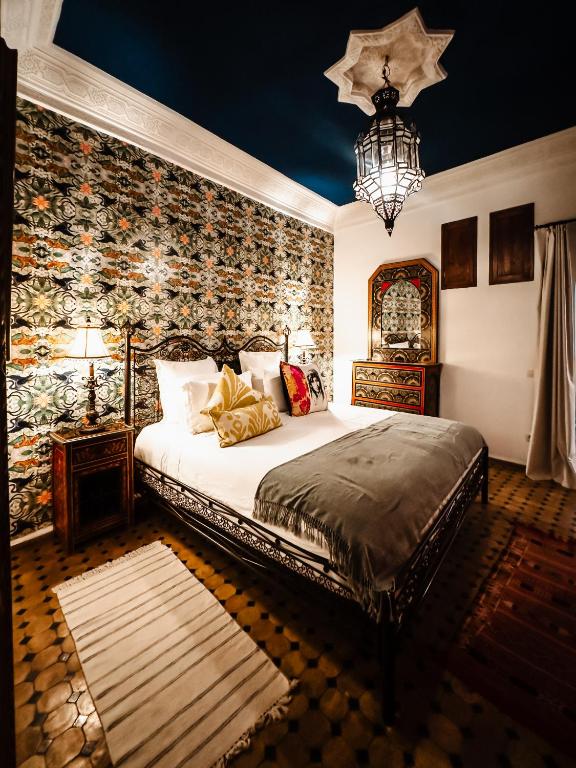
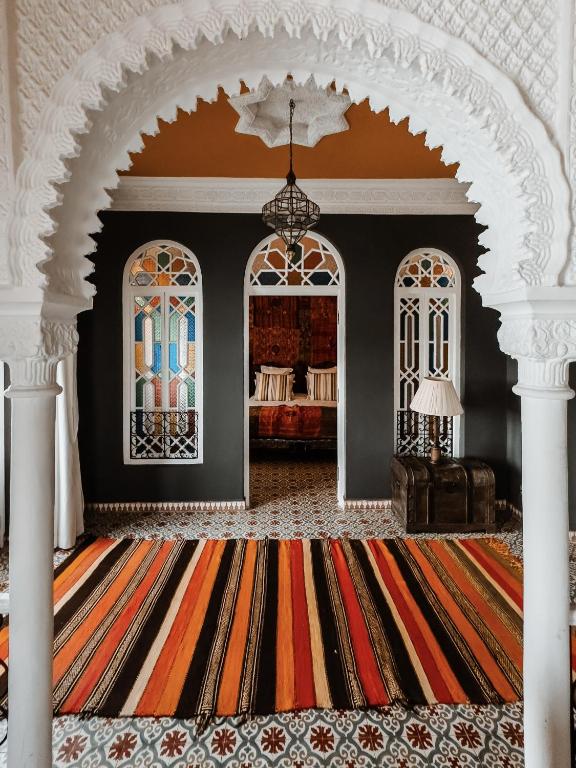
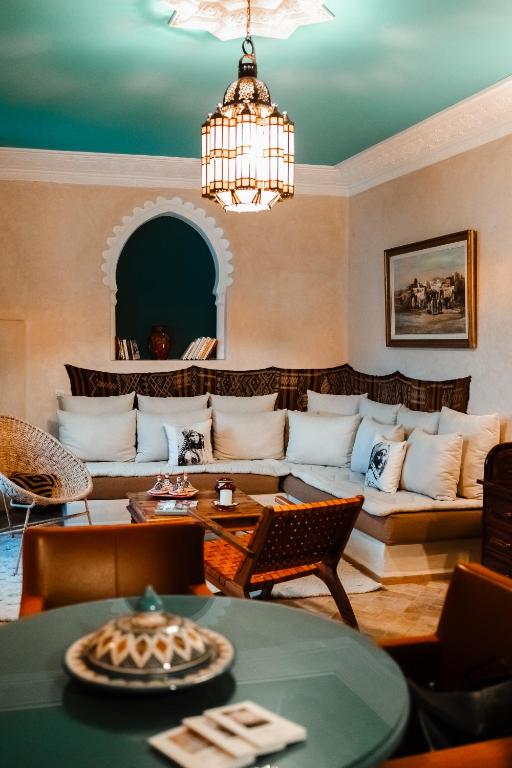
Get swept up in the energy of Tangier as you dive into its vibrant Medina, where every turn reveals bursts of color, buzzing souks, and the rhythm of daily life in this legendary port city. It’s a place where history, culture, and curiosity collide. Climb to the Kasbah Museum, set within a former sultan’s palace, and explore fascinating exhibits that trace the city’s rich past — all framed by sweeping views of the Strait of Gibraltar. In the late afternoon, head to the dramatic Hercules Cave, a place steeped in myth and carved by the sea. As the sun sets over the Atlantic, the view is nothing short of spectacular, the perfect finale to a day of discovery.
At the top of Tangier’s old medina, the Kasbah offers a peaceful escape and a glimpse into the city’s royal past. Once home to the Sultan, it now houses the Dar el Makhzen Palace, beautifully restored and transformed into the Kasbah Museum. Inside, you’ll find Moroccan art, Roman mosaics from Volubilis, ancient maps, traditional weapons, and crafts from across the country. The palace itself is a highlight, with serene Andalusian courtyards, colorful zellij, and a rooftop terrace with sweeping views over the Strait of Gibraltar. The museum is usually open daily except Tuesdays, with a small entry fee. To get there, walk uphill through the medina via the Bab el-Assa gate and reward yourself with mint tea at a nearby café.
Tangier’s medina is a relaxed maze of whitewashed lanes and hidden corners, offering a calmer, more open experience than the dense souks of Fes or Marrakech. Once home to a mix of Arab, Berber, Jewish, and European communities, it still carries that layered charm. As you wander, you’ll find shops filled with handwoven textiles, leather bags, spices, and vintage treasures. Some streets open onto quiet courtyards or sea views, others echo with street music or the scent of fresh mint tea. While bargaining is part of the experience, a few fixed-price shops make browsing easy. It’s no surprise that this medina inspired artists and writers like Paul Bowles and William Burroughs who made Tangier their creative refuge.

Hidden in the heart of the medina, the American Legation Museum is a quiet, beautifully curated space that blends Moroccan charm with a touch of American history. Inside, you’ll find art, vintage maps, and exhibits on Tangier’s international past, including a room dedicated to writer Paul Bowles. It’s a peaceful stop for culture lovers and a great escape from the city’s hustle just outside its doors.
Set on a windswept cliff where the Atlantic crashes into the shore, the Hercules Caves are one of Tangier’s most iconic spots. The natural sea-carved chamber opens dramatically toward the ocean, creating a striking silhouette—especially at sunset, when golden light floods through the cave’s famous window. It’s a favorite photo stop and a magical place to watch the day fade into the sea.
This morning, travel by train to Fez, Morocco’s cultural and spiritual heart a city where the past is alive in every detail. Step into the ancient Medina, one of the oldest and most atmospheric in the world. Lose yourself in its winding alleys, where artisans still work by hand, vibrant souks overflow with color, and the scent of spices and leather fills the air. From the iconic tanneries to beautifully preserved madrasas a city unlike any other, Fez offers an unforgettable glimpse into Morocco’s soul.
Trains from Tangier to Fes depart approximately every one to two hours throughout the day, with the last trains leaving around 7 or 8 PM. The journey takes about three and a half to four hours, depending on the connection. Tickets cost between 150 and 300 MAD depending on the class. First class is recommended for more comfort. You can book tickets in advance online at the ONCF website or buy them directly at the station.
Fes is Morocco’s cultural and spiritual heart, known for its ancient medina, artisan traditions, and timeless atmosphere. Its old city, Fes el-Bali, is a UNESCO World Heritage Site and one of the world’s largest car-free urban zones—a maze of narrow alleys, souks, and hidden courtyards. Highlights include the colorful Chouara Tannery, the world’s oldest university (Al Quaraouiyine), and stunning examples of Islamic architecture. With its blend of history, craftsmanship, and local life, Fes offers a deep and authentic Moroccan experience.
As you walk through its narrow, winding alleyways, you’ll feel as though you’ve stepped into a medieval city. The medina is full of hidden gems, such as centuries-old madrasas (Islamic schools), historic madrassas, and ancient palaces. The sound of donkey carts clattering over cobblestones and the fragrance of spices, leather, and freshly baked bread fill the air. Visitors can shop for traditional Moroccan goods like intricate carpets, ceramics, and leather goods, while artisans still practice ancient crafts like metalworking and tanning. Make sure to stop by the tanneries where leather has been dyed using the same methods for over a thousand years.
Fes is home to the oldest continuously operating university in the world, Al Quaraouiyine. Founded in 859 AD, this prestigious institution has been a center for Islamic studies and scientific knowledge for centuries. The university’s mosque is also one of the most beautiful in Morocco, featuring exquisite Islamic architecture and intricate tilework. While the university itself is not open to the public, visitors can admire the exterior of the mosque and appreciate its historical significance. Nearby, you’ll find the Bou Inania Madrasa, an impressive religious school known for its beautifully crafted stucco and wood carvings.
After exploring the bustling souks, head to the peaceful Bou Jeloud Gardens, located near the entrance to the medina. These lush gardens are the perfect place to relax and enjoy the shade of ancient trees. Close by, the Bou Jeloud Madrasa, an Islamic school built in the 14th century, is a wonderful example of Moroccan architecture, with its ornate tilework, carved wood, and peaceful courtyards. It's a serene spot where you can take a break from the hustle of the medina.

Tucked inside a gracious old riad in the heart of Fès el-Bali, Dar Roumana offers a refined dining experience that blends classic Moroccan flavors with French finesse. Set in a beautifully restored courtyard, the restaurant features dishes like grilled octopus, lamb tenderloin stuffed with apricots and nuts, and vibrant seasonal salads.


After breakfast, begin your overland journey south toward Marrakech. Settle in aboard the train and watch Morocco’s landscape unfold — from green valleys to golden hills — as the scenery shifts with every passing hour. After arriving in Marrakech, stretch your legs and breathe in the warm, red-ochre air of this legendary city. If energy allows, ease into the rhythm of the medina with a stroll through Jemaa el-Fnaa, where storytellers, musicians, and sizzling street food welcome you to a place like no other. As dusk settles, enjoy dinner on a rooftop terrace overlooking the lively square or tucked away in a quiet courtyard.
From Fes to Marrakech, trains depart every two hours throughout the day, with the first departures around 05:00 AM and the last in the early evening. The journey takes approximately 6 ½ to 7 hours, depending on the specific connection. Ticket prices range from 220 to 420 MAD, with second class being more affordable and first class offering greater comfort. Trains run direct no transfers required. You can purchase tickets in advance online or buy them directly at Fes station.
Marrakech, often called the "Red City" for the color of its ancient walls and buildings, is one of Morocco’s most vibrant and fascinating destinations. Founded in the 11th century, it was once a powerful imperial capital and remains a cultural hub to this day. The city is a captivating blend of history, art, architecture, gardens, and everyday life, where centuries-old traditions meet a modern, cosmopolitan spirit. Visitors are often drawn to its labyrinthine medina, with its bustling souks (markets), spice stalls, artisan workshops, and riads tucked behind unassuming doors. Just outside the medina, you’ll find grand palaces, tranquil gardens, and elegant colonial neighborhoods like Gueliz. Whether you're a history enthusiast, a foodie, a photographer, or a casual wanderer, Marrakech offers something for everyone — from the hum of traditional life to luxurious relaxation.
Jemaa el-Fnaa is the beating heart of Marrakech — a swirling mix of sound, scent, and spectacle. By day, the square buzzes with juice stalls, henna artists, and street performers. By night, it transforms into an open-air theater filled with food vendors, musicians, storytellers, and smoky grills. It’s chaotic, colorful, and unforgettable. Grab a seat at a rooftop café to take it all in, or dive into the crowd for the full sensory ride. It can be intense, but that’s part of its magic — no place captures the spirit of Marrakech quite like this.


Wake to the rhythm of Marrakech, where ancient walls and vibrant streets set the stage for a day rich in discovery. After breakfast, dive into the city’s imperial past with visits to some of its most iconic landmarks. Wander through the graceful Bahia Palace, a haven of mosaic courtyards, carved cedar ceilings, and timeless elegance. Nearby, the vast ruins of El Badi Palace echo with stories of lost grandeur — climb the ramparts for sweeping views, often shared with storks perched above the city. A short stroll away, step into the serene Saadian Tombs, where intricate tilework and palm-lined paths honor a royal dynasty once forgotten and now beautifully restored. After a leisurely lunch at a rooftop café or riad restaurant, retreat into the lush world of Jardin Majorelle a striking blend of color, calm, and exotic greenery. If inspired, visit the neighboring Yves Saint Laurent Museum, a tribute to the designer’s deep love for Morocco. As afternoon softens into evening, either explore the chic energy of Gueliz or return to the souks, where artisans, scents, and textures invite you deeper into the medina’s maze. close the day with nice dinner at the rooftop.
Built in the late 19th century, the Bahia Palace is one of Marrakech’s most beautiful examples of Islamic and Moroccan architecture. Its name means "The Brilliant," and it truly lives up to that title. The palace was designed to be the grandest of its time, intended for a powerful vizier and his family. Inside, you'll find a series of serene courtyards, lush gardens, fountains, and intricately decorated rooms filled with carved cedarwood, zellige tilework, and painted ceilings. Though not all areas are open to the public, it's a peaceful escape from the city's noise and a place to admire traditional craftsmanship. It's best visited in the morning to avoid crowds.
Once a lavish palace built by Sultan Ahmed el-Mansour in the 16th century, El Badi Palace was intended to showcase the wealth and power of the Saadian dynasty. Its name means "The Incomparable," and during its prime, it was filled with Italian marble, Sudanese gold, and elaborate gardens. Today, the palace lies mostly in ruins, but the vast open courtyards, crumbling walls, underground chambers, and giant reflecting pools still impress. From the top of the ramparts, you can enjoy a panoramic view of the medina and often spot storks nesting above. The palace offers a sense of faded grandeur and is a must-see for history lovers.
Hidden for centuries and rediscovered only in 1917, the Saadian Tombs are one of Marrakech’s most enchanting historical sites. This royal burial ground dates back to the late 1500s and contains the tombs of Sultan Ahmed el-Mansour and members of his family. The highlight is the Hall of Twelve Columns, where the sultan lies surrounded by white marble and intricate stucco work. The surrounding gardens and smaller tombs are also worth exploring. The site is small but incredibly atmospheric, and early morning visits help avoid queues.

A peaceful oasis in the heart of the city, Jardin Majorelle is one of Marrakech’s most visited attractions. Created in the 1920s by French artist Jacques Majorelle and later restored by fashion designer Yves Saint Laurent, the garden is famous for its intense cobalt blue walls, tranquil walkways, and exotic plant collection. The garden blends Art Deco style with Islamic design, featuring bamboo groves, water lilies, cacti, and fountains. It’s a wonderful place to escape the heat and chaos of the medina. Adjacent to the garden, the Yves Saint Laurent Museum offers a look into the designer’s life and his deep connection to Morocco. To visit, you must reserve tickets in advance, as they are only available online at the official website: tickets.jardinmajorelle.com. Entry begins at 8 a.m. and ends at 6 p.m., with the last admission also at 6 p.m. Combined tickets include access to both the garden and the Berber Arts Museum.
Careem ride.
Tucked away in the medina, this stylish restaurant offers a fresh, creative take on traditional Moroccan cuisine. The atmosphere is warm and intimate, with friendly service and a rooftop terrace that’s perfect on summer evenings. Signature dishes like the tender, slow-cooked lamb meshoui showcase rich local flavors, while the playful DIY Moroccan doughnuts—served with three syringes of syrup—add a fun, memorable touch to the meal. It's an ideal spot for a relaxed yet refined dinner in the heart of Marrakech.
Leave the city behind and journey into the cinematic landscapes of southern Morocco where mountain peaks, desert roads, and ancient ksars tell stories older than time. After an early pickup in Marrakech, settle into a comfortable vehicle and begin the scenic drive through the High Atlas Mountains, crossing the legendary Tizi n'Tichka Pass the highest paved pass in North Africa. As the altitude rises, the views stretch endlessly: dramatic peaks, winding roads, and tiny Berber villages clinging to the hillsides. Your first stop offers a taste of local life before continuing to Ouarzazate, the “Gateway to the Sahara.” Explore the famous Atlas Film Studios, where epics like Gladiator and Game of Thrones were brought to life amid surreal desert backdrops. After lunch with panoramic views, continue to the jewel of the day: Aït Benhaddou, a breathtaking UNESCO World Heritage site. This ancient fortified village, built from sun-dried earth and stone, stands like a mirage at the edge of the desert. Wander its timeless alleys and climb to the top for sweeping views of the surrounding valley. As the sun begins to dip behind the red hills, your return journey to Marrakech begins — tired but filled with the memory of Morocco at its most majestic.
For your next day in Marrakech, we recommend booking a guided day trip to Ouarzazate and Aït Benhaddou through the platform GetYourGuide. With a simple seat reservation, you’ll be picked up in the morning and looked after all day by a professional guide, making it an easy and enriching experience. You can book directly at tickets.jardinmajorelle.com.
Located just outside the city of Ouarzazate, Atlas Film Studios is the largest film studio in the world by land area and a must-visit destination for film lovers and curious travelers alike. Established in 1983, the studios have hosted the production of countless international films and TV shows, making Ouarzazate known as “the Hollywood of Morocco.” The studio’s desert location and varied landscapes have made it a stand-in for ancient Egypt, biblical Jerusalem, Tibet, Somalia, and countless fictional worlds. Productions filmed here include Gladiator, The Mummy, Kingdom of Heaven, Game of Thrones, Babel, and Prince of Persia. When you visit, you’ll walk through massive outdoor sets that remain in place: ancient temples, Egyptian statues, coliseums, and desert villages used in real films. Some sets are weathered and surreal, adding to the magic. There’s also a small film museum with props, costumes, and behind-the-scenes photos. A guided tour is recommended (and usually included with your entry ticket), as it helps bring the history of each set to life with stories from filming and celebrity visits.
Known as the "Door of the Desert," Ouarzazate is a charming city in southern Morocco, situated at the crossroads of the Atlas Mountains and the vast Sahara. Its unique blend of natural beauty, cultural heritage, and cinematic allure makes it a must-visit destination.
Nestled on the edge of the Atlas Mountains, Aït Ben Haddou is a UNESCO World Heritage Site and one of Morocco's most iconic landmarks. This ancient ksar (fortified village) features a collection of striking mudbrick buildings surrounded by defensive walls, showcasing traditional Berber architecture.
Aït Ben Haddou has been a vital stop on the historic caravan routes, where traders would rest and exchange goods between the Sahara and Marrakech. Its picturesque beauty has also made it a favorite filming location for movies and series like Gladiator, Game of Thrones, and The Mummy.

The last day in Marrakesh is a day of farewells to this unique city. If time allows before your departure, take a stroll through the narrow streets of the medina, buy some last-minute souvenirs, and enjoy an authentic Moroccan mint tea. Then head to the airport and fly back home, filled with unforgettable experiences.
From Marrakech to Essaouira, comfortable buses run several times a day, with departures starting around 8:00 AM and continuing into the afternoon. The journey takes approximately 2.5 to 3 hours. Tickets cost between 80 and 120 MAD, depending on the company and time. There are no trains on this route, so buses are the best option. You can book your seat in advance online through the official websites of Supratours (supratours.ma) or CTM (booking.ctm.ma), both of which offer reliable service and air-conditioned coaches.
You can call a taxi and head to the airport for your departure. Although the airport is small, it’s still recommended to arrive at least two/three hours before your flight, especially during busy travel periods. For a reliable ride, it's best to book a petit taxi or a trusted private transfer. Your accommodation’s reception will be happy to provide a trusted taxi number or make the reservation for you. Just ask them in advance to ensure a smooth and stress-free departure.
From the moment you arrived in Casablanca, Morocco opened its doors with a blend of heritage, color, and coastal charm. You wandered elegant boulevards, stood in awe before the Atlantic-facing Hassan II Mosque, and tasted the pulse of the modern Moroccan metropolis. In Rabat, the quiet grace of the capital welcomed you — from the regal silhouette of Hassan Tower to the tranquil Kasbah of the Udayas, where history meets ocean breeze. The journey continued north to Tangier, a city shaped by centuries of cultural crossings. Through the medina’s winding streets and the mythic echoes of Hercules Cave, you discovered a Morocco touched by the Mediterranean light. In Fez, tradition came alive in every detail — in its ancient medina, artisan workshops, and sacred architecture. It was a step back in time, into the soul of Moroccan craftsmanship and spiritual depth.
The route southward led through the landscapes of memory: fertile plains and desert edges, on your way to Marrakech, where history and energy pulse together. Here, palaces, gardens, souks, and rooftop sunsets created unforgettable contrasts at every turn. You ventured into the cinematic beauty of Ouarzazate and Aït Benhaddou, crossing the High Atlas Mountains to discover landscapes etched by time and legend.
Finally, in Essaouira, the journey softened. Ocean air, relaxed medina life, and gentle walks along the beach offered a peaceful close to your adventure — a final pause before heading home.
Forget the tour groups and tight schedules—this is Morocco your way.
Hop aboard local trains, dive into bustling souks, get lost in blue alleyways, and sip mint tea overlooking ancient medinas. All while traveling like a local. From Casablanca’s coastal charm to the golden sunsets of Marrakech, this self-guided adventure is your ticket to authentic Moroccan magic. Whether you’re chasing culture, colors, or couscous, this itinerary proves you don’t need a guide to have the journey of a lifetime.
Your Moroccan journey begins in Casablanca, a city where timeless elegance meets modern allure. With its sweeping ocean views, graceful Art Deco facades, and a rhythm that’s uniquely its own, Casablanca is more than a destination. It’s a feeling. Wander through sun-drenched boulevards, savor the scent of fresh mint and sea air, and let the city’s effortless charm draw you in. This is your first taste of Morocco, bold, beautiful, and brimming with possibility.
Airport taxis (white cars) are available outside the arrivals area. A ride to the city center takes around 45 minutes and costs approximately 250–300 MAD. Be sure to agree on the fare in advance or request the use of the meter.
Casablanca, Morocco’s largest city, is a vibrant mix of tradition and modern life. Set on the Atlantic coast, it’s known for its striking Art Deco buildings, palm-lined boulevards, and the majestic Hassan II Mosque — one of the world’s largest, with a minaret towering over the sea. If you still have some energy after your travels, take an easy stroll along the Corniche promenade. Enjoy the sea breeze, ocean views, and lively cafés without needing a packed itinerary.
After a stroll through the Habous district, find a seat at Café Impérial, order a glass of mint tea, and enjoy the local vibe – no rush, just good tea and atmosphere.
Spend your first full day immersed in the vibrant rhythm of Casablanca, a city where tradition and modern life flow effortlessly together. Begin your morning at the majestic Hassan II Mosque, perched dramatically above the Atlantic. Its intricate design and peaceful atmosphere offer a powerful introduction to Moroccan artistry and spirituality. From there, follow the ocean breeze to La Corniche, the city’s chic seaside promenade. Whether you’re strolling along the water, enjoying a long lunch with a view, or simply soaking up the coastal vibe, this is Casablanca at its most relaxed and glamorous.
In the afternoon, step into the enchanting lanes of Quartier Habous. This charming neighborhood blends French colonial elegance with Moroccan soul—perfect for discovering local crafts, spices, and sweet treats from traditional bakeries. As evening approaches, travel onward to Rabat, Morocco’s elegant capital, where your next adventure awaits.
If you’d rather skip the hassle of negotiating with regular taxis or worrying about taxi meters, download the Careem app. It lets you book a ride with a fixed, upfront price, so you know exactly what you’ll pay before you even get in the car.
A masterpiece of architecture and devotion, the Hassan II Mosque is Casablanca’s crown jewel and one of the rare mosques in Morocco open to non-Muslim visitors through guided tours. Completed in 1993, it rises majestically above the Atlantic Ocean, with part of its prayer hall extending over the water, symbolizing a spiritual bridge between earth and sea. Every detail speaks of exquisite Moroccan artistry from hand-carved cedar ceilings to marble floors and intricate zellij tilework. Topped by a 210-meter minaret, the tallest in the world, the mosque is as awe-inspiring outside as it is within.
Don’t miss the panoramic ocean views from the vast esplanade and the serene light-filled interior that can hold up to 25000 worshippers. Guided tours are available in several languages and last about 45 minutes. Socks are a must as you’ll need to remove your shoes before entering the prayer hall.
Careem ride
It is the city’s breezy escape a relaxed promenade lined with palm trees, oceanfront cafés, and stunning sea views. Whether you're looking for a leisurely walk or a scenic place to grab lunch, this area delivers a welcome breath of salty air and coastal charm.
Think of it as a calmer, more organized version of the traditional medina – perfect for those who want the charm of local markets without the usual hustle and bustle. Wander its neat alleyways and discover spice stalls brimming with scent and color, bakeries offering delicate Moroccan pastries, and artisan shops where leather, brass, and wood are still handcrafted. It’s a place where old meets new, and tradition quietly lives on in every detail. Don't miss the olive souk with its vibrant displays, the beautifully designed but rarely accessible Mahkama du Pacha, and a sweet treat at Bennis Habous, one of Casablanca’s most beloved pastry shops. Bring cash – most shops are small, local businesses and don't take cards.
Trains to Rabat run frequently, usually every 30 minutes, and the journey takes about 1 hour. Your destination is Rabat Ville station, located in the city center. You can buy tickets at the station or online at the official ONCF website: www.oncf.ma (click “Espace Voyageurs” to book). Choose a 2nd class seat for budget-friendly travel or 1st class for more comfort. If you book online, save your ticket as a PDF or show the QR code on your phone. Arrive 15–20 minutes early to find your platform and avoid last-minute stress.
Rabat may be Morocco’s capital, but it moves with a calm, coastal grace that sets it apart from the country’s more frenetic cities. With its blend of whitewashed architecture, palm-lined boulevards, and UNESCO-listed gems like the Kasbah of the Udayas and Hassan Tower, Rabat offers a refined mix of history and seaside charm.
Careem operates in Rabat as well, so you can easily use the app for taxi rides. It’s a convenient option with upfront pricing, meaning no need to negotiate or worry about taxi meters.
A charming restaurant located on a moored wooden boat in the Bouregreg River. It offers a mix of Moroccan and international dishes with beautiful views of both Rabat and neighboring Salé, perfect for a relaxing meal with a view.
In Rabat, Morocco’s capital of grace, every corner tells a quiet story. The majestic Hassan Tower rises as a symbol of royal ambition, while the nearby Mausoleum of Mohammed V radiates timeless reverence beneath its intricate marble dome. Wander through the peaceful Kasbah of the Udayas, where blue-washed walls and ocean views offer a moment of stillness, and lose yourself in the charm of the Andalusian Gardens tucked within. Later, feel the energy shift in the vibrant Medina, alive with color and craftsmanship, before stepping into the silent beauty of the ancient Chellah, where ruins and wild gardens intertwine. As evening falls, your journey continues north to Tangier, carrying with you the quiet soul of Rabat.
Hassan Tower is the striking, unfinished minaret of what was meant to be the world’s largest mosque in the 12th century. Though construction stopped after Sultan Yacoub al-Mansour’s death, the 44-meter tower and scattered stone columns still echo the grandeur of that ambitious vision, a powerful symbol of Rabat’s imperial past. Just across from it stands the Mausoleum of Mohammed V, the final resting place of Morocco’s beloved king and his sons. With its white marble walls, intricate zellij, carved cedar ceilings, and ceremonial guards in traditional dress, the mausoleum is both a spiritual and architectural gem. It’s free to visit, open to all, and offers a serene, respectful glimpse into Moroccan royal heritage.
Perched above the Atlantic, the Kasbah of the Udayas is Rabat’s most enchanting corner — a peaceful maze of blue-and-white alleys, sunlit doorways, and sleepy cats. Once a fortress, it’s now a serene escape filled with charm and history. Wander through the Andalusian Gardens, fragrant with orange blossoms and shaded by palms, then pause at Café Maure for mint tea and almond pastries with a river view. Even without visiting the small (and often closed) museum, the kasbah’s calm beauty and sweeping ocean vistas make it unforgettable.
Rabat’s medina offers a more relaxed, local feel than the bustling alleys of Fes or Marrakech. It’s easy to navigate, clean, and full of everyday life from stalls selling slippers and spices to handwoven baskets and silver jewelry. Start at Bab el-Had, the historic gateway, and stroll down Rue Souika, the main street where locals shop, chat, and snack. You’ll pass cozy cafés, traditional bakeries, and vendors serving up grilled sardines or steaming bowls of harira. It’s a slice of authentic city life without the crowds.
Just outside the city center, Chellah is one of Rabat’s most atmospheric places, a peaceful blend of Roman ruins and medieval Islamic tombs slowly overtaken by nature. Once a Roman settlement known as Sala Colonia, it was transformed into a Merinid necropolis in the 14th century. Inside the ancient walls, you’ll find crumbling structures, stork nests perched on minarets, and quiet gardens filled with birdsong. It’s not about perfectly preserved monuments but about the mood — calm, overgrown, and hauntingly beautiful. Entry costs around 70 MAD and it’s open daily until early evening.
To travel from Rabat to Tangier, depart from either Rabat Agdal or Rabat Ville station and head to Tangier Ville, the city’s main arrival point. The high-speed train is comfortable and efficient, and an ideal departure time is between 5:00 PM and 7:00 PM for a smooth evening arrival. Tickets can be bought in advance at www.oncf.ma or directly at the station, and choosing a first-class seat is recommended for extra comfort.
Set where the Atlantic meets the Mediterranean, Tangier is Morocco’s breezy northern port with a bold, coastal energy. Just 14 kilometers from Spain, the city blends cultures effortlessly and offers a mix of whitewashed streets, sea views, and a relaxed Mediterranean feel. From the old medina to the bustling cafés and hilltop lookouts, Tangier is the perfect blend of charm, edge, and escape.
Careem is also available in Tangier.
Get swept up in the energy of Tangier as you dive into its vibrant Medina, where every turn reveals bursts of color, buzzing souks, and the rhythm of daily life in this legendary port city. It’s a place where history, culture, and curiosity collide. Climb to the Kasbah Museum, set within a former sultan’s palace, and explore fascinating exhibits that trace the city’s rich past — all framed by sweeping views of the Strait of Gibraltar. In the late afternoon, head to the dramatic Hercules Cave, a place steeped in myth and carved by the sea. As the sun sets over the Atlantic, the view is nothing short of spectacular, the perfect finale to a day of discovery.
At the top of Tangier’s old medina, the Kasbah offers a peaceful escape and a glimpse into the city’s royal past. Once home to the Sultan, it now houses the Dar el Makhzen Palace, beautifully restored and transformed into the Kasbah Museum. Inside, you’ll find Moroccan art, Roman mosaics from Volubilis, ancient maps, traditional weapons, and crafts from across the country. The palace itself is a highlight, with serene Andalusian courtyards, colorful zellij, and a rooftop terrace with sweeping views over the Strait of Gibraltar. The museum is usually open daily except Tuesdays, with a small entry fee. To get there, walk uphill through the medina via the Bab el-Assa gate and reward yourself with mint tea at a nearby café.
Tangier’s medina is a relaxed maze of whitewashed lanes and hidden corners, offering a calmer, more open experience than the dense souks of Fes or Marrakech. Once home to a mix of Arab, Berber, Jewish, and European communities, it still carries that layered charm. As you wander, you’ll find shops filled with handwoven textiles, leather bags, spices, and vintage treasures. Some streets open onto quiet courtyards or sea views, others echo with street music or the scent of fresh mint tea. While bargaining is part of the experience, a few fixed-price shops make browsing easy. It’s no surprise that this medina inspired artists and writers like Paul Bowles and William Burroughs who made Tangier their creative refuge.
Hidden in the heart of the medina, the American Legation Museum is a quiet, beautifully curated space that blends Moroccan charm with a touch of American history. Inside, you’ll find art, vintage maps, and exhibits on Tangier’s international past, including a room dedicated to writer Paul Bowles. It’s a peaceful stop for culture lovers and a great escape from the city’s hustle just outside its doors.
Set on a windswept cliff where the Atlantic crashes into the shore, the Hercules Caves are one of Tangier’s most iconic spots. The natural sea-carved chamber opens dramatically toward the ocean, creating a striking silhouette—especially at sunset, when golden light floods through the cave’s famous window. It’s a favorite photo stop and a magical place to watch the day fade into the sea.
This morning, travel by train to Fez, Morocco’s cultural and spiritual heart a city where the past is alive in every detail. Step into the ancient Medina, one of the oldest and most atmospheric in the world. Lose yourself in its winding alleys, where artisans still work by hand, vibrant souks overflow with color, and the scent of spices and leather fills the air. From the iconic tanneries to beautifully preserved madrasas a city unlike any other, Fez offers an unforgettable glimpse into Morocco’s soul.
Trains from Tangier to Fes depart approximately every one to two hours throughout the day, with the last trains leaving around 7 or 8 PM. The journey takes about three and a half to four hours, depending on the connection. Tickets cost between 150 and 300 MAD depending on the class. First class is recommended for more comfort. You can book tickets in advance online at the ONCF website or buy them directly at the station.
Fes is Morocco’s cultural and spiritual heart, known for its ancient medina, artisan traditions, and timeless atmosphere. Its old city, Fes el-Bali, is a UNESCO World Heritage Site and one of the world’s largest car-free urban zones—a maze of narrow alleys, souks, and hidden courtyards. Highlights include the colorful Chouara Tannery, the world’s oldest university (Al Quaraouiyine), and stunning examples of Islamic architecture. With its blend of history, craftsmanship, and local life, Fes offers a deep and authentic Moroccan experience.
As you walk through its narrow, winding alleyways, you’ll feel as though you’ve stepped into a medieval city. The medina is full of hidden gems, such as centuries-old madrasas (Islamic schools), historic madrassas, and ancient palaces. The sound of donkey carts clattering over cobblestones and the fragrance of spices, leather, and freshly baked bread fill the air. Visitors can shop for traditional Moroccan goods like intricate carpets, ceramics, and leather goods, while artisans still practice ancient crafts like metalworking and tanning. Make sure to stop by the tanneries where leather has been dyed using the same methods for over a thousand years.
Fes is home to the oldest continuously operating university in the world, Al Quaraouiyine. Founded in 859 AD, this prestigious institution has been a center for Islamic studies and scientific knowledge for centuries. The university’s mosque is also one of the most beautiful in Morocco, featuring exquisite Islamic architecture and intricate tilework. While the university itself is not open to the public, visitors can admire the exterior of the mosque and appreciate its historical significance. Nearby, you’ll find the Bou Inania Madrasa, an impressive religious school known for its beautifully crafted stucco and wood carvings.
After exploring the bustling souks, head to the peaceful Bou Jeloud Gardens, located near the entrance to the medina. These lush gardens are the perfect place to relax and enjoy the shade of ancient trees. Close by, the Bou Jeloud Madrasa, an Islamic school built in the 14th century, is a wonderful example of Moroccan architecture, with its ornate tilework, carved wood, and peaceful courtyards. It's a serene spot where you can take a break from the hustle of the medina.
Tucked inside a gracious old riad in the heart of Fès el-Bali, Dar Roumana offers a refined dining experience that blends classic Moroccan flavors with French finesse. Set in a beautifully restored courtyard, the restaurant features dishes like grilled octopus, lamb tenderloin stuffed with apricots and nuts, and vibrant seasonal salads.
After breakfast, begin your overland journey south toward Marrakech. Settle in aboard the train and watch Morocco’s landscape unfold — from green valleys to golden hills — as the scenery shifts with every passing hour. After arriving in Marrakech, stretch your legs and breathe in the warm, red-ochre air of this legendary city. If energy allows, ease into the rhythm of the medina with a stroll through Jemaa el-Fnaa, where storytellers, musicians, and sizzling street food welcome you to a place like no other. As dusk settles, enjoy dinner on a rooftop terrace overlooking the lively square or tucked away in a quiet courtyard.
From Fes to Marrakech, trains depart every two hours throughout the day, with the first departures around 05:00 AM and the last in the early evening. The journey takes approximately 6 ½ to 7 hours, depending on the specific connection. Ticket prices range from 220 to 420 MAD, with second class being more affordable and first class offering greater comfort. Trains run direct no transfers required. You can purchase tickets in advance online or buy them directly at Fes station.
Marrakech, often called the "Red City" for the color of its ancient walls and buildings, is one of Morocco’s most vibrant and fascinating destinations. Founded in the 11th century, it was once a powerful imperial capital and remains a cultural hub to this day. The city is a captivating blend of history, art, architecture, gardens, and everyday life, where centuries-old traditions meet a modern, cosmopolitan spirit. Visitors are often drawn to its labyrinthine medina, with its bustling souks (markets), spice stalls, artisan workshops, and riads tucked behind unassuming doors. Just outside the medina, you’ll find grand palaces, tranquil gardens, and elegant colonial neighborhoods like Gueliz. Whether you're a history enthusiast, a foodie, a photographer, or a casual wanderer, Marrakech offers something for everyone — from the hum of traditional life to luxurious relaxation.
Jemaa el-Fnaa is the beating heart of Marrakech — a swirling mix of sound, scent, and spectacle. By day, the square buzzes with juice stalls, henna artists, and street performers. By night, it transforms into an open-air theater filled with food vendors, musicians, storytellers, and smoky grills. It’s chaotic, colorful, and unforgettable. Grab a seat at a rooftop café to take it all in, or dive into the crowd for the full sensory ride. It can be intense, but that’s part of its magic — no place captures the spirit of Marrakech quite like this.
Wake to the rhythm of Marrakech, where ancient walls and vibrant streets set the stage for a day rich in discovery. After breakfast, dive into the city’s imperial past with visits to some of its most iconic landmarks. Wander through the graceful Bahia Palace, a haven of mosaic courtyards, carved cedar ceilings, and timeless elegance. Nearby, the vast ruins of El Badi Palace echo with stories of lost grandeur — climb the ramparts for sweeping views, often shared with storks perched above the city. A short stroll away, step into the serene Saadian Tombs, where intricate tilework and palm-lined paths honor a royal dynasty once forgotten and now beautifully restored. After a leisurely lunch at a rooftop café or riad restaurant, retreat into the lush world of Jardin Majorelle a striking blend of color, calm, and exotic greenery. If inspired, visit the neighboring Yves Saint Laurent Museum, a tribute to the designer’s deep love for Morocco. As afternoon softens into evening, either explore the chic energy of Gueliz or return to the souks, where artisans, scents, and textures invite you deeper into the medina’s maze. close the day with nice dinner at the rooftop.
Built in the late 19th century, the Bahia Palace is one of Marrakech’s most beautiful examples of Islamic and Moroccan architecture. Its name means "The Brilliant," and it truly lives up to that title. The palace was designed to be the grandest of its time, intended for a powerful vizier and his family. Inside, you'll find a series of serene courtyards, lush gardens, fountains, and intricately decorated rooms filled with carved cedarwood, zellige tilework, and painted ceilings. Though not all areas are open to the public, it's a peaceful escape from the city's noise and a place to admire traditional craftsmanship. It's best visited in the morning to avoid crowds.
Once a lavish palace built by Sultan Ahmed el-Mansour in the 16th century, El Badi Palace was intended to showcase the wealth and power of the Saadian dynasty. Its name means "The Incomparable," and during its prime, it was filled with Italian marble, Sudanese gold, and elaborate gardens. Today, the palace lies mostly in ruins, but the vast open courtyards, crumbling walls, underground chambers, and giant reflecting pools still impress. From the top of the ramparts, you can enjoy a panoramic view of the medina and often spot storks nesting above. The palace offers a sense of faded grandeur and is a must-see for history lovers.
Hidden for centuries and rediscovered only in 1917, the Saadian Tombs are one of Marrakech’s most enchanting historical sites. This royal burial ground dates back to the late 1500s and contains the tombs of Sultan Ahmed el-Mansour and members of his family. The highlight is the Hall of Twelve Columns, where the sultan lies surrounded by white marble and intricate stucco work. The surrounding gardens and smaller tombs are also worth exploring. The site is small but incredibly atmospheric, and early morning visits help avoid queues.
A peaceful oasis in the heart of the city, Jardin Majorelle is one of Marrakech’s most visited attractions. Created in the 1920s by French artist Jacques Majorelle and later restored by fashion designer Yves Saint Laurent, the garden is famous for its intense cobalt blue walls, tranquil walkways, and exotic plant collection. The garden blends Art Deco style with Islamic design, featuring bamboo groves, water lilies, cacti, and fountains. It’s a wonderful place to escape the heat and chaos of the medina. Adjacent to the garden, the Yves Saint Laurent Museum offers a look into the designer’s life and his deep connection to Morocco. To visit, you must reserve tickets in advance, as they are only available online at the official website: tickets.jardinmajorelle.com. Entry begins at 8 a.m. and ends at 6 p.m., with the last admission also at 6 p.m. Combined tickets include access to both the garden and the Berber Arts Museum.
Careem ride.
Tucked away in the medina, this stylish restaurant offers a fresh, creative take on traditional Moroccan cuisine. The atmosphere is warm and intimate, with friendly service and a rooftop terrace that’s perfect on summer evenings. Signature dishes like the tender, slow-cooked lamb meshoui showcase rich local flavors, while the playful DIY Moroccan doughnuts—served with three syringes of syrup—add a fun, memorable touch to the meal. It's an ideal spot for a relaxed yet refined dinner in the heart of Marrakech.
Leave the city behind and journey into the cinematic landscapes of southern Morocco where mountain peaks, desert roads, and ancient ksars tell stories older than time. After an early pickup in Marrakech, settle into a comfortable vehicle and begin the scenic drive through the High Atlas Mountains, crossing the legendary Tizi n'Tichka Pass the highest paved pass in North Africa. As the altitude rises, the views stretch endlessly: dramatic peaks, winding roads, and tiny Berber villages clinging to the hillsides. Your first stop offers a taste of local life before continuing to Ouarzazate, the “Gateway to the Sahara.” Explore the famous Atlas Film Studios, where epics like Gladiator and Game of Thrones were brought to life amid surreal desert backdrops. After lunch with panoramic views, continue to the jewel of the day: Aït Benhaddou, a breathtaking UNESCO World Heritage site. This ancient fortified village, built from sun-dried earth and stone, stands like a mirage at the edge of the desert. Wander its timeless alleys and climb to the top for sweeping views of the surrounding valley. As the sun begins to dip behind the red hills, your return journey to Marrakech begins — tired but filled with the memory of Morocco at its most majestic.
For your next day in Marrakech, we recommend booking a guided day trip to Ouarzazate and Aït Benhaddou through the platform GetYourGuide. With a simple seat reservation, you’ll be picked up in the morning and looked after all day by a professional guide, making it an easy and enriching experience. You can book directly at tickets.jardinmajorelle.com.
Located just outside the city of Ouarzazate, Atlas Film Studios is the largest film studio in the world by land area and a must-visit destination for film lovers and curious travelers alike. Established in 1983, the studios have hosted the production of countless international films and TV shows, making Ouarzazate known as “the Hollywood of Morocco.” The studio’s desert location and varied landscapes have made it a stand-in for ancient Egypt, biblical Jerusalem, Tibet, Somalia, and countless fictional worlds. Productions filmed here include Gladiator, The Mummy, Kingdom of Heaven, Game of Thrones, Babel, and Prince of Persia. When you visit, you’ll walk through massive outdoor sets that remain in place: ancient temples, Egyptian statues, coliseums, and desert villages used in real films. Some sets are weathered and surreal, adding to the magic. There’s also a small film museum with props, costumes, and behind-the-scenes photos. A guided tour is recommended (and usually included with your entry ticket), as it helps bring the history of each set to life with stories from filming and celebrity visits.
Known as the "Door of the Desert," Ouarzazate is a charming city in southern Morocco, situated at the crossroads of the Atlas Mountains and the vast Sahara. Its unique blend of natural beauty, cultural heritage, and cinematic allure makes it a must-visit destination.
Nestled on the edge of the Atlas Mountains, Aït Ben Haddou is a UNESCO World Heritage Site and one of Morocco's most iconic landmarks. This ancient ksar (fortified village) features a collection of striking mudbrick buildings surrounded by defensive walls, showcasing traditional Berber architecture.
Aït Ben Haddou has been a vital stop on the historic caravan routes, where traders would rest and exchange goods between the Sahara and Marrakech. Its picturesque beauty has also made it a favorite filming location for movies and series like Gladiator, Game of Thrones, and The Mummy.
The last day in Marrakesh is a day of farewells to this unique city. If time allows before your departure, take a stroll through the narrow streets of the medina, buy some last-minute souvenirs, and enjoy an authentic Moroccan mint tea. Then head to the airport and fly back home, filled with unforgettable experiences.
From Marrakech to Essaouira, comfortable buses run several times a day, with departures starting around 8:00 AM and continuing into the afternoon. The journey takes approximately 2.5 to 3 hours. Tickets cost between 80 and 120 MAD, depending on the company and time. There are no trains on this route, so buses are the best option. You can book your seat in advance online through the official websites of Supratours (supratours.ma) or CTM (booking.ctm.ma), both of which offer reliable service and air-conditioned coaches.
You can call a taxi and head to the airport for your departure. Although the airport is small, it’s still recommended to arrive at least two/three hours before your flight, especially during busy travel periods. For a reliable ride, it's best to book a petit taxi or a trusted private transfer. Your accommodation’s reception will be happy to provide a trusted taxi number or make the reservation for you. Just ask them in advance to ensure a smooth and stress-free departure.
From the moment you arrived in Casablanca, Morocco opened its doors with a blend of heritage, color, and coastal charm. You wandered elegant boulevards, stood in awe before the Atlantic-facing Hassan II Mosque, and tasted the pulse of the modern Moroccan metropolis. In Rabat, the quiet grace of the capital welcomed you — from the regal silhouette of Hassan Tower to the tranquil Kasbah of the Udayas, where history meets ocean breeze. The journey continued north to Tangier, a city shaped by centuries of cultural crossings. Through the medina’s winding streets and the mythic echoes of Hercules Cave, you discovered a Morocco touched by the Mediterranean light. In Fez, tradition came alive in every detail — in its ancient medina, artisan workshops, and sacred architecture. It was a step back in time, into the soul of Moroccan craftsmanship and spiritual depth.
The route southward led through the landscapes of memory: fertile plains and desert edges, on your way to Marrakech, where history and energy pulse together. Here, palaces, gardens, souks, and rooftop sunsets created unforgettable contrasts at every turn. You ventured into the cinematic beauty of Ouarzazate and Aït Benhaddou, crossing the High Atlas Mountains to discover landscapes etched by time and legend.
Finally, in Essaouira, the journey softened. Ocean air, relaxed medina life, and gentle walks along the beach offered a peaceful close to your adventure — a final pause before heading home.

 We are a Czech companyWe are a Czech company




itinerary by Jack
Forget the tour groups and tight schedules—this is Morocco your way.
Hop aboard local trains, dive into bustling souks, get lost in blue alleyways, and sip mint tea overlooking ancient medinas. All while traveling like a local. From Casablanca’s coastal charm to the golden sunsets of Marrakech, this self-guided adventure is your ticket to authentic Moroccan magic. Whether you’re chasing culture, colors, or couscous, this itinerary proves you don’t need a guide to have the journey of a lifetime.
Your Moroccan journey begins in Casablanca, a city where timeless elegance meets modern allure. With its sweeping ocean views, graceful Art Deco facades, and a rhythm that’s uniquely its own, Casablanca is more than a destination. It’s a feeling. Wander through sun-drenched boulevards, savor the scent of fresh mint and sea air, and let the city’s effortless charm draw you in. This is your first taste of Morocco, bold, beautiful, and brimming with possibility.
Airport taxis (white cars) are available outside the arrivals area. A ride to the city center takes around 45 minutes and costs approximately 250–300 MAD. Be sure to agree on the fare in advance or request the use of the meter.
Casablanca, Morocco’s largest city, is a vibrant mix of tradition and modern life. Set on the Atlantic coast, it’s known for its striking Art Deco buildings, palm-lined boulevards, and the majestic Hassan II Mosque — one of the world’s largest, with a minaret towering over the sea. If you still have some energy after your travels, take an easy stroll along the Corniche promenade. Enjoy the sea breeze, ocean views, and lively cafés without needing a packed itinerary.
After a stroll through the Habous district, find a seat at Café Impérial, order a glass of mint tea, and enjoy the local vibe – no rush, just good tea and atmosphere.
Spend your first full day immersed in the vibrant rhythm of Casablanca, a city where tradition and modern life flow effortlessly together. Begin your morning at the majestic Hassan II Mosque, perched dramatically above the Atlantic. Its intricate design and peaceful atmosphere offer a powerful introduction to Moroccan artistry and spirituality. From there, follow the ocean breeze to La Corniche, the city’s chic seaside promenade. Whether you’re strolling along the water, enjoying a long lunch with a view, or simply soaking up the coastal vibe, this is Casablanca at its most relaxed and glamorous.
In the afternoon, step into the enchanting lanes of Quartier Habous. This charming neighborhood blends French colonial elegance with Moroccan soul—perfect for discovering local crafts, spices, and sweet treats from traditional bakeries. As evening approaches, travel onward to Rabat, Morocco’s elegant capital, where your next adventure awaits.
If you’d rather skip the hassle of negotiating with regular taxis or worrying about taxi meters, download the Careem app. It lets you book a ride with a fixed, upfront price, so you know exactly what you’ll pay before you even get in the car.
A masterpiece of architecture and devotion, the Hassan II Mosque is Casablanca’s crown jewel and one of the rare mosques in Morocco open to non-Muslim visitors through guided tours. Completed in 1993, it rises majestically above the Atlantic Ocean, with part of its prayer hall extending over the water, symbolizing a spiritual bridge between earth and sea. Every detail speaks of exquisite Moroccan artistry from hand-carved cedar ceilings to marble floors and intricate zellij tilework. Topped by a 210-meter minaret, the tallest in the world, the mosque is as awe-inspiring outside as it is within.
Don’t miss the panoramic ocean views from the vast esplanade and the serene light-filled interior that can hold up to 25000 worshippers. Guided tours are available in several languages and last about 45 minutes. Socks are a must as you’ll need to remove your shoes before entering the prayer hall.
Careem ride
It is the city’s breezy escape a relaxed promenade lined with palm trees, oceanfront cafés, and stunning sea views. Whether you're looking for a leisurely walk or a scenic place to grab lunch, this area delivers a welcome breath of salty air and coastal charm.
Think of it as a calmer, more organized version of the traditional medina – perfect for those who want the charm of local markets without the usual hustle and bustle. Wander its neat alleyways and discover spice stalls brimming with scent and color, bakeries offering delicate Moroccan pastries, and artisan shops where leather, brass, and wood are still handcrafted. It’s a place where old meets new, and tradition quietly lives on in every detail. Don't miss the olive souk with its vibrant displays, the beautifully designed but rarely accessible Mahkama du Pacha, and a sweet treat at Bennis Habous, one of Casablanca’s most beloved pastry shops. Bring cash – most shops are small, local businesses and don't take cards.
Trains to Rabat run frequently, usually every 30 minutes, and the journey takes about 1 hour. Your destination is Rabat Ville station, located in the city center. You can buy tickets at the station or online at the official ONCF website: www.oncf.ma (click “Espace Voyageurs” to book). Choose a 2nd class seat for budget-friendly travel or 1st class for more comfort. If you book online, save your ticket as a PDF or show the QR code on your phone. Arrive 15–20 minutes early to find your platform and avoid last-minute stress.
Rabat may be Morocco’s capital, but it moves with a calm, coastal grace that sets it apart from the country’s more frenetic cities. With its blend of whitewashed architecture, palm-lined boulevards, and UNESCO-listed gems like the Kasbah of the Udayas and Hassan Tower, Rabat offers a refined mix of history and seaside charm.
Careem operates in Rabat as well, so you can easily use the app for taxi rides. It’s a convenient option with upfront pricing, meaning no need to negotiate or worry about taxi meters.
A charming restaurant located on a moored wooden boat in the Bouregreg River. It offers a mix of Moroccan and international dishes with beautiful views of both Rabat and neighboring Salé, perfect for a relaxing meal with a view.
In Rabat, Morocco’s capital of grace, every corner tells a quiet story. The majestic Hassan Tower rises as a symbol of royal ambition, while the nearby Mausoleum of Mohammed V radiates timeless reverence beneath its intricate marble dome. Wander through the peaceful Kasbah of the Udayas, where blue-washed walls and ocean views offer a moment of stillness, and lose yourself in the charm of the Andalusian Gardens tucked within. Later, feel the energy shift in the vibrant Medina, alive with color and craftsmanship, before stepping into the silent beauty of the ancient Chellah, where ruins and wild gardens intertwine. As evening falls, your journey continues north to Tangier, carrying with you the quiet soul of Rabat.
Hassan Tower is the striking, unfinished minaret of what was meant to be the world’s largest mosque in the 12th century. Though construction stopped after Sultan Yacoub al-Mansour’s death, the 44-meter tower and scattered stone columns still echo the grandeur of that ambitious vision, a powerful symbol of Rabat’s imperial past. Just across from it stands the Mausoleum of Mohammed V, the final resting place of Morocco’s beloved king and his sons. With its white marble walls, intricate zellij, carved cedar ceilings, and ceremonial guards in traditional dress, the mausoleum is both a spiritual and architectural gem. It’s free to visit, open to all, and offers a serene, respectful glimpse into Moroccan royal heritage.
Perched above the Atlantic, the Kasbah of the Udayas is Rabat’s most enchanting corner — a peaceful maze of blue-and-white alleys, sunlit doorways, and sleepy cats. Once a fortress, it’s now a serene escape filled with charm and history. Wander through the Andalusian Gardens, fragrant with orange blossoms and shaded by palms, then pause at Café Maure for mint tea and almond pastries with a river view. Even without visiting the small (and often closed) museum, the kasbah’s calm beauty and sweeping ocean vistas make it unforgettable.
Rabat’s medina offers a more relaxed, local feel than the bustling alleys of Fes or Marrakech. It’s easy to navigate, clean, and full of everyday life from stalls selling slippers and spices to handwoven baskets and silver jewelry. Start at Bab el-Had, the historic gateway, and stroll down Rue Souika, the main street where locals shop, chat, and snack. You’ll pass cozy cafés, traditional bakeries, and vendors serving up grilled sardines or steaming bowls of harira. It’s a slice of authentic city life without the crowds.
Just outside the city center, Chellah is one of Rabat’s most atmospheric places, a peaceful blend of Roman ruins and medieval Islamic tombs slowly overtaken by nature. Once a Roman settlement known as Sala Colonia, it was transformed into a Merinid necropolis in the 14th century. Inside the ancient walls, you’ll find crumbling structures, stork nests perched on minarets, and quiet gardens filled with birdsong. It’s not about perfectly preserved monuments but about the mood — calm, overgrown, and hauntingly beautiful. Entry costs around 70 MAD and it’s open daily until early evening.
To travel from Rabat to Tangier, depart from either Rabat Agdal or Rabat Ville station and head to Tangier Ville, the city’s main arrival point. The high-speed train is comfortable and efficient, and an ideal departure time is between 5:00 PM and 7:00 PM for a smooth evening arrival. Tickets can be bought in advance at www.oncf.ma or directly at the station, and choosing a first-class seat is recommended for extra comfort.
Set where the Atlantic meets the Mediterranean, Tangier is Morocco’s breezy northern port with a bold, coastal energy. Just 14 kilometers from Spain, the city blends cultures effortlessly and offers a mix of whitewashed streets, sea views, and a relaxed Mediterranean feel. From the old medina to the bustling cafés and hilltop lookouts, Tangier is the perfect blend of charm, edge, and escape.
Careem is also available in Tangier.
Get swept up in the energy of Tangier as you dive into its vibrant Medina, where every turn reveals bursts of color, buzzing souks, and the rhythm of daily life in this legendary port city. It’s a place where history, culture, and curiosity collide. Climb to the Kasbah Museum, set within a former sultan’s palace, and explore fascinating exhibits that trace the city’s rich past — all framed by sweeping views of the Strait of Gibraltar. In the late afternoon, head to the dramatic Hercules Cave, a place steeped in myth and carved by the sea. As the sun sets over the Atlantic, the view is nothing short of spectacular, the perfect finale to a day of discovery.
At the top of Tangier’s old medina, the Kasbah offers a peaceful escape and a glimpse into the city’s royal past. Once home to the Sultan, it now houses the Dar el Makhzen Palace, beautifully restored and transformed into the Kasbah Museum. Inside, you’ll find Moroccan art, Roman mosaics from Volubilis, ancient maps, traditional weapons, and crafts from across the country. The palace itself is a highlight, with serene Andalusian courtyards, colorful zellij, and a rooftop terrace with sweeping views over the Strait of Gibraltar. The museum is usually open daily except Tuesdays, with a small entry fee. To get there, walk uphill through the medina via the Bab el-Assa gate and reward yourself with mint tea at a nearby café.
Tangier’s medina is a relaxed maze of whitewashed lanes and hidden corners, offering a calmer, more open experience than the dense souks of Fes or Marrakech. Once home to a mix of Arab, Berber, Jewish, and European communities, it still carries that layered charm. As you wander, you’ll find shops filled with handwoven textiles, leather bags, spices, and vintage treasures. Some streets open onto quiet courtyards or sea views, others echo with street music or the scent of fresh mint tea. While bargaining is part of the experience, a few fixed-price shops make browsing easy. It’s no surprise that this medina inspired artists and writers like Paul Bowles and William Burroughs who made Tangier their creative refuge.
Hidden in the heart of the medina, the American Legation Museum is a quiet, beautifully curated space that blends Moroccan charm with a touch of American history. Inside, you’ll find art, vintage maps, and exhibits on Tangier’s international past, including a room dedicated to writer Paul Bowles. It’s a peaceful stop for culture lovers and a great escape from the city’s hustle just outside its doors.
Set on a windswept cliff where the Atlantic crashes into the shore, the Hercules Caves are one of Tangier’s most iconic spots. The natural sea-carved chamber opens dramatically toward the ocean, creating a striking silhouette—especially at sunset, when golden light floods through the cave’s famous window. It’s a favorite photo stop and a magical place to watch the day fade into the sea.
This morning, travel by train to Fez, Morocco’s cultural and spiritual heart a city where the past is alive in every detail. Step into the ancient Medina, one of the oldest and most atmospheric in the world. Lose yourself in its winding alleys, where artisans still work by hand, vibrant souks overflow with color, and the scent of spices and leather fills the air. From the iconic tanneries to beautifully preserved madrasas a city unlike any other, Fez offers an unforgettable glimpse into Morocco’s soul.
Trains from Tangier to Fes depart approximately every one to two hours throughout the day, with the last trains leaving around 7 or 8 PM. The journey takes about three and a half to four hours, depending on the connection. Tickets cost between 150 and 300 MAD depending on the class. First class is recommended for more comfort. You can book tickets in advance online at the ONCF website or buy them directly at the station.
Fes is Morocco’s cultural and spiritual heart, known for its ancient medina, artisan traditions, and timeless atmosphere. Its old city, Fes el-Bali, is a UNESCO World Heritage Site and one of the world’s largest car-free urban zones—a maze of narrow alleys, souks, and hidden courtyards. Highlights include the colorful Chouara Tannery, the world’s oldest university (Al Quaraouiyine), and stunning examples of Islamic architecture. With its blend of history, craftsmanship, and local life, Fes offers a deep and authentic Moroccan experience.
As you walk through its narrow, winding alleyways, you’ll feel as though you’ve stepped into a medieval city. The medina is full of hidden gems, such as centuries-old madrasas (Islamic schools), historic madrassas, and ancient palaces. The sound of donkey carts clattering over cobblestones and the fragrance of spices, leather, and freshly baked bread fill the air. Visitors can shop for traditional Moroccan goods like intricate carpets, ceramics, and leather goods, while artisans still practice ancient crafts like metalworking and tanning. Make sure to stop by the tanneries where leather has been dyed using the same methods for over a thousand years.
Fes is home to the oldest continuously operating university in the world, Al Quaraouiyine. Founded in 859 AD, this prestigious institution has been a center for Islamic studies and scientific knowledge for centuries. The university’s mosque is also one of the most beautiful in Morocco, featuring exquisite Islamic architecture and intricate tilework. While the university itself is not open to the public, visitors can admire the exterior of the mosque and appreciate its historical significance. Nearby, you’ll find the Bou Inania Madrasa, an impressive religious school known for its beautifully crafted stucco and wood carvings.
After exploring the bustling souks, head to the peaceful Bou Jeloud Gardens, located near the entrance to the medina. These lush gardens are the perfect place to relax and enjoy the shade of ancient trees. Close by, the Bou Jeloud Madrasa, an Islamic school built in the 14th century, is a wonderful example of Moroccan architecture, with its ornate tilework, carved wood, and peaceful courtyards. It's a serene spot where you can take a break from the hustle of the medina.
Tucked inside a gracious old riad in the heart of Fès el-Bali, Dar Roumana offers a refined dining experience that blends classic Moroccan flavors with French finesse. Set in a beautifully restored courtyard, the restaurant features dishes like grilled octopus, lamb tenderloin stuffed with apricots and nuts, and vibrant seasonal salads.
After breakfast, begin your overland journey south toward Marrakech. Settle in aboard the train and watch Morocco’s landscape unfold — from green valleys to golden hills — as the scenery shifts with every passing hour. After arriving in Marrakech, stretch your legs and breathe in the warm, red-ochre air of this legendary city. If energy allows, ease into the rhythm of the medina with a stroll through Jemaa el-Fnaa, where storytellers, musicians, and sizzling street food welcome you to a place like no other. As dusk settles, enjoy dinner on a rooftop terrace overlooking the lively square or tucked away in a quiet courtyard.
From Fes to Marrakech, trains depart every two hours throughout the day, with the first departures around 05:00 AM and the last in the early evening. The journey takes approximately 6 ½ to 7 hours, depending on the specific connection. Ticket prices range from 220 to 420 MAD, with second class being more affordable and first class offering greater comfort. Trains run direct no transfers required. You can purchase tickets in advance online or buy them directly at Fes station.
Marrakech, often called the "Red City" for the color of its ancient walls and buildings, is one of Morocco’s most vibrant and fascinating destinations. Founded in the 11th century, it was once a powerful imperial capital and remains a cultural hub to this day. The city is a captivating blend of history, art, architecture, gardens, and everyday life, where centuries-old traditions meet a modern, cosmopolitan spirit. Visitors are often drawn to its labyrinthine medina, with its bustling souks (markets), spice stalls, artisan workshops, and riads tucked behind unassuming doors. Just outside the medina, you’ll find grand palaces, tranquil gardens, and elegant colonial neighborhoods like Gueliz. Whether you're a history enthusiast, a foodie, a photographer, or a casual wanderer, Marrakech offers something for everyone — from the hum of traditional life to luxurious relaxation.
Jemaa el-Fnaa is the beating heart of Marrakech — a swirling mix of sound, scent, and spectacle. By day, the square buzzes with juice stalls, henna artists, and street performers. By night, it transforms into an open-air theater filled with food vendors, musicians, storytellers, and smoky grills. It’s chaotic, colorful, and unforgettable. Grab a seat at a rooftop café to take it all in, or dive into the crowd for the full sensory ride. It can be intense, but that’s part of its magic — no place captures the spirit of Marrakech quite like this.
Wake to the rhythm of Marrakech, where ancient walls and vibrant streets set the stage for a day rich in discovery. After breakfast, dive into the city’s imperial past with visits to some of its most iconic landmarks. Wander through the graceful Bahia Palace, a haven of mosaic courtyards, carved cedar ceilings, and timeless elegance. Nearby, the vast ruins of El Badi Palace echo with stories of lost grandeur — climb the ramparts for sweeping views, often shared with storks perched above the city. A short stroll away, step into the serene Saadian Tombs, where intricate tilework and palm-lined paths honor a royal dynasty once forgotten and now beautifully restored. After a leisurely lunch at a rooftop café or riad restaurant, retreat into the lush world of Jardin Majorelle a striking blend of color, calm, and exotic greenery. If inspired, visit the neighboring Yves Saint Laurent Museum, a tribute to the designer’s deep love for Morocco. As afternoon softens into evening, either explore the chic energy of Gueliz or return to the souks, where artisans, scents, and textures invite you deeper into the medina’s maze. close the day with nice dinner at the rooftop.
Built in the late 19th century, the Bahia Palace is one of Marrakech’s most beautiful examples of Islamic and Moroccan architecture. Its name means "The Brilliant," and it truly lives up to that title. The palace was designed to be the grandest of its time, intended for a powerful vizier and his family. Inside, you'll find a series of serene courtyards, lush gardens, fountains, and intricately decorated rooms filled with carved cedarwood, zellige tilework, and painted ceilings. Though not all areas are open to the public, it's a peaceful escape from the city's noise and a place to admire traditional craftsmanship. It's best visited in the morning to avoid crowds.
Once a lavish palace built by Sultan Ahmed el-Mansour in the 16th century, El Badi Palace was intended to showcase the wealth and power of the Saadian dynasty. Its name means "The Incomparable," and during its prime, it was filled with Italian marble, Sudanese gold, and elaborate gardens. Today, the palace lies mostly in ruins, but the vast open courtyards, crumbling walls, underground chambers, and giant reflecting pools still impress. From the top of the ramparts, you can enjoy a panoramic view of the medina and often spot storks nesting above. The palace offers a sense of faded grandeur and is a must-see for history lovers.
Hidden for centuries and rediscovered only in 1917, the Saadian Tombs are one of Marrakech’s most enchanting historical sites. This royal burial ground dates back to the late 1500s and contains the tombs of Sultan Ahmed el-Mansour and members of his family. The highlight is the Hall of Twelve Columns, where the sultan lies surrounded by white marble and intricate stucco work. The surrounding gardens and smaller tombs are also worth exploring. The site is small but incredibly atmospheric, and early morning visits help avoid queues.
A peaceful oasis in the heart of the city, Jardin Majorelle is one of Marrakech’s most visited attractions. Created in the 1920s by French artist Jacques Majorelle and later restored by fashion designer Yves Saint Laurent, the garden is famous for its intense cobalt blue walls, tranquil walkways, and exotic plant collection. The garden blends Art Deco style with Islamic design, featuring bamboo groves, water lilies, cacti, and fountains. It’s a wonderful place to escape the heat and chaos of the medina. Adjacent to the garden, the Yves Saint Laurent Museum offers a look into the designer’s life and his deep connection to Morocco. To visit, you must reserve tickets in advance, as they are only available online at the official website: tickets.jardinmajorelle.com. Entry begins at 8 a.m. and ends at 6 p.m., with the last admission also at 6 p.m. Combined tickets include access to both the garden and the Berber Arts Museum.
Careem ride.
Tucked away in the medina, this stylish restaurant offers a fresh, creative take on traditional Moroccan cuisine. The atmosphere is warm and intimate, with friendly service and a rooftop terrace that’s perfect on summer evenings. Signature dishes like the tender, slow-cooked lamb meshoui showcase rich local flavors, while the playful DIY Moroccan doughnuts—served with three syringes of syrup—add a fun, memorable touch to the meal. It's an ideal spot for a relaxed yet refined dinner in the heart of Marrakech.
Leave the city behind and journey into the cinematic landscapes of southern Morocco where mountain peaks, desert roads, and ancient ksars tell stories older than time. After an early pickup in Marrakech, settle into a comfortable vehicle and begin the scenic drive through the High Atlas Mountains, crossing the legendary Tizi n'Tichka Pass the highest paved pass in North Africa. As the altitude rises, the views stretch endlessly: dramatic peaks, winding roads, and tiny Berber villages clinging to the hillsides. Your first stop offers a taste of local life before continuing to Ouarzazate, the “Gateway to the Sahara.” Explore the famous Atlas Film Studios, where epics like Gladiator and Game of Thrones were brought to life amid surreal desert backdrops. After lunch with panoramic views, continue to the jewel of the day: Aït Benhaddou, a breathtaking UNESCO World Heritage site. This ancient fortified village, built from sun-dried earth and stone, stands like a mirage at the edge of the desert. Wander its timeless alleys and climb to the top for sweeping views of the surrounding valley. As the sun begins to dip behind the red hills, your return journey to Marrakech begins — tired but filled with the memory of Morocco at its most majestic.
For your next day in Marrakech, we recommend booking a guided day trip to Ouarzazate and Aït Benhaddou through the platform GetYourGuide. With a simple seat reservation, you’ll be picked up in the morning and looked after all day by a professional guide, making it an easy and enriching experience. You can book directly at tickets.jardinmajorelle.com.
Located just outside the city of Ouarzazate, Atlas Film Studios is the largest film studio in the world by land area and a must-visit destination for film lovers and curious travelers alike. Established in 1983, the studios have hosted the production of countless international films and TV shows, making Ouarzazate known as “the Hollywood of Morocco.” The studio’s desert location and varied landscapes have made it a stand-in for ancient Egypt, biblical Jerusalem, Tibet, Somalia, and countless fictional worlds. Productions filmed here include Gladiator, The Mummy, Kingdom of Heaven, Game of Thrones, Babel, and Prince of Persia. When you visit, you’ll walk through massive outdoor sets that remain in place: ancient temples, Egyptian statues, coliseums, and desert villages used in real films. Some sets are weathered and surreal, adding to the magic. There’s also a small film museum with props, costumes, and behind-the-scenes photos. A guided tour is recommended (and usually included with your entry ticket), as it helps bring the history of each set to life with stories from filming and celebrity visits.
Known as the "Door of the Desert," Ouarzazate is a charming city in southern Morocco, situated at the crossroads of the Atlas Mountains and the vast Sahara. Its unique blend of natural beauty, cultural heritage, and cinematic allure makes it a must-visit destination.
Nestled on the edge of the Atlas Mountains, Aït Ben Haddou is a UNESCO World Heritage Site and one of Morocco's most iconic landmarks. This ancient ksar (fortified village) features a collection of striking mudbrick buildings surrounded by defensive walls, showcasing traditional Berber architecture.
Aït Ben Haddou has been a vital stop on the historic caravan routes, where traders would rest and exchange goods between the Sahara and Marrakech. Its picturesque beauty has also made it a favorite filming location for movies and series like Gladiator, Game of Thrones, and The Mummy.
The last day in Marrakesh is a day of farewells to this unique city. If time allows before your departure, take a stroll through the narrow streets of the medina, buy some last-minute souvenirs, and enjoy an authentic Moroccan mint tea. Then head to the airport and fly back home, filled with unforgettable experiences.
From Marrakech to Essaouira, comfortable buses run several times a day, with departures starting around 8:00 AM and continuing into the afternoon. The journey takes approximately 2.5 to 3 hours. Tickets cost between 80 and 120 MAD, depending on the company and time. There are no trains on this route, so buses are the best option. You can book your seat in advance online through the official websites of Supratours (supratours.ma) or CTM (booking.ctm.ma), both of which offer reliable service and air-conditioned coaches.
You can call a taxi and head to the airport for your departure. Although the airport is small, it’s still recommended to arrive at least two/three hours before your flight, especially during busy travel periods. For a reliable ride, it's best to book a petit taxi or a trusted private transfer. Your accommodation’s reception will be happy to provide a trusted taxi number or make the reservation for you. Just ask them in advance to ensure a smooth and stress-free departure.
From the moment you arrived in Casablanca, Morocco opened its doors with a blend of heritage, color, and coastal charm. You wandered elegant boulevards, stood in awe before the Atlantic-facing Hassan II Mosque, and tasted the pulse of the modern Moroccan metropolis. In Rabat, the quiet grace of the capital welcomed you — from the regal silhouette of Hassan Tower to the tranquil Kasbah of the Udayas, where history meets ocean breeze. The journey continued north to Tangier, a city shaped by centuries of cultural crossings. Through the medina’s winding streets and the mythic echoes of Hercules Cave, you discovered a Morocco touched by the Mediterranean light. In Fez, tradition came alive in every detail — in its ancient medina, artisan workshops, and sacred architecture. It was a step back in time, into the soul of Moroccan craftsmanship and spiritual depth.
The route southward led through the landscapes of memory: fertile plains and desert edges, on your way to Marrakech, where history and energy pulse together. Here, palaces, gardens, souks, and rooftop sunsets created unforgettable contrasts at every turn. You ventured into the cinematic beauty of Ouarzazate and Aït Benhaddou, crossing the High Atlas Mountains to discover landscapes etched by time and legend.
Finally, in Essaouira, the journey softened. Ocean air, relaxed medina life, and gentle walks along the beach offered a peaceful close to your adventure — a final pause before heading home.
Forget the tour groups and tight schedules—this is Morocco your way.
Hop aboard local trains, dive into bustling souks, get lost in blue alleyways, and sip mint tea overlooking ancient medinas. All while traveling like a local. From Casablanca’s coastal charm to the golden sunsets of Marrakech, this self-guided adventure is your ticket to authentic Moroccan magic. Whether you’re chasing culture, colors, or couscous, this itinerary proves you don’t need a guide to have the journey of a lifetime.
Your Moroccan journey begins in Casablanca, a city where timeless elegance meets modern allure. With its sweeping ocean views, graceful Art Deco facades, and a rhythm that’s uniquely its own, Casablanca is more than a destination. It’s a feeling. Wander through sun-drenched boulevards, savor the scent of fresh mint and sea air, and let the city’s effortless charm draw you in. This is your first taste of Morocco, bold, beautiful, and brimming with possibility.
Airport taxis (white cars) are available outside the arrivals area. A ride to the city center takes around 45 minutes and costs approximately 250–300 MAD. Be sure to agree on the fare in advance or request the use of the meter.
Casablanca, Morocco’s largest city, is a vibrant mix of tradition and modern life. Set on the Atlantic coast, it’s known for its striking Art Deco buildings, palm-lined boulevards, and the majestic Hassan II Mosque — one of the world’s largest, with a minaret towering over the sea. If you still have some energy after your travels, take an easy stroll along the Corniche promenade. Enjoy the sea breeze, ocean views, and lively cafés without needing a packed itinerary.
After a stroll through the Habous district, find a seat at Café Impérial, order a glass of mint tea, and enjoy the local vibe – no rush, just good tea and atmosphere.
Spend your first full day immersed in the vibrant rhythm of Casablanca, a city where tradition and modern life flow effortlessly together. Begin your morning at the majestic Hassan II Mosque, perched dramatically above the Atlantic. Its intricate design and peaceful atmosphere offer a powerful introduction to Moroccan artistry and spirituality. From there, follow the ocean breeze to La Corniche, the city’s chic seaside promenade. Whether you’re strolling along the water, enjoying a long lunch with a view, or simply soaking up the coastal vibe, this is Casablanca at its most relaxed and glamorous.
In the afternoon, step into the enchanting lanes of Quartier Habous. This charming neighborhood blends French colonial elegance with Moroccan soul—perfect for discovering local crafts, spices, and sweet treats from traditional bakeries. As evening approaches, travel onward to Rabat, Morocco’s elegant capital, where your next adventure awaits.
If you’d rather skip the hassle of negotiating with regular taxis or worrying about taxi meters, download the Careem app. It lets you book a ride with a fixed, upfront price, so you know exactly what you’ll pay before you even get in the car.
A masterpiece of architecture and devotion, the Hassan II Mosque is Casablanca’s crown jewel and one of the rare mosques in Morocco open to non-Muslim visitors through guided tours. Completed in 1993, it rises majestically above the Atlantic Ocean, with part of its prayer hall extending over the water, symbolizing a spiritual bridge between earth and sea. Every detail speaks of exquisite Moroccan artistry from hand-carved cedar ceilings to marble floors and intricate zellij tilework. Topped by a 210-meter minaret, the tallest in the world, the mosque is as awe-inspiring outside as it is within.
Don’t miss the panoramic ocean views from the vast esplanade and the serene light-filled interior that can hold up to 25000 worshippers. Guided tours are available in several languages and last about 45 minutes. Socks are a must as you’ll need to remove your shoes before entering the prayer hall.
Careem ride
It is the city’s breezy escape a relaxed promenade lined with palm trees, oceanfront cafés, and stunning sea views. Whether you're looking for a leisurely walk or a scenic place to grab lunch, this area delivers a welcome breath of salty air and coastal charm.
Think of it as a calmer, more organized version of the traditional medina – perfect for those who want the charm of local markets without the usual hustle and bustle. Wander its neat alleyways and discover spice stalls brimming with scent and color, bakeries offering delicate Moroccan pastries, and artisan shops where leather, brass, and wood are still handcrafted. It’s a place where old meets new, and tradition quietly lives on in every detail. Don't miss the olive souk with its vibrant displays, the beautifully designed but rarely accessible Mahkama du Pacha, and a sweet treat at Bennis Habous, one of Casablanca’s most beloved pastry shops. Bring cash – most shops are small, local businesses and don't take cards.
Trains to Rabat run frequently, usually every 30 minutes, and the journey takes about 1 hour. Your destination is Rabat Ville station, located in the city center. You can buy tickets at the station or online at the official ONCF website: www.oncf.ma (click “Espace Voyageurs” to book). Choose a 2nd class seat for budget-friendly travel or 1st class for more comfort. If you book online, save your ticket as a PDF or show the QR code on your phone. Arrive 15–20 minutes early to find your platform and avoid last-minute stress.
Rabat may be Morocco’s capital, but it moves with a calm, coastal grace that sets it apart from the country’s more frenetic cities. With its blend of whitewashed architecture, palm-lined boulevards, and UNESCO-listed gems like the Kasbah of the Udayas and Hassan Tower, Rabat offers a refined mix of history and seaside charm.
Careem operates in Rabat as well, so you can easily use the app for taxi rides. It’s a convenient option with upfront pricing, meaning no need to negotiate or worry about taxi meters.
A charming restaurant located on a moored wooden boat in the Bouregreg River. It offers a mix of Moroccan and international dishes with beautiful views of both Rabat and neighboring Salé, perfect for a relaxing meal with a view.
In Rabat, Morocco’s capital of grace, every corner tells a quiet story. The majestic Hassan Tower rises as a symbol of royal ambition, while the nearby Mausoleum of Mohammed V radiates timeless reverence beneath its intricate marble dome. Wander through the peaceful Kasbah of the Udayas, where blue-washed walls and ocean views offer a moment of stillness, and lose yourself in the charm of the Andalusian Gardens tucked within. Later, feel the energy shift in the vibrant Medina, alive with color and craftsmanship, before stepping into the silent beauty of the ancient Chellah, where ruins and wild gardens intertwine. As evening falls, your journey continues north to Tangier, carrying with you the quiet soul of Rabat.
Hassan Tower is the striking, unfinished minaret of what was meant to be the world’s largest mosque in the 12th century. Though construction stopped after Sultan Yacoub al-Mansour’s death, the 44-meter tower and scattered stone columns still echo the grandeur of that ambitious vision, a powerful symbol of Rabat’s imperial past. Just across from it stands the Mausoleum of Mohammed V, the final resting place of Morocco’s beloved king and his sons. With its white marble walls, intricate zellij, carved cedar ceilings, and ceremonial guards in traditional dress, the mausoleum is both a spiritual and architectural gem. It’s free to visit, open to all, and offers a serene, respectful glimpse into Moroccan royal heritage.
Perched above the Atlantic, the Kasbah of the Udayas is Rabat’s most enchanting corner — a peaceful maze of blue-and-white alleys, sunlit doorways, and sleepy cats. Once a fortress, it’s now a serene escape filled with charm and history. Wander through the Andalusian Gardens, fragrant with orange blossoms and shaded by palms, then pause at Café Maure for mint tea and almond pastries with a river view. Even without visiting the small (and often closed) museum, the kasbah’s calm beauty and sweeping ocean vistas make it unforgettable.
Rabat’s medina offers a more relaxed, local feel than the bustling alleys of Fes or Marrakech. It’s easy to navigate, clean, and full of everyday life from stalls selling slippers and spices to handwoven baskets and silver jewelry. Start at Bab el-Had, the historic gateway, and stroll down Rue Souika, the main street where locals shop, chat, and snack. You’ll pass cozy cafés, traditional bakeries, and vendors serving up grilled sardines or steaming bowls of harira. It’s a slice of authentic city life without the crowds.
Just outside the city center, Chellah is one of Rabat’s most atmospheric places, a peaceful blend of Roman ruins and medieval Islamic tombs slowly overtaken by nature. Once a Roman settlement known as Sala Colonia, it was transformed into a Merinid necropolis in the 14th century. Inside the ancient walls, you’ll find crumbling structures, stork nests perched on minarets, and quiet gardens filled with birdsong. It’s not about perfectly preserved monuments but about the mood — calm, overgrown, and hauntingly beautiful. Entry costs around 70 MAD and it’s open daily until early evening.
To travel from Rabat to Tangier, depart from either Rabat Agdal or Rabat Ville station and head to Tangier Ville, the city’s main arrival point. The high-speed train is comfortable and efficient, and an ideal departure time is between 5:00 PM and 7:00 PM for a smooth evening arrival. Tickets can be bought in advance at www.oncf.ma or directly at the station, and choosing a first-class seat is recommended for extra comfort.
Set where the Atlantic meets the Mediterranean, Tangier is Morocco’s breezy northern port with a bold, coastal energy. Just 14 kilometers from Spain, the city blends cultures effortlessly and offers a mix of whitewashed streets, sea views, and a relaxed Mediterranean feel. From the old medina to the bustling cafés and hilltop lookouts, Tangier is the perfect blend of charm, edge, and escape.
Careem is also available in Tangier.
Get swept up in the energy of Tangier as you dive into its vibrant Medina, where every turn reveals bursts of color, buzzing souks, and the rhythm of daily life in this legendary port city. It’s a place where history, culture, and curiosity collide. Climb to the Kasbah Museum, set within a former sultan’s palace, and explore fascinating exhibits that trace the city’s rich past — all framed by sweeping views of the Strait of Gibraltar. In the late afternoon, head to the dramatic Hercules Cave, a place steeped in myth and carved by the sea. As the sun sets over the Atlantic, the view is nothing short of spectacular, the perfect finale to a day of discovery.
At the top of Tangier’s old medina, the Kasbah offers a peaceful escape and a glimpse into the city’s royal past. Once home to the Sultan, it now houses the Dar el Makhzen Palace, beautifully restored and transformed into the Kasbah Museum. Inside, you’ll find Moroccan art, Roman mosaics from Volubilis, ancient maps, traditional weapons, and crafts from across the country. The palace itself is a highlight, with serene Andalusian courtyards, colorful zellij, and a rooftop terrace with sweeping views over the Strait of Gibraltar. The museum is usually open daily except Tuesdays, with a small entry fee. To get there, walk uphill through the medina via the Bab el-Assa gate and reward yourself with mint tea at a nearby café.
Tangier’s medina is a relaxed maze of whitewashed lanes and hidden corners, offering a calmer, more open experience than the dense souks of Fes or Marrakech. Once home to a mix of Arab, Berber, Jewish, and European communities, it still carries that layered charm. As you wander, you’ll find shops filled with handwoven textiles, leather bags, spices, and vintage treasures. Some streets open onto quiet courtyards or sea views, others echo with street music or the scent of fresh mint tea. While bargaining is part of the experience, a few fixed-price shops make browsing easy. It’s no surprise that this medina inspired artists and writers like Paul Bowles and William Burroughs who made Tangier their creative refuge.
Hidden in the heart of the medina, the American Legation Museum is a quiet, beautifully curated space that blends Moroccan charm with a touch of American history. Inside, you’ll find art, vintage maps, and exhibits on Tangier’s international past, including a room dedicated to writer Paul Bowles. It’s a peaceful stop for culture lovers and a great escape from the city’s hustle just outside its doors.
Set on a windswept cliff where the Atlantic crashes into the shore, the Hercules Caves are one of Tangier’s most iconic spots. The natural sea-carved chamber opens dramatically toward the ocean, creating a striking silhouette—especially at sunset, when golden light floods through the cave’s famous window. It’s a favorite photo stop and a magical place to watch the day fade into the sea.
This morning, travel by train to Fez, Morocco’s cultural and spiritual heart a city where the past is alive in every detail. Step into the ancient Medina, one of the oldest and most atmospheric in the world. Lose yourself in its winding alleys, where artisans still work by hand, vibrant souks overflow with color, and the scent of spices and leather fills the air. From the iconic tanneries to beautifully preserved madrasas a city unlike any other, Fez offers an unforgettable glimpse into Morocco’s soul.
Trains from Tangier to Fes depart approximately every one to two hours throughout the day, with the last trains leaving around 7 or 8 PM. The journey takes about three and a half to four hours, depending on the connection. Tickets cost between 150 and 300 MAD depending on the class. First class is recommended for more comfort. You can book tickets in advance online at the ONCF website or buy them directly at the station.
Fes is Morocco’s cultural and spiritual heart, known for its ancient medina, artisan traditions, and timeless atmosphere. Its old city, Fes el-Bali, is a UNESCO World Heritage Site and one of the world’s largest car-free urban zones—a maze of narrow alleys, souks, and hidden courtyards. Highlights include the colorful Chouara Tannery, the world’s oldest university (Al Quaraouiyine), and stunning examples of Islamic architecture. With its blend of history, craftsmanship, and local life, Fes offers a deep and authentic Moroccan experience.
As you walk through its narrow, winding alleyways, you’ll feel as though you’ve stepped into a medieval city. The medina is full of hidden gems, such as centuries-old madrasas (Islamic schools), historic madrassas, and ancient palaces. The sound of donkey carts clattering over cobblestones and the fragrance of spices, leather, and freshly baked bread fill the air. Visitors can shop for traditional Moroccan goods like intricate carpets, ceramics, and leather goods, while artisans still practice ancient crafts like metalworking and tanning. Make sure to stop by the tanneries where leather has been dyed using the same methods for over a thousand years.
Fes is home to the oldest continuously operating university in the world, Al Quaraouiyine. Founded in 859 AD, this prestigious institution has been a center for Islamic studies and scientific knowledge for centuries. The university’s mosque is also one of the most beautiful in Morocco, featuring exquisite Islamic architecture and intricate tilework. While the university itself is not open to the public, visitors can admire the exterior of the mosque and appreciate its historical significance. Nearby, you’ll find the Bou Inania Madrasa, an impressive religious school known for its beautifully crafted stucco and wood carvings.
After exploring the bustling souks, head to the peaceful Bou Jeloud Gardens, located near the entrance to the medina. These lush gardens are the perfect place to relax and enjoy the shade of ancient trees. Close by, the Bou Jeloud Madrasa, an Islamic school built in the 14th century, is a wonderful example of Moroccan architecture, with its ornate tilework, carved wood, and peaceful courtyards. It's a serene spot where you can take a break from the hustle of the medina.
Tucked inside a gracious old riad in the heart of Fès el-Bali, Dar Roumana offers a refined dining experience that blends classic Moroccan flavors with French finesse. Set in a beautifully restored courtyard, the restaurant features dishes like grilled octopus, lamb tenderloin stuffed with apricots and nuts, and vibrant seasonal salads.
After breakfast, begin your overland journey south toward Marrakech. Settle in aboard the train and watch Morocco’s landscape unfold — from green valleys to golden hills — as the scenery shifts with every passing hour. After arriving in Marrakech, stretch your legs and breathe in the warm, red-ochre air of this legendary city. If energy allows, ease into the rhythm of the medina with a stroll through Jemaa el-Fnaa, where storytellers, musicians, and sizzling street food welcome you to a place like no other. As dusk settles, enjoy dinner on a rooftop terrace overlooking the lively square or tucked away in a quiet courtyard.
From Fes to Marrakech, trains depart every two hours throughout the day, with the first departures around 05:00 AM and the last in the early evening. The journey takes approximately 6 ½ to 7 hours, depending on the specific connection. Ticket prices range from 220 to 420 MAD, with second class being more affordable and first class offering greater comfort. Trains run direct no transfers required. You can purchase tickets in advance online or buy them directly at Fes station.
Marrakech, often called the "Red City" for the color of its ancient walls and buildings, is one of Morocco’s most vibrant and fascinating destinations. Founded in the 11th century, it was once a powerful imperial capital and remains a cultural hub to this day. The city is a captivating blend of history, art, architecture, gardens, and everyday life, where centuries-old traditions meet a modern, cosmopolitan spirit. Visitors are often drawn to its labyrinthine medina, with its bustling souks (markets), spice stalls, artisan workshops, and riads tucked behind unassuming doors. Just outside the medina, you’ll find grand palaces, tranquil gardens, and elegant colonial neighborhoods like Gueliz. Whether you're a history enthusiast, a foodie, a photographer, or a casual wanderer, Marrakech offers something for everyone — from the hum of traditional life to luxurious relaxation.
Jemaa el-Fnaa is the beating heart of Marrakech — a swirling mix of sound, scent, and spectacle. By day, the square buzzes with juice stalls, henna artists, and street performers. By night, it transforms into an open-air theater filled with food vendors, musicians, storytellers, and smoky grills. It’s chaotic, colorful, and unforgettable. Grab a seat at a rooftop café to take it all in, or dive into the crowd for the full sensory ride. It can be intense, but that’s part of its magic — no place captures the spirit of Marrakech quite like this.
Wake to the rhythm of Marrakech, where ancient walls and vibrant streets set the stage for a day rich in discovery. After breakfast, dive into the city’s imperial past with visits to some of its most iconic landmarks. Wander through the graceful Bahia Palace, a haven of mosaic courtyards, carved cedar ceilings, and timeless elegance. Nearby, the vast ruins of El Badi Palace echo with stories of lost grandeur — climb the ramparts for sweeping views, often shared with storks perched above the city. A short stroll away, step into the serene Saadian Tombs, where intricate tilework and palm-lined paths honor a royal dynasty once forgotten and now beautifully restored. After a leisurely lunch at a rooftop café or riad restaurant, retreat into the lush world of Jardin Majorelle a striking blend of color, calm, and exotic greenery. If inspired, visit the neighboring Yves Saint Laurent Museum, a tribute to the designer’s deep love for Morocco. As afternoon softens into evening, either explore the chic energy of Gueliz or return to the souks, where artisans, scents, and textures invite you deeper into the medina’s maze. close the day with nice dinner at the rooftop.
Built in the late 19th century, the Bahia Palace is one of Marrakech’s most beautiful examples of Islamic and Moroccan architecture. Its name means "The Brilliant," and it truly lives up to that title. The palace was designed to be the grandest of its time, intended for a powerful vizier and his family. Inside, you'll find a series of serene courtyards, lush gardens, fountains, and intricately decorated rooms filled with carved cedarwood, zellige tilework, and painted ceilings. Though not all areas are open to the public, it's a peaceful escape from the city's noise and a place to admire traditional craftsmanship. It's best visited in the morning to avoid crowds.
Once a lavish palace built by Sultan Ahmed el-Mansour in the 16th century, El Badi Palace was intended to showcase the wealth and power of the Saadian dynasty. Its name means "The Incomparable," and during its prime, it was filled with Italian marble, Sudanese gold, and elaborate gardens. Today, the palace lies mostly in ruins, but the vast open courtyards, crumbling walls, underground chambers, and giant reflecting pools still impress. From the top of the ramparts, you can enjoy a panoramic view of the medina and often spot storks nesting above. The palace offers a sense of faded grandeur and is a must-see for history lovers.
Hidden for centuries and rediscovered only in 1917, the Saadian Tombs are one of Marrakech’s most enchanting historical sites. This royal burial ground dates back to the late 1500s and contains the tombs of Sultan Ahmed el-Mansour and members of his family. The highlight is the Hall of Twelve Columns, where the sultan lies surrounded by white marble and intricate stucco work. The surrounding gardens and smaller tombs are also worth exploring. The site is small but incredibly atmospheric, and early morning visits help avoid queues.
A peaceful oasis in the heart of the city, Jardin Majorelle is one of Marrakech’s most visited attractions. Created in the 1920s by French artist Jacques Majorelle and later restored by fashion designer Yves Saint Laurent, the garden is famous for its intense cobalt blue walls, tranquil walkways, and exotic plant collection. The garden blends Art Deco style with Islamic design, featuring bamboo groves, water lilies, cacti, and fountains. It’s a wonderful place to escape the heat and chaos of the medina. Adjacent to the garden, the Yves Saint Laurent Museum offers a look into the designer’s life and his deep connection to Morocco. To visit, you must reserve tickets in advance, as they are only available online at the official website: tickets.jardinmajorelle.com. Entry begins at 8 a.m. and ends at 6 p.m., with the last admission also at 6 p.m. Combined tickets include access to both the garden and the Berber Arts Museum.
Careem ride.
Tucked away in the medina, this stylish restaurant offers a fresh, creative take on traditional Moroccan cuisine. The atmosphere is warm and intimate, with friendly service and a rooftop terrace that’s perfect on summer evenings. Signature dishes like the tender, slow-cooked lamb meshoui showcase rich local flavors, while the playful DIY Moroccan doughnuts—served with three syringes of syrup—add a fun, memorable touch to the meal. It's an ideal spot for a relaxed yet refined dinner in the heart of Marrakech.
Leave the city behind and journey into the cinematic landscapes of southern Morocco where mountain peaks, desert roads, and ancient ksars tell stories older than time. After an early pickup in Marrakech, settle into a comfortable vehicle and begin the scenic drive through the High Atlas Mountains, crossing the legendary Tizi n'Tichka Pass the highest paved pass in North Africa. As the altitude rises, the views stretch endlessly: dramatic peaks, winding roads, and tiny Berber villages clinging to the hillsides. Your first stop offers a taste of local life before continuing to Ouarzazate, the “Gateway to the Sahara.” Explore the famous Atlas Film Studios, where epics like Gladiator and Game of Thrones were brought to life amid surreal desert backdrops. After lunch with panoramic views, continue to the jewel of the day: Aït Benhaddou, a breathtaking UNESCO World Heritage site. This ancient fortified village, built from sun-dried earth and stone, stands like a mirage at the edge of the desert. Wander its timeless alleys and climb to the top for sweeping views of the surrounding valley. As the sun begins to dip behind the red hills, your return journey to Marrakech begins — tired but filled with the memory of Morocco at its most majestic.
For your next day in Marrakech, we recommend booking a guided day trip to Ouarzazate and Aït Benhaddou through the platform GetYourGuide. With a simple seat reservation, you’ll be picked up in the morning and looked after all day by a professional guide, making it an easy and enriching experience. You can book directly at tickets.jardinmajorelle.com.
Located just outside the city of Ouarzazate, Atlas Film Studios is the largest film studio in the world by land area and a must-visit destination for film lovers and curious travelers alike. Established in 1983, the studios have hosted the production of countless international films and TV shows, making Ouarzazate known as “the Hollywood of Morocco.” The studio’s desert location and varied landscapes have made it a stand-in for ancient Egypt, biblical Jerusalem, Tibet, Somalia, and countless fictional worlds. Productions filmed here include Gladiator, The Mummy, Kingdom of Heaven, Game of Thrones, Babel, and Prince of Persia. When you visit, you’ll walk through massive outdoor sets that remain in place: ancient temples, Egyptian statues, coliseums, and desert villages used in real films. Some sets are weathered and surreal, adding to the magic. There’s also a small film museum with props, costumes, and behind-the-scenes photos. A guided tour is recommended (and usually included with your entry ticket), as it helps bring the history of each set to life with stories from filming and celebrity visits.
Known as the "Door of the Desert," Ouarzazate is a charming city in southern Morocco, situated at the crossroads of the Atlas Mountains and the vast Sahara. Its unique blend of natural beauty, cultural heritage, and cinematic allure makes it a must-visit destination.
Nestled on the edge of the Atlas Mountains, Aït Ben Haddou is a UNESCO World Heritage Site and one of Morocco's most iconic landmarks. This ancient ksar (fortified village) features a collection of striking mudbrick buildings surrounded by defensive walls, showcasing traditional Berber architecture.
Aït Ben Haddou has been a vital stop on the historic caravan routes, where traders would rest and exchange goods between the Sahara and Marrakech. Its picturesque beauty has also made it a favorite filming location for movies and series like Gladiator, Game of Thrones, and The Mummy.
The last day in Marrakesh is a day of farewells to this unique city. If time allows before your departure, take a stroll through the narrow streets of the medina, buy some last-minute souvenirs, and enjoy an authentic Moroccan mint tea. Then head to the airport and fly back home, filled with unforgettable experiences.
From Marrakech to Essaouira, comfortable buses run several times a day, with departures starting around 8:00 AM and continuing into the afternoon. The journey takes approximately 2.5 to 3 hours. Tickets cost between 80 and 120 MAD, depending on the company and time. There are no trains on this route, so buses are the best option. You can book your seat in advance online through the official websites of Supratours (supratours.ma) or CTM (booking.ctm.ma), both of which offer reliable service and air-conditioned coaches.
You can call a taxi and head to the airport for your departure. Although the airport is small, it’s still recommended to arrive at least two/three hours before your flight, especially during busy travel periods. For a reliable ride, it's best to book a petit taxi or a trusted private transfer. Your accommodation’s reception will be happy to provide a trusted taxi number or make the reservation for you. Just ask them in advance to ensure a smooth and stress-free departure.
From the moment you arrived in Casablanca, Morocco opened its doors with a blend of heritage, color, and coastal charm. You wandered elegant boulevards, stood in awe before the Atlantic-facing Hassan II Mosque, and tasted the pulse of the modern Moroccan metropolis. In Rabat, the quiet grace of the capital welcomed you — from the regal silhouette of Hassan Tower to the tranquil Kasbah of the Udayas, where history meets ocean breeze. The journey continued north to Tangier, a city shaped by centuries of cultural crossings. Through the medina’s winding streets and the mythic echoes of Hercules Cave, you discovered a Morocco touched by the Mediterranean light. In Fez, tradition came alive in every detail — in its ancient medina, artisan workshops, and sacred architecture. It was a step back in time, into the soul of Moroccan craftsmanship and spiritual depth.
The route southward led through the landscapes of memory: fertile plains and desert edges, on your way to Marrakech, where history and energy pulse together. Here, palaces, gardens, souks, and rooftop sunsets created unforgettable contrasts at every turn. You ventured into the cinematic beauty of Ouarzazate and Aït Benhaddou, crossing the High Atlas Mountains to discover landscapes etched by time and legend.
Finally, in Essaouira, the journey softened. Ocean air, relaxed medina life, and gentle walks along the beach offered a peaceful close to your adventure — a final pause before heading home.