Experience Salt Lake City, the largest city in Utah, known as the "Crossroads of the West". You'll head to mountain lakes and salt flats, wander through a rocket garden, and walk among modern fighter jets. You'll soak up the atmosphere of the 2002 Winter Olympics and the ancient history of the Pacific railroads.
Welcome to the Olympic city 🙂 Today you will pick up your car according to the instructions from Worldee, head to your accommodation, and if you have the time and energy, you can explore the area right around your hotel.

The complex has been undergoing renovations for several years and is gradually opening to the public. It includes the iconic Salt Lake Temple, the Tabernacle (home to the famous Tabernacle Choir), and the Assembly Hall, along with monuments, visitor centers, and expansive gardens. Temple Square is designated a National Historic Landmark.
You can check the progress of the renovation work and what is currently open on the official website.

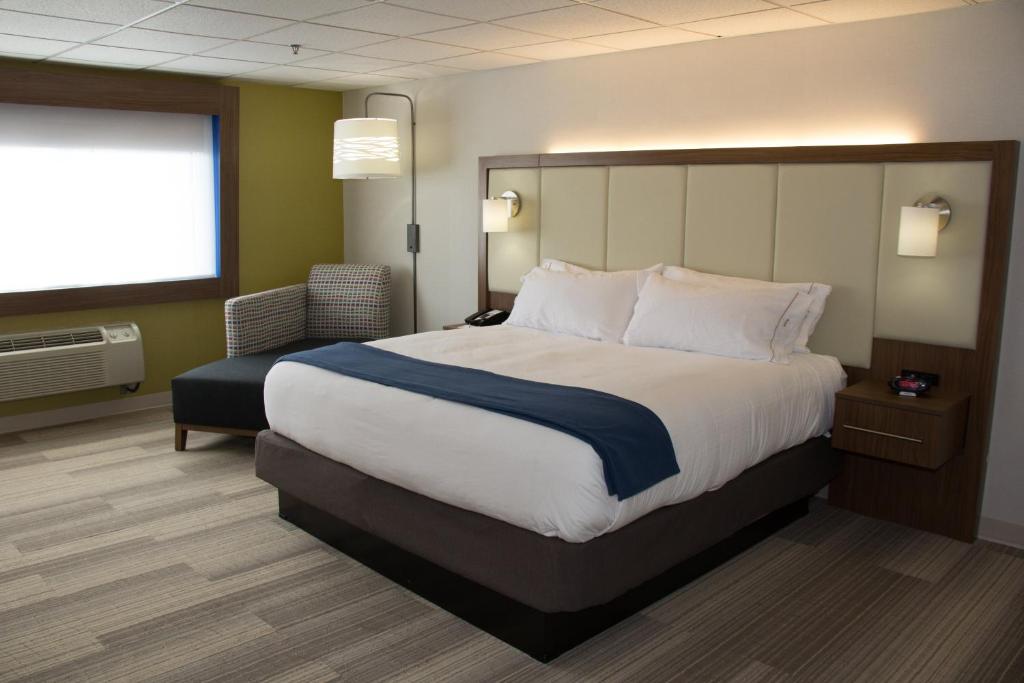
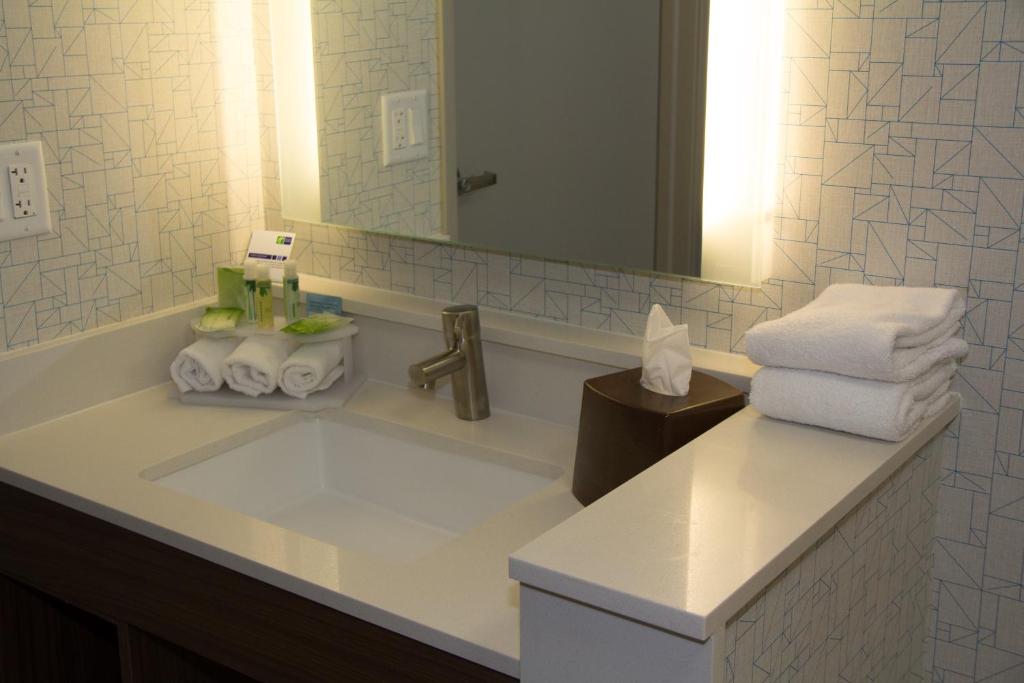

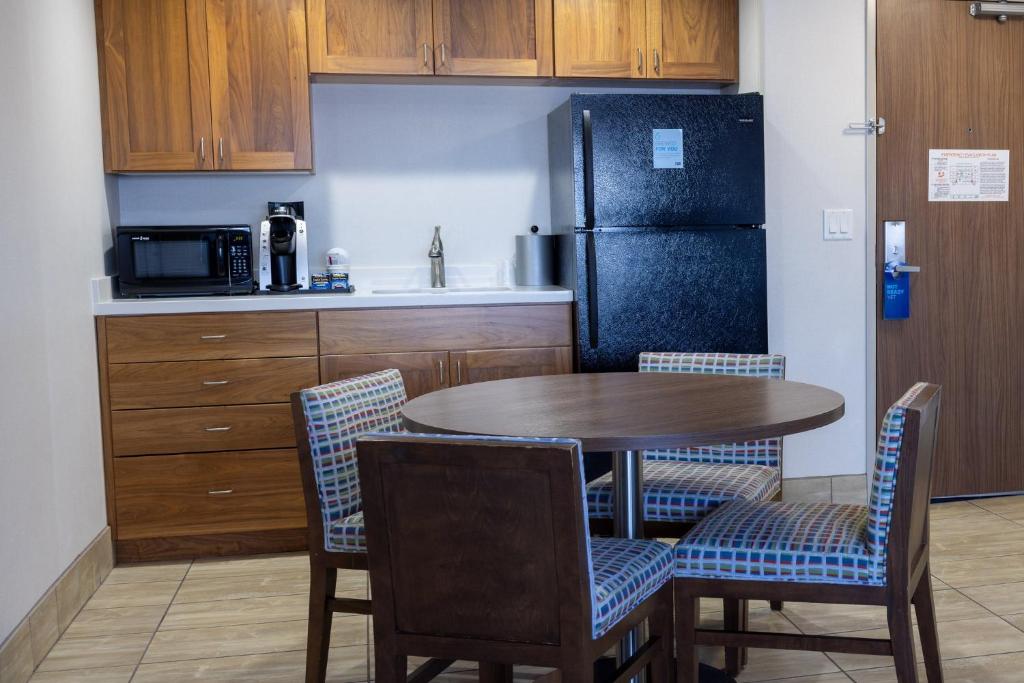
The hotel has its own parking.
This day takes you back to the time when Salt Lake City hosted the 2002 Winter Olympics. You'll start at the Alf Engen Ski Museum in Park City, surrounded by the venues where the world's top athletes competed. You'll visit Rice-Eccles Stadium, where the Olympic flame was lit, and walk through the former Olympic Village area at Fort Douglas. A day full of sports history, Olympic atmosphere, and stories that still shape the face of modern Utah awaits you.
Soak up the atmosphere of the place that hosted the 2002 Winter Olympics. There's a free museum, and freestyle shows take place on summer weekends. You can also book a guided tour of the Olympic park, which takes you to the top of the ski jump. Or, try an adrenaline-filled ride on the bobsled track.
- Guided tours: Utah Olympic Park Tour
- Official museum website: The Alf Engen Ski Museum
- The vibe of the freestyle show is a fantastic experience. More info here

The park commemorates the arrival of the first Mormon pioneers in the Salt Lake Valley in 1847. It is said that this is where Brigham Young uttered the famous words "This is the place" when the group reached what is now Salt Lake City. There is an open-air museum, historical buildings, and beautiful views of the city and the Wasatch Mountains.
Part of the park requires an admission fee. More info here: This Is The Place Heritage Park

The site was founded in 1862 by Colonel Patrick Edward Connor and played a vital role in settling the American West, as well as protecting the transcontinental railroad, mail route, and telegraph lines. Today, it is part of the University of Utah. It's a hub for lively student life these days.
The museum maps military history from the 19th century to the present, including an outdoor display of equipment. Admission to the museum is free.
Official museum website: Fort Douglas Museum

As you stroll around the historic Officers Circle and take in the Bandstand gazebo, you are walking through the exact spot where the Olympic Village stood in 2002. These beautiful 19th-century buildings originally served military officers and were transformed into facilities and accommodation for Olympic delegations from around the world during the Winter Games. Today, these historic homes are used by the university for its research and scientific institutes.
This is an elegant suspension bridge built for the 2002 Winter Olympics. During the games, athletes walked across it from the Olympic Village to the opening and closing ceremonies at Rice-Eccles Stadium.
Part of the Fort Douglas military base is a small military cemetery, which was established in the 19th century and still serves as a reminder of the settlement of the American West and the history of the US Army in Utah. The cemetery is very peaceful, and you won't run into many visitors here.

Rice–Eccles Stadium is the home of the University of Utah Utes football team. Originally built in 1927 as Ute Stadium and later renovated, it hosted the opening and closing ceremonies of the 2002 Winter Olympics – and is planned to do so again in 2034.
Official stadium website: Rice–Eccles Stadium

This majestic neoclassical building offers stunning views of the city and the surrounding Wasatch Mountains. The building is surrounded by a large park and the interior is free to enter. Try arriving in the evening to catch the sunset over the valley.
Official building website: Capitol
The hotel has its own parking.
Today takes you north of Salt Lake City. You'll encounter bison herds on Antelope Island, explore aviation and space history, and visit the legendary site where the first transcontinental railroad was joined. You'll wrap up the day at the iconic Spiral Jetty on the shore of the pink lake.
Antelope Island is the largest island in the Great Salt Lake and one of the best spots in Utah for spotting bison in the wild. It offers sweeping views of salt flats and bison herds. If you're lucky, you'll run into them right by the road. You can also head out on one of the many trails.
The park opens very early in the morning, and there is an entrance fee. More info here.
- Designated parking areas are located throughout the park.
Right at the start of Antelope Island, make a quick stop at the granite U.S. Army Ranger and Air Force Memorial. It commemorates the tragic night in 1992, when a military helicopter carrying twelve elite special forces soldiers crashed off this shore during a storm.
This museum is packed with aviation technology. You'll find dozens of military aircraft, historic bombers, and exhibits related to the American space program, all displayed in massive hangars and out in the open air.
Admission is free and the museum's official website is here.

The Rocket Garden is a smaller outdoor exhibit of rockets and technologies associated with the American aerospace industry. The exhibit is free to enter.
This is a historic site commemorating the completion of the first transcontinental railroad in the United States in 1869. The park is located at Promontory Summit, where the Union Pacific and Central Pacific railroad tracks were symbolically joined by the "Golden Spike".
More info here.
Spiral Jetty is a famous land-art work created right on the shore of the Great Salt Lake. The stone spiral emerging into the pinkish saltwater is one of the most iconic art installations in the American landscape. Robert Smithson created the spiral in 1970. It has a unique atmosphere at sunset.
The hotel has its own parking.
Today we're heading into the Wasatch Mountains, which form the backdrop for all of Salt Lake City. A mountain trek awaits you to the iconic Lake Blanche or a lighter option to Desolation Lake, both with stunning views of the Utah mountain landscape. In the afternoon, you'll move on to Timpanogos Cave National Monument, where an extensive cave system full of stalactites and underground chambers is hidden beneath the mountains.
ATTENTION! Before heading out on any of the hikes, download the AllTrails app. There, you can check the current trail conditions in the mountains directly from other users for each hike.
- Choose which of the next two spots (two hikes) you want to visit and head to the corresponding parking lot.
Head out for the hike either early in the morning, or if you don't mind warmer weather, then in the afternoon. The trail is much less exposed. Take plenty of water, sturdy shoes, and don't forget spare, warm clothing (including waterproof gear) in case the weather changes. If conditions are good, you can walk around the lake. You can extend the hike to include Florence Lake and Lillian Lake, which are located near Blanche Lake.
Hiking trail:
👉 AllTrails 👈
👉 Mapy.com👈
Trail length: 10.5 km
Duration: 4.5 hours (round trip)
Elevation gain: 831 m

You can also head to Lake Blanche. This hike is longer, but has less elevation gain. The starting points for both treks are 10 km apart on the same road, Big Cottonwood Canyon Road.
Hiking route:
👉 AllTrails 👈
👉 Mapy.com 👈
Route length: 13.4 km
Estimated time: 4.5 - 5 hours (round trip)
Elevation gain: 606 m

Timpanogos Cave hides one of the most famous cave complexes in Utah. To reach the caves, there is a fairly steep climb from the parking lot, but with beautiful views of American Fork Canyon.
Dress warmly. The temperature inside the caves is around 7 degrees Celsius (45 degrees Fahrenheit).
Entrance to the caves is subject to a fee. More info here
You can spend the evening at a unique shopping complex right in the heart of Salt Lake City, which features a real creek with waterfalls and live fish running through it. Its most impressive feature is the giant glass roof, which opens up in good weather, letting warm sunlight in so you can shop under the open sky. It’s the perfect spot for buying souvenirs, grabbing a great dinner, and wrapping up your road trip in style.
Website for the shopping center here
The shopping center has its own underground parking garages with several entrances. Entrance map.
TIP 👍 If you're in SLC around July 4th - Independence Day, head over to Jordan Park for a picnic; they host an evening drone show. There are also concerts and food trucks.
It's best to arrive early to find good parking. I don't recommend parking directly in the Jordan Park lots. After the show, the surrounding streets were totally jammed and impossible to get out of. Better to park on a side street further away and walk.
For the specific date and program, click here
TIP 👍 Another way to experience a similar event is around July 24th - Pioneer Day.
The specific date and program of the event can be found here
The hotel has its own parking.
I hope you really enjoyed this beautiful city surrounded by snowy mountains and a salt lake. If you have some time left before your flight, you can spend it with one last walk around Salt Lake City. Have a safe flight home 🛫
Be at the airport at least 2 hours before your flight, drop off your car, and head to your gate. Have a nice flight home.
Do
Experience Salt Lake City, the largest city in Utah, known as the "Crossroads of the West". You'll head to mountain lakes and salt flats, wander through a rocket garden, and walk among modern fighter jets. You'll soak up the atmosphere of the 2002 Winter Olympics and the ancient history of the Pacific railroads.
Welcome to the Olympic city 🙂 Today you will pick up your car according to the instructions from Worldee, head to your accommodation, and if you have the time and energy, you can explore the area right around your hotel.
The complex has been undergoing renovations for several years and is gradually opening to the public. It includes the iconic Salt Lake Temple, the Tabernacle (home to the famous Tabernacle Choir), and the Assembly Hall, along with monuments, visitor centers, and expansive gardens. Temple Square is designated a National Historic Landmark.
You can check the progress of the renovation work and what is currently open on the official website.
The hotel has its own parking.
This day takes you back to the time when Salt Lake City hosted the 2002 Winter Olympics. You'll start at the Alf Engen Ski Museum in Park City, surrounded by the venues where the world's top athletes competed. You'll visit Rice-Eccles Stadium, where the Olympic flame was lit, and walk through the former Olympic Village area at Fort Douglas. A day full of sports history, Olympic atmosphere, and stories that still shape the face of modern Utah awaits you.
Soak up the atmosphere of the place that hosted the 2002 Winter Olympics. There's a free museum, and freestyle shows take place on summer weekends. You can also book a guided tour of the Olympic park, which takes you to the top of the ski jump. Or, try an adrenaline-filled ride on the bobsled track.
- Guided tours: Utah Olympic Park Tour
- Official museum website: The Alf Engen Ski Museum
- The vibe of the freestyle show is a fantastic experience. More info here
The park commemorates the arrival of the first Mormon pioneers in the Salt Lake Valley in 1847. It is said that this is where Brigham Young uttered the famous words "This is the place" when the group reached what is now Salt Lake City. There is an open-air museum, historical buildings, and beautiful views of the city and the Wasatch Mountains.
Part of the park requires an admission fee. More info here: This Is The Place Heritage Park
The site was founded in 1862 by Colonel Patrick Edward Connor and played a vital role in settling the American West, as well as protecting the transcontinental railroad, mail route, and telegraph lines. Today, it is part of the University of Utah. It's a hub for lively student life these days.
The museum maps military history from the 19th century to the present, including an outdoor display of equipment. Admission to the museum is free.
Official museum website: Fort Douglas Museum
As you stroll around the historic Officers Circle and take in the Bandstand gazebo, you are walking through the exact spot where the Olympic Village stood in 2002. These beautiful 19th-century buildings originally served military officers and were transformed into facilities and accommodation for Olympic delegations from around the world during the Winter Games. Today, these historic homes are used by the university for its research and scientific institutes.
This is an elegant suspension bridge built for the 2002 Winter Olympics. During the games, athletes walked across it from the Olympic Village to the opening and closing ceremonies at Rice-Eccles Stadium.
Part of the Fort Douglas military base is a small military cemetery, which was established in the 19th century and still serves as a reminder of the settlement of the American West and the history of the US Army in Utah. The cemetery is very peaceful, and you won't run into many visitors here.
Rice–Eccles Stadium is the home of the University of Utah Utes football team. Originally built in 1927 as Ute Stadium and later renovated, it hosted the opening and closing ceremonies of the 2002 Winter Olympics – and is planned to do so again in 2034.
Official stadium website: Rice–Eccles Stadium
This majestic neoclassical building offers stunning views of the city and the surrounding Wasatch Mountains. The building is surrounded by a large park and the interior is free to enter. Try arriving in the evening to catch the sunset over the valley.
Official building website: Capitol
The hotel has its own parking.
Today takes you north of Salt Lake City. You'll encounter bison herds on Antelope Island, explore aviation and space history, and visit the legendary site where the first transcontinental railroad was joined. You'll wrap up the day at the iconic Spiral Jetty on the shore of the pink lake.
Antelope Island is the largest island in the Great Salt Lake and one of the best spots in Utah for spotting bison in the wild. It offers sweeping views of salt flats and bison herds. If you're lucky, you'll run into them right by the road. You can also head out on one of the many trails.
The park opens very early in the morning, and there is an entrance fee. More info here.
- Designated parking areas are located throughout the park.
Right at the start of Antelope Island, make a quick stop at the granite U.S. Army Ranger and Air Force Memorial. It commemorates the tragic night in 1992, when a military helicopter carrying twelve elite special forces soldiers crashed off this shore during a storm.
This museum is packed with aviation technology. You'll find dozens of military aircraft, historic bombers, and exhibits related to the American space program, all displayed in massive hangars and out in the open air.
Admission is free and the museum's official website is here.
The Rocket Garden is a smaller outdoor exhibit of rockets and technologies associated with the American aerospace industry. The exhibit is free to enter.
This is a historic site commemorating the completion of the first transcontinental railroad in the United States in 1869. The park is located at Promontory Summit, where the Union Pacific and Central Pacific railroad tracks were symbolically joined by the "Golden Spike".
More info here.
Spiral Jetty is a famous land-art work created right on the shore of the Great Salt Lake. The stone spiral emerging into the pinkish saltwater is one of the most iconic art installations in the American landscape. Robert Smithson created the spiral in 1970. It has a unique atmosphere at sunset.
The hotel has its own parking.
Today we're heading into the Wasatch Mountains, which form the backdrop for all of Salt Lake City. A mountain trek awaits you to the iconic Lake Blanche or a lighter option to Desolation Lake, both with stunning views of the Utah mountain landscape. In the afternoon, you'll move on to Timpanogos Cave National Monument, where an extensive cave system full of stalactites and underground chambers is hidden beneath the mountains.
ATTENTION! Before heading out on any of the hikes, download the AllTrails app. There, you can check the current trail conditions in the mountains directly from other users for each hike.
- Choose which of the next two spots (two hikes) you want to visit and head to the corresponding parking lot.
Head out for the hike either early in the morning, or if you don't mind warmer weather, then in the afternoon. The trail is much less exposed. Take plenty of water, sturdy shoes, and don't forget spare, warm clothing (including waterproof gear) in case the weather changes. If conditions are good, you can walk around the lake. You can extend the hike to include Florence Lake and Lillian Lake, which are located near Blanche Lake.
Hiking trail:
👉 AllTrails 👈
👉 Mapy.com👈
Trail length: 10.5 km
Duration: 4.5 hours (round trip)
Elevation gain: 831 m
You can also head to Lake Blanche. This hike is longer, but has less elevation gain. The starting points for both treks are 10 km apart on the same road, Big Cottonwood Canyon Road.
Hiking route:
👉 AllTrails 👈
👉 Mapy.com 👈
Route length: 13.4 km
Estimated time: 4.5 - 5 hours (round trip)
Elevation gain: 606 m
Timpanogos Cave hides one of the most famous cave complexes in Utah. To reach the caves, there is a fairly steep climb from the parking lot, but with beautiful views of American Fork Canyon.
Dress warmly. The temperature inside the caves is around 7 degrees Celsius (45 degrees Fahrenheit).
Entrance to the caves is subject to a fee. More info here
You can spend the evening at a unique shopping complex right in the heart of Salt Lake City, which features a real creek with waterfalls and live fish running through it. Its most impressive feature is the giant glass roof, which opens up in good weather, letting warm sunlight in so you can shop under the open sky. It’s the perfect spot for buying souvenirs, grabbing a great dinner, and wrapping up your road trip in style.
Website for the shopping center here
The shopping center has its own underground parking garages with several entrances. Entrance map.
TIP 👍 If you're in SLC around July 4th - Independence Day, head over to Jordan Park for a picnic; they host an evening drone show. There are also concerts and food trucks.
It's best to arrive early to find good parking. I don't recommend parking directly in the Jordan Park lots. After the show, the surrounding streets were totally jammed and impossible to get out of. Better to park on a side street further away and walk.
For the specific date and program, click here
TIP 👍 Another way to experience a similar event is around July 24th - Pioneer Day.
The specific date and program of the event can be found here
The hotel has its own parking.
I hope you really enjoyed this beautiful city surrounded by snowy mountains and a salt lake. If you have some time left before your flight, you can spend it with one last walk around Salt Lake City. Have a safe flight home 🛫
Be at the airport at least 2 hours before your flight, drop off your car, and head to your gate. Have a nice flight home.
Do

 We are a Czech companyWe are a Czech company




itinerary by Patty
Experience Salt Lake City, the largest city in Utah, known as the "Crossroads of the West". You'll head to mountain lakes and salt flats, wander through a rocket garden, and walk among modern fighter jets. You'll soak up the atmosphere of the 2002 Winter Olympics and the ancient history of the Pacific railroads.
Welcome to the Olympic city 🙂 Today you will pick up your car according to the instructions from Worldee, head to your accommodation, and if you have the time and energy, you can explore the area right around your hotel.
The complex has been undergoing renovations for several years and is gradually opening to the public. It includes the iconic Salt Lake Temple, the Tabernacle (home to the famous Tabernacle Choir), and the Assembly Hall, along with monuments, visitor centers, and expansive gardens. Temple Square is designated a National Historic Landmark.
You can check the progress of the renovation work and what is currently open on the official website.
The hotel has its own parking.
This day takes you back to the time when Salt Lake City hosted the 2002 Winter Olympics. You'll start at the Alf Engen Ski Museum in Park City, surrounded by the venues where the world's top athletes competed. You'll visit Rice-Eccles Stadium, where the Olympic flame was lit, and walk through the former Olympic Village area at Fort Douglas. A day full of sports history, Olympic atmosphere, and stories that still shape the face of modern Utah awaits you.
Soak up the atmosphere of the place that hosted the 2002 Winter Olympics. There's a free museum, and freestyle shows take place on summer weekends. You can also book a guided tour of the Olympic park, which takes you to the top of the ski jump. Or, try an adrenaline-filled ride on the bobsled track.
- Guided tours: Utah Olympic Park Tour
- Official museum website: The Alf Engen Ski Museum
- The vibe of the freestyle show is a fantastic experience. More info here
The park commemorates the arrival of the first Mormon pioneers in the Salt Lake Valley in 1847. It is said that this is where Brigham Young uttered the famous words "This is the place" when the group reached what is now Salt Lake City. There is an open-air museum, historical buildings, and beautiful views of the city and the Wasatch Mountains.
Part of the park requires an admission fee. More info here: This Is The Place Heritage Park
The site was founded in 1862 by Colonel Patrick Edward Connor and played a vital role in settling the American West, as well as protecting the transcontinental railroad, mail route, and telegraph lines. Today, it is part of the University of Utah. It's a hub for lively student life these days.
The museum maps military history from the 19th century to the present, including an outdoor display of equipment. Admission to the museum is free.
Official museum website: Fort Douglas Museum
As you stroll around the historic Officers Circle and take in the Bandstand gazebo, you are walking through the exact spot where the Olympic Village stood in 2002. These beautiful 19th-century buildings originally served military officers and were transformed into facilities and accommodation for Olympic delegations from around the world during the Winter Games. Today, these historic homes are used by the university for its research and scientific institutes.
This is an elegant suspension bridge built for the 2002 Winter Olympics. During the games, athletes walked across it from the Olympic Village to the opening and closing ceremonies at Rice-Eccles Stadium.
Part of the Fort Douglas military base is a small military cemetery, which was established in the 19th century and still serves as a reminder of the settlement of the American West and the history of the US Army in Utah. The cemetery is very peaceful, and you won't run into many visitors here.
Rice–Eccles Stadium is the home of the University of Utah Utes football team. Originally built in 1927 as Ute Stadium and later renovated, it hosted the opening and closing ceremonies of the 2002 Winter Olympics – and is planned to do so again in 2034.
Official stadium website: Rice–Eccles Stadium
This majestic neoclassical building offers stunning views of the city and the surrounding Wasatch Mountains. The building is surrounded by a large park and the interior is free to enter. Try arriving in the evening to catch the sunset over the valley.
Official building website: Capitol
The hotel has its own parking.
Today takes you north of Salt Lake City. You'll encounter bison herds on Antelope Island, explore aviation and space history, and visit the legendary site where the first transcontinental railroad was joined. You'll wrap up the day at the iconic Spiral Jetty on the shore of the pink lake.
Antelope Island is the largest island in the Great Salt Lake and one of the best spots in Utah for spotting bison in the wild. It offers sweeping views of salt flats and bison herds. If you're lucky, you'll run into them right by the road. You can also head out on one of the many trails.
The park opens very early in the morning, and there is an entrance fee. More info here.
- Designated parking areas are located throughout the park.
Right at the start of Antelope Island, make a quick stop at the granite U.S. Army Ranger and Air Force Memorial. It commemorates the tragic night in 1992, when a military helicopter carrying twelve elite special forces soldiers crashed off this shore during a storm.
This museum is packed with aviation technology. You'll find dozens of military aircraft, historic bombers, and exhibits related to the American space program, all displayed in massive hangars and out in the open air.
Admission is free and the museum's official website is here.
The Rocket Garden is a smaller outdoor exhibit of rockets and technologies associated with the American aerospace industry. The exhibit is free to enter.
This is a historic site commemorating the completion of the first transcontinental railroad in the United States in 1869. The park is located at Promontory Summit, where the Union Pacific and Central Pacific railroad tracks were symbolically joined by the "Golden Spike".
More info here.
Spiral Jetty is a famous land-art work created right on the shore of the Great Salt Lake. The stone spiral emerging into the pinkish saltwater is one of the most iconic art installations in the American landscape. Robert Smithson created the spiral in 1970. It has a unique atmosphere at sunset.
The hotel has its own parking.
Today we're heading into the Wasatch Mountains, which form the backdrop for all of Salt Lake City. A mountain trek awaits you to the iconic Lake Blanche or a lighter option to Desolation Lake, both with stunning views of the Utah mountain landscape. In the afternoon, you'll move on to Timpanogos Cave National Monument, where an extensive cave system full of stalactites and underground chambers is hidden beneath the mountains.
ATTENTION! Before heading out on any of the hikes, download the AllTrails app. There, you can check the current trail conditions in the mountains directly from other users for each hike.
- Choose which of the next two spots (two hikes) you want to visit and head to the corresponding parking lot.
Head out for the hike either early in the morning, or if you don't mind warmer weather, then in the afternoon. The trail is much less exposed. Take plenty of water, sturdy shoes, and don't forget spare, warm clothing (including waterproof gear) in case the weather changes. If conditions are good, you can walk around the lake. You can extend the hike to include Florence Lake and Lillian Lake, which are located near Blanche Lake.
Hiking trail:
👉 AllTrails 👈
👉 Mapy.com👈
Trail length: 10.5 km
Duration: 4.5 hours (round trip)
Elevation gain: 831 m
You can also head to Lake Blanche. This hike is longer, but has less elevation gain. The starting points for both treks are 10 km apart on the same road, Big Cottonwood Canyon Road.
Hiking route:
👉 AllTrails 👈
👉 Mapy.com 👈
Route length: 13.4 km
Estimated time: 4.5 - 5 hours (round trip)
Elevation gain: 606 m
Timpanogos Cave hides one of the most famous cave complexes in Utah. To reach the caves, there is a fairly steep climb from the parking lot, but with beautiful views of American Fork Canyon.
Dress warmly. The temperature inside the caves is around 7 degrees Celsius (45 degrees Fahrenheit).
Entrance to the caves is subject to a fee. More info here
You can spend the evening at a unique shopping complex right in the heart of Salt Lake City, which features a real creek with waterfalls and live fish running through it. Its most impressive feature is the giant glass roof, which opens up in good weather, letting warm sunlight in so you can shop under the open sky. It’s the perfect spot for buying souvenirs, grabbing a great dinner, and wrapping up your road trip in style.
Website for the shopping center here
The shopping center has its own underground parking garages with several entrances. Entrance map.
TIP 👍 If you're in SLC around July 4th - Independence Day, head over to Jordan Park for a picnic; they host an evening drone show. There are also concerts and food trucks.
It's best to arrive early to find good parking. I don't recommend parking directly in the Jordan Park lots. After the show, the surrounding streets were totally jammed and impossible to get out of. Better to park on a side street further away and walk.
For the specific date and program, click here
TIP 👍 Another way to experience a similar event is around July 24th - Pioneer Day.
The specific date and program of the event can be found here
The hotel has its own parking.
I hope you really enjoyed this beautiful city surrounded by snowy mountains and a salt lake. If you have some time left before your flight, you can spend it with one last walk around Salt Lake City. Have a safe flight home 🛫
Be at the airport at least 2 hours before your flight, drop off your car, and head to your gate. Have a nice flight home.
Do
Experience Salt Lake City, the largest city in Utah, known as the "Crossroads of the West". You'll head to mountain lakes and salt flats, wander through a rocket garden, and walk among modern fighter jets. You'll soak up the atmosphere of the 2002 Winter Olympics and the ancient history of the Pacific railroads.
Welcome to the Olympic city 🙂 Today you will pick up your car according to the instructions from Worldee, head to your accommodation, and if you have the time and energy, you can explore the area right around your hotel.
The complex has been undergoing renovations for several years and is gradually opening to the public. It includes the iconic Salt Lake Temple, the Tabernacle (home to the famous Tabernacle Choir), and the Assembly Hall, along with monuments, visitor centers, and expansive gardens. Temple Square is designated a National Historic Landmark.
You can check the progress of the renovation work and what is currently open on the official website.
The hotel has its own parking.
This day takes you back to the time when Salt Lake City hosted the 2002 Winter Olympics. You'll start at the Alf Engen Ski Museum in Park City, surrounded by the venues where the world's top athletes competed. You'll visit Rice-Eccles Stadium, where the Olympic flame was lit, and walk through the former Olympic Village area at Fort Douglas. A day full of sports history, Olympic atmosphere, and stories that still shape the face of modern Utah awaits you.
Soak up the atmosphere of the place that hosted the 2002 Winter Olympics. There's a free museum, and freestyle shows take place on summer weekends. You can also book a guided tour of the Olympic park, which takes you to the top of the ski jump. Or, try an adrenaline-filled ride on the bobsled track.
- Guided tours: Utah Olympic Park Tour
- Official museum website: The Alf Engen Ski Museum
- The vibe of the freestyle show is a fantastic experience. More info here
The park commemorates the arrival of the first Mormon pioneers in the Salt Lake Valley in 1847. It is said that this is where Brigham Young uttered the famous words "This is the place" when the group reached what is now Salt Lake City. There is an open-air museum, historical buildings, and beautiful views of the city and the Wasatch Mountains.
Part of the park requires an admission fee. More info here: This Is The Place Heritage Park
The site was founded in 1862 by Colonel Patrick Edward Connor and played a vital role in settling the American West, as well as protecting the transcontinental railroad, mail route, and telegraph lines. Today, it is part of the University of Utah. It's a hub for lively student life these days.
The museum maps military history from the 19th century to the present, including an outdoor display of equipment. Admission to the museum is free.
Official museum website: Fort Douglas Museum
As you stroll around the historic Officers Circle and take in the Bandstand gazebo, you are walking through the exact spot where the Olympic Village stood in 2002. These beautiful 19th-century buildings originally served military officers and were transformed into facilities and accommodation for Olympic delegations from around the world during the Winter Games. Today, these historic homes are used by the university for its research and scientific institutes.
This is an elegant suspension bridge built for the 2002 Winter Olympics. During the games, athletes walked across it from the Olympic Village to the opening and closing ceremonies at Rice-Eccles Stadium.
Part of the Fort Douglas military base is a small military cemetery, which was established in the 19th century and still serves as a reminder of the settlement of the American West and the history of the US Army in Utah. The cemetery is very peaceful, and you won't run into many visitors here.
Rice–Eccles Stadium is the home of the University of Utah Utes football team. Originally built in 1927 as Ute Stadium and later renovated, it hosted the opening and closing ceremonies of the 2002 Winter Olympics – and is planned to do so again in 2034.
Official stadium website: Rice–Eccles Stadium
This majestic neoclassical building offers stunning views of the city and the surrounding Wasatch Mountains. The building is surrounded by a large park and the interior is free to enter. Try arriving in the evening to catch the sunset over the valley.
Official building website: Capitol
The hotel has its own parking.
Today takes you north of Salt Lake City. You'll encounter bison herds on Antelope Island, explore aviation and space history, and visit the legendary site where the first transcontinental railroad was joined. You'll wrap up the day at the iconic Spiral Jetty on the shore of the pink lake.
Antelope Island is the largest island in the Great Salt Lake and one of the best spots in Utah for spotting bison in the wild. It offers sweeping views of salt flats and bison herds. If you're lucky, you'll run into them right by the road. You can also head out on one of the many trails.
The park opens very early in the morning, and there is an entrance fee. More info here.
- Designated parking areas are located throughout the park.
Right at the start of Antelope Island, make a quick stop at the granite U.S. Army Ranger and Air Force Memorial. It commemorates the tragic night in 1992, when a military helicopter carrying twelve elite special forces soldiers crashed off this shore during a storm.
This museum is packed with aviation technology. You'll find dozens of military aircraft, historic bombers, and exhibits related to the American space program, all displayed in massive hangars and out in the open air.
Admission is free and the museum's official website is here.
The Rocket Garden is a smaller outdoor exhibit of rockets and technologies associated with the American aerospace industry. The exhibit is free to enter.
This is a historic site commemorating the completion of the first transcontinental railroad in the United States in 1869. The park is located at Promontory Summit, where the Union Pacific and Central Pacific railroad tracks were symbolically joined by the "Golden Spike".
More info here.
Spiral Jetty is a famous land-art work created right on the shore of the Great Salt Lake. The stone spiral emerging into the pinkish saltwater is one of the most iconic art installations in the American landscape. Robert Smithson created the spiral in 1970. It has a unique atmosphere at sunset.
The hotel has its own parking.
Today we're heading into the Wasatch Mountains, which form the backdrop for all of Salt Lake City. A mountain trek awaits you to the iconic Lake Blanche or a lighter option to Desolation Lake, both with stunning views of the Utah mountain landscape. In the afternoon, you'll move on to Timpanogos Cave National Monument, where an extensive cave system full of stalactites and underground chambers is hidden beneath the mountains.
ATTENTION! Before heading out on any of the hikes, download the AllTrails app. There, you can check the current trail conditions in the mountains directly from other users for each hike.
- Choose which of the next two spots (two hikes) you want to visit and head to the corresponding parking lot.
Head out for the hike either early in the morning, or if you don't mind warmer weather, then in the afternoon. The trail is much less exposed. Take plenty of water, sturdy shoes, and don't forget spare, warm clothing (including waterproof gear) in case the weather changes. If conditions are good, you can walk around the lake. You can extend the hike to include Florence Lake and Lillian Lake, which are located near Blanche Lake.
Hiking trail:
👉 AllTrails 👈
👉 Mapy.com👈
Trail length: 10.5 km
Duration: 4.5 hours (round trip)
Elevation gain: 831 m
You can also head to Lake Blanche. This hike is longer, but has less elevation gain. The starting points for both treks are 10 km apart on the same road, Big Cottonwood Canyon Road.
Hiking route:
👉 AllTrails 👈
👉 Mapy.com 👈
Route length: 13.4 km
Estimated time: 4.5 - 5 hours (round trip)
Elevation gain: 606 m
Timpanogos Cave hides one of the most famous cave complexes in Utah. To reach the caves, there is a fairly steep climb from the parking lot, but with beautiful views of American Fork Canyon.
Dress warmly. The temperature inside the caves is around 7 degrees Celsius (45 degrees Fahrenheit).
Entrance to the caves is subject to a fee. More info here
You can spend the evening at a unique shopping complex right in the heart of Salt Lake City, which features a real creek with waterfalls and live fish running through it. Its most impressive feature is the giant glass roof, which opens up in good weather, letting warm sunlight in so you can shop under the open sky. It’s the perfect spot for buying souvenirs, grabbing a great dinner, and wrapping up your road trip in style.
Website for the shopping center here
The shopping center has its own underground parking garages with several entrances. Entrance map.
TIP 👍 If you're in SLC around July 4th - Independence Day, head over to Jordan Park for a picnic; they host an evening drone show. There are also concerts and food trucks.
It's best to arrive early to find good parking. I don't recommend parking directly in the Jordan Park lots. After the show, the surrounding streets were totally jammed and impossible to get out of. Better to park on a side street further away and walk.
For the specific date and program, click here
TIP 👍 Another way to experience a similar event is around July 24th - Pioneer Day.
The specific date and program of the event can be found here
The hotel has its own parking.
I hope you really enjoyed this beautiful city surrounded by snowy mountains and a salt lake. If you have some time left before your flight, you can spend it with one last walk around Salt Lake City. Have a safe flight home 🛫
Be at the airport at least 2 hours before your flight, drop off your car, and head to your gate. Have a nice flight home.
Do