The Balkans is a region full of contrasts, untamed nature, beautiful scenery, but also hospitable people and excellent local cuisine.
Embark on a Balkan journey through two not-so-touristy but fascinating countries in this region - North Macedonia and Bulgaria.
You will visit a country that is the second most mountainous in Europe after Switzerland, and a country that is the largest producer of rose oil in the world, or you will walk around a city where there was one church for every day of the year, and a city where the largest number of statues and monuments are concentrated together that you have ever seen. And that's just a small taste of what awaits you!
You'll arrive in North Macedonia, pick up your car (according to the instructions you'll receive before departure), and drive to your accommodation. If you have the energy, you can head into town, or leave the exploring for tomorrow. Usually, no visa is required to enter the country if you are a citizen of the European Union, even though North Macedonia is not directly part of the European Union or Schengen. So, a passport or ID card is sufficient, but please verify the entry requirements specifically for your home country.
The airport is very small, you'll get through it quickly, rent a car (according to the instructions you'll receive before departure) and hit the road. If you're tired, head to your accommodation and start exploring tomorrow. If you arrive early and aren't tired, you can go for a walk or into town.


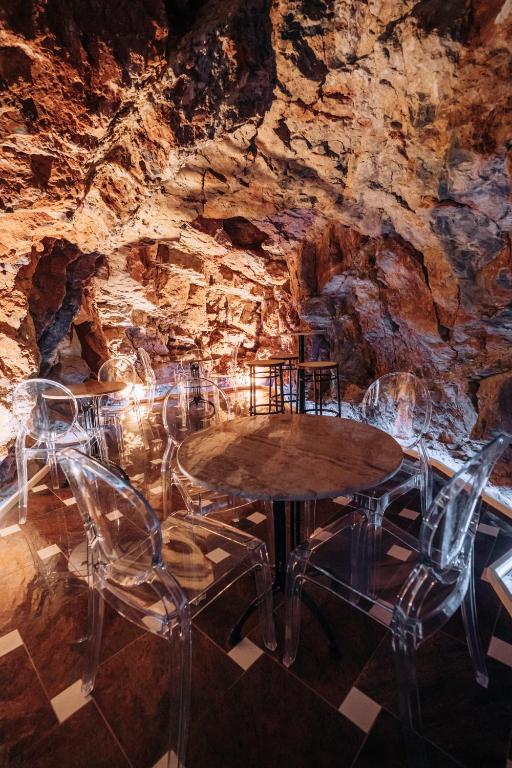
Your Balkan journey begins in Ohrid, a city located on the shores of the giant lake of the same name and a famous vacation destination for locals, as North Macedonia has no access to the sea.
Take a ride along the lake from Ohrid heading south. Lake Ohrid, located on the border of Macedonia and Albania, is one of the oldest and deepest lakes in Europe. It is famous for its clear water, unique nature, many fish species, and the picturesque town of the same name on its shore.
A very pleasant beach is Ljubanishta, which is located near a campsite, has many bars and refreshment stands, and is definitely worth a visit.
Next, continue to the Orthodox Monastery of Saint Naum, which offers a beautiful view of the lake. The monastery is located just before the border with Albania. Saint Naum was a disciple of Cyril and Methodius and one of the important figures in the spread of Christianity in the Balkans. According to legend, you can hear the beating of his heart at the tomb of St. Naum when you put your ear to the stone of the tomb. Can you hear it too?
There is also a beautiful beach near the church, where a cold spring flows into the lake. If you swim, you will definitely notice large temperature differences, because the lake inflow is really icy. On the other hand, such swimming can be refreshing on a hot day. It is definitely worth spending a few hours on one of the beaches. The parking lot at the monastery is huge and free.
You will follow in the footsteps of Cyril and Methodius - Ohrid was an important center of education, it was here that the Glagolitic and Cyrillic alphabets developed and then traveled further into the world.
Exploring Ohrid is best started on the promenade along the lake shore, leading to the very heart of the historical center.
The city of Ohrid, which used to have 365 churches, one for each day of the year, is one of the most beautiful cities in Macedonia. Get lost in its winding, cobbled streets and enjoy the views of the lake. In the historical center, take note of the period Balkan architecture and wooden beams - as individual floors of the houses were added, they moved closer to the center of the street, so they are cantilevered towards the street to give tenants more space.
The most iconic postcard from Ohrid features this view - a small church on a rocky cliff with a beautiful blue lake in the background. Yes, you're in the right place, this is it. A picturesque stone church with stunning views, dating back to the 13th century, is a beautiful example of late Byzantine style. A very photogenic place.

St. Clement of Ohrid founded one of the oldest universities in Europe here in the 9th century. It was here that Old Church Slavonic and Cyrillic were taught, spreading further from here.
Then climb to the fortress, which is named after Samuel (he was the ruler of the First Bulgarian Empire in the 10th century). The fortress stands on the highest point above Ohrid, so you have the whole city and the lake at your fingertips. Ideal for nice photos.

After that, you will descend from the fortress and head towards the amphitheater. This amphitheater dates back to the 2nd century BC and was also used for executions and gladiatorial fights during the Roman period. It is located among narrow streets (it was discovered only in the 1930s) and now continues to serve as an open-air theater.

Continue on foot to the most famous shopping street, which offers many souvenir shops and restaurants. The street is also home to one of the oldest trees in North Macedonia - a giant sycamore (chinar) estimated to be 800-1000 years old.
In the evening, you can stroll along the lake again, where you can see a beautiful sunset over the water.
You will go to a national park high in the mountains. Now the general fact that North Macedonia is the second most mountainous country in Europe will be confirmed. You will also visit a beautifully decorated monastery in the mountains with views and taste traditional food.
Toll highways are paid at toll booths (in cash or by card), similar to Italy.
See one of the most beautiful monasteries in North Macedonia. It dates back to the 11th century and is beautifully renovated and maintained. Situated in the mountains of Mavrovo National Park, it offers a beautiful view of the surrounding landscape.

Below the monastery, you will find a great place for lunch. Very popular among locals and tourists alike - the ethno restaurant Miyaků (an ethnographic group with traditions in crafts, architecture, and gastronomy). The staff is dressed in traditional costumes. I recommend tasting tavče gravče - a traditional Macedonian dish of baked beans, seasoned with paprika and herbs, it is a typical Macedonian dish. Or anything with mutton, which is generally popular in Macedonia.
You will spend the rest of the day in the largest national park of Macedonia - Mavrovo - by the lake of the same name.
A beautiful hiking circuit of about 5 km is around Lake Mavrovo, which offers nice views. If you want to walk further, there are two detours from the lake, the first is 5 km and leads to the Radika waterfalls, the second three-kilometer one will take you to the Golemo Ezero viewpoint.
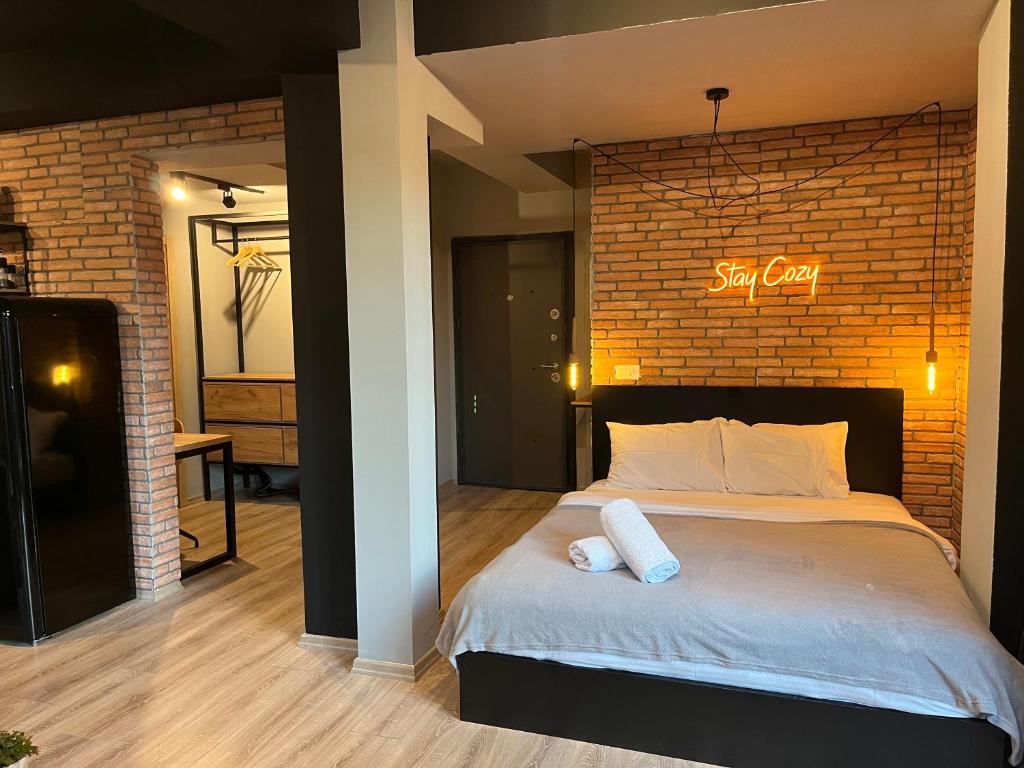


Today you will drive to Skopje - the city of statues and monuments. It is also a city where Orthodox Christians, Muslims and Catholics live together. The city is a beautiful example of the peaceful coexistence of different religious and ethnic groups.
The city center offers a mix of ancient history, Ottoman culture and modern architecture. It is relatively small, you can easily walk through it.
You will also see modern government buildings, which resemble ancient buildings with their columns and size - this is due to a controversial urban project, which aimed to give the capital a monumental and "ancient" look. Locals, however, find modern copies of ancient buildings rather laughable.
In the city center, you'll find several parking lots that have reasonable hourly/daily rates. I recommend Parking Garage Kresna Uprising. After parking, start exploring the city.
This church experienced a miracle! Its walls were black with candle soot, and in 2012, suddenly the gold color on the icons and frescoes (for example, halos) resurfaced on the walls. Layers of soot and dirt from candle smoke spontaneously removed themselves, revealing the original color of the icons.
Continue to Skopje's most vibrant historical district - the Old Bazaar. The alleys are full of shops with various products, jewelry and souvenirs, as well as cafes, bistros and restaurants.
If you haven't tasted traditional dishes such as tavče gravče (baked beans), ajvar (pepper paste), čevapi (grilled minced meat) or burek (filled pastry made of puff pastry, either savory or sweet) yet, now is the right time. To drink, you can have rose water, local Skopsko beer or real Turkish coffee - the Turkish character of the Old Bazaar in Skopje is the result of more than 500 years of Ottoman rule.
From the bazaar, walk to Kale Fortress. This fortress is a significant historical fortress in Skopje and one of the main symbols of the city. It is located on a hill above the Vardar River and offers a panoramic view of the entire city, the Old Bazaar, and the modern center. Its history dates back to the 4th century. Admission is free.

This iconic 15th-century bridge connects the old and new towns and is a must-see spot. There are several bridges over the Vardar River, but this one is the oldest.
The heart of the modern part of the city is beautifully landscaped, with a fountain, sculptures, and the monumental Alexander the Great statue. However, Alexander the Great has no direct connection to Skopje; rather, a strong symbol was sought to form the modern identity of the city. Officially, the statue is called "Warrior on a Horse." North Macedonia had a dispute with Greece over the statue, for whom Alexander the Great is a symbol of statehood.

From the main square, a wide pedestrian boulevard leads further south into the city to other attractions below. But the shopping street itself is also full of interesting things and, above all, ubiquitous statues. You certainly won't miss the statues of the bull, the lady manager, or the shoeshine boy, for example.

It continues along the shopping street to the Mother Teresa House. Mother Teresa, a famous missionary and Nobel Peace Prize winner, was born here in Skopje in 1910. Her birthplace is now a museum that commemorates her life and mission. Mother Teresa dedicated most of her life to working in the slums of Calcutta - running social houses, hospitals and homes for the dying. Admission is free.
Continue to the Museum of the City of Skopje, dedicated to the history and culture of the city. A large part of it is devoted to the devastating earthquake that struck the city in 1963. It happened at 5:17 in the morning, which is exactly when the clocks on the museum building (originally a railway station) stopped. The stopped clocks are a reminder of this disaster. Admission is free.
It's not just Paris or Rome that have their triumphal arches. You can also find one in the center of Skopje, near the center, built in 2012, symbolizing the history, statehood and pride of Macedonia.
You might be wondering what there is to see at the main post office building. However, this building is a beautiful example of brutalist architecture in a city that was radically rebuilt with modern design elements after the devastating earthquake in 1963. Interestingly, in 2021, the building was selected as one of the '7 Most Endangered Monuments in Europe,' which only proves its architectural and cultural value.


You'll visit the stunning Matka Canyon and take a boat ride to caves, some of which were discovered quite recently in the area. In the afternoon, you'll climb a mountain above Skopje, where you can stay for a beautiful sunset.
Just half an hour from Skopje lies this natural gem – the deep canyon of the Treska River with caves and the possibility of boat trips. It's a beautiful trip, and before entering the canyon, there are several stalls offering boat trips to the caves. The prices are comparable, so it doesn't matter too much which one you choose.
I recommend walking a few hundred meters along the pedestrian path through the canyon along the river before or after the boat trip for beautiful views of the surface and nice photos.

Then move on to this ethno skanzen Makedonske Selo. A beautiful village that will introduce you to local culture, folklore, rural life and the history of crafts. You will walk through several replicas of rural houses, including a small museum and a restaurant. Admission is free

Mount Vodno is the green heart of Skopje and a favorite spot for locals and tourists alike. With an altitude of 1066 m, it offers not only peaceful nature but also breathtaking panoramic views of the city and surrounding mountains.
You can drive up to the middle of the mountain by car, where there is a parking lot. To reach the very top, you can either walk along the marked hiking trails (the walk takes about 2 hours uphill) or take the cable car, whose boarding station is near the parking lot and the journey takes up to 15 minutes.

You definitely won't miss the symbol of the city and the highest point of Mount Vodno. It was built in 2002 to celebrate two thousand years of Christianity in the world and the region of North Macedonia. It stands 66m tall and is visible from a large part of Skopje.

Then drive from the mountain back to the city for dinner. I recommend this restaurant, which offers very high-quality and tasty food. In addition, a live band often plays traditional songs here. They have excellent Shopska salad or fried zucchini with dip, as well as many kinds of meat.
You will travel from Skopje to Sofia. The toll system in Bulgaria is different from that in North Macedonia - you need to buy an electronic vignette in advance here. You buy the vignette only after you have rented a car - the specific license plate number of the vehicle is entered into the system.
Upon arrival in Sofia, you will check into your accommodation. The best way to explore the city is by walking combined with public transport, which is very developed in Sofia. Tickets can be purchased from vending machines in metro stations. The metro stations are clean and the whole system is clear.
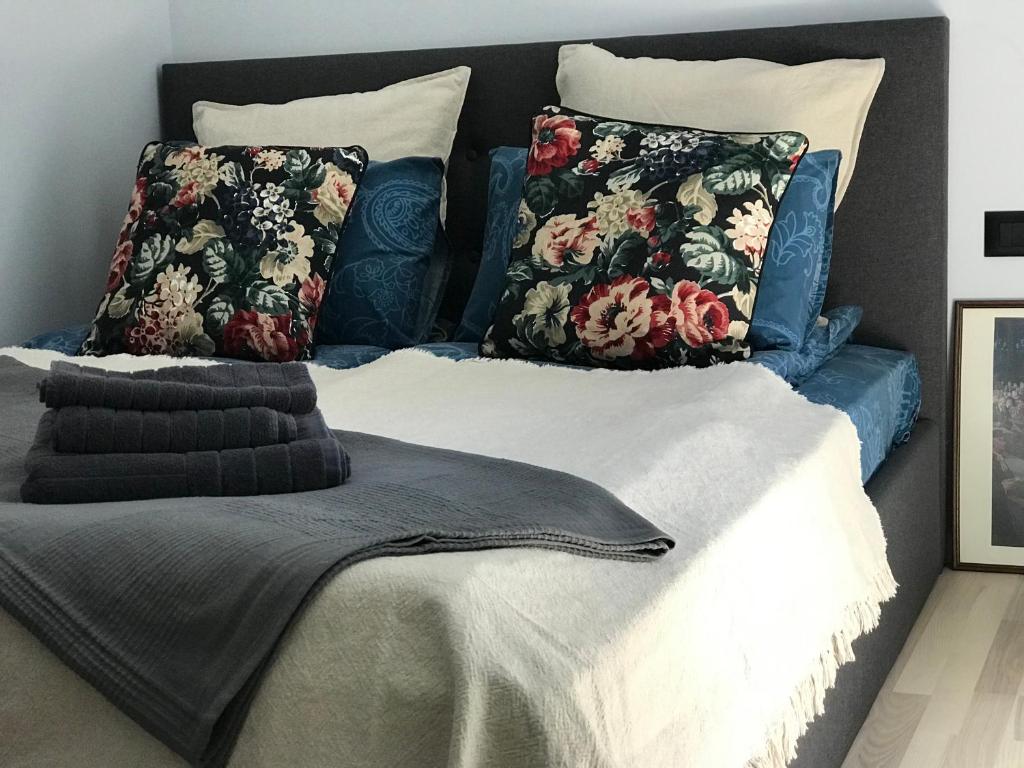


Sofia was originally the city of Serdica (now the name of a metro station in the heart of the city), a Roman settlement was here since the 1st century BC. In the city center you can see the remains of Roman baths and roads - some are right in the metro, because they were found during construction work.
Interestingly, Sofia is greener than most European capitals - more than a third of the city is covered with parkland and greenery.
Take the metro to Serdica station, or walk to the first stop of the day.
We start in the very center of the city (at Todor Alexandrov Boulevard), where the monumental statue called "Sveta Sofia" has stood since 2000. Many visitors mistakenly interpret it as the historical patron of the city, but it is a personification of the city and the concept of Sofia – i.e., Wisdom (Greek sophia). Some residents criticized its appearance and symbolism, saying that it had nothing to do with the city, but most now see it as a modern icon of the city, which replaced the long communist era.
Then proceed to the Serdica excavations. Serdica, the Roman predecessor of today's Sofia, was an important city of the empire, whose streets, baths and walls are now uncovered right in the city center. You can walk around the excavations and ruins and imagine what the city might have looked like in the 3rd-4th centuries. Interestingly, in one covered section, you suddenly walk on stones that fit beautifully into the surroundings, and you realize that these are the original stones from that time. Incredible!

Walk to the former city spa, which is now the Historical Museum of the City. A very nice building with a park and a mineral water spring, where locals often go for water - a natural hot mineral spring rises directly in the city center since the Roman Empire. The water temperature is 46 °C (constant throughout the year) and contains minerals such as sulfur, sodium and calcium. It is recommended to drink slowly, be sure to taste it!
Next, continue to the Presidential Palace, which hides a surprise. Directly in the courtyard is the oldest preserved building in Sofia, dating back to the 4th century. This small brick rotunda stands in the middle of Roman ruins and still serves as a church today.
In addition, you can witness the changing of the presidential guard, which takes place every hour from approximately 9 AM to 6 PM.

Walk along the wide boulevard to the Royal Palace, which is the former residence of the Bulgarian Tsars and is now one of the most important historical buildings in the city center. Now you can visit the National Gallery or the Ethnographic Museum, both of which are located here.
Cross the street to the city park, which is the green heart of the city. People gather here, chat, or play chess at the tables. The dominant feature is a long fountain and the National Theater named after the most famous Bulgarian actor. One of Sofia's most famous shopping streets, Vitosha Boulevard, also leads from the park.
Continue to the Alexander Nevsky Cathedral, which is an icon of the city and is truly majestic. It is the largest Orthodox cathedral in Bulgaria. This monumental building with golden domes was built at the end of the nineteenth century to commemorate the liberation of Bulgaria from Ottoman rule.
Admission is free, but there is a charge for taking photos inside.
From the Temple, you can walk to the next stop or take a bus (line 9) and use your public transport day ticket. When boarding a bus or tram in Sofia, tap your ticket on the reader.
The Red Flat is a traditional apartment and museum that takes you back to life in communist Bulgaria in the 1980s. It is the apartment of an ordinary family, furnished with period furniture, decorations, and appliances. You'll also get an audio guide and hear about life in this communist country. You can browse through books, photo albums, or taste a traditional Bulgarian chocolate candy. It's ideal to book in advance here.
For the next stop, take the metro to G. M. Dimitrov station.
A major reminder of the socialist era in Bulgaria is also the Museum of Socialist Art, mainly paintings and sculptures. Works from other countries, such as China or Hungary, are also exhibited here. Outside, there are statues and a monument collected from various places in Sofia after the fall of the regime. Admission is low and is paid before entering the museum.
Take bus number 67 to the next stop.
At the end of the day, you will leave the socialist theme behind and visit a house that is shaped into a very interesting form - a snail. This is a unique building that has no equal, the house is inhabited and attracts attention with its colorful facade, the building has no straight walls or sharp corners.
For the return trip to your hotel, use public transport again.
You will go on a full-day trip to the city of Plovdiv. Plovdiv is the second largest city in Bulgaria and one of the oldest continuously inhabited cities in Europe, its history spanning over 8 thousand years. Thanks to its strategic location, it has become a cultural and commercial center of the Balkans, and now, thanks to its history, it has many monuments and excavations.
You are arriving in Plovdiv. Park in the parking lot Паркинг Стария Град near the following stop and explore this beautiful town.

Your tour of Plovdiv starts at this archaeological site from the Roman Empire (2nd–4th century AD). This gate served as the main entrance to the city from the east and was part of the extensive fortifications of Roman Plovdiv.
Then, continue on foot along Tsanko Lavrenov Street through the historical city center to the Puldin Fortress located on Nebet Tepe hill. Here you will see the remains of castle walls and towers. Plovdiv is located on seven hills (the city is referred to as the "city of seven hills"). The main peak is Nebet Tepe, where you are currently located. And from the fortress you can see other hills in the surrounding area. Interestingly, the seventh hill, Markovo Tepe, was completely dismantled at the end of the 19th century, and the material from it was used for modern construction of the city.
In the fortress, there is a well-known restaurant worth visiting - Rahat Tepe. You get a large portion of tasty food for a reasonable price - I recommend Shopska salad, tarator (traditional cold soup of yogurt, cucumber and garlic), kavarma (stewed meat with onions, peppers and spices), meshana skara (plate with different kinds of meat (shashlik, chicken, kebabche).
This museum will show you the traditional life, costumes, culture, and crafts of the people in this part of Bulgaria. But the building itself is sure to catch your eye - a beautiful example of Bulgarian Renaissance architecture. Admission is paid at the ticket office.
Continue on foot to another magnificent Renaissance building - the residence of a successful Armenian merchant whose trade routes led all the way to India. The house is very luxurious for its time - you will see richly decorated interiors, a bathroom with a floor heating system and steam baths, or an internal fountain in the main hall.
Even in a historical city like Plovdiv, a Roman amphitheater is a must-see. It was built in the 2nd–3rd century AD.
You might be wondering what you can see in the H&M store besides a lot of clothes? In this store, you can also see the remains of a giant ancient stadium - during the construction work here, as in several places in the city, the ruins of the walls and floors of the stadium were discovered, and you can see them under your feet while shopping for clothes. The whole stadium should be really huge - but the remediation and excavation work would cost a lot of money, so the city decided to let most of this stadium continue to sleep under the living city. A small part was uncovered and is freely accessible.

Today, you'll be heading back home from Sofia Airport. Return the rented car at the airport.
I hope you enjoyed your Balkan trip and that you are returning home full of unforgettable experiences and ubiquitous Shopska salad! See you again sometime in the Balkans!
The Balkans is a region full of contrasts, untamed nature, beautiful scenery, but also hospitable people and excellent local cuisine.
Embark on a Balkan journey through two not-so-touristy but fascinating countries in this region - North Macedonia and Bulgaria.
You will visit a country that is the second most mountainous in Europe after Switzerland, and a country that is the largest producer of rose oil in the world, or you will walk around a city where there was one church for every day of the year, and a city where the largest number of statues and monuments are concentrated together that you have ever seen. And that's just a small taste of what awaits you!
You'll arrive in North Macedonia, pick up your car (according to the instructions you'll receive before departure), and drive to your accommodation. If you have the energy, you can head into town, or leave the exploring for tomorrow. Usually, no visa is required to enter the country if you are a citizen of the European Union, even though North Macedonia is not directly part of the European Union or Schengen. So, a passport or ID card is sufficient, but please verify the entry requirements specifically for your home country.
The airport is very small, you'll get through it quickly, rent a car (according to the instructions you'll receive before departure) and hit the road. If you're tired, head to your accommodation and start exploring tomorrow. If you arrive early and aren't tired, you can go for a walk or into town.
Your Balkan journey begins in Ohrid, a city located on the shores of the giant lake of the same name and a famous vacation destination for locals, as North Macedonia has no access to the sea.
Take a ride along the lake from Ohrid heading south. Lake Ohrid, located on the border of Macedonia and Albania, is one of the oldest and deepest lakes in Europe. It is famous for its clear water, unique nature, many fish species, and the picturesque town of the same name on its shore.
A very pleasant beach is Ljubanishta, which is located near a campsite, has many bars and refreshment stands, and is definitely worth a visit.
Next, continue to the Orthodox Monastery of Saint Naum, which offers a beautiful view of the lake. The monastery is located just before the border with Albania. Saint Naum was a disciple of Cyril and Methodius and one of the important figures in the spread of Christianity in the Balkans. According to legend, you can hear the beating of his heart at the tomb of St. Naum when you put your ear to the stone of the tomb. Can you hear it too?
There is also a beautiful beach near the church, where a cold spring flows into the lake. If you swim, you will definitely notice large temperature differences, because the lake inflow is really icy. On the other hand, such swimming can be refreshing on a hot day. It is definitely worth spending a few hours on one of the beaches. The parking lot at the monastery is huge and free.
You will follow in the footsteps of Cyril and Methodius - Ohrid was an important center of education, it was here that the Glagolitic and Cyrillic alphabets developed and then traveled further into the world.
Exploring Ohrid is best started on the promenade along the lake shore, leading to the very heart of the historical center.
The city of Ohrid, which used to have 365 churches, one for each day of the year, is one of the most beautiful cities in Macedonia. Get lost in its winding, cobbled streets and enjoy the views of the lake. In the historical center, take note of the period Balkan architecture and wooden beams - as individual floors of the houses were added, they moved closer to the center of the street, so they are cantilevered towards the street to give tenants more space.
The most iconic postcard from Ohrid features this view - a small church on a rocky cliff with a beautiful blue lake in the background. Yes, you're in the right place, this is it. A picturesque stone church with stunning views, dating back to the 13th century, is a beautiful example of late Byzantine style. A very photogenic place.
St. Clement of Ohrid founded one of the oldest universities in Europe here in the 9th century. It was here that Old Church Slavonic and Cyrillic were taught, spreading further from here.
Then climb to the fortress, which is named after Samuel (he was the ruler of the First Bulgarian Empire in the 10th century). The fortress stands on the highest point above Ohrid, so you have the whole city and the lake at your fingertips. Ideal for nice photos.
After that, you will descend from the fortress and head towards the amphitheater. This amphitheater dates back to the 2nd century BC and was also used for executions and gladiatorial fights during the Roman period. It is located among narrow streets (it was discovered only in the 1930s) and now continues to serve as an open-air theater.
Continue on foot to the most famous shopping street, which offers many souvenir shops and restaurants. The street is also home to one of the oldest trees in North Macedonia - a giant sycamore (chinar) estimated to be 800-1000 years old.
In the evening, you can stroll along the lake again, where you can see a beautiful sunset over the water.
You will go to a national park high in the mountains. Now the general fact that North Macedonia is the second most mountainous country in Europe will be confirmed. You will also visit a beautifully decorated monastery in the mountains with views and taste traditional food.
Toll highways are paid at toll booths (in cash or by card), similar to Italy.
See one of the most beautiful monasteries in North Macedonia. It dates back to the 11th century and is beautifully renovated and maintained. Situated in the mountains of Mavrovo National Park, it offers a beautiful view of the surrounding landscape.
Below the monastery, you will find a great place for lunch. Very popular among locals and tourists alike - the ethno restaurant Miyaků (an ethnographic group with traditions in crafts, architecture, and gastronomy). The staff is dressed in traditional costumes. I recommend tasting tavče gravče - a traditional Macedonian dish of baked beans, seasoned with paprika and herbs, it is a typical Macedonian dish. Or anything with mutton, which is generally popular in Macedonia.
You will spend the rest of the day in the largest national park of Macedonia - Mavrovo - by the lake of the same name.
A beautiful hiking circuit of about 5 km is around Lake Mavrovo, which offers nice views. If you want to walk further, there are two detours from the lake, the first is 5 km and leads to the Radika waterfalls, the second three-kilometer one will take you to the Golemo Ezero viewpoint.
Today you will drive to Skopje - the city of statues and monuments. It is also a city where Orthodox Christians, Muslims and Catholics live together. The city is a beautiful example of the peaceful coexistence of different religious and ethnic groups.
The city center offers a mix of ancient history, Ottoman culture and modern architecture. It is relatively small, you can easily walk through it.
You will also see modern government buildings, which resemble ancient buildings with their columns and size - this is due to a controversial urban project, which aimed to give the capital a monumental and "ancient" look. Locals, however, find modern copies of ancient buildings rather laughable.
In the city center, you'll find several parking lots that have reasonable hourly/daily rates. I recommend Parking Garage Kresna Uprising. After parking, start exploring the city.
This church experienced a miracle! Its walls were black with candle soot, and in 2012, suddenly the gold color on the icons and frescoes (for example, halos) resurfaced on the walls. Layers of soot and dirt from candle smoke spontaneously removed themselves, revealing the original color of the icons.
Continue to Skopje's most vibrant historical district - the Old Bazaar. The alleys are full of shops with various products, jewelry and souvenirs, as well as cafes, bistros and restaurants.
If you haven't tasted traditional dishes such as tavče gravče (baked beans), ajvar (pepper paste), čevapi (grilled minced meat) or burek (filled pastry made of puff pastry, either savory or sweet) yet, now is the right time. To drink, you can have rose water, local Skopsko beer or real Turkish coffee - the Turkish character of the Old Bazaar in Skopje is the result of more than 500 years of Ottoman rule.
From the bazaar, walk to Kale Fortress. This fortress is a significant historical fortress in Skopje and one of the main symbols of the city. It is located on a hill above the Vardar River and offers a panoramic view of the entire city, the Old Bazaar, and the modern center. Its history dates back to the 4th century. Admission is free.
This iconic 15th-century bridge connects the old and new towns and is a must-see spot. There are several bridges over the Vardar River, but this one is the oldest.
The heart of the modern part of the city is beautifully landscaped, with a fountain, sculptures, and the monumental Alexander the Great statue. However, Alexander the Great has no direct connection to Skopje; rather, a strong symbol was sought to form the modern identity of the city. Officially, the statue is called "Warrior on a Horse." North Macedonia had a dispute with Greece over the statue, for whom Alexander the Great is a symbol of statehood.
From the main square, a wide pedestrian boulevard leads further south into the city to other attractions below. But the shopping street itself is also full of interesting things and, above all, ubiquitous statues. You certainly won't miss the statues of the bull, the lady manager, or the shoeshine boy, for example.
It continues along the shopping street to the Mother Teresa House. Mother Teresa, a famous missionary and Nobel Peace Prize winner, was born here in Skopje in 1910. Her birthplace is now a museum that commemorates her life and mission. Mother Teresa dedicated most of her life to working in the slums of Calcutta - running social houses, hospitals and homes for the dying. Admission is free.
Continue to the Museum of the City of Skopje, dedicated to the history and culture of the city. A large part of it is devoted to the devastating earthquake that struck the city in 1963. It happened at 5:17 in the morning, which is exactly when the clocks on the museum building (originally a railway station) stopped. The stopped clocks are a reminder of this disaster. Admission is free.
It's not just Paris or Rome that have their triumphal arches. You can also find one in the center of Skopje, near the center, built in 2012, symbolizing the history, statehood and pride of Macedonia.
You might be wondering what there is to see at the main post office building. However, this building is a beautiful example of brutalist architecture in a city that was radically rebuilt with modern design elements after the devastating earthquake in 1963. Interestingly, in 2021, the building was selected as one of the '7 Most Endangered Monuments in Europe,' which only proves its architectural and cultural value.
You'll visit the stunning Matka Canyon and take a boat ride to caves, some of which were discovered quite recently in the area. In the afternoon, you'll climb a mountain above Skopje, where you can stay for a beautiful sunset.
Just half an hour from Skopje lies this natural gem – the deep canyon of the Treska River with caves and the possibility of boat trips. It's a beautiful trip, and before entering the canyon, there are several stalls offering boat trips to the caves. The prices are comparable, so it doesn't matter too much which one you choose.
I recommend walking a few hundred meters along the pedestrian path through the canyon along the river before or after the boat trip for beautiful views of the surface and nice photos.
Then move on to this ethno skanzen Makedonske Selo. A beautiful village that will introduce you to local culture, folklore, rural life and the history of crafts. You will walk through several replicas of rural houses, including a small museum and a restaurant. Admission is free
Mount Vodno is the green heart of Skopje and a favorite spot for locals and tourists alike. With an altitude of 1066 m, it offers not only peaceful nature but also breathtaking panoramic views of the city and surrounding mountains.
You can drive up to the middle of the mountain by car, where there is a parking lot. To reach the very top, you can either walk along the marked hiking trails (the walk takes about 2 hours uphill) or take the cable car, whose boarding station is near the parking lot and the journey takes up to 15 minutes.
You definitely won't miss the symbol of the city and the highest point of Mount Vodno. It was built in 2002 to celebrate two thousand years of Christianity in the world and the region of North Macedonia. It stands 66m tall and is visible from a large part of Skopje.
Then drive from the mountain back to the city for dinner. I recommend this restaurant, which offers very high-quality and tasty food. In addition, a live band often plays traditional songs here. They have excellent Shopska salad or fried zucchini with dip, as well as many kinds of meat.
You will travel from Skopje to Sofia. The toll system in Bulgaria is different from that in North Macedonia - you need to buy an electronic vignette in advance here. You buy the vignette only after you have rented a car - the specific license plate number of the vehicle is entered into the system.
Upon arrival in Sofia, you will check into your accommodation. The best way to explore the city is by walking combined with public transport, which is very developed in Sofia. Tickets can be purchased from vending machines in metro stations. The metro stations are clean and the whole system is clear.
Sofia was originally the city of Serdica (now the name of a metro station in the heart of the city), a Roman settlement was here since the 1st century BC. In the city center you can see the remains of Roman baths and roads - some are right in the metro, because they were found during construction work.
Interestingly, Sofia is greener than most European capitals - more than a third of the city is covered with parkland and greenery.
Take the metro to Serdica station, or walk to the first stop of the day.
We start in the very center of the city (at Todor Alexandrov Boulevard), where the monumental statue called "Sveta Sofia" has stood since 2000. Many visitors mistakenly interpret it as the historical patron of the city, but it is a personification of the city and the concept of Sofia – i.e., Wisdom (Greek sophia). Some residents criticized its appearance and symbolism, saying that it had nothing to do with the city, but most now see it as a modern icon of the city, which replaced the long communist era.
Then proceed to the Serdica excavations. Serdica, the Roman predecessor of today's Sofia, was an important city of the empire, whose streets, baths and walls are now uncovered right in the city center. You can walk around the excavations and ruins and imagine what the city might have looked like in the 3rd-4th centuries. Interestingly, in one covered section, you suddenly walk on stones that fit beautifully into the surroundings, and you realize that these are the original stones from that time. Incredible!
Walk to the former city spa, which is now the Historical Museum of the City. A very nice building with a park and a mineral water spring, where locals often go for water - a natural hot mineral spring rises directly in the city center since the Roman Empire. The water temperature is 46 °C (constant throughout the year) and contains minerals such as sulfur, sodium and calcium. It is recommended to drink slowly, be sure to taste it!
Next, continue to the Presidential Palace, which hides a surprise. Directly in the courtyard is the oldest preserved building in Sofia, dating back to the 4th century. This small brick rotunda stands in the middle of Roman ruins and still serves as a church today.
In addition, you can witness the changing of the presidential guard, which takes place every hour from approximately 9 AM to 6 PM.
Walk along the wide boulevard to the Royal Palace, which is the former residence of the Bulgarian Tsars and is now one of the most important historical buildings in the city center. Now you can visit the National Gallery or the Ethnographic Museum, both of which are located here.
Cross the street to the city park, which is the green heart of the city. People gather here, chat, or play chess at the tables. The dominant feature is a long fountain and the National Theater named after the most famous Bulgarian actor. One of Sofia's most famous shopping streets, Vitosha Boulevard, also leads from the park.
Continue to the Alexander Nevsky Cathedral, which is an icon of the city and is truly majestic. It is the largest Orthodox cathedral in Bulgaria. This monumental building with golden domes was built at the end of the nineteenth century to commemorate the liberation of Bulgaria from Ottoman rule.
Admission is free, but there is a charge for taking photos inside.
From the Temple, you can walk to the next stop or take a bus (line 9) and use your public transport day ticket. When boarding a bus or tram in Sofia, tap your ticket on the reader.
The Red Flat is a traditional apartment and museum that takes you back to life in communist Bulgaria in the 1980s. It is the apartment of an ordinary family, furnished with period furniture, decorations, and appliances. You'll also get an audio guide and hear about life in this communist country. You can browse through books, photo albums, or taste a traditional Bulgarian chocolate candy. It's ideal to book in advance here.
For the next stop, take the metro to G. M. Dimitrov station.
A major reminder of the socialist era in Bulgaria is also the Museum of Socialist Art, mainly paintings and sculptures. Works from other countries, such as China or Hungary, are also exhibited here. Outside, there are statues and a monument collected from various places in Sofia after the fall of the regime. Admission is low and is paid before entering the museum.
Take bus number 67 to the next stop.
At the end of the day, you will leave the socialist theme behind and visit a house that is shaped into a very interesting form - a snail. This is a unique building that has no equal, the house is inhabited and attracts attention with its colorful facade, the building has no straight walls or sharp corners.
For the return trip to your hotel, use public transport again.
You will go on a full-day trip to the city of Plovdiv. Plovdiv is the second largest city in Bulgaria and one of the oldest continuously inhabited cities in Europe, its history spanning over 8 thousand years. Thanks to its strategic location, it has become a cultural and commercial center of the Balkans, and now, thanks to its history, it has many monuments and excavations.
You are arriving in Plovdiv. Park in the parking lot Паркинг Стария Град near the following stop and explore this beautiful town.
Your tour of Plovdiv starts at this archaeological site from the Roman Empire (2nd–4th century AD). This gate served as the main entrance to the city from the east and was part of the extensive fortifications of Roman Plovdiv.
Then, continue on foot along Tsanko Lavrenov Street through the historical city center to the Puldin Fortress located on Nebet Tepe hill. Here you will see the remains of castle walls and towers. Plovdiv is located on seven hills (the city is referred to as the "city of seven hills"). The main peak is Nebet Tepe, where you are currently located. And from the fortress you can see other hills in the surrounding area. Interestingly, the seventh hill, Markovo Tepe, was completely dismantled at the end of the 19th century, and the material from it was used for modern construction of the city.
In the fortress, there is a well-known restaurant worth visiting - Rahat Tepe. You get a large portion of tasty food for a reasonable price - I recommend Shopska salad, tarator (traditional cold soup of yogurt, cucumber and garlic), kavarma (stewed meat with onions, peppers and spices), meshana skara (plate with different kinds of meat (shashlik, chicken, kebabche).
This museum will show you the traditional life, costumes, culture, and crafts of the people in this part of Bulgaria. But the building itself is sure to catch your eye - a beautiful example of Bulgarian Renaissance architecture. Admission is paid at the ticket office.
Continue on foot to another magnificent Renaissance building - the residence of a successful Armenian merchant whose trade routes led all the way to India. The house is very luxurious for its time - you will see richly decorated interiors, a bathroom with a floor heating system and steam baths, or an internal fountain in the main hall.
Even in a historical city like Plovdiv, a Roman amphitheater is a must-see. It was built in the 2nd–3rd century AD.
You might be wondering what you can see in the H&M store besides a lot of clothes? In this store, you can also see the remains of a giant ancient stadium - during the construction work here, as in several places in the city, the ruins of the walls and floors of the stadium were discovered, and you can see them under your feet while shopping for clothes. The whole stadium should be really huge - but the remediation and excavation work would cost a lot of money, so the city decided to let most of this stadium continue to sleep under the living city. A small part was uncovered and is freely accessible.
Today, you'll be heading back home from Sofia Airport. Return the rented car at the airport.
I hope you enjoyed your Balkan trip and that you are returning home full of unforgettable experiences and ubiquitous Shopska salad! See you again sometime in the Balkans!




itinerary by Martin Hornak
The Balkans is a region full of contrasts, untamed nature, beautiful scenery, but also hospitable people and excellent local cuisine.
Embark on a Balkan journey through two not-so-touristy but fascinating countries in this region - North Macedonia and Bulgaria.
You will visit a country that is the second most mountainous in Europe after Switzerland, and a country that is the largest producer of rose oil in the world, or you will walk around a city where there was one church for every day of the year, and a city where the largest number of statues and monuments are concentrated together that you have ever seen. And that's just a small taste of what awaits you!
You'll arrive in North Macedonia, pick up your car (according to the instructions you'll receive before departure), and drive to your accommodation. If you have the energy, you can head into town, or leave the exploring for tomorrow. Usually, no visa is required to enter the country if you are a citizen of the European Union, even though North Macedonia is not directly part of the European Union or Schengen. So, a passport or ID card is sufficient, but please verify the entry requirements specifically for your home country.
The airport is very small, you'll get through it quickly, rent a car (according to the instructions you'll receive before departure) and hit the road. If you're tired, head to your accommodation and start exploring tomorrow. If you arrive early and aren't tired, you can go for a walk or into town.
Your Balkan journey begins in Ohrid, a city located on the shores of the giant lake of the same name and a famous vacation destination for locals, as North Macedonia has no access to the sea.
Take a ride along the lake from Ohrid heading south. Lake Ohrid, located on the border of Macedonia and Albania, is one of the oldest and deepest lakes in Europe. It is famous for its clear water, unique nature, many fish species, and the picturesque town of the same name on its shore.
A very pleasant beach is Ljubanishta, which is located near a campsite, has many bars and refreshment stands, and is definitely worth a visit.
Next, continue to the Orthodox Monastery of Saint Naum, which offers a beautiful view of the lake. The monastery is located just before the border with Albania. Saint Naum was a disciple of Cyril and Methodius and one of the important figures in the spread of Christianity in the Balkans. According to legend, you can hear the beating of his heart at the tomb of St. Naum when you put your ear to the stone of the tomb. Can you hear it too?
There is also a beautiful beach near the church, where a cold spring flows into the lake. If you swim, you will definitely notice large temperature differences, because the lake inflow is really icy. On the other hand, such swimming can be refreshing on a hot day. It is definitely worth spending a few hours on one of the beaches. The parking lot at the monastery is huge and free.
You will follow in the footsteps of Cyril and Methodius - Ohrid was an important center of education, it was here that the Glagolitic and Cyrillic alphabets developed and then traveled further into the world.
Exploring Ohrid is best started on the promenade along the lake shore, leading to the very heart of the historical center.
The city of Ohrid, which used to have 365 churches, one for each day of the year, is one of the most beautiful cities in Macedonia. Get lost in its winding, cobbled streets and enjoy the views of the lake. In the historical center, take note of the period Balkan architecture and wooden beams - as individual floors of the houses were added, they moved closer to the center of the street, so they are cantilevered towards the street to give tenants more space.
The most iconic postcard from Ohrid features this view - a small church on a rocky cliff with a beautiful blue lake in the background. Yes, you're in the right place, this is it. A picturesque stone church with stunning views, dating back to the 13th century, is a beautiful example of late Byzantine style. A very photogenic place.
St. Clement of Ohrid founded one of the oldest universities in Europe here in the 9th century. It was here that Old Church Slavonic and Cyrillic were taught, spreading further from here.
Then climb to the fortress, which is named after Samuel (he was the ruler of the First Bulgarian Empire in the 10th century). The fortress stands on the highest point above Ohrid, so you have the whole city and the lake at your fingertips. Ideal for nice photos.
After that, you will descend from the fortress and head towards the amphitheater. This amphitheater dates back to the 2nd century BC and was also used for executions and gladiatorial fights during the Roman period. It is located among narrow streets (it was discovered only in the 1930s) and now continues to serve as an open-air theater.
Continue on foot to the most famous shopping street, which offers many souvenir shops and restaurants. The street is also home to one of the oldest trees in North Macedonia - a giant sycamore (chinar) estimated to be 800-1000 years old.
In the evening, you can stroll along the lake again, where you can see a beautiful sunset over the water.
You will go to a national park high in the mountains. Now the general fact that North Macedonia is the second most mountainous country in Europe will be confirmed. You will also visit a beautifully decorated monastery in the mountains with views and taste traditional food.
Toll highways are paid at toll booths (in cash or by card), similar to Italy.
See one of the most beautiful monasteries in North Macedonia. It dates back to the 11th century and is beautifully renovated and maintained. Situated in the mountains of Mavrovo National Park, it offers a beautiful view of the surrounding landscape.
Below the monastery, you will find a great place for lunch. Very popular among locals and tourists alike - the ethno restaurant Miyaků (an ethnographic group with traditions in crafts, architecture, and gastronomy). The staff is dressed in traditional costumes. I recommend tasting tavče gravče - a traditional Macedonian dish of baked beans, seasoned with paprika and herbs, it is a typical Macedonian dish. Or anything with mutton, which is generally popular in Macedonia.
You will spend the rest of the day in the largest national park of Macedonia - Mavrovo - by the lake of the same name.
A beautiful hiking circuit of about 5 km is around Lake Mavrovo, which offers nice views. If you want to walk further, there are two detours from the lake, the first is 5 km and leads to the Radika waterfalls, the second three-kilometer one will take you to the Golemo Ezero viewpoint.
Today you will drive to Skopje - the city of statues and monuments. It is also a city where Orthodox Christians, Muslims and Catholics live together. The city is a beautiful example of the peaceful coexistence of different religious and ethnic groups.
The city center offers a mix of ancient history, Ottoman culture and modern architecture. It is relatively small, you can easily walk through it.
You will also see modern government buildings, which resemble ancient buildings with their columns and size - this is due to a controversial urban project, which aimed to give the capital a monumental and "ancient" look. Locals, however, find modern copies of ancient buildings rather laughable.
In the city center, you'll find several parking lots that have reasonable hourly/daily rates. I recommend Parking Garage Kresna Uprising. After parking, start exploring the city.
This church experienced a miracle! Its walls were black with candle soot, and in 2012, suddenly the gold color on the icons and frescoes (for example, halos) resurfaced on the walls. Layers of soot and dirt from candle smoke spontaneously removed themselves, revealing the original color of the icons.
Continue to Skopje's most vibrant historical district - the Old Bazaar. The alleys are full of shops with various products, jewelry and souvenirs, as well as cafes, bistros and restaurants.
If you haven't tasted traditional dishes such as tavče gravče (baked beans), ajvar (pepper paste), čevapi (grilled minced meat) or burek (filled pastry made of puff pastry, either savory or sweet) yet, now is the right time. To drink, you can have rose water, local Skopsko beer or real Turkish coffee - the Turkish character of the Old Bazaar in Skopje is the result of more than 500 years of Ottoman rule.
From the bazaar, walk to Kale Fortress. This fortress is a significant historical fortress in Skopje and one of the main symbols of the city. It is located on a hill above the Vardar River and offers a panoramic view of the entire city, the Old Bazaar, and the modern center. Its history dates back to the 4th century. Admission is free.
This iconic 15th-century bridge connects the old and new towns and is a must-see spot. There are several bridges over the Vardar River, but this one is the oldest.
The heart of the modern part of the city is beautifully landscaped, with a fountain, sculptures, and the monumental Alexander the Great statue. However, Alexander the Great has no direct connection to Skopje; rather, a strong symbol was sought to form the modern identity of the city. Officially, the statue is called "Warrior on a Horse." North Macedonia had a dispute with Greece over the statue, for whom Alexander the Great is a symbol of statehood.
From the main square, a wide pedestrian boulevard leads further south into the city to other attractions below. But the shopping street itself is also full of interesting things and, above all, ubiquitous statues. You certainly won't miss the statues of the bull, the lady manager, or the shoeshine boy, for example.
It continues along the shopping street to the Mother Teresa House. Mother Teresa, a famous missionary and Nobel Peace Prize winner, was born here in Skopje in 1910. Her birthplace is now a museum that commemorates her life and mission. Mother Teresa dedicated most of her life to working in the slums of Calcutta - running social houses, hospitals and homes for the dying. Admission is free.
Continue to the Museum of the City of Skopje, dedicated to the history and culture of the city. A large part of it is devoted to the devastating earthquake that struck the city in 1963. It happened at 5:17 in the morning, which is exactly when the clocks on the museum building (originally a railway station) stopped. The stopped clocks are a reminder of this disaster. Admission is free.
It's not just Paris or Rome that have their triumphal arches. You can also find one in the center of Skopje, near the center, built in 2012, symbolizing the history, statehood and pride of Macedonia.
You might be wondering what there is to see at the main post office building. However, this building is a beautiful example of brutalist architecture in a city that was radically rebuilt with modern design elements after the devastating earthquake in 1963. Interestingly, in 2021, the building was selected as one of the '7 Most Endangered Monuments in Europe,' which only proves its architectural and cultural value.
You'll visit the stunning Matka Canyon and take a boat ride to caves, some of which were discovered quite recently in the area. In the afternoon, you'll climb a mountain above Skopje, where you can stay for a beautiful sunset.
Just half an hour from Skopje lies this natural gem – the deep canyon of the Treska River with caves and the possibility of boat trips. It's a beautiful trip, and before entering the canyon, there are several stalls offering boat trips to the caves. The prices are comparable, so it doesn't matter too much which one you choose.
I recommend walking a few hundred meters along the pedestrian path through the canyon along the river before or after the boat trip for beautiful views of the surface and nice photos.
Then move on to this ethno skanzen Makedonske Selo. A beautiful village that will introduce you to local culture, folklore, rural life and the history of crafts. You will walk through several replicas of rural houses, including a small museum and a restaurant. Admission is free
Mount Vodno is the green heart of Skopje and a favorite spot for locals and tourists alike. With an altitude of 1066 m, it offers not only peaceful nature but also breathtaking panoramic views of the city and surrounding mountains.
You can drive up to the middle of the mountain by car, where there is a parking lot. To reach the very top, you can either walk along the marked hiking trails (the walk takes about 2 hours uphill) or take the cable car, whose boarding station is near the parking lot and the journey takes up to 15 minutes.
You definitely won't miss the symbol of the city and the highest point of Mount Vodno. It was built in 2002 to celebrate two thousand years of Christianity in the world and the region of North Macedonia. It stands 66m tall and is visible from a large part of Skopje.
Then drive from the mountain back to the city for dinner. I recommend this restaurant, which offers very high-quality and tasty food. In addition, a live band often plays traditional songs here. They have excellent Shopska salad or fried zucchini with dip, as well as many kinds of meat.
You will travel from Skopje to Sofia. The toll system in Bulgaria is different from that in North Macedonia - you need to buy an electronic vignette in advance here. You buy the vignette only after you have rented a car - the specific license plate number of the vehicle is entered into the system.
Upon arrival in Sofia, you will check into your accommodation. The best way to explore the city is by walking combined with public transport, which is very developed in Sofia. Tickets can be purchased from vending machines in metro stations. The metro stations are clean and the whole system is clear.
Sofia was originally the city of Serdica (now the name of a metro station in the heart of the city), a Roman settlement was here since the 1st century BC. In the city center you can see the remains of Roman baths and roads - some are right in the metro, because they were found during construction work.
Interestingly, Sofia is greener than most European capitals - more than a third of the city is covered with parkland and greenery.
Take the metro to Serdica station, or walk to the first stop of the day.
We start in the very center of the city (at Todor Alexandrov Boulevard), where the monumental statue called "Sveta Sofia" has stood since 2000. Many visitors mistakenly interpret it as the historical patron of the city, but it is a personification of the city and the concept of Sofia – i.e., Wisdom (Greek sophia). Some residents criticized its appearance and symbolism, saying that it had nothing to do with the city, but most now see it as a modern icon of the city, which replaced the long communist era.
Then proceed to the Serdica excavations. Serdica, the Roman predecessor of today's Sofia, was an important city of the empire, whose streets, baths and walls are now uncovered right in the city center. You can walk around the excavations and ruins and imagine what the city might have looked like in the 3rd-4th centuries. Interestingly, in one covered section, you suddenly walk on stones that fit beautifully into the surroundings, and you realize that these are the original stones from that time. Incredible!
Walk to the former city spa, which is now the Historical Museum of the City. A very nice building with a park and a mineral water spring, where locals often go for water - a natural hot mineral spring rises directly in the city center since the Roman Empire. The water temperature is 46 °C (constant throughout the year) and contains minerals such as sulfur, sodium and calcium. It is recommended to drink slowly, be sure to taste it!
Next, continue to the Presidential Palace, which hides a surprise. Directly in the courtyard is the oldest preserved building in Sofia, dating back to the 4th century. This small brick rotunda stands in the middle of Roman ruins and still serves as a church today.
In addition, you can witness the changing of the presidential guard, which takes place every hour from approximately 9 AM to 6 PM.
Walk along the wide boulevard to the Royal Palace, which is the former residence of the Bulgarian Tsars and is now one of the most important historical buildings in the city center. Now you can visit the National Gallery or the Ethnographic Museum, both of which are located here.
Cross the street to the city park, which is the green heart of the city. People gather here, chat, or play chess at the tables. The dominant feature is a long fountain and the National Theater named after the most famous Bulgarian actor. One of Sofia's most famous shopping streets, Vitosha Boulevard, also leads from the park.
Continue to the Alexander Nevsky Cathedral, which is an icon of the city and is truly majestic. It is the largest Orthodox cathedral in Bulgaria. This monumental building with golden domes was built at the end of the nineteenth century to commemorate the liberation of Bulgaria from Ottoman rule.
Admission is free, but there is a charge for taking photos inside.
From the Temple, you can walk to the next stop or take a bus (line 9) and use your public transport day ticket. When boarding a bus or tram in Sofia, tap your ticket on the reader.
The Red Flat is a traditional apartment and museum that takes you back to life in communist Bulgaria in the 1980s. It is the apartment of an ordinary family, furnished with period furniture, decorations, and appliances. You'll also get an audio guide and hear about life in this communist country. You can browse through books, photo albums, or taste a traditional Bulgarian chocolate candy. It's ideal to book in advance here.
For the next stop, take the metro to G. M. Dimitrov station.
A major reminder of the socialist era in Bulgaria is also the Museum of Socialist Art, mainly paintings and sculptures. Works from other countries, such as China or Hungary, are also exhibited here. Outside, there are statues and a monument collected from various places in Sofia after the fall of the regime. Admission is low and is paid before entering the museum.
Take bus number 67 to the next stop.
At the end of the day, you will leave the socialist theme behind and visit a house that is shaped into a very interesting form - a snail. This is a unique building that has no equal, the house is inhabited and attracts attention with its colorful facade, the building has no straight walls or sharp corners.
For the return trip to your hotel, use public transport again.
You will go on a full-day trip to the city of Plovdiv. Plovdiv is the second largest city in Bulgaria and one of the oldest continuously inhabited cities in Europe, its history spanning over 8 thousand years. Thanks to its strategic location, it has become a cultural and commercial center of the Balkans, and now, thanks to its history, it has many monuments and excavations.
You are arriving in Plovdiv. Park in the parking lot Паркинг Стария Град near the following stop and explore this beautiful town.
Your tour of Plovdiv starts at this archaeological site from the Roman Empire (2nd–4th century AD). This gate served as the main entrance to the city from the east and was part of the extensive fortifications of Roman Plovdiv.
Then, continue on foot along Tsanko Lavrenov Street through the historical city center to the Puldin Fortress located on Nebet Tepe hill. Here you will see the remains of castle walls and towers. Plovdiv is located on seven hills (the city is referred to as the "city of seven hills"). The main peak is Nebet Tepe, where you are currently located. And from the fortress you can see other hills in the surrounding area. Interestingly, the seventh hill, Markovo Tepe, was completely dismantled at the end of the 19th century, and the material from it was used for modern construction of the city.
In the fortress, there is a well-known restaurant worth visiting - Rahat Tepe. You get a large portion of tasty food for a reasonable price - I recommend Shopska salad, tarator (traditional cold soup of yogurt, cucumber and garlic), kavarma (stewed meat with onions, peppers and spices), meshana skara (plate with different kinds of meat (shashlik, chicken, kebabche).
This museum will show you the traditional life, costumes, culture, and crafts of the people in this part of Bulgaria. But the building itself is sure to catch your eye - a beautiful example of Bulgarian Renaissance architecture. Admission is paid at the ticket office.
Continue on foot to another magnificent Renaissance building - the residence of a successful Armenian merchant whose trade routes led all the way to India. The house is very luxurious for its time - you will see richly decorated interiors, a bathroom with a floor heating system and steam baths, or an internal fountain in the main hall.
Even in a historical city like Plovdiv, a Roman amphitheater is a must-see. It was built in the 2nd–3rd century AD.
You might be wondering what you can see in the H&M store besides a lot of clothes? In this store, you can also see the remains of a giant ancient stadium - during the construction work here, as in several places in the city, the ruins of the walls and floors of the stadium were discovered, and you can see them under your feet while shopping for clothes. The whole stadium should be really huge - but the remediation and excavation work would cost a lot of money, so the city decided to let most of this stadium continue to sleep under the living city. A small part was uncovered and is freely accessible.
Today, you'll be heading back home from Sofia Airport. Return the rented car at the airport.
I hope you enjoyed your Balkan trip and that you are returning home full of unforgettable experiences and ubiquitous Shopska salad! See you again sometime in the Balkans!
The Balkans is a region full of contrasts, untamed nature, beautiful scenery, but also hospitable people and excellent local cuisine.
Embark on a Balkan journey through two not-so-touristy but fascinating countries in this region - North Macedonia and Bulgaria.
You will visit a country that is the second most mountainous in Europe after Switzerland, and a country that is the largest producer of rose oil in the world, or you will walk around a city where there was one church for every day of the year, and a city where the largest number of statues and monuments are concentrated together that you have ever seen. And that's just a small taste of what awaits you!
You'll arrive in North Macedonia, pick up your car (according to the instructions you'll receive before departure), and drive to your accommodation. If you have the energy, you can head into town, or leave the exploring for tomorrow. Usually, no visa is required to enter the country if you are a citizen of the European Union, even though North Macedonia is not directly part of the European Union or Schengen. So, a passport or ID card is sufficient, but please verify the entry requirements specifically for your home country.
The airport is very small, you'll get through it quickly, rent a car (according to the instructions you'll receive before departure) and hit the road. If you're tired, head to your accommodation and start exploring tomorrow. If you arrive early and aren't tired, you can go for a walk or into town.
Your Balkan journey begins in Ohrid, a city located on the shores of the giant lake of the same name and a famous vacation destination for locals, as North Macedonia has no access to the sea.
Take a ride along the lake from Ohrid heading south. Lake Ohrid, located on the border of Macedonia and Albania, is one of the oldest and deepest lakes in Europe. It is famous for its clear water, unique nature, many fish species, and the picturesque town of the same name on its shore.
A very pleasant beach is Ljubanishta, which is located near a campsite, has many bars and refreshment stands, and is definitely worth a visit.
Next, continue to the Orthodox Monastery of Saint Naum, which offers a beautiful view of the lake. The monastery is located just before the border with Albania. Saint Naum was a disciple of Cyril and Methodius and one of the important figures in the spread of Christianity in the Balkans. According to legend, you can hear the beating of his heart at the tomb of St. Naum when you put your ear to the stone of the tomb. Can you hear it too?
There is also a beautiful beach near the church, where a cold spring flows into the lake. If you swim, you will definitely notice large temperature differences, because the lake inflow is really icy. On the other hand, such swimming can be refreshing on a hot day. It is definitely worth spending a few hours on one of the beaches. The parking lot at the monastery is huge and free.
You will follow in the footsteps of Cyril and Methodius - Ohrid was an important center of education, it was here that the Glagolitic and Cyrillic alphabets developed and then traveled further into the world.
Exploring Ohrid is best started on the promenade along the lake shore, leading to the very heart of the historical center.
The city of Ohrid, which used to have 365 churches, one for each day of the year, is one of the most beautiful cities in Macedonia. Get lost in its winding, cobbled streets and enjoy the views of the lake. In the historical center, take note of the period Balkan architecture and wooden beams - as individual floors of the houses were added, they moved closer to the center of the street, so they are cantilevered towards the street to give tenants more space.
The most iconic postcard from Ohrid features this view - a small church on a rocky cliff with a beautiful blue lake in the background. Yes, you're in the right place, this is it. A picturesque stone church with stunning views, dating back to the 13th century, is a beautiful example of late Byzantine style. A very photogenic place.
St. Clement of Ohrid founded one of the oldest universities in Europe here in the 9th century. It was here that Old Church Slavonic and Cyrillic were taught, spreading further from here.
Then climb to the fortress, which is named after Samuel (he was the ruler of the First Bulgarian Empire in the 10th century). The fortress stands on the highest point above Ohrid, so you have the whole city and the lake at your fingertips. Ideal for nice photos.
After that, you will descend from the fortress and head towards the amphitheater. This amphitheater dates back to the 2nd century BC and was also used for executions and gladiatorial fights during the Roman period. It is located among narrow streets (it was discovered only in the 1930s) and now continues to serve as an open-air theater.
Continue on foot to the most famous shopping street, which offers many souvenir shops and restaurants. The street is also home to one of the oldest trees in North Macedonia - a giant sycamore (chinar) estimated to be 800-1000 years old.
In the evening, you can stroll along the lake again, where you can see a beautiful sunset over the water.
You will go to a national park high in the mountains. Now the general fact that North Macedonia is the second most mountainous country in Europe will be confirmed. You will also visit a beautifully decorated monastery in the mountains with views and taste traditional food.
Toll highways are paid at toll booths (in cash or by card), similar to Italy.
See one of the most beautiful monasteries in North Macedonia. It dates back to the 11th century and is beautifully renovated and maintained. Situated in the mountains of Mavrovo National Park, it offers a beautiful view of the surrounding landscape.
Below the monastery, you will find a great place for lunch. Very popular among locals and tourists alike - the ethno restaurant Miyaků (an ethnographic group with traditions in crafts, architecture, and gastronomy). The staff is dressed in traditional costumes. I recommend tasting tavče gravče - a traditional Macedonian dish of baked beans, seasoned with paprika and herbs, it is a typical Macedonian dish. Or anything with mutton, which is generally popular in Macedonia.
You will spend the rest of the day in the largest national park of Macedonia - Mavrovo - by the lake of the same name.
A beautiful hiking circuit of about 5 km is around Lake Mavrovo, which offers nice views. If you want to walk further, there are two detours from the lake, the first is 5 km and leads to the Radika waterfalls, the second three-kilometer one will take you to the Golemo Ezero viewpoint.
Today you will drive to Skopje - the city of statues and monuments. It is also a city where Orthodox Christians, Muslims and Catholics live together. The city is a beautiful example of the peaceful coexistence of different religious and ethnic groups.
The city center offers a mix of ancient history, Ottoman culture and modern architecture. It is relatively small, you can easily walk through it.
You will also see modern government buildings, which resemble ancient buildings with their columns and size - this is due to a controversial urban project, which aimed to give the capital a monumental and "ancient" look. Locals, however, find modern copies of ancient buildings rather laughable.
In the city center, you'll find several parking lots that have reasonable hourly/daily rates. I recommend Parking Garage Kresna Uprising. After parking, start exploring the city.
This church experienced a miracle! Its walls were black with candle soot, and in 2012, suddenly the gold color on the icons and frescoes (for example, halos) resurfaced on the walls. Layers of soot and dirt from candle smoke spontaneously removed themselves, revealing the original color of the icons.
Continue to Skopje's most vibrant historical district - the Old Bazaar. The alleys are full of shops with various products, jewelry and souvenirs, as well as cafes, bistros and restaurants.
If you haven't tasted traditional dishes such as tavče gravče (baked beans), ajvar (pepper paste), čevapi (grilled minced meat) or burek (filled pastry made of puff pastry, either savory or sweet) yet, now is the right time. To drink, you can have rose water, local Skopsko beer or real Turkish coffee - the Turkish character of the Old Bazaar in Skopje is the result of more than 500 years of Ottoman rule.
From the bazaar, walk to Kale Fortress. This fortress is a significant historical fortress in Skopje and one of the main symbols of the city. It is located on a hill above the Vardar River and offers a panoramic view of the entire city, the Old Bazaar, and the modern center. Its history dates back to the 4th century. Admission is free.
This iconic 15th-century bridge connects the old and new towns and is a must-see spot. There are several bridges over the Vardar River, but this one is the oldest.
The heart of the modern part of the city is beautifully landscaped, with a fountain, sculptures, and the monumental Alexander the Great statue. However, Alexander the Great has no direct connection to Skopje; rather, a strong symbol was sought to form the modern identity of the city. Officially, the statue is called "Warrior on a Horse." North Macedonia had a dispute with Greece over the statue, for whom Alexander the Great is a symbol of statehood.
From the main square, a wide pedestrian boulevard leads further south into the city to other attractions below. But the shopping street itself is also full of interesting things and, above all, ubiquitous statues. You certainly won't miss the statues of the bull, the lady manager, or the shoeshine boy, for example.
It continues along the shopping street to the Mother Teresa House. Mother Teresa, a famous missionary and Nobel Peace Prize winner, was born here in Skopje in 1910. Her birthplace is now a museum that commemorates her life and mission. Mother Teresa dedicated most of her life to working in the slums of Calcutta - running social houses, hospitals and homes for the dying. Admission is free.
Continue to the Museum of the City of Skopje, dedicated to the history and culture of the city. A large part of it is devoted to the devastating earthquake that struck the city in 1963. It happened at 5:17 in the morning, which is exactly when the clocks on the museum building (originally a railway station) stopped. The stopped clocks are a reminder of this disaster. Admission is free.
It's not just Paris or Rome that have their triumphal arches. You can also find one in the center of Skopje, near the center, built in 2012, symbolizing the history, statehood and pride of Macedonia.
You might be wondering what there is to see at the main post office building. However, this building is a beautiful example of brutalist architecture in a city that was radically rebuilt with modern design elements after the devastating earthquake in 1963. Interestingly, in 2021, the building was selected as one of the '7 Most Endangered Monuments in Europe,' which only proves its architectural and cultural value.
You'll visit the stunning Matka Canyon and take a boat ride to caves, some of which were discovered quite recently in the area. In the afternoon, you'll climb a mountain above Skopje, where you can stay for a beautiful sunset.
Just half an hour from Skopje lies this natural gem – the deep canyon of the Treska River with caves and the possibility of boat trips. It's a beautiful trip, and before entering the canyon, there are several stalls offering boat trips to the caves. The prices are comparable, so it doesn't matter too much which one you choose.
I recommend walking a few hundred meters along the pedestrian path through the canyon along the river before or after the boat trip for beautiful views of the surface and nice photos.
Then move on to this ethno skanzen Makedonske Selo. A beautiful village that will introduce you to local culture, folklore, rural life and the history of crafts. You will walk through several replicas of rural houses, including a small museum and a restaurant. Admission is free
Mount Vodno is the green heart of Skopje and a favorite spot for locals and tourists alike. With an altitude of 1066 m, it offers not only peaceful nature but also breathtaking panoramic views of the city and surrounding mountains.
You can drive up to the middle of the mountain by car, where there is a parking lot. To reach the very top, you can either walk along the marked hiking trails (the walk takes about 2 hours uphill) or take the cable car, whose boarding station is near the parking lot and the journey takes up to 15 minutes.
You definitely won't miss the symbol of the city and the highest point of Mount Vodno. It was built in 2002 to celebrate two thousand years of Christianity in the world and the region of North Macedonia. It stands 66m tall and is visible from a large part of Skopje.
Then drive from the mountain back to the city for dinner. I recommend this restaurant, which offers very high-quality and tasty food. In addition, a live band often plays traditional songs here. They have excellent Shopska salad or fried zucchini with dip, as well as many kinds of meat.
You will travel from Skopje to Sofia. The toll system in Bulgaria is different from that in North Macedonia - you need to buy an electronic vignette in advance here. You buy the vignette only after you have rented a car - the specific license plate number of the vehicle is entered into the system.
Upon arrival in Sofia, you will check into your accommodation. The best way to explore the city is by walking combined with public transport, which is very developed in Sofia. Tickets can be purchased from vending machines in metro stations. The metro stations are clean and the whole system is clear.
Sofia was originally the city of Serdica (now the name of a metro station in the heart of the city), a Roman settlement was here since the 1st century BC. In the city center you can see the remains of Roman baths and roads - some are right in the metro, because they were found during construction work.
Interestingly, Sofia is greener than most European capitals - more than a third of the city is covered with parkland and greenery.
Take the metro to Serdica station, or walk to the first stop of the day.
We start in the very center of the city (at Todor Alexandrov Boulevard), where the monumental statue called "Sveta Sofia" has stood since 2000. Many visitors mistakenly interpret it as the historical patron of the city, but it is a personification of the city and the concept of Sofia – i.e., Wisdom (Greek sophia). Some residents criticized its appearance and symbolism, saying that it had nothing to do with the city, but most now see it as a modern icon of the city, which replaced the long communist era.
Then proceed to the Serdica excavations. Serdica, the Roman predecessor of today's Sofia, was an important city of the empire, whose streets, baths and walls are now uncovered right in the city center. You can walk around the excavations and ruins and imagine what the city might have looked like in the 3rd-4th centuries. Interestingly, in one covered section, you suddenly walk on stones that fit beautifully into the surroundings, and you realize that these are the original stones from that time. Incredible!
Walk to the former city spa, which is now the Historical Museum of the City. A very nice building with a park and a mineral water spring, where locals often go for water - a natural hot mineral spring rises directly in the city center since the Roman Empire. The water temperature is 46 °C (constant throughout the year) and contains minerals such as sulfur, sodium and calcium. It is recommended to drink slowly, be sure to taste it!
Next, continue to the Presidential Palace, which hides a surprise. Directly in the courtyard is the oldest preserved building in Sofia, dating back to the 4th century. This small brick rotunda stands in the middle of Roman ruins and still serves as a church today.
In addition, you can witness the changing of the presidential guard, which takes place every hour from approximately 9 AM to 6 PM.
Walk along the wide boulevard to the Royal Palace, which is the former residence of the Bulgarian Tsars and is now one of the most important historical buildings in the city center. Now you can visit the National Gallery or the Ethnographic Museum, both of which are located here.
Cross the street to the city park, which is the green heart of the city. People gather here, chat, or play chess at the tables. The dominant feature is a long fountain and the National Theater named after the most famous Bulgarian actor. One of Sofia's most famous shopping streets, Vitosha Boulevard, also leads from the park.
Continue to the Alexander Nevsky Cathedral, which is an icon of the city and is truly majestic. It is the largest Orthodox cathedral in Bulgaria. This monumental building with golden domes was built at the end of the nineteenth century to commemorate the liberation of Bulgaria from Ottoman rule.
Admission is free, but there is a charge for taking photos inside.
From the Temple, you can walk to the next stop or take a bus (line 9) and use your public transport day ticket. When boarding a bus or tram in Sofia, tap your ticket on the reader.
The Red Flat is a traditional apartment and museum that takes you back to life in communist Bulgaria in the 1980s. It is the apartment of an ordinary family, furnished with period furniture, decorations, and appliances. You'll also get an audio guide and hear about life in this communist country. You can browse through books, photo albums, or taste a traditional Bulgarian chocolate candy. It's ideal to book in advance here.
For the next stop, take the metro to G. M. Dimitrov station.
A major reminder of the socialist era in Bulgaria is also the Museum of Socialist Art, mainly paintings and sculptures. Works from other countries, such as China or Hungary, are also exhibited here. Outside, there are statues and a monument collected from various places in Sofia after the fall of the regime. Admission is low and is paid before entering the museum.
Take bus number 67 to the next stop.
At the end of the day, you will leave the socialist theme behind and visit a house that is shaped into a very interesting form - a snail. This is a unique building that has no equal, the house is inhabited and attracts attention with its colorful facade, the building has no straight walls or sharp corners.
For the return trip to your hotel, use public transport again.
You will go on a full-day trip to the city of Plovdiv. Plovdiv is the second largest city in Bulgaria and one of the oldest continuously inhabited cities in Europe, its history spanning over 8 thousand years. Thanks to its strategic location, it has become a cultural and commercial center of the Balkans, and now, thanks to its history, it has many monuments and excavations.
You are arriving in Plovdiv. Park in the parking lot Паркинг Стария Град near the following stop and explore this beautiful town.
Your tour of Plovdiv starts at this archaeological site from the Roman Empire (2nd–4th century AD). This gate served as the main entrance to the city from the east and was part of the extensive fortifications of Roman Plovdiv.
Then, continue on foot along Tsanko Lavrenov Street through the historical city center to the Puldin Fortress located on Nebet Tepe hill. Here you will see the remains of castle walls and towers. Plovdiv is located on seven hills (the city is referred to as the "city of seven hills"). The main peak is Nebet Tepe, where you are currently located. And from the fortress you can see other hills in the surrounding area. Interestingly, the seventh hill, Markovo Tepe, was completely dismantled at the end of the 19th century, and the material from it was used for modern construction of the city.
In the fortress, there is a well-known restaurant worth visiting - Rahat Tepe. You get a large portion of tasty food for a reasonable price - I recommend Shopska salad, tarator (traditional cold soup of yogurt, cucumber and garlic), kavarma (stewed meat with onions, peppers and spices), meshana skara (plate with different kinds of meat (shashlik, chicken, kebabche).
This museum will show you the traditional life, costumes, culture, and crafts of the people in this part of Bulgaria. But the building itself is sure to catch your eye - a beautiful example of Bulgarian Renaissance architecture. Admission is paid at the ticket office.
Continue on foot to another magnificent Renaissance building - the residence of a successful Armenian merchant whose trade routes led all the way to India. The house is very luxurious for its time - you will see richly decorated interiors, a bathroom with a floor heating system and steam baths, or an internal fountain in the main hall.
Even in a historical city like Plovdiv, a Roman amphitheater is a must-see. It was built in the 2nd–3rd century AD.
You might be wondering what you can see in the H&M store besides a lot of clothes? In this store, you can also see the remains of a giant ancient stadium - during the construction work here, as in several places in the city, the ruins of the walls and floors of the stadium were discovered, and you can see them under your feet while shopping for clothes. The whole stadium should be really huge - but the remediation and excavation work would cost a lot of money, so the city decided to let most of this stadium continue to sleep under the living city. A small part was uncovered and is freely accessible.
Today, you'll be heading back home from Sofia Airport. Return the rented car at the airport.
I hope you enjoyed your Balkan trip and that you are returning home full of unforgettable experiences and ubiquitous Shopska salad! See you again sometime in the Balkans!