This itinerary is ideal for travelers who want a combination of city, history, nature, and the French countryside, as well as a more relaxed pace without having to change hotels every day. Most days include longer walks through historical centers, so comfortable shoes are almost a must. Thanks to the combination of Lyon, Annecy, and Burgundy, the trip also works well as an initial introduction to eastern France. This itinerary combines several very different parts of eastern France - historical Lyon, alpine Annecy, Burgundian monasteries, smaller wine regions, and quieter rural accommodations.
The first part of the trip is dedicated to Lyon, where you'll find Roman monuments, the historical center of Vieux Lyon, modern architecture, and leisurely evening walks along the rivers. The second part of the itinerary gradually moves away from the big cities to the Gorges du Fier, Lake Annecy, the medieval town of Pérouges, or the Burgundy region with the Cluny Abbey and vineyards around Saint-Julien. The itinerary is based more on a relaxed pace, combining shorter transfers, walks, and places where it makes sense to stop for a while. It's not a "checklist chase," but a trip that works even when you just sit in a square, have a glass of wine, and don't worry about anything for a while.
This itinerary is primarily suitable for the period from April 1st to October 15th, as some of the visited monuments, castles, and tourist sites are not open year-round. Additionally, several places also depend on the specific day of the week when they may be closed. Therefore, before traveling, I recommend checking the current opening hours of each place and verifying that the visits align with your dates. The original itinerary was planned from Wednesday to Wednesday, which is reflected in the distribution of individual visits.
The first day is mainly about a comfortable arrival, getting oriented in the city, and a slower pace without unnecessary haste. Arrive in Lyon, transfer to the center via Rhônexpress, and check into accommodation near the Place Jean Jaurès metro station. A more relaxed schedule depending on the arrival time and the possibility of a first walk through the center or a quiet evening around the hotel.
In Lyon, you can purchase the Lyon City Card, which includes the use of public transport, admission to selected museums, and a boat trip on the river. The card is available with or without airport transfer. You can buy it online or directly at the Relay H Airport shop (Terminal 1 and Terminal 2). However, the practical operation is less straightforward than the description might suggest. You cannot automatically travel on public transport with the card. In practice, it is necessary to obtain the corresponding one-day public transport tickets at the Lyon Card kiosk or from the Airport rhoneexpress staff, according to the card's validity period.
The boat trip must then be booked in person at the ONLYLYON Tourism Office on Place Bellecour. Museum visits already work without any issues.
For this reason, the Lyon City Card makes the most sense especially if you plan to visit at least all the museums according to this itinerary or even some extra ones. Otherwise, it doesn't make much sense.
More information on finances:
The trip financially leans towards a mid-range budget. For 3 days (72 hours), you can purchase a Lyon City Card with airport transfer for approximately EUR 77 (more information on the Lyon City Card later in the itinerary). The card covers airport transfer, transport around Lyon, a boat trip, and admission to most of the visited museums. The basic price of admissions and paid activities outside Lyon is approximately EUR 50 per person. When following a standard route according to the itinerary, it is also good to factor in tolls of approximately EUR 40–60 for the entire car. Restaurant prices in France tend to be higher, especially in the touristy parts of Lyon and Annecy. However, I definitely recommend going to a restaurant at least a few times during your stay, tasting local specialties and wine, and fully enjoying French gastronomy. For a cheaper option, I highly recommend French bakeries, where you can buy excellent baguettes, quiche, pastries, and cakes for significantly more affordable prices than in restaurants. Don't be afraid of regular supermarkets either – the selection of French cheeses, cured meats, or local wines is often surprisingly good even in ordinary shops.

To get from Lyon airport to the city center, take the Rhônexpress train. The train is comfortable and clean. At the airport, just follow the Airport Rhônexpress signs, which will take you directly to the platform. It is recommended to buy a return ticket right away, which is more cost-effective. For orientation throughout the trip, it is practical to use Google Maps, which reliably shows combinations of public transport and walking routes in Lyon. Take the Rhônexpress to the final stop, Gare Part-Dieu Villette, where you need to transfer to metro line B. From there, continue towards St-Genis-Laval Hôpital Sud and get off at the Place Jean Jaurès stop. From this stop, it is approximately 550 meters on foot to the hotel. The total travel time from the airport to the accommodation is approximately 60 minutes, depending on the connection of transport.


Connect the most famous historical sites of Lyon, ancient monuments and views of the entire city. A day focused on Lyon's most famous sights - the Fourvière Basilica, the ancient theater, the Odeon and views over the city. In the afternoon, move to the center to Place des Terreaux, the Museum of Fine Arts and the Opera.
We'll walk to the metro B Place Jean Jaurès station, from where we'll take the metro towards Charpennes Charles Hernu. Here, we'll transfer to metro line D towards Gare de Vaise – G. Collomb and get off at the Vieux Lyon – Cathédrale Saint-Jean station.
After exiting the metro, we'll transfer to the F2 funicular, which will take us to the Fourvière stop directly below the basilica.
The Basilica of Notre-Dame de Fourvière is located on a hill above Lyon and is one of its most prominent landmarks. It is known for its rich interior decoration and distinctive silhouette visible from much of the city. It also offers wide views of the entire city of Lyon.
The Esplanade is an open space directly in front of the basilica. It serves as the main viewpoint overlooking the entire city of Lyon. It's a natural point to stop before or after visiting the basilica.
The museum is located on Fourvière hill and is dedicated to the ancient Roman period of Lugdunum.
The museum includes an outdoor area where the ancient theater and odeon are accessible. Admission to the theater and odeon is through the museum ticket office at the top of the complex, and it is possible to skip the museum and go directly to the outdoor exhibition.
At the bottom of the outdoor exhibition is an exit, so it is not necessary to return to the top after the tour.

The remains of the Roman baths show what public hygiene was like in the ancient city. The foundations and parts of the structures have been preserved. The location is quite inconspicuously set in a residential area, so it feels more like a small stop on the way than a major tourist destination. If you are passing by, it makes sense to stop briefly, but it is nothing essential.
Jardin des Curiosités is a small park with an amazing view of Lyon. It offers beautiful panoramic views of the city and the Saône and Rhône rivers.
Place des Terreaux is one of the main squares in the center of Lyon. It is located between the historic city hall and the Museum of Fine Arts. It is known for its fountain by Bartholdi and its lively atmosphere during the day and evening. I recommend sitting for a while in the garden of local restaurants and, for example, having one of the wide selection of beers at Brasserie Leffe.
The Museum of Fine Arts of Lyon is one of the most important museums in France. It is housed in a former Benedictine monastery right on Place des Terreaux. It offers extensive collections from antiquity to modern art. The museum is closed on Tuesdays and public holidays. The museum has a beautiful courtyard with benches, where admission is free.
The Opéra National de Lyon is a significant cultural institution in the city. The building combines a historic facade with a modern glass dome. We can take a look from the outside.
We will walk to the metro station A Hôtel de Ville - Louis Pradel, where we will transfer to metro line B towards St-Genis-Laval Hôpital Sud. We will get off at the Place Jean Jaurès stop, from where it is just a short walk back to the hotel.
The atmosphere of Lyon - historical streets, quays, parks, and a more relaxed exploration of the city. A walk through the historic Vieux Lyon district, traboules, and Place Bellecour. Followed by a boat trip on the river, a visit to the Fresque des Lyonnais, a relaxing Parc de la Tête d'Or, or the modern Confluence Museum.
Saint-Jean-Baptiste Cathedral is located in the historic Vieux Lyon district. The building combines Romanesque and Gothic elements and is best known for its astronomical clock. The square in front of the cathedral is one of the liveliest parts of old Lyon. Around the cathedral are beautiful historic streets with many small, nice restaurants, bakeries and ice cream shops. I recommend going further along Rue Saint Jean.
Traboules are typical passages connecting houses, courtyards, and streets of old Lyon. They originally served residents and merchants as shortcuts between different parts of the city. Today, they are among the most interesting details of the historic center and are worth a short discovery while strolling through the historic streets of Vieux Lyon.
Place Bellecour is one of the largest open squares in France and a major landmark in the center of Lyon. It is located between the historical part of the city and the Presqu'île district and often serves as a starting point for further walks around Lyon.
The dominant feature of the square is the equestrian statue of French King Louis XIV, which is one of the most famous symbols of Lyon. In the southern part of the square, there is also a statue of the writer Antoine de Saint-Exupéry with the Little Prince, commemorating his connection with the city.
In the middle of the square is the ONLYLYON tourist center. If you have a Lyon City Card, you need to arrange your cruise reservation in person at the ONLYLYON tourist center on Place Bellecour.

Taking a boat trip is one of the more peaceful ways to see Lyon from a different perspective. During the cruise, you can see the historical parts of the city, the waterfront, and the more modern districts around the confluence of the Rhône and Saône rivers.
If you have a Lyon City Card, you need to arrange the boat trip reservation in person at the ONLYLYON tourist center on Place Bellecour. If not, you can buy a ticket online or at the ticket office at the pier.
More information here.
While waiting for the boat to depart or after its return, I recommend a short walk along the waterfront, from where there are nice views of the historical center of Lyon and the surrounding bridges and facades of houses along the river. You can also walk along the river to the next stop.
The Fresque des Lyonnais is a giant mural where the most famous personalities associated with Lyon peek out from balconies and windows – from chef Paul Bocuse to the Little Prince by Saint-Exupéry.
Parc de la Tête d'Or is the largest urban park in Lyon and a popular place for relaxation. The park includes extensive lawns, a lake, a botanical garden and a zoo. It is not the main tourist highlight of the city, but if you have more time in Lyon and the weather is nice, it is a very pleasant place for a quieter part of the day.
The botanical garden with greenhouses looks more interesting and well-maintained than the local zoo, which is quite small and may seem more like an addition to the park than a separate attraction. Admission to the botanical garden and zoo is free.
Confluence Museum is one of the most modern museums in Lyon. The building stands at the confluence of the Rhône and Saône rivers and is one of the main architectural landmarks of the city. The exhibitions combine natural sciences, history and anthropology in a modern space. The museum is closed on Mondays.
Pick up the car. The day is more of a road trip, combining the transfer from Lyon with natural stops and medieval monuments. Departure from Lyon by rental car towards Annecy. Stop along the way at Cascade de Glandieu, the dramatic Gorges du Fier, and the romantic Château de Montrottier.
To get to the airport for the rental car, take the same route you took from the airport to the city center.
Pick up your car (according to the instructions you will receive before departure). In France, some sections of the highways are subject to tolls. Therefore, it is not necessary to purchase a highway vignette in advance - just pick up a ticket when entering the highway and then pay the toll at the toll gate when exiting, either by card or in cash. The price is not fixed, on average it ranges between 8 and 14 EUR per 100 km for passenger cars.
On the way to the Gorges du Fier, you can take a short detour to a small waterfall. Parking is available nearby.
The Gorges du Fier are dramatic gorges where you can walk along metal walkways attached high above the wild Fier River. For thousands of years, the water has relentlessly carved its way through the rock, creating a magnificent scenery. A pleasant bonus is that it is refreshingly cool even in the sweltering summer - so for those who feel the cold, I recommend packing an extra piece of clothing. Open 7 days a week without reservation, including public holidays, from March 15 to October 15. Tickets are purchased on site, I recommend buying a combined ticket to the gorge and the castle.

Château de Montrottier is a romantic medieval castle with stone towers, a courtyard, and collections that prove that nobles once really collected absolutely everything. You will find weapons, armor, and strange exotic artifacts brought back from travels, which today seem a bit like a collection of curiosities.
It is only open from April 1st to October 31st. Open every day in July and August, otherwise closed on Mondays and Tuesdays.

After a few more intense days, a calmer pace arrives at Lake Annecy for a relaxing day in the Alpine atmosphere. A full-day visit to Annecy includes a walk around the lake and the historic center interwoven with canals. There is the option of a boat ride, paddle boat, or a relaxing day in one of the most beautiful towns in the French Alps.
If you are in Annecy on Sunday, I recommend this free parking: Annecy Parking (otherwise limited to only 2 hours), so choose another parking lot: Parking Stade Nautique, Parking Tillier.
Annecy is a picturesque town in southeastern France, located on the shores of the Alpine lake of the same name. The historical center is crossed by canals and narrow streets with colorful houses, among the most famous sights are the Palais de l'Isle and the Château d'Annecy.
First, it's nice to take a walk along the lake shore, and I highly recommend buying one of the boat tours offered or renting a paddle boat. Then I recommend heading into the historic city.
The Jardins de l'Europe is a large park on the shores of Lake Annecy, ideal for relaxing during a walk around the city. You will find manicured avenues, mature trees, benches with views of the lake and harbor, and a pleasant shady spot, especially in the summer months. The park connects to the promenade along the lake and is one of the most popular places for a quiet walk or picnic.
The Pont des Amours is an elegant bridge connecting the Jardins de l’Europe park with the promenade on Lake Annecy. It offers a beautiful view of the lake, the surrounding mountains and the canals of the historic center, and is therefore one of the most photographed places in the city.
I recommend buying a ride on a smaller boat here.
A boat ride. I recommend smaller boats that are docked at Pont des Amours, but there is a large selection of different boats in the center.

I recommend heading from the lake to the historical center along the river on this street, and possibly turning into the side streets. Go to the Pont Rue de la République bridge, turn around there, and go to Rue Sainte Claire.
Porte Sainte-Claire is a historic stone gate that was once part of the medieval fortifications of the city of Annecy. It is located on the edge of the old center and still commemorates the period when the city was protected by walls and entry was through this route. I also recommend going back to the lake via the historic center of Rue Sainte Claire and Rue de I'lle.
Annecy Castle Museum is housed in a former castle above the historical center of the city and offers beautiful views of the roofs of Annecy and the surrounding lake. Inside you will find exhibitions focused on the history of the region, Alpine art, sculpture and the nature of the surrounding mountains and lakes. The castle itself, with its stone courtyards and towers, is one of the city's most prominent landmarks and is worth a visit just for the atmosphere of the historical residence. The museum is closed on Tuesdays.
Combine medieval towns, the Burgundy countryside, and elegant French castles. Transfer to Burgundy with a visit to the perfectly preserved town of Pérouges. In the afternoon, tour the elegant Château de Cormatin.
Pérouges is a perfectly preserved medieval town located about 40 kilometers from Lyon, known for its stone houses, cobbled streets, and authentic atmosphere.
I recommend just wandering around the historical center, which is relatively small and still enclosed by medieval walls and gates. The narrow cobbled streets, stone houses, and small squares create an atmosphere that gives Pérouges the charm of almost an open-air museum.

Château de Cormatin is an elegant 17th-century castle surrounded by moats and extensive French gardens. The interiors are surprisingly richly decorated – from gilded ceilings to representative salons that give the impression that the owners have only stepped out for a very long lunch. The complex also includes manicured gardens with a labyrinth, so the visit offers a pleasant combination of history, architecture and a peaceful walk.
Tours always take place at specific times and are usually only in French. An information leaflet in English is available for foreign visitors, which can be used to orient themselves during the tour.
In 2026 open from 4.4 to 2.11. every day.


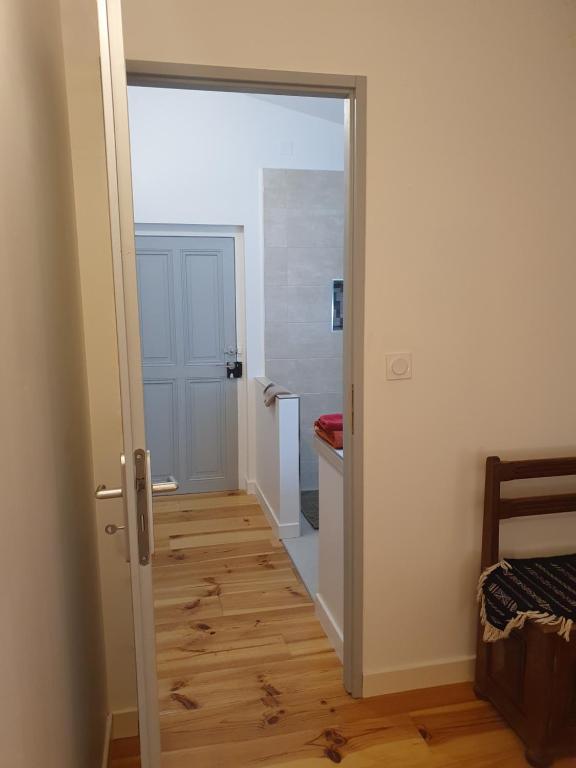

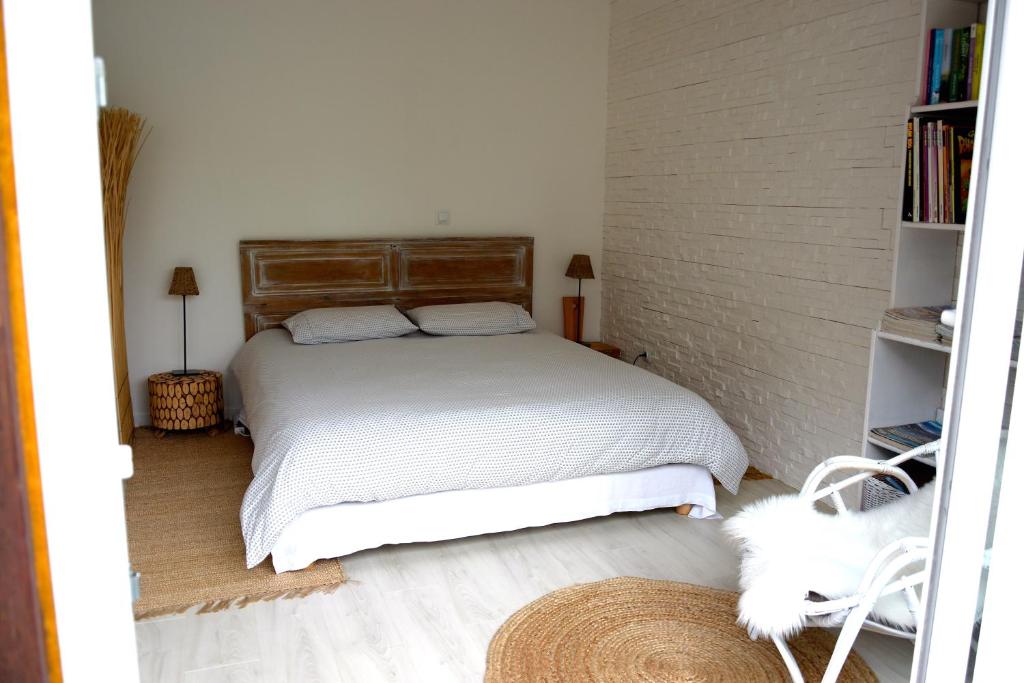
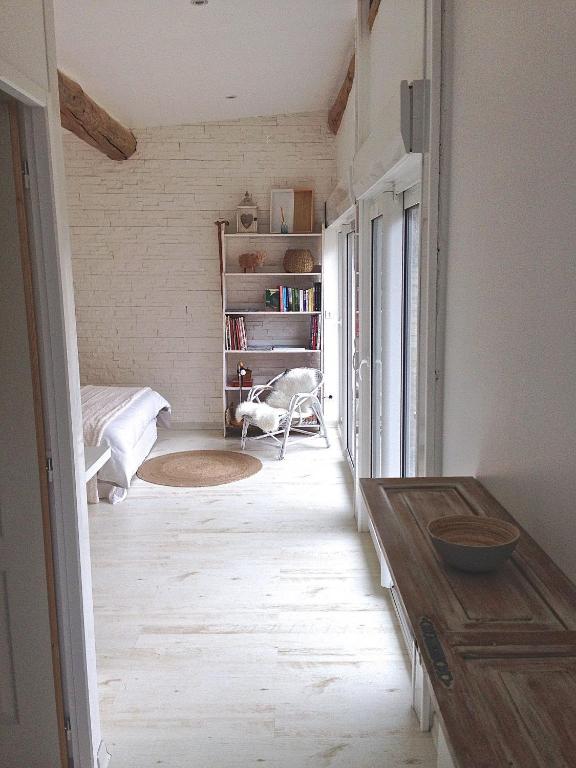
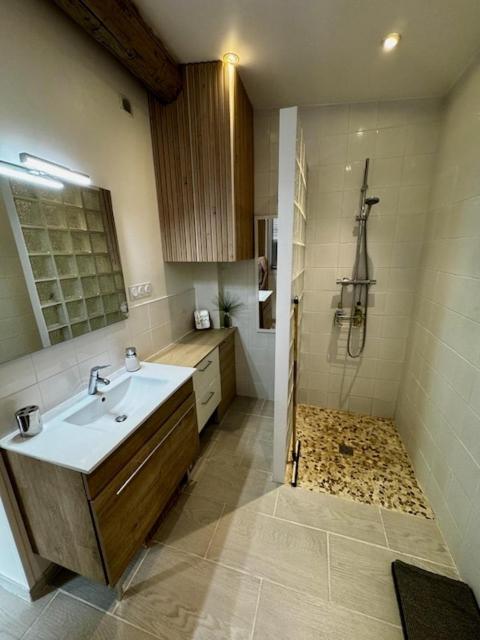
This day is dedicated to the slower pace of Burgundy, its vineyards, and places with a strong historical atmosphere. A more relaxed day in Burgundy - a morning walk through the vineyards, the historical town of Cluny, and the monumental Benedictine abbey. In the evening, there's the option to visit the pilgrimage site of Ars-sur-Formans with the basilica of St. John Vianney.
The accommodation is located directly among the vineyards, so an ideal start to the day is a short walk through the surrounding vineyards. Right behind the house, an inconspicuous path leads through the vineyards, from where there are beautiful views of the Beaujolais landscape and the surrounding hills. For orientation, I recommend using Mapy.cz, which works surprisingly reliably in this area even on smaller roads between vineyards.

Cluny is a smaller historical town in the Burgundy region, best known for its former Benedictine abbey. The town center has a pleasant atmosphere with narrow streets, stone houses, and small cafes. I recommend taking a leisurely stroll through the beautiful historical center.
Cluny Abbey was one of the most important Benedictine monasteries in Europe in the Middle Ages. At that time, it was the largest church in the Christian world, before St. Peter's Basilica in Rome was built. Only part of the original complex has been preserved to this day, but the site still clearly shows the former importance and monumentality of the monastery.
At the same time as the entrance to the monastery, it is also possible to buy a combined ticket to the Cluny Museum of Art and Archaeology. However, the museum is rather small and the exhibition is relatively inconspicuous, so it did not impress me as much as the monastery itself. Unless you have a particular fondness for archaeological finds and historical artifacts, a visit to the main abbey grounds will probably suffice.

The Sanctuary of Ars is an important pilgrimage site associated with Saint John Vianney, known as the "Curé of Ars". The basilica is located in the small town of Ars-sur-Formans near Lyon and remains one of the most important pilgrimage sites in France.
The current basilica was built mainly at the turn of the 19th and 20th centuries in the neo-Byzantine style. The complex also includes the original 12th-century church where St. John Vianney served as a parish priest.
If you have time, the Sanctuary of Ars (Basilica of Ars) is definitely worth a visit, and it's also nice that it's usually open until 7 p.m. Next to the basilica is the historic rectory where Saint John Mary Vianney, known as the Curé of Ars, lived, and which is now open to the public.
The last day is intentionally more relaxed to allow for short stops, a slow morning, or a flexible return to the airport. This is the final day of the itinerary, which can be taken more loosely depending on the time of departure. For example, a short walk around the accommodation or a visit to the Sanctuary of Ars is possible if it was not possible to do so the previous day. Alternatively, the last part of the stay can be used to visit Villefranche-sur-Saône before returning to Lyon–Saint Exupéry Airport.
Villefranche-sur-Saône is a pleasant town north of Lyon, considered the imaginary capital of the Beaujolais wine region. The historical center is mainly formed by the long Rue Nationale street lined with houses with typical light stone and many shops, cafes and restaurants.
The Collegiate Church of Notre-Dame-des-Marais in Villefranche-sur-Saône is the city's most important historical monument and a prominent landmark in the center. The Gothic church began construction in the 12th century and impresses mainly with its richly decorated facade, stained glass windows, and bright interior. Thanks to its location directly on the main street, Rue Nationale, it is an ideal place for a short stop during a walk around the city.
Remember to be at the airport at least 2 hours before departure, return the car and head to your gate.
This itinerary is ideal for travelers who want a combination of city, history, nature, and the French countryside, as well as a more relaxed pace without having to change hotels every day. Most days include longer walks through historical centers, so comfortable shoes are almost a must. Thanks to the combination of Lyon, Annecy, and Burgundy, the trip also works well as an initial introduction to eastern France. This itinerary combines several very different parts of eastern France - historical Lyon, alpine Annecy, Burgundian monasteries, smaller wine regions, and quieter rural accommodations.
The first part of the trip is dedicated to Lyon, where you'll find Roman monuments, the historical center of Vieux Lyon, modern architecture, and leisurely evening walks along the rivers. The second part of the itinerary gradually moves away from the big cities to the Gorges du Fier, Lake Annecy, the medieval town of Pérouges, or the Burgundy region with the Cluny Abbey and vineyards around Saint-Julien. The itinerary is based more on a relaxed pace, combining shorter transfers, walks, and places where it makes sense to stop for a while. It's not a "checklist chase," but a trip that works even when you just sit in a square, have a glass of wine, and don't worry about anything for a while.
This itinerary is primarily suitable for the period from April 1st to October 15th, as some of the visited monuments, castles, and tourist sites are not open year-round. Additionally, several places also depend on the specific day of the week when they may be closed. Therefore, before traveling, I recommend checking the current opening hours of each place and verifying that the visits align with your dates. The original itinerary was planned from Wednesday to Wednesday, which is reflected in the distribution of individual visits.
The first day is mainly about a comfortable arrival, getting oriented in the city, and a slower pace without unnecessary haste. Arrive in Lyon, transfer to the center via Rhônexpress, and check into accommodation near the Place Jean Jaurès metro station. A more relaxed schedule depending on the arrival time and the possibility of a first walk through the center or a quiet evening around the hotel.
In Lyon, you can purchase the Lyon City Card, which includes the use of public transport, admission to selected museums, and a boat trip on the river. The card is available with or without airport transfer. You can buy it online or directly at the Relay H Airport shop (Terminal 1 and Terminal 2). However, the practical operation is less straightforward than the description might suggest. You cannot automatically travel on public transport with the card. In practice, it is necessary to obtain the corresponding one-day public transport tickets at the Lyon Card kiosk or from the Airport rhoneexpress staff, according to the card's validity period.
The boat trip must then be booked in person at the ONLYLYON Tourism Office on Place Bellecour. Museum visits already work without any issues.
For this reason, the Lyon City Card makes the most sense especially if you plan to visit at least all the museums according to this itinerary or even some extra ones. Otherwise, it doesn't make much sense.
More information on finances:
The trip financially leans towards a mid-range budget. For 3 days (72 hours), you can purchase a Lyon City Card with airport transfer for approximately EUR 77 (more information on the Lyon City Card later in the itinerary). The card covers airport transfer, transport around Lyon, a boat trip, and admission to most of the visited museums. The basic price of admissions and paid activities outside Lyon is approximately EUR 50 per person. When following a standard route according to the itinerary, it is also good to factor in tolls of approximately EUR 40–60 for the entire car. Restaurant prices in France tend to be higher, especially in the touristy parts of Lyon and Annecy. However, I definitely recommend going to a restaurant at least a few times during your stay, tasting local specialties and wine, and fully enjoying French gastronomy. For a cheaper option, I highly recommend French bakeries, where you can buy excellent baguettes, quiche, pastries, and cakes for significantly more affordable prices than in restaurants. Don't be afraid of regular supermarkets either – the selection of French cheeses, cured meats, or local wines is often surprisingly good even in ordinary shops.
To get from Lyon airport to the city center, take the Rhônexpress train. The train is comfortable and clean. At the airport, just follow the Airport Rhônexpress signs, which will take you directly to the platform. It is recommended to buy a return ticket right away, which is more cost-effective. For orientation throughout the trip, it is practical to use Google Maps, which reliably shows combinations of public transport and walking routes in Lyon. Take the Rhônexpress to the final stop, Gare Part-Dieu Villette, where you need to transfer to metro line B. From there, continue towards St-Genis-Laval Hôpital Sud and get off at the Place Jean Jaurès stop. From this stop, it is approximately 550 meters on foot to the hotel. The total travel time from the airport to the accommodation is approximately 60 minutes, depending on the connection of transport.
Connect the most famous historical sites of Lyon, ancient monuments and views of the entire city. A day focused on Lyon's most famous sights - the Fourvière Basilica, the ancient theater, the Odeon and views over the city. In the afternoon, move to the center to Place des Terreaux, the Museum of Fine Arts and the Opera.
We'll walk to the metro B Place Jean Jaurès station, from where we'll take the metro towards Charpennes Charles Hernu. Here, we'll transfer to metro line D towards Gare de Vaise – G. Collomb and get off at the Vieux Lyon – Cathédrale Saint-Jean station.
After exiting the metro, we'll transfer to the F2 funicular, which will take us to the Fourvière stop directly below the basilica.
The Basilica of Notre-Dame de Fourvière is located on a hill above Lyon and is one of its most prominent landmarks. It is known for its rich interior decoration and distinctive silhouette visible from much of the city. It also offers wide views of the entire city of Lyon.
The Esplanade is an open space directly in front of the basilica. It serves as the main viewpoint overlooking the entire city of Lyon. It's a natural point to stop before or after visiting the basilica.
The museum is located on Fourvière hill and is dedicated to the ancient Roman period of Lugdunum.
The museum includes an outdoor area where the ancient theater and odeon are accessible. Admission to the theater and odeon is through the museum ticket office at the top of the complex, and it is possible to skip the museum and go directly to the outdoor exhibition.
At the bottom of the outdoor exhibition is an exit, so it is not necessary to return to the top after the tour.
The remains of the Roman baths show what public hygiene was like in the ancient city. The foundations and parts of the structures have been preserved. The location is quite inconspicuously set in a residential area, so it feels more like a small stop on the way than a major tourist destination. If you are passing by, it makes sense to stop briefly, but it is nothing essential.
Jardin des Curiosités is a small park with an amazing view of Lyon. It offers beautiful panoramic views of the city and the Saône and Rhône rivers.
Place des Terreaux is one of the main squares in the center of Lyon. It is located between the historic city hall and the Museum of Fine Arts. It is known for its fountain by Bartholdi and its lively atmosphere during the day and evening. I recommend sitting for a while in the garden of local restaurants and, for example, having one of the wide selection of beers at Brasserie Leffe.
The Museum of Fine Arts of Lyon is one of the most important museums in France. It is housed in a former Benedictine monastery right on Place des Terreaux. It offers extensive collections from antiquity to modern art. The museum is closed on Tuesdays and public holidays. The museum has a beautiful courtyard with benches, where admission is free.
The Opéra National de Lyon is a significant cultural institution in the city. The building combines a historic facade with a modern glass dome. We can take a look from the outside.
We will walk to the metro station A Hôtel de Ville - Louis Pradel, where we will transfer to metro line B towards St-Genis-Laval Hôpital Sud. We will get off at the Place Jean Jaurès stop, from where it is just a short walk back to the hotel.
The atmosphere of Lyon - historical streets, quays, parks, and a more relaxed exploration of the city. A walk through the historic Vieux Lyon district, traboules, and Place Bellecour. Followed by a boat trip on the river, a visit to the Fresque des Lyonnais, a relaxing Parc de la Tête d'Or, or the modern Confluence Museum.
Saint-Jean-Baptiste Cathedral is located in the historic Vieux Lyon district. The building combines Romanesque and Gothic elements and is best known for its astronomical clock. The square in front of the cathedral is one of the liveliest parts of old Lyon. Around the cathedral are beautiful historic streets with many small, nice restaurants, bakeries and ice cream shops. I recommend going further along Rue Saint Jean.
Traboules are typical passages connecting houses, courtyards, and streets of old Lyon. They originally served residents and merchants as shortcuts between different parts of the city. Today, they are among the most interesting details of the historic center and are worth a short discovery while strolling through the historic streets of Vieux Lyon.
Place Bellecour is one of the largest open squares in France and a major landmark in the center of Lyon. It is located between the historical part of the city and the Presqu'île district and often serves as a starting point for further walks around Lyon.
The dominant feature of the square is the equestrian statue of French King Louis XIV, which is one of the most famous symbols of Lyon. In the southern part of the square, there is also a statue of the writer Antoine de Saint-Exupéry with the Little Prince, commemorating his connection with the city.
In the middle of the square is the ONLYLYON tourist center. If you have a Lyon City Card, you need to arrange your cruise reservation in person at the ONLYLYON tourist center on Place Bellecour.
Taking a boat trip is one of the more peaceful ways to see Lyon from a different perspective. During the cruise, you can see the historical parts of the city, the waterfront, and the more modern districts around the confluence of the Rhône and Saône rivers.
If you have a Lyon City Card, you need to arrange the boat trip reservation in person at the ONLYLYON tourist center on Place Bellecour. If not, you can buy a ticket online or at the ticket office at the pier.
More information here.
While waiting for the boat to depart or after its return, I recommend a short walk along the waterfront, from where there are nice views of the historical center of Lyon and the surrounding bridges and facades of houses along the river. You can also walk along the river to the next stop.
The Fresque des Lyonnais is a giant mural where the most famous personalities associated with Lyon peek out from balconies and windows – from chef Paul Bocuse to the Little Prince by Saint-Exupéry.
Parc de la Tête d'Or is the largest urban park in Lyon and a popular place for relaxation. The park includes extensive lawns, a lake, a botanical garden and a zoo. It is not the main tourist highlight of the city, but if you have more time in Lyon and the weather is nice, it is a very pleasant place for a quieter part of the day.
The botanical garden with greenhouses looks more interesting and well-maintained than the local zoo, which is quite small and may seem more like an addition to the park than a separate attraction. Admission to the botanical garden and zoo is free.
Confluence Museum is one of the most modern museums in Lyon. The building stands at the confluence of the Rhône and Saône rivers and is one of the main architectural landmarks of the city. The exhibitions combine natural sciences, history and anthropology in a modern space. The museum is closed on Mondays.
Pick up the car. The day is more of a road trip, combining the transfer from Lyon with natural stops and medieval monuments. Departure from Lyon by rental car towards Annecy. Stop along the way at Cascade de Glandieu, the dramatic Gorges du Fier, and the romantic Château de Montrottier.
To get to the airport for the rental car, take the same route you took from the airport to the city center.
Pick up your car (according to the instructions you will receive before departure). In France, some sections of the highways are subject to tolls. Therefore, it is not necessary to purchase a highway vignette in advance - just pick up a ticket when entering the highway and then pay the toll at the toll gate when exiting, either by card or in cash. The price is not fixed, on average it ranges between 8 and 14 EUR per 100 km for passenger cars.
On the way to the Gorges du Fier, you can take a short detour to a small waterfall. Parking is available nearby.
The Gorges du Fier are dramatic gorges where you can walk along metal walkways attached high above the wild Fier River. For thousands of years, the water has relentlessly carved its way through the rock, creating a magnificent scenery. A pleasant bonus is that it is refreshingly cool even in the sweltering summer - so for those who feel the cold, I recommend packing an extra piece of clothing. Open 7 days a week without reservation, including public holidays, from March 15 to October 15. Tickets are purchased on site, I recommend buying a combined ticket to the gorge and the castle.
Château de Montrottier is a romantic medieval castle with stone towers, a courtyard, and collections that prove that nobles once really collected absolutely everything. You will find weapons, armor, and strange exotic artifacts brought back from travels, which today seem a bit like a collection of curiosities.
It is only open from April 1st to October 31st. Open every day in July and August, otherwise closed on Mondays and Tuesdays.
After a few more intense days, a calmer pace arrives at Lake Annecy for a relaxing day in the Alpine atmosphere. A full-day visit to Annecy includes a walk around the lake and the historic center interwoven with canals. There is the option of a boat ride, paddle boat, or a relaxing day in one of the most beautiful towns in the French Alps.
If you are in Annecy on Sunday, I recommend this free parking: Annecy Parking (otherwise limited to only 2 hours), so choose another parking lot: Parking Stade Nautique, Parking Tillier.
Annecy is a picturesque town in southeastern France, located on the shores of the Alpine lake of the same name. The historical center is crossed by canals and narrow streets with colorful houses, among the most famous sights are the Palais de l'Isle and the Château d'Annecy.
First, it's nice to take a walk along the lake shore, and I highly recommend buying one of the boat tours offered or renting a paddle boat. Then I recommend heading into the historic city.
The Jardins de l'Europe is a large park on the shores of Lake Annecy, ideal for relaxing during a walk around the city. You will find manicured avenues, mature trees, benches with views of the lake and harbor, and a pleasant shady spot, especially in the summer months. The park connects to the promenade along the lake and is one of the most popular places for a quiet walk or picnic.
The Pont des Amours is an elegant bridge connecting the Jardins de l’Europe park with the promenade on Lake Annecy. It offers a beautiful view of the lake, the surrounding mountains and the canals of the historic center, and is therefore one of the most photographed places in the city.
I recommend buying a ride on a smaller boat here.
A boat ride. I recommend smaller boats that are docked at Pont des Amours, but there is a large selection of different boats in the center.
I recommend heading from the lake to the historical center along the river on this street, and possibly turning into the side streets. Go to the Pont Rue de la République bridge, turn around there, and go to Rue Sainte Claire.
Porte Sainte-Claire is a historic stone gate that was once part of the medieval fortifications of the city of Annecy. It is located on the edge of the old center and still commemorates the period when the city was protected by walls and entry was through this route. I also recommend going back to the lake via the historic center of Rue Sainte Claire and Rue de I'lle.
Annecy Castle Museum is housed in a former castle above the historical center of the city and offers beautiful views of the roofs of Annecy and the surrounding lake. Inside you will find exhibitions focused on the history of the region, Alpine art, sculpture and the nature of the surrounding mountains and lakes. The castle itself, with its stone courtyards and towers, is one of the city's most prominent landmarks and is worth a visit just for the atmosphere of the historical residence. The museum is closed on Tuesdays.
Combine medieval towns, the Burgundy countryside, and elegant French castles. Transfer to Burgundy with a visit to the perfectly preserved town of Pérouges. In the afternoon, tour the elegant Château de Cormatin.
Pérouges is a perfectly preserved medieval town located about 40 kilometers from Lyon, known for its stone houses, cobbled streets, and authentic atmosphere.
I recommend just wandering around the historical center, which is relatively small and still enclosed by medieval walls and gates. The narrow cobbled streets, stone houses, and small squares create an atmosphere that gives Pérouges the charm of almost an open-air museum.
Château de Cormatin is an elegant 17th-century castle surrounded by moats and extensive French gardens. The interiors are surprisingly richly decorated – from gilded ceilings to representative salons that give the impression that the owners have only stepped out for a very long lunch. The complex also includes manicured gardens with a labyrinth, so the visit offers a pleasant combination of history, architecture and a peaceful walk.
Tours always take place at specific times and are usually only in French. An information leaflet in English is available for foreign visitors, which can be used to orient themselves during the tour.
In 2026 open from 4.4 to 2.11. every day.
This day is dedicated to the slower pace of Burgundy, its vineyards, and places with a strong historical atmosphere. A more relaxed day in Burgundy - a morning walk through the vineyards, the historical town of Cluny, and the monumental Benedictine abbey. In the evening, there's the option to visit the pilgrimage site of Ars-sur-Formans with the basilica of St. John Vianney.
The accommodation is located directly among the vineyards, so an ideal start to the day is a short walk through the surrounding vineyards. Right behind the house, an inconspicuous path leads through the vineyards, from where there are beautiful views of the Beaujolais landscape and the surrounding hills. For orientation, I recommend using Mapy.cz, which works surprisingly reliably in this area even on smaller roads between vineyards.
Cluny is a smaller historical town in the Burgundy region, best known for its former Benedictine abbey. The town center has a pleasant atmosphere with narrow streets, stone houses, and small cafes. I recommend taking a leisurely stroll through the beautiful historical center.
Cluny Abbey was one of the most important Benedictine monasteries in Europe in the Middle Ages. At that time, it was the largest church in the Christian world, before St. Peter's Basilica in Rome was built. Only part of the original complex has been preserved to this day, but the site still clearly shows the former importance and monumentality of the monastery.
At the same time as the entrance to the monastery, it is also possible to buy a combined ticket to the Cluny Museum of Art and Archaeology. However, the museum is rather small and the exhibition is relatively inconspicuous, so it did not impress me as much as the monastery itself. Unless you have a particular fondness for archaeological finds and historical artifacts, a visit to the main abbey grounds will probably suffice.
The Sanctuary of Ars is an important pilgrimage site associated with Saint John Vianney, known as the "Curé of Ars". The basilica is located in the small town of Ars-sur-Formans near Lyon and remains one of the most important pilgrimage sites in France.
The current basilica was built mainly at the turn of the 19th and 20th centuries in the neo-Byzantine style. The complex also includes the original 12th-century church where St. John Vianney served as a parish priest.
If you have time, the Sanctuary of Ars (Basilica of Ars) is definitely worth a visit, and it's also nice that it's usually open until 7 p.m. Next to the basilica is the historic rectory where Saint John Mary Vianney, known as the Curé of Ars, lived, and which is now open to the public.
The last day is intentionally more relaxed to allow for short stops, a slow morning, or a flexible return to the airport. This is the final day of the itinerary, which can be taken more loosely depending on the time of departure. For example, a short walk around the accommodation or a visit to the Sanctuary of Ars is possible if it was not possible to do so the previous day. Alternatively, the last part of the stay can be used to visit Villefranche-sur-Saône before returning to Lyon–Saint Exupéry Airport.
Villefranche-sur-Saône is a pleasant town north of Lyon, considered the imaginary capital of the Beaujolais wine region. The historical center is mainly formed by the long Rue Nationale street lined with houses with typical light stone and many shops, cafes and restaurants.
The Collegiate Church of Notre-Dame-des-Marais in Villefranche-sur-Saône is the city's most important historical monument and a prominent landmark in the center. The Gothic church began construction in the 12th century and impresses mainly with its richly decorated facade, stained glass windows, and bright interior. Thanks to its location directly on the main street, Rue Nationale, it is an ideal place for a short stop during a walk around the city.
Remember to be at the airport at least 2 hours before departure, return the car and head to your gate.




itinerary by Lenka Kyprova
This itinerary is ideal for travelers who want a combination of city, history, nature, and the French countryside, as well as a more relaxed pace without having to change hotels every day. Most days include longer walks through historical centers, so comfortable shoes are almost a must. Thanks to the combination of Lyon, Annecy, and Burgundy, the trip also works well as an initial introduction to eastern France. This itinerary combines several very different parts of eastern France - historical Lyon, alpine Annecy, Burgundian monasteries, smaller wine regions, and quieter rural accommodations.
The first part of the trip is dedicated to Lyon, where you'll find Roman monuments, the historical center of Vieux Lyon, modern architecture, and leisurely evening walks along the rivers. The second part of the itinerary gradually moves away from the big cities to the Gorges du Fier, Lake Annecy, the medieval town of Pérouges, or the Burgundy region with the Cluny Abbey and vineyards around Saint-Julien. The itinerary is based more on a relaxed pace, combining shorter transfers, walks, and places where it makes sense to stop for a while. It's not a "checklist chase," but a trip that works even when you just sit in a square, have a glass of wine, and don't worry about anything for a while.
This itinerary is primarily suitable for the period from April 1st to October 15th, as some of the visited monuments, castles, and tourist sites are not open year-round. Additionally, several places also depend on the specific day of the week when they may be closed. Therefore, before traveling, I recommend checking the current opening hours of each place and verifying that the visits align with your dates. The original itinerary was planned from Wednesday to Wednesday, which is reflected in the distribution of individual visits.
The first day is mainly about a comfortable arrival, getting oriented in the city, and a slower pace without unnecessary haste. Arrive in Lyon, transfer to the center via Rhônexpress, and check into accommodation near the Place Jean Jaurès metro station. A more relaxed schedule depending on the arrival time and the possibility of a first walk through the center or a quiet evening around the hotel.
In Lyon, you can purchase the Lyon City Card, which includes the use of public transport, admission to selected museums, and a boat trip on the river. The card is available with or without airport transfer. You can buy it online or directly at the Relay H Airport shop (Terminal 1 and Terminal 2). However, the practical operation is less straightforward than the description might suggest. You cannot automatically travel on public transport with the card. In practice, it is necessary to obtain the corresponding one-day public transport tickets at the Lyon Card kiosk or from the Airport rhoneexpress staff, according to the card's validity period.
The boat trip must then be booked in person at the ONLYLYON Tourism Office on Place Bellecour. Museum visits already work without any issues.
For this reason, the Lyon City Card makes the most sense especially if you plan to visit at least all the museums according to this itinerary or even some extra ones. Otherwise, it doesn't make much sense.
More information on finances:
The trip financially leans towards a mid-range budget. For 3 days (72 hours), you can purchase a Lyon City Card with airport transfer for approximately EUR 77 (more information on the Lyon City Card later in the itinerary). The card covers airport transfer, transport around Lyon, a boat trip, and admission to most of the visited museums. The basic price of admissions and paid activities outside Lyon is approximately EUR 50 per person. When following a standard route according to the itinerary, it is also good to factor in tolls of approximately EUR 40–60 for the entire car. Restaurant prices in France tend to be higher, especially in the touristy parts of Lyon and Annecy. However, I definitely recommend going to a restaurant at least a few times during your stay, tasting local specialties and wine, and fully enjoying French gastronomy. For a cheaper option, I highly recommend French bakeries, where you can buy excellent baguettes, quiche, pastries, and cakes for significantly more affordable prices than in restaurants. Don't be afraid of regular supermarkets either – the selection of French cheeses, cured meats, or local wines is often surprisingly good even in ordinary shops.
To get from Lyon airport to the city center, take the Rhônexpress train. The train is comfortable and clean. At the airport, just follow the Airport Rhônexpress signs, which will take you directly to the platform. It is recommended to buy a return ticket right away, which is more cost-effective. For orientation throughout the trip, it is practical to use Google Maps, which reliably shows combinations of public transport and walking routes in Lyon. Take the Rhônexpress to the final stop, Gare Part-Dieu Villette, where you need to transfer to metro line B. From there, continue towards St-Genis-Laval Hôpital Sud and get off at the Place Jean Jaurès stop. From this stop, it is approximately 550 meters on foot to the hotel. The total travel time from the airport to the accommodation is approximately 60 minutes, depending on the connection of transport.
Connect the most famous historical sites of Lyon, ancient monuments and views of the entire city. A day focused on Lyon's most famous sights - the Fourvière Basilica, the ancient theater, the Odeon and views over the city. In the afternoon, move to the center to Place des Terreaux, the Museum of Fine Arts and the Opera.
We'll walk to the metro B Place Jean Jaurès station, from where we'll take the metro towards Charpennes Charles Hernu. Here, we'll transfer to metro line D towards Gare de Vaise – G. Collomb and get off at the Vieux Lyon – Cathédrale Saint-Jean station.
After exiting the metro, we'll transfer to the F2 funicular, which will take us to the Fourvière stop directly below the basilica.
The Basilica of Notre-Dame de Fourvière is located on a hill above Lyon and is one of its most prominent landmarks. It is known for its rich interior decoration and distinctive silhouette visible from much of the city. It also offers wide views of the entire city of Lyon.
The Esplanade is an open space directly in front of the basilica. It serves as the main viewpoint overlooking the entire city of Lyon. It's a natural point to stop before or after visiting the basilica.
The museum is located on Fourvière hill and is dedicated to the ancient Roman period of Lugdunum.
The museum includes an outdoor area where the ancient theater and odeon are accessible. Admission to the theater and odeon is through the museum ticket office at the top of the complex, and it is possible to skip the museum and go directly to the outdoor exhibition.
At the bottom of the outdoor exhibition is an exit, so it is not necessary to return to the top after the tour.
The remains of the Roman baths show what public hygiene was like in the ancient city. The foundations and parts of the structures have been preserved. The location is quite inconspicuously set in a residential area, so it feels more like a small stop on the way than a major tourist destination. If you are passing by, it makes sense to stop briefly, but it is nothing essential.
Jardin des Curiosités is a small park with an amazing view of Lyon. It offers beautiful panoramic views of the city and the Saône and Rhône rivers.
Place des Terreaux is one of the main squares in the center of Lyon. It is located between the historic city hall and the Museum of Fine Arts. It is known for its fountain by Bartholdi and its lively atmosphere during the day and evening. I recommend sitting for a while in the garden of local restaurants and, for example, having one of the wide selection of beers at Brasserie Leffe.
The Museum of Fine Arts of Lyon is one of the most important museums in France. It is housed in a former Benedictine monastery right on Place des Terreaux. It offers extensive collections from antiquity to modern art. The museum is closed on Tuesdays and public holidays. The museum has a beautiful courtyard with benches, where admission is free.
The Opéra National de Lyon is a significant cultural institution in the city. The building combines a historic facade with a modern glass dome. We can take a look from the outside.
We will walk to the metro station A Hôtel de Ville - Louis Pradel, where we will transfer to metro line B towards St-Genis-Laval Hôpital Sud. We will get off at the Place Jean Jaurès stop, from where it is just a short walk back to the hotel.
The atmosphere of Lyon - historical streets, quays, parks, and a more relaxed exploration of the city. A walk through the historic Vieux Lyon district, traboules, and Place Bellecour. Followed by a boat trip on the river, a visit to the Fresque des Lyonnais, a relaxing Parc de la Tête d'Or, or the modern Confluence Museum.
Saint-Jean-Baptiste Cathedral is located in the historic Vieux Lyon district. The building combines Romanesque and Gothic elements and is best known for its astronomical clock. The square in front of the cathedral is one of the liveliest parts of old Lyon. Around the cathedral are beautiful historic streets with many small, nice restaurants, bakeries and ice cream shops. I recommend going further along Rue Saint Jean.
Traboules are typical passages connecting houses, courtyards, and streets of old Lyon. They originally served residents and merchants as shortcuts between different parts of the city. Today, they are among the most interesting details of the historic center and are worth a short discovery while strolling through the historic streets of Vieux Lyon.
Place Bellecour is one of the largest open squares in France and a major landmark in the center of Lyon. It is located between the historical part of the city and the Presqu'île district and often serves as a starting point for further walks around Lyon.
The dominant feature of the square is the equestrian statue of French King Louis XIV, which is one of the most famous symbols of Lyon. In the southern part of the square, there is also a statue of the writer Antoine de Saint-Exupéry with the Little Prince, commemorating his connection with the city.
In the middle of the square is the ONLYLYON tourist center. If you have a Lyon City Card, you need to arrange your cruise reservation in person at the ONLYLYON tourist center on Place Bellecour.
Taking a boat trip is one of the more peaceful ways to see Lyon from a different perspective. During the cruise, you can see the historical parts of the city, the waterfront, and the more modern districts around the confluence of the Rhône and Saône rivers.
If you have a Lyon City Card, you need to arrange the boat trip reservation in person at the ONLYLYON tourist center on Place Bellecour. If not, you can buy a ticket online or at the ticket office at the pier.
More information here.
While waiting for the boat to depart or after its return, I recommend a short walk along the waterfront, from where there are nice views of the historical center of Lyon and the surrounding bridges and facades of houses along the river. You can also walk along the river to the next stop.
The Fresque des Lyonnais is a giant mural where the most famous personalities associated with Lyon peek out from balconies and windows – from chef Paul Bocuse to the Little Prince by Saint-Exupéry.
Parc de la Tête d'Or is the largest urban park in Lyon and a popular place for relaxation. The park includes extensive lawns, a lake, a botanical garden and a zoo. It is not the main tourist highlight of the city, but if you have more time in Lyon and the weather is nice, it is a very pleasant place for a quieter part of the day.
The botanical garden with greenhouses looks more interesting and well-maintained than the local zoo, which is quite small and may seem more like an addition to the park than a separate attraction. Admission to the botanical garden and zoo is free.
Confluence Museum is one of the most modern museums in Lyon. The building stands at the confluence of the Rhône and Saône rivers and is one of the main architectural landmarks of the city. The exhibitions combine natural sciences, history and anthropology in a modern space. The museum is closed on Mondays.
Pick up the car. The day is more of a road trip, combining the transfer from Lyon with natural stops and medieval monuments. Departure from Lyon by rental car towards Annecy. Stop along the way at Cascade de Glandieu, the dramatic Gorges du Fier, and the romantic Château de Montrottier.
To get to the airport for the rental car, take the same route you took from the airport to the city center.
Pick up your car (according to the instructions you will receive before departure). In France, some sections of the highways are subject to tolls. Therefore, it is not necessary to purchase a highway vignette in advance - just pick up a ticket when entering the highway and then pay the toll at the toll gate when exiting, either by card or in cash. The price is not fixed, on average it ranges between 8 and 14 EUR per 100 km for passenger cars.
On the way to the Gorges du Fier, you can take a short detour to a small waterfall. Parking is available nearby.
The Gorges du Fier are dramatic gorges where you can walk along metal walkways attached high above the wild Fier River. For thousands of years, the water has relentlessly carved its way through the rock, creating a magnificent scenery. A pleasant bonus is that it is refreshingly cool even in the sweltering summer - so for those who feel the cold, I recommend packing an extra piece of clothing. Open 7 days a week without reservation, including public holidays, from March 15 to October 15. Tickets are purchased on site, I recommend buying a combined ticket to the gorge and the castle.
Château de Montrottier is a romantic medieval castle with stone towers, a courtyard, and collections that prove that nobles once really collected absolutely everything. You will find weapons, armor, and strange exotic artifacts brought back from travels, which today seem a bit like a collection of curiosities.
It is only open from April 1st to October 31st. Open every day in July and August, otherwise closed on Mondays and Tuesdays.
After a few more intense days, a calmer pace arrives at Lake Annecy for a relaxing day in the Alpine atmosphere. A full-day visit to Annecy includes a walk around the lake and the historic center interwoven with canals. There is the option of a boat ride, paddle boat, or a relaxing day in one of the most beautiful towns in the French Alps.
If you are in Annecy on Sunday, I recommend this free parking: Annecy Parking (otherwise limited to only 2 hours), so choose another parking lot: Parking Stade Nautique, Parking Tillier.
Annecy is a picturesque town in southeastern France, located on the shores of the Alpine lake of the same name. The historical center is crossed by canals and narrow streets with colorful houses, among the most famous sights are the Palais de l'Isle and the Château d'Annecy.
First, it's nice to take a walk along the lake shore, and I highly recommend buying one of the boat tours offered or renting a paddle boat. Then I recommend heading into the historic city.
The Jardins de l'Europe is a large park on the shores of Lake Annecy, ideal for relaxing during a walk around the city. You will find manicured avenues, mature trees, benches with views of the lake and harbor, and a pleasant shady spot, especially in the summer months. The park connects to the promenade along the lake and is one of the most popular places for a quiet walk or picnic.
The Pont des Amours is an elegant bridge connecting the Jardins de l’Europe park with the promenade on Lake Annecy. It offers a beautiful view of the lake, the surrounding mountains and the canals of the historic center, and is therefore one of the most photographed places in the city.
I recommend buying a ride on a smaller boat here.
A boat ride. I recommend smaller boats that are docked at Pont des Amours, but there is a large selection of different boats in the center.
I recommend heading from the lake to the historical center along the river on this street, and possibly turning into the side streets. Go to the Pont Rue de la République bridge, turn around there, and go to Rue Sainte Claire.
Porte Sainte-Claire is a historic stone gate that was once part of the medieval fortifications of the city of Annecy. It is located on the edge of the old center and still commemorates the period when the city was protected by walls and entry was through this route. I also recommend going back to the lake via the historic center of Rue Sainte Claire and Rue de I'lle.
Annecy Castle Museum is housed in a former castle above the historical center of the city and offers beautiful views of the roofs of Annecy and the surrounding lake. Inside you will find exhibitions focused on the history of the region, Alpine art, sculpture and the nature of the surrounding mountains and lakes. The castle itself, with its stone courtyards and towers, is one of the city's most prominent landmarks and is worth a visit just for the atmosphere of the historical residence. The museum is closed on Tuesdays.
Combine medieval towns, the Burgundy countryside, and elegant French castles. Transfer to Burgundy with a visit to the perfectly preserved town of Pérouges. In the afternoon, tour the elegant Château de Cormatin.
Pérouges is a perfectly preserved medieval town located about 40 kilometers from Lyon, known for its stone houses, cobbled streets, and authentic atmosphere.
I recommend just wandering around the historical center, which is relatively small and still enclosed by medieval walls and gates. The narrow cobbled streets, stone houses, and small squares create an atmosphere that gives Pérouges the charm of almost an open-air museum.
Château de Cormatin is an elegant 17th-century castle surrounded by moats and extensive French gardens. The interiors are surprisingly richly decorated – from gilded ceilings to representative salons that give the impression that the owners have only stepped out for a very long lunch. The complex also includes manicured gardens with a labyrinth, so the visit offers a pleasant combination of history, architecture and a peaceful walk.
Tours always take place at specific times and are usually only in French. An information leaflet in English is available for foreign visitors, which can be used to orient themselves during the tour.
In 2026 open from 4.4 to 2.11. every day.
This day is dedicated to the slower pace of Burgundy, its vineyards, and places with a strong historical atmosphere. A more relaxed day in Burgundy - a morning walk through the vineyards, the historical town of Cluny, and the monumental Benedictine abbey. In the evening, there's the option to visit the pilgrimage site of Ars-sur-Formans with the basilica of St. John Vianney.
The accommodation is located directly among the vineyards, so an ideal start to the day is a short walk through the surrounding vineyards. Right behind the house, an inconspicuous path leads through the vineyards, from where there are beautiful views of the Beaujolais landscape and the surrounding hills. For orientation, I recommend using Mapy.cz, which works surprisingly reliably in this area even on smaller roads between vineyards.
Cluny is a smaller historical town in the Burgundy region, best known for its former Benedictine abbey. The town center has a pleasant atmosphere with narrow streets, stone houses, and small cafes. I recommend taking a leisurely stroll through the beautiful historical center.
Cluny Abbey was one of the most important Benedictine monasteries in Europe in the Middle Ages. At that time, it was the largest church in the Christian world, before St. Peter's Basilica in Rome was built. Only part of the original complex has been preserved to this day, but the site still clearly shows the former importance and monumentality of the monastery.
At the same time as the entrance to the monastery, it is also possible to buy a combined ticket to the Cluny Museum of Art and Archaeology. However, the museum is rather small and the exhibition is relatively inconspicuous, so it did not impress me as much as the monastery itself. Unless you have a particular fondness for archaeological finds and historical artifacts, a visit to the main abbey grounds will probably suffice.
The Sanctuary of Ars is an important pilgrimage site associated with Saint John Vianney, known as the "Curé of Ars". The basilica is located in the small town of Ars-sur-Formans near Lyon and remains one of the most important pilgrimage sites in France.
The current basilica was built mainly at the turn of the 19th and 20th centuries in the neo-Byzantine style. The complex also includes the original 12th-century church where St. John Vianney served as a parish priest.
If you have time, the Sanctuary of Ars (Basilica of Ars) is definitely worth a visit, and it's also nice that it's usually open until 7 p.m. Next to the basilica is the historic rectory where Saint John Mary Vianney, known as the Curé of Ars, lived, and which is now open to the public.
The last day is intentionally more relaxed to allow for short stops, a slow morning, or a flexible return to the airport. This is the final day of the itinerary, which can be taken more loosely depending on the time of departure. For example, a short walk around the accommodation or a visit to the Sanctuary of Ars is possible if it was not possible to do so the previous day. Alternatively, the last part of the stay can be used to visit Villefranche-sur-Saône before returning to Lyon–Saint Exupéry Airport.
Villefranche-sur-Saône is a pleasant town north of Lyon, considered the imaginary capital of the Beaujolais wine region. The historical center is mainly formed by the long Rue Nationale street lined with houses with typical light stone and many shops, cafes and restaurants.
The Collegiate Church of Notre-Dame-des-Marais in Villefranche-sur-Saône is the city's most important historical monument and a prominent landmark in the center. The Gothic church began construction in the 12th century and impresses mainly with its richly decorated facade, stained glass windows, and bright interior. Thanks to its location directly on the main street, Rue Nationale, it is an ideal place for a short stop during a walk around the city.
Remember to be at the airport at least 2 hours before departure, return the car and head to your gate.
This itinerary is ideal for travelers who want a combination of city, history, nature, and the French countryside, as well as a more relaxed pace without having to change hotels every day. Most days include longer walks through historical centers, so comfortable shoes are almost a must. Thanks to the combination of Lyon, Annecy, and Burgundy, the trip also works well as an initial introduction to eastern France. This itinerary combines several very different parts of eastern France - historical Lyon, alpine Annecy, Burgundian monasteries, smaller wine regions, and quieter rural accommodations.
The first part of the trip is dedicated to Lyon, where you'll find Roman monuments, the historical center of Vieux Lyon, modern architecture, and leisurely evening walks along the rivers. The second part of the itinerary gradually moves away from the big cities to the Gorges du Fier, Lake Annecy, the medieval town of Pérouges, or the Burgundy region with the Cluny Abbey and vineyards around Saint-Julien. The itinerary is based more on a relaxed pace, combining shorter transfers, walks, and places where it makes sense to stop for a while. It's not a "checklist chase," but a trip that works even when you just sit in a square, have a glass of wine, and don't worry about anything for a while.
This itinerary is primarily suitable for the period from April 1st to October 15th, as some of the visited monuments, castles, and tourist sites are not open year-round. Additionally, several places also depend on the specific day of the week when they may be closed. Therefore, before traveling, I recommend checking the current opening hours of each place and verifying that the visits align with your dates. The original itinerary was planned from Wednesday to Wednesday, which is reflected in the distribution of individual visits.
The first day is mainly about a comfortable arrival, getting oriented in the city, and a slower pace without unnecessary haste. Arrive in Lyon, transfer to the center via Rhônexpress, and check into accommodation near the Place Jean Jaurès metro station. A more relaxed schedule depending on the arrival time and the possibility of a first walk through the center or a quiet evening around the hotel.
In Lyon, you can purchase the Lyon City Card, which includes the use of public transport, admission to selected museums, and a boat trip on the river. The card is available with or without airport transfer. You can buy it online or directly at the Relay H Airport shop (Terminal 1 and Terminal 2). However, the practical operation is less straightforward than the description might suggest. You cannot automatically travel on public transport with the card. In practice, it is necessary to obtain the corresponding one-day public transport tickets at the Lyon Card kiosk or from the Airport rhoneexpress staff, according to the card's validity period.
The boat trip must then be booked in person at the ONLYLYON Tourism Office on Place Bellecour. Museum visits already work without any issues.
For this reason, the Lyon City Card makes the most sense especially if you plan to visit at least all the museums according to this itinerary or even some extra ones. Otherwise, it doesn't make much sense.
More information on finances:
The trip financially leans towards a mid-range budget. For 3 days (72 hours), you can purchase a Lyon City Card with airport transfer for approximately EUR 77 (more information on the Lyon City Card later in the itinerary). The card covers airport transfer, transport around Lyon, a boat trip, and admission to most of the visited museums. The basic price of admissions and paid activities outside Lyon is approximately EUR 50 per person. When following a standard route according to the itinerary, it is also good to factor in tolls of approximately EUR 40–60 for the entire car. Restaurant prices in France tend to be higher, especially in the touristy parts of Lyon and Annecy. However, I definitely recommend going to a restaurant at least a few times during your stay, tasting local specialties and wine, and fully enjoying French gastronomy. For a cheaper option, I highly recommend French bakeries, where you can buy excellent baguettes, quiche, pastries, and cakes for significantly more affordable prices than in restaurants. Don't be afraid of regular supermarkets either – the selection of French cheeses, cured meats, or local wines is often surprisingly good even in ordinary shops.
To get from Lyon airport to the city center, take the Rhônexpress train. The train is comfortable and clean. At the airport, just follow the Airport Rhônexpress signs, which will take you directly to the platform. It is recommended to buy a return ticket right away, which is more cost-effective. For orientation throughout the trip, it is practical to use Google Maps, which reliably shows combinations of public transport and walking routes in Lyon. Take the Rhônexpress to the final stop, Gare Part-Dieu Villette, where you need to transfer to metro line B. From there, continue towards St-Genis-Laval Hôpital Sud and get off at the Place Jean Jaurès stop. From this stop, it is approximately 550 meters on foot to the hotel. The total travel time from the airport to the accommodation is approximately 60 minutes, depending on the connection of transport.
Connect the most famous historical sites of Lyon, ancient monuments and views of the entire city. A day focused on Lyon's most famous sights - the Fourvière Basilica, the ancient theater, the Odeon and views over the city. In the afternoon, move to the center to Place des Terreaux, the Museum of Fine Arts and the Opera.
We'll walk to the metro B Place Jean Jaurès station, from where we'll take the metro towards Charpennes Charles Hernu. Here, we'll transfer to metro line D towards Gare de Vaise – G. Collomb and get off at the Vieux Lyon – Cathédrale Saint-Jean station.
After exiting the metro, we'll transfer to the F2 funicular, which will take us to the Fourvière stop directly below the basilica.
The Basilica of Notre-Dame de Fourvière is located on a hill above Lyon and is one of its most prominent landmarks. It is known for its rich interior decoration and distinctive silhouette visible from much of the city. It also offers wide views of the entire city of Lyon.
The Esplanade is an open space directly in front of the basilica. It serves as the main viewpoint overlooking the entire city of Lyon. It's a natural point to stop before or after visiting the basilica.
The museum is located on Fourvière hill and is dedicated to the ancient Roman period of Lugdunum.
The museum includes an outdoor area where the ancient theater and odeon are accessible. Admission to the theater and odeon is through the museum ticket office at the top of the complex, and it is possible to skip the museum and go directly to the outdoor exhibition.
At the bottom of the outdoor exhibition is an exit, so it is not necessary to return to the top after the tour.
The remains of the Roman baths show what public hygiene was like in the ancient city. The foundations and parts of the structures have been preserved. The location is quite inconspicuously set in a residential area, so it feels more like a small stop on the way than a major tourist destination. If you are passing by, it makes sense to stop briefly, but it is nothing essential.
Jardin des Curiosités is a small park with an amazing view of Lyon. It offers beautiful panoramic views of the city and the Saône and Rhône rivers.
Place des Terreaux is one of the main squares in the center of Lyon. It is located between the historic city hall and the Museum of Fine Arts. It is known for its fountain by Bartholdi and its lively atmosphere during the day and evening. I recommend sitting for a while in the garden of local restaurants and, for example, having one of the wide selection of beers at Brasserie Leffe.
The Museum of Fine Arts of Lyon is one of the most important museums in France. It is housed in a former Benedictine monastery right on Place des Terreaux. It offers extensive collections from antiquity to modern art. The museum is closed on Tuesdays and public holidays. The museum has a beautiful courtyard with benches, where admission is free.
The Opéra National de Lyon is a significant cultural institution in the city. The building combines a historic facade with a modern glass dome. We can take a look from the outside.
We will walk to the metro station A Hôtel de Ville - Louis Pradel, where we will transfer to metro line B towards St-Genis-Laval Hôpital Sud. We will get off at the Place Jean Jaurès stop, from where it is just a short walk back to the hotel.
The atmosphere of Lyon - historical streets, quays, parks, and a more relaxed exploration of the city. A walk through the historic Vieux Lyon district, traboules, and Place Bellecour. Followed by a boat trip on the river, a visit to the Fresque des Lyonnais, a relaxing Parc de la Tête d'Or, or the modern Confluence Museum.
Saint-Jean-Baptiste Cathedral is located in the historic Vieux Lyon district. The building combines Romanesque and Gothic elements and is best known for its astronomical clock. The square in front of the cathedral is one of the liveliest parts of old Lyon. Around the cathedral are beautiful historic streets with many small, nice restaurants, bakeries and ice cream shops. I recommend going further along Rue Saint Jean.
Traboules are typical passages connecting houses, courtyards, and streets of old Lyon. They originally served residents and merchants as shortcuts between different parts of the city. Today, they are among the most interesting details of the historic center and are worth a short discovery while strolling through the historic streets of Vieux Lyon.
Place Bellecour is one of the largest open squares in France and a major landmark in the center of Lyon. It is located between the historical part of the city and the Presqu'île district and often serves as a starting point for further walks around Lyon.
The dominant feature of the square is the equestrian statue of French King Louis XIV, which is one of the most famous symbols of Lyon. In the southern part of the square, there is also a statue of the writer Antoine de Saint-Exupéry with the Little Prince, commemorating his connection with the city.
In the middle of the square is the ONLYLYON tourist center. If you have a Lyon City Card, you need to arrange your cruise reservation in person at the ONLYLYON tourist center on Place Bellecour.
Taking a boat trip is one of the more peaceful ways to see Lyon from a different perspective. During the cruise, you can see the historical parts of the city, the waterfront, and the more modern districts around the confluence of the Rhône and Saône rivers.
If you have a Lyon City Card, you need to arrange the boat trip reservation in person at the ONLYLYON tourist center on Place Bellecour. If not, you can buy a ticket online or at the ticket office at the pier.
More information here.
While waiting for the boat to depart or after its return, I recommend a short walk along the waterfront, from where there are nice views of the historical center of Lyon and the surrounding bridges and facades of houses along the river. You can also walk along the river to the next stop.
The Fresque des Lyonnais is a giant mural where the most famous personalities associated with Lyon peek out from balconies and windows – from chef Paul Bocuse to the Little Prince by Saint-Exupéry.
Parc de la Tête d'Or is the largest urban park in Lyon and a popular place for relaxation. The park includes extensive lawns, a lake, a botanical garden and a zoo. It is not the main tourist highlight of the city, but if you have more time in Lyon and the weather is nice, it is a very pleasant place for a quieter part of the day.
The botanical garden with greenhouses looks more interesting and well-maintained than the local zoo, which is quite small and may seem more like an addition to the park than a separate attraction. Admission to the botanical garden and zoo is free.
Confluence Museum is one of the most modern museums in Lyon. The building stands at the confluence of the Rhône and Saône rivers and is one of the main architectural landmarks of the city. The exhibitions combine natural sciences, history and anthropology in a modern space. The museum is closed on Mondays.
Pick up the car. The day is more of a road trip, combining the transfer from Lyon with natural stops and medieval monuments. Departure from Lyon by rental car towards Annecy. Stop along the way at Cascade de Glandieu, the dramatic Gorges du Fier, and the romantic Château de Montrottier.
To get to the airport for the rental car, take the same route you took from the airport to the city center.
Pick up your car (according to the instructions you will receive before departure). In France, some sections of the highways are subject to tolls. Therefore, it is not necessary to purchase a highway vignette in advance - just pick up a ticket when entering the highway and then pay the toll at the toll gate when exiting, either by card or in cash. The price is not fixed, on average it ranges between 8 and 14 EUR per 100 km for passenger cars.
On the way to the Gorges du Fier, you can take a short detour to a small waterfall. Parking is available nearby.
The Gorges du Fier are dramatic gorges where you can walk along metal walkways attached high above the wild Fier River. For thousands of years, the water has relentlessly carved its way through the rock, creating a magnificent scenery. A pleasant bonus is that it is refreshingly cool even in the sweltering summer - so for those who feel the cold, I recommend packing an extra piece of clothing. Open 7 days a week without reservation, including public holidays, from March 15 to October 15. Tickets are purchased on site, I recommend buying a combined ticket to the gorge and the castle.
Château de Montrottier is a romantic medieval castle with stone towers, a courtyard, and collections that prove that nobles once really collected absolutely everything. You will find weapons, armor, and strange exotic artifacts brought back from travels, which today seem a bit like a collection of curiosities.
It is only open from April 1st to October 31st. Open every day in July and August, otherwise closed on Mondays and Tuesdays.
After a few more intense days, a calmer pace arrives at Lake Annecy for a relaxing day in the Alpine atmosphere. A full-day visit to Annecy includes a walk around the lake and the historic center interwoven with canals. There is the option of a boat ride, paddle boat, or a relaxing day in one of the most beautiful towns in the French Alps.
If you are in Annecy on Sunday, I recommend this free parking: Annecy Parking (otherwise limited to only 2 hours), so choose another parking lot: Parking Stade Nautique, Parking Tillier.
Annecy is a picturesque town in southeastern France, located on the shores of the Alpine lake of the same name. The historical center is crossed by canals and narrow streets with colorful houses, among the most famous sights are the Palais de l'Isle and the Château d'Annecy.
First, it's nice to take a walk along the lake shore, and I highly recommend buying one of the boat tours offered or renting a paddle boat. Then I recommend heading into the historic city.
The Jardins de l'Europe is a large park on the shores of Lake Annecy, ideal for relaxing during a walk around the city. You will find manicured avenues, mature trees, benches with views of the lake and harbor, and a pleasant shady spot, especially in the summer months. The park connects to the promenade along the lake and is one of the most popular places for a quiet walk or picnic.
The Pont des Amours is an elegant bridge connecting the Jardins de l’Europe park with the promenade on Lake Annecy. It offers a beautiful view of the lake, the surrounding mountains and the canals of the historic center, and is therefore one of the most photographed places in the city.
I recommend buying a ride on a smaller boat here.
A boat ride. I recommend smaller boats that are docked at Pont des Amours, but there is a large selection of different boats in the center.
I recommend heading from the lake to the historical center along the river on this street, and possibly turning into the side streets. Go to the Pont Rue de la République bridge, turn around there, and go to Rue Sainte Claire.
Porte Sainte-Claire is a historic stone gate that was once part of the medieval fortifications of the city of Annecy. It is located on the edge of the old center and still commemorates the period when the city was protected by walls and entry was through this route. I also recommend going back to the lake via the historic center of Rue Sainte Claire and Rue de I'lle.
Annecy Castle Museum is housed in a former castle above the historical center of the city and offers beautiful views of the roofs of Annecy and the surrounding lake. Inside you will find exhibitions focused on the history of the region, Alpine art, sculpture and the nature of the surrounding mountains and lakes. The castle itself, with its stone courtyards and towers, is one of the city's most prominent landmarks and is worth a visit just for the atmosphere of the historical residence. The museum is closed on Tuesdays.
Combine medieval towns, the Burgundy countryside, and elegant French castles. Transfer to Burgundy with a visit to the perfectly preserved town of Pérouges. In the afternoon, tour the elegant Château de Cormatin.
Pérouges is a perfectly preserved medieval town located about 40 kilometers from Lyon, known for its stone houses, cobbled streets, and authentic atmosphere.
I recommend just wandering around the historical center, which is relatively small and still enclosed by medieval walls and gates. The narrow cobbled streets, stone houses, and small squares create an atmosphere that gives Pérouges the charm of almost an open-air museum.
Château de Cormatin is an elegant 17th-century castle surrounded by moats and extensive French gardens. The interiors are surprisingly richly decorated – from gilded ceilings to representative salons that give the impression that the owners have only stepped out for a very long lunch. The complex also includes manicured gardens with a labyrinth, so the visit offers a pleasant combination of history, architecture and a peaceful walk.
Tours always take place at specific times and are usually only in French. An information leaflet in English is available for foreign visitors, which can be used to orient themselves during the tour.
In 2026 open from 4.4 to 2.11. every day.
This day is dedicated to the slower pace of Burgundy, its vineyards, and places with a strong historical atmosphere. A more relaxed day in Burgundy - a morning walk through the vineyards, the historical town of Cluny, and the monumental Benedictine abbey. In the evening, there's the option to visit the pilgrimage site of Ars-sur-Formans with the basilica of St. John Vianney.
The accommodation is located directly among the vineyards, so an ideal start to the day is a short walk through the surrounding vineyards. Right behind the house, an inconspicuous path leads through the vineyards, from where there are beautiful views of the Beaujolais landscape and the surrounding hills. For orientation, I recommend using Mapy.cz, which works surprisingly reliably in this area even on smaller roads between vineyards.
Cluny is a smaller historical town in the Burgundy region, best known for its former Benedictine abbey. The town center has a pleasant atmosphere with narrow streets, stone houses, and small cafes. I recommend taking a leisurely stroll through the beautiful historical center.
Cluny Abbey was one of the most important Benedictine monasteries in Europe in the Middle Ages. At that time, it was the largest church in the Christian world, before St. Peter's Basilica in Rome was built. Only part of the original complex has been preserved to this day, but the site still clearly shows the former importance and monumentality of the monastery.
At the same time as the entrance to the monastery, it is also possible to buy a combined ticket to the Cluny Museum of Art and Archaeology. However, the museum is rather small and the exhibition is relatively inconspicuous, so it did not impress me as much as the monastery itself. Unless you have a particular fondness for archaeological finds and historical artifacts, a visit to the main abbey grounds will probably suffice.
The Sanctuary of Ars is an important pilgrimage site associated with Saint John Vianney, known as the "Curé of Ars". The basilica is located in the small town of Ars-sur-Formans near Lyon and remains one of the most important pilgrimage sites in France.
The current basilica was built mainly at the turn of the 19th and 20th centuries in the neo-Byzantine style. The complex also includes the original 12th-century church where St. John Vianney served as a parish priest.
If you have time, the Sanctuary of Ars (Basilica of Ars) is definitely worth a visit, and it's also nice that it's usually open until 7 p.m. Next to the basilica is the historic rectory where Saint John Mary Vianney, known as the Curé of Ars, lived, and which is now open to the public.
The last day is intentionally more relaxed to allow for short stops, a slow morning, or a flexible return to the airport. This is the final day of the itinerary, which can be taken more loosely depending on the time of departure. For example, a short walk around the accommodation or a visit to the Sanctuary of Ars is possible if it was not possible to do so the previous day. Alternatively, the last part of the stay can be used to visit Villefranche-sur-Saône before returning to Lyon–Saint Exupéry Airport.
Villefranche-sur-Saône is a pleasant town north of Lyon, considered the imaginary capital of the Beaujolais wine region. The historical center is mainly formed by the long Rue Nationale street lined with houses with typical light stone and many shops, cafes and restaurants.
The Collegiate Church of Notre-Dame-des-Marais in Villefranche-sur-Saône is the city's most important historical monument and a prominent landmark in the center. The Gothic church began construction in the 12th century and impresses mainly with its richly decorated facade, stained glass windows, and bright interior. Thanks to its location directly on the main street, Rue Nationale, it is an ideal place for a short stop during a walk around the city.
Remember to be at the airport at least 2 hours before departure, return the car and head to your gate.