You can experience the best of two beautiful metropolises in one week. Both cities offer beautiful historical sights. Suitable for couples, but also for visiting with family.
Arrival in London, accommodation, visiting the first sights. From April 2, 2025, the United Kingdom introduced a new Electronic Travel Authorisation (ETA) system. This system applies to citizens of the Czech Republic and travelers from several other visa-free countries who previously did not need a visa to enter the United Kingdom. Under the new rules, citizens of the Czech Republic and other countries must apply for an ETA before traveling to the United Kingdom for a short stay. You can purchase a visa before entry via the app here. Depending on your country of origin, check if you need a visa.
After landing and collecting your luggage, head towards the subway.
The best way to get around London is by using the subway. You can pay with a credit card here. Simply tap your card or mobile device on the yellow reader at the turnstiles or validators when entering and exiting public transport. Alternatively, you can buy an Oyster card for the subway, which costs £10 + you load it with credit from £30 to last you for several days. You can also use a classic black cab, the price from the airport is around £70.

The capital of the United Kingdom of Great Britain and Northern Ireland. It is the largest city in Western Europe, as well as its historical, financial, and cultural center. It is also home to the famous royal family.
After settling in, go see the city. Take the subway.
Your city tour starts here. The central bank headquarters is known for its impressive neoclassical architecture and dates back to 1734, when it was designed by George Samson.
Continue on foot to 30 Saint Mary Axe - Swiss Re.
This building reaches a height of 180 m. The structure is famous for its shape, designed by Sir Norman Foster and Ken Shuttleworth. You can also see other architecturally interesting gems in the area.
Continue further to the Tower of London.
It is a palace and a fortress. The last king to use it as a palace was King James I. The White Tower, which gave the fortress its name, is part of a complex of buildings near the River Thames. It has served as a fortress, armory, treasury, mint, palace, place of execution, observatory, refuge, and prison, primarily for upper-class prisoners. The Tower was last used as a prison during World War II.
Continue on foot to the most famous London Bridge, which is right in front of you.
Tower Bridge is probably one of the most famous chain bridges in the world. You can walk across the bridge, take a double-decker bus, book a guided tour and even get to the upper walkways. You can also sit on the banks of the Thames and watch the hustle and bustle. The suspended walkways for pedestrians spanning the river at a height of 43 meters are currently open to the public again, but only as part of a paid tour circuit that also takes you to the unique engine room for lifting the bridge deck. The tourist areas of the bridge are open daily from 9:30 a.m. to 5:00 p.m.
As the number of places is limited, we recommend purchasing tickets at least 2 days in advance on the official website, where you will also find guided tour options.
GBP 13.40 - entrance fee to the suspended walkways for pedestrians
GBP 30 - 90-minute guided tour
If you only want to cross the bridge on foot at the level where cars drive, of course there is no entrance fee and it is open 24 hours a day, as it is for road traffic.
Cross the bridge to the other side from the Tower of London. Continue with a beautiful walk along the Thames to London Bridge.
It is a bridge that crosses the River Thames in London between Cannon Street Railway Bridge and Tower Bridge, connecting the City and Southwark. Until 1750, when Westminster Bridge was opened, it was the only link between the banks of the Thames in London. On the south side of the bridge is Southwark Cathedral, London Bridge train station and underground station. At the northern end is the Monument to the Great Fire of London and Monument underground station.
Cross London Bridge back to the other side. Continue by subway to the accommodation.


Visit the city's most famous landmarks, such as Piccadilly Circus, Trafalgar Square, Buckingham Palace, Big Ben and more.
Go to Piccadilly Circus
Piccadilly Circus is known for its neon advertisements and illuminated signs. Piccadilly Circus is connected to Piccadilly Street, a main thoroughfare first mentioned in 1626 as Piccadilly Hall, named after the house belonging to Robert Baker, a tailor known for selling piccadills, which was a term for various types of collars.

Continue further towards Trafalgar Square.
Visit the National Gallery - admission to this gallery is free. Continue to Trafalgar Square, which commemorates the Battle of Trafalgar in 1805. In the center of the square stands Nelson's Column, surrounded by fountains and four huge bronze statues of lions, created by Sir Edwin Landseer.

A walk through St James's Park will take you to Buckingham Palace.
This palace is the official London residence of the British monarch, King Charles III, and also a venue for events of national importance. The biggest attraction is watching the changing of the guard of the King's Guard in their typical red uniforms with iconic black caps. The changing of the guard takes place directly in front of Buckingham Palace with a procession from the adjacent St. James's Palace. The guards form up here at 10:30 in the courtyard of Buckingham Palace and meet the new shift of guards at approximately 10:45, who arrive in procession via The Mall from St. James's Palace. The actual changing takes place at 11:00. The changing of the guard with this ceremony only takes place on Mondays, Wednesdays, Fridays and Sundays. Then on Saturdays at 3:00 PM. You can watch the changing for free, just arrive at the decorated fence at least an hour beforehand, especially in nice weather.

Continue by subway
Continue to Big Ben and Westminster Abbey. The Great Bell is the main of the five bells and its nickname "Big Ben" is also used for the entire clock tower. The chimes of Elizabeth Clock Tower are one of the symbols of Britain and are copied all over the world from clock manufacturers to other tower chimes across the planet. The tower is open to the public, but only with a guide. Tickets are always limited and go on sale every second Wednesday of the month at exactly 10:00 on the official website. During the tour you must be able to climb 334 steps. The tour lasts 90 minutes.

Then continue on foot along the river.
Here you can ride a famous bicycle and have a beautiful view of the city. The price is from £29.
Markets with a variety of goods are held here. You can also come across great street musicians here.
Continue on foot to the restaurant where you can taste the typical English dish Fisch and Chips.
Typical English cuisine.
Continue by subway to St. Paul's Cathedral
The cathedral is an Anglican church, the seat of the Bishop of London. The current building dates from the 17th century and is widely considered to be the fifth St Paul's Cathedral.
Walk across the Millennium Bridge to the Tate Modern museum and enjoy the beautiful evening lights of the city.
Take the subway to your accommodation.
You will visit the markets in Camden Town and other London sights and museums.
Take the subway to Camden Town and you'll find yourself right on the street with all sorts of shops.
An interesting neighborhood. They sell all sorts of things here, including music by lesser-known artists.
Take the subway to the science museum.
Both children and adults will enjoy this museum, and admission is free again.
Continue on foot to the Natural History Museum, which is right next door.
And also a natural science museum with interesting exhibits.
Take a bus towards Hyde Park.
One of the largest parks in central London, Hyde Park is considered a symbol of free speech. It is particularly famous for its Speakers' Corner, a speaking corner that has a tradition in British society dating back to the 19th century. Over the years, areas have been set aside in various places, mainly in parks, where anyone from any social class could speak publicly on any topic without notice or permission. This tradition continues to this day, and almost every day in Speakers' Corner you will find at least one speaker discussing global human problems, politics or just local issues.
Exit Hyde Park and continue by subway.
Anyone who likes views should visit this monument. Admission is £6. The ascent on the spiral staircase is a bit claustrophobic, not really for everyone.
Continue to the Tate Modern. Go to the Millennium Bridge, cross it, and you'll find yourself right at the museum.
You were at this museum last night. Now you can go inside for a tour.
Continue by subway to Piccadilly Circus.
You can end your day here with dinner, perhaps at Pizza Hut.

Take the subway back to your accommodation.
Today you leave for Paris. The capital of France and a romantic city full of history. You can taste local specialties such as sweet and savory pancakes, snails, or homemade ice cream from Berthillon. Stroll along the Seine, or enjoy the Montmartre artists' quarter.
Take the subway to the train stop.
I recommend buying train tickets in advance on the internet. The price varies depending on the time, starting from 65 EUR. At the station, find the Eurostar terminal, from where the train will depart.
You will take the Eurostar train and travel through the Channel Tunnel to Paris. You will get off at Gare du Nord station. Follow the signs for the metro.
The best way to get around Paris is by metro. Paris has 5 zones, you will be travelling in zones 1-3, only the last trip will be to zone 4 for the airport. Therefore, you can buy a Navigo Liberté card + either physically or download the app to your mobile and pay through it. A single bus ride costs EUR 2, a metro ride EUR 2.50. If you want paper tickets, you can buy them everywhere where there are vending machines allowing payment by card and cash, as well as a manned ticket window. You validate the ticket before entering the metro, where there are automatic turnstiles. Paper tickets - insert into the turnstile, wait until the ticket comes out of the other opening and you can go through the turnstile. Navigo plastic cards - hold it to the purple reader on the turnstile. Mobile app - you don't need to open the app, tickets work via NFC, so hold your whole phone to the purple reader.
Go check in first. Use the subway and then head into the city. Visit the Louvre first.
The Louvre is one of the most famous museums in the world, mainly thanks to the Mona Lisa. You can buy tickets in advance online. The price is EUR 22 for an adult. Admission is free for those under 18.
Continue to the gardens that connect to the pyramid complex.
The gardens lead from the Louvre, and you can take a lovely walk here. Continue to the accommodation.
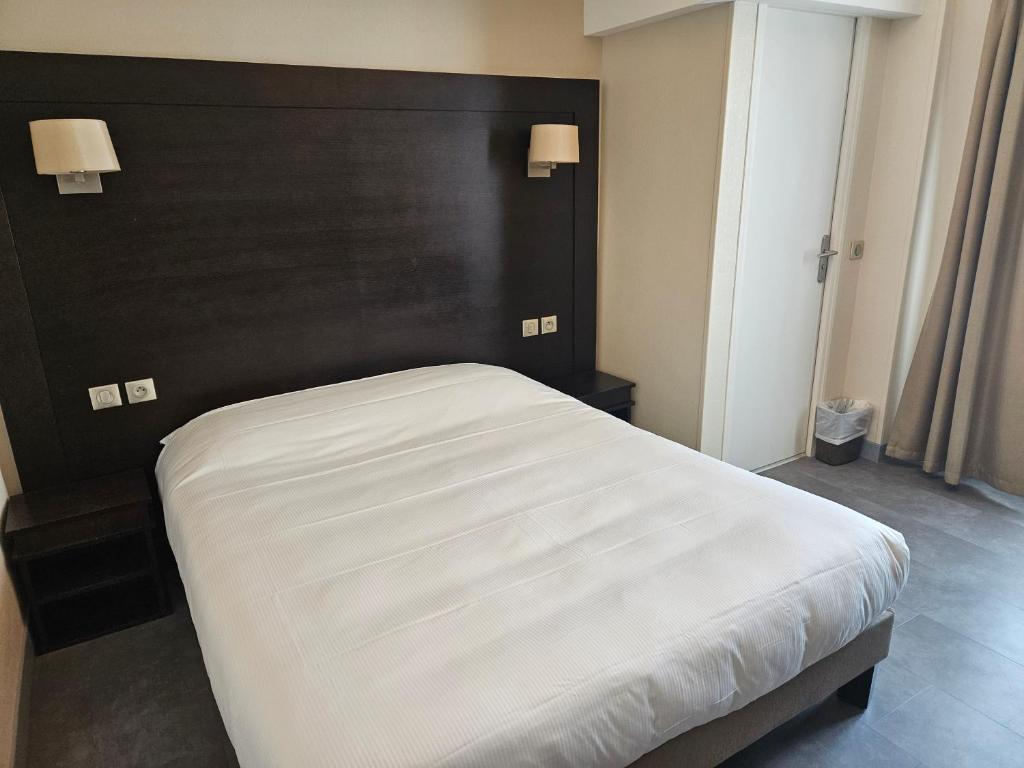
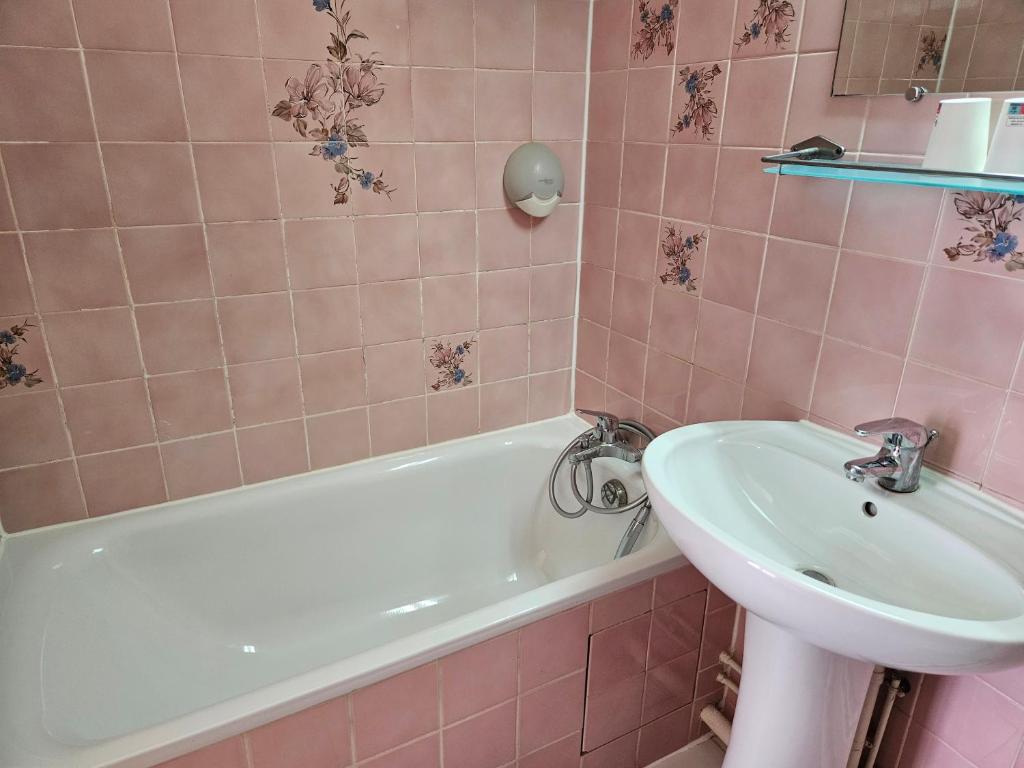
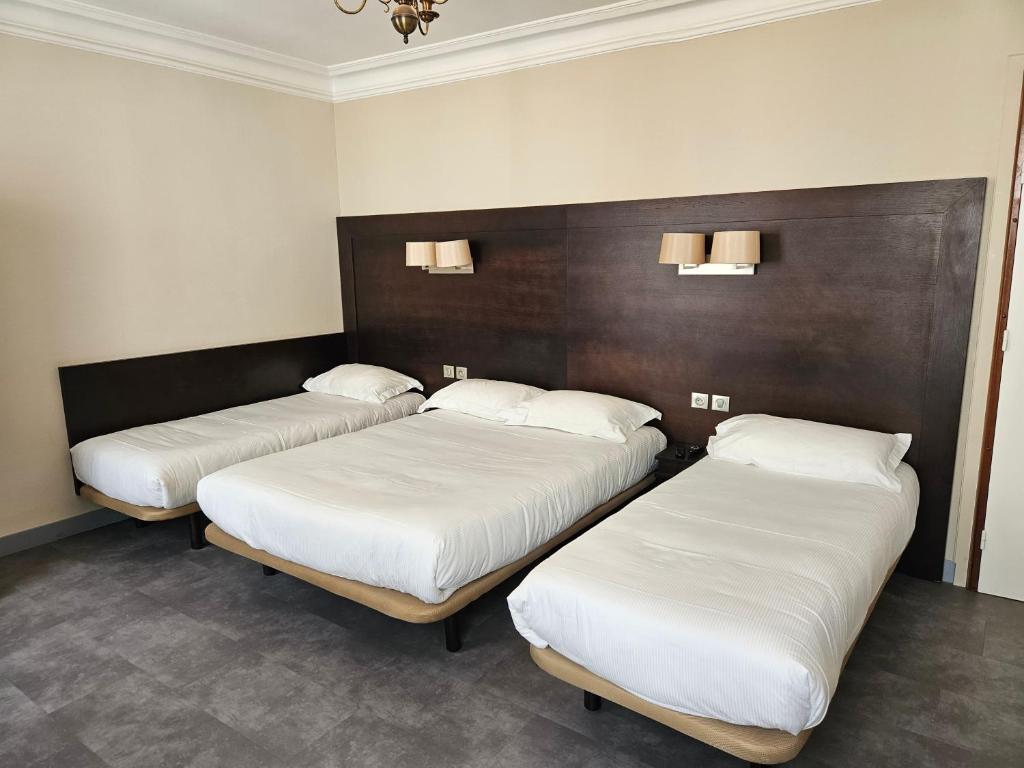
You will visit the famous Eiffel Tower, take a boat trip, and see other beautiful districts and monuments of the city, such as Notre Dame or the Sacré-Cœur Basilica.
You can take the elevator or walk to the tower. To the first, second floor, or all the way to the top. The price by elevator to the top was EUR 36.10 in 2025. You can see the detailed price list here. Where you can buy tickets in advance so you don't have to wait in line. It is good to arrive in the morning after 9:00 a.m. The tower opens at 9:30, so get in line early. Discounted admission applies for children.
Walk down from the Eiffel Tower via the stairs to the Seine, where you will find the boat boarding point next to the bridge. It is marked in orange on the inside with a flower.
Take a Batobus boat trip on the Seine. You can book tickets in advance here.
Notre-Dame Cathedral in Paris, a Gothic masterpiece built from 1163 to 1345, is a symbol of France and the heart of Paris on the Île de la Cité. After the devastating fire in 2019 that destroyed the roof and spire, it is undergoing a challenging restoration. It is known as the most visited monument in France. After the fire, the main relics (Crown of Thorns) and statues of the apostles, which had been removed beforehand, were saved. Admission to the cathedral is free. It is recommended to enter with shoulders and abdomen covered. Gentlemen without hats or caps. The cathedral is usually open from 8:00 AM to 7:00 PM, except for masses and other events. Although admission is free, it is recommended to book a day in advance here due to the great interest. You may not be allowed inside without a reservation.
Cross the bridge over the Seine that leads in front of the cathedral and continue straight into the Latin Quarter to Rue Saint-Jacques, in the vicinity of which there are many restaurants where you can have lunch.
Here you will find many restaurants and a lot of international cuisine, where everyone can choose a meal. From French, through Italian, Asian and others.
Here along the embankment, you can visit traditional street antiquarian selling old books, magazines, postcards, paintings, and graphics.
If you're in the mood for dessert, head to Berthillon for the best Parisian ice cream.
Best ice cream in town.
Continue to the Centre Georges Pompidou.
The Centre Pompidou is a unique Parisian building that was built in the 1970s. The building is very modern, it is a glass complex in a steel scaffolding, around which colorful pipes run. Inside there is a museum with surrealist, cubist and other works by famous artists such as Pablo Picasso, Jackson Pollock or František Kupka. This modern museum, 166 meters long, 60 meters wide and 42 meters high, is spread over seven floors. You can buy tickets for the exhibition here. At the top of the center is a restaurant offering a beautiful view of the city.
Continue by subway.
The Sacré-Cœur Basilica is one of the most prominent landmarks in Paris, located on top of Montmartre hill. The basilica is open daily from 6:30 a.m. to 10:30 p.m. Admission to the interior of the Sacré-Cœur Basilica is free. Only entry to the dome and the crypt is subject to a fee, which costs approximately €8 for adults and €5 for children under 15.
Continue on foot to the artists' square.
A beautiful square full of artists. You can even have an artist paint your portrait here.
Continue on foot towards the Moulin Rouge.
Moulin Rouge is a world-famous Parisian cabaret. Today, it offers spectacular revue shows with dancers, acrobats, and live music, attracting tourists from all over the world. Performances are often described as grand, with detailed costumes and elaborate choreography. If you are interested in seeing a show, you can buy tickets in advance here.
To get to the cafe, head back the way you came. It's 180m down Rue Lepic.
This is an iconic Parisian café and brasserie in Montmartre (15 Rue Lepic), made famous by the film Amélie from Montmartre (2001). If you're a fan of this film, be sure to visit.
Since today's program was packed, you can now return to your accommodation.
You will visit the modern part of the city, the shopping street, and the beautiful Saint Martin canal.
Take the metro to La Défense.
This district is characterized by super-modern buildings and skyscrapers. The name of the district means 'defense' in Czech and is derived from the monument La Défense de Paris, which was erected here in memory of the soldiers who defended Paris during the Franco-Prussian War. The bronze statue was unveiled in 1883. During the initial construction of the district, it was removed and returned to its original location after the work was completed. The summit, where La Grande Arche stands today, was called Chantecoq, or Rooster's crow. As early as the reign of Louis XV, the imaginary axis from the Louvre via today's Avenue des Champs-Élysées was extended here as an alley. Until the 19th century, there was a windmill on the top.
Head to the Arc de Triomphe.
The Arc de Triomphe is in the Neoclassical style. It was commissioned by Napoleon Bonaparte in memory of his victory at the Battle of Austerlitz. The arch was built between 1806 and 1836 and stands in the middle of Place Charles-de-Gaulle (formerly Place de l'Étoile). Inside the building is a small museum focusing on the history of the object. Every year, the Tour de France cycling race ends at the arch. Access to the monument is via an underground passage. On its roof is a publicly accessible observation deck that is worth visiting. In 2025, the price was EUR 16. The observation deck is open from 10:00 AM to 10:00 PM, and until 11:00 PM during the summer season. On Tuesdays, it opens at 11:00 AM.
Walk along the Champs-Élysées and check out the surrounding street with luxury shops.
The Champs-Élysées is the most famous street in Paris and one of the most famous streets in general. The boulevard is just under two kilometers long, 70 m wide, and connects the Place de la Concorde and Place Charles-de-Gaulle with the Arc de Triomphe. Metro line 1 runs under the street. The Avenue des Champs-Élysées is part of the so-called historical axis. The upper part of the boulevard is lined with cinemas, cafes and luxury shops. In the lower part of the boulevard there is a park and the Elysee Palace – the residence of the French presidents. The Tour de France stage race ends annually on the Champs-Élysées at the end of July. Festive military parades take place here on the national holiday of July 14.
Continue by metro.
The most famous and beautiful water canal in Paris connects the Seine River with another canal, the Bassin de la Villette. It measures a total of 4.5 km and runs through a densely built-up area of residential neighborhoods. The canal was opened in 1825. The movie Amelie from Montmartre was also filmed here.
Return to your accommodation by subway or on foot.
If you have time before your departure, enjoy your last moments in Paris and then head to the airport. From there, all that awaits you is the journey home.
The best way to get to the airport is to order a taxi via the Uber app, or you can take the metro.
The second largest airport in Paris is located 18 km south of the center and is one of the busiest in Europe. You can get refreshments here before boarding your plane.
I hope you enjoyed the trip and it enriched you with new experiences.
You can experience the best of two beautiful metropolises in one week. Both cities offer beautiful historical sights. Suitable for couples, but also for visiting with family.
Arrival in London, accommodation, visiting the first sights. From April 2, 2025, the United Kingdom introduced a new Electronic Travel Authorisation (ETA) system. This system applies to citizens of the Czech Republic and travelers from several other visa-free countries who previously did not need a visa to enter the United Kingdom. Under the new rules, citizens of the Czech Republic and other countries must apply for an ETA before traveling to the United Kingdom for a short stay. You can purchase a visa before entry via the app here. Depending on your country of origin, check if you need a visa.
After landing and collecting your luggage, head towards the subway.
The best way to get around London is by using the subway. You can pay with a credit card here. Simply tap your card or mobile device on the yellow reader at the turnstiles or validators when entering and exiting public transport. Alternatively, you can buy an Oyster card for the subway, which costs £10 + you load it with credit from £30 to last you for several days. You can also use a classic black cab, the price from the airport is around £70.
The capital of the United Kingdom of Great Britain and Northern Ireland. It is the largest city in Western Europe, as well as its historical, financial, and cultural center. It is also home to the famous royal family.
After settling in, go see the city. Take the subway.
Your city tour starts here. The central bank headquarters is known for its impressive neoclassical architecture and dates back to 1734, when it was designed by George Samson.
Continue on foot to 30 Saint Mary Axe - Swiss Re.
This building reaches a height of 180 m. The structure is famous for its shape, designed by Sir Norman Foster and Ken Shuttleworth. You can also see other architecturally interesting gems in the area.
Continue further to the Tower of London.
It is a palace and a fortress. The last king to use it as a palace was King James I. The White Tower, which gave the fortress its name, is part of a complex of buildings near the River Thames. It has served as a fortress, armory, treasury, mint, palace, place of execution, observatory, refuge, and prison, primarily for upper-class prisoners. The Tower was last used as a prison during World War II.
Continue on foot to the most famous London Bridge, which is right in front of you.
Tower Bridge is probably one of the most famous chain bridges in the world. You can walk across the bridge, take a double-decker bus, book a guided tour and even get to the upper walkways. You can also sit on the banks of the Thames and watch the hustle and bustle. The suspended walkways for pedestrians spanning the river at a height of 43 meters are currently open to the public again, but only as part of a paid tour circuit that also takes you to the unique engine room for lifting the bridge deck. The tourist areas of the bridge are open daily from 9:30 a.m. to 5:00 p.m.
As the number of places is limited, we recommend purchasing tickets at least 2 days in advance on the official website, where you will also find guided tour options.
GBP 13.40 - entrance fee to the suspended walkways for pedestrians
GBP 30 - 90-minute guided tour
If you only want to cross the bridge on foot at the level where cars drive, of course there is no entrance fee and it is open 24 hours a day, as it is for road traffic.
Cross the bridge to the other side from the Tower of London. Continue with a beautiful walk along the Thames to London Bridge.
It is a bridge that crosses the River Thames in London between Cannon Street Railway Bridge and Tower Bridge, connecting the City and Southwark. Until 1750, when Westminster Bridge was opened, it was the only link between the banks of the Thames in London. On the south side of the bridge is Southwark Cathedral, London Bridge train station and underground station. At the northern end is the Monument to the Great Fire of London and Monument underground station.
Cross London Bridge back to the other side. Continue by subway to the accommodation.
Visit the city's most famous landmarks, such as Piccadilly Circus, Trafalgar Square, Buckingham Palace, Big Ben and more.
Go to Piccadilly Circus
Piccadilly Circus is known for its neon advertisements and illuminated signs. Piccadilly Circus is connected to Piccadilly Street, a main thoroughfare first mentioned in 1626 as Piccadilly Hall, named after the house belonging to Robert Baker, a tailor known for selling piccadills, which was a term for various types of collars.
Continue further towards Trafalgar Square.
Visit the National Gallery - admission to this gallery is free. Continue to Trafalgar Square, which commemorates the Battle of Trafalgar in 1805. In the center of the square stands Nelson's Column, surrounded by fountains and four huge bronze statues of lions, created by Sir Edwin Landseer.
A walk through St James's Park will take you to Buckingham Palace.
This palace is the official London residence of the British monarch, King Charles III, and also a venue for events of national importance. The biggest attraction is watching the changing of the guard of the King's Guard in their typical red uniforms with iconic black caps. The changing of the guard takes place directly in front of Buckingham Palace with a procession from the adjacent St. James's Palace. The guards form up here at 10:30 in the courtyard of Buckingham Palace and meet the new shift of guards at approximately 10:45, who arrive in procession via The Mall from St. James's Palace. The actual changing takes place at 11:00. The changing of the guard with this ceremony only takes place on Mondays, Wednesdays, Fridays and Sundays. Then on Saturdays at 3:00 PM. You can watch the changing for free, just arrive at the decorated fence at least an hour beforehand, especially in nice weather.
Continue by subway
Continue to Big Ben and Westminster Abbey. The Great Bell is the main of the five bells and its nickname "Big Ben" is also used for the entire clock tower. The chimes of Elizabeth Clock Tower are one of the symbols of Britain and are copied all over the world from clock manufacturers to other tower chimes across the planet. The tower is open to the public, but only with a guide. Tickets are always limited and go on sale every second Wednesday of the month at exactly 10:00 on the official website. During the tour you must be able to climb 334 steps. The tour lasts 90 minutes.
Then continue on foot along the river.
Here you can ride a famous bicycle and have a beautiful view of the city. The price is from £29.
Markets with a variety of goods are held here. You can also come across great street musicians here.
Continue on foot to the restaurant where you can taste the typical English dish Fisch and Chips.
Typical English cuisine.
Continue by subway to St. Paul's Cathedral
The cathedral is an Anglican church, the seat of the Bishop of London. The current building dates from the 17th century and is widely considered to be the fifth St Paul's Cathedral.
Walk across the Millennium Bridge to the Tate Modern museum and enjoy the beautiful evening lights of the city.
Take the subway to your accommodation.
You will visit the markets in Camden Town and other London sights and museums.
Take the subway to Camden Town and you'll find yourself right on the street with all sorts of shops.
An interesting neighborhood. They sell all sorts of things here, including music by lesser-known artists.
Take the subway to the science museum.
Both children and adults will enjoy this museum, and admission is free again.
Continue on foot to the Natural History Museum, which is right next door.
And also a natural science museum with interesting exhibits.
Take a bus towards Hyde Park.
One of the largest parks in central London, Hyde Park is considered a symbol of free speech. It is particularly famous for its Speakers' Corner, a speaking corner that has a tradition in British society dating back to the 19th century. Over the years, areas have been set aside in various places, mainly in parks, where anyone from any social class could speak publicly on any topic without notice or permission. This tradition continues to this day, and almost every day in Speakers' Corner you will find at least one speaker discussing global human problems, politics or just local issues.
Exit Hyde Park and continue by subway.
Anyone who likes views should visit this monument. Admission is £6. The ascent on the spiral staircase is a bit claustrophobic, not really for everyone.
Continue to the Tate Modern. Go to the Millennium Bridge, cross it, and you'll find yourself right at the museum.
You were at this museum last night. Now you can go inside for a tour.
Continue by subway to Piccadilly Circus.
You can end your day here with dinner, perhaps at Pizza Hut.
Take the subway back to your accommodation.
Today you leave for Paris. The capital of France and a romantic city full of history. You can taste local specialties such as sweet and savory pancakes, snails, or homemade ice cream from Berthillon. Stroll along the Seine, or enjoy the Montmartre artists' quarter.
Take the subway to the train stop.
I recommend buying train tickets in advance on the internet. The price varies depending on the time, starting from 65 EUR. At the station, find the Eurostar terminal, from where the train will depart.
You will take the Eurostar train and travel through the Channel Tunnel to Paris. You will get off at Gare du Nord station. Follow the signs for the metro.
The best way to get around Paris is by metro. Paris has 5 zones, you will be travelling in zones 1-3, only the last trip will be to zone 4 for the airport. Therefore, you can buy a Navigo Liberté card + either physically or download the app to your mobile and pay through it. A single bus ride costs EUR 2, a metro ride EUR 2.50. If you want paper tickets, you can buy them everywhere where there are vending machines allowing payment by card and cash, as well as a manned ticket window. You validate the ticket before entering the metro, where there are automatic turnstiles. Paper tickets - insert into the turnstile, wait until the ticket comes out of the other opening and you can go through the turnstile. Navigo plastic cards - hold it to the purple reader on the turnstile. Mobile app - you don't need to open the app, tickets work via NFC, so hold your whole phone to the purple reader.
Go check in first. Use the subway and then head into the city. Visit the Louvre first.
The Louvre is one of the most famous museums in the world, mainly thanks to the Mona Lisa. You can buy tickets in advance online. The price is EUR 22 for an adult. Admission is free for those under 18.
Continue to the gardens that connect to the pyramid complex.
The gardens lead from the Louvre, and you can take a lovely walk here. Continue to the accommodation.
You will visit the famous Eiffel Tower, take a boat trip, and see other beautiful districts and monuments of the city, such as Notre Dame or the Sacré-Cœur Basilica.
You can take the elevator or walk to the tower. To the first, second floor, or all the way to the top. The price by elevator to the top was EUR 36.10 in 2025. You can see the detailed price list here. Where you can buy tickets in advance so you don't have to wait in line. It is good to arrive in the morning after 9:00 a.m. The tower opens at 9:30, so get in line early. Discounted admission applies for children.
Walk down from the Eiffel Tower via the stairs to the Seine, where you will find the boat boarding point next to the bridge. It is marked in orange on the inside with a flower.
Take a Batobus boat trip on the Seine. You can book tickets in advance here.
Notre-Dame Cathedral in Paris, a Gothic masterpiece built from 1163 to 1345, is a symbol of France and the heart of Paris on the Île de la Cité. After the devastating fire in 2019 that destroyed the roof and spire, it is undergoing a challenging restoration. It is known as the most visited monument in France. After the fire, the main relics (Crown of Thorns) and statues of the apostles, which had been removed beforehand, were saved. Admission to the cathedral is free. It is recommended to enter with shoulders and abdomen covered. Gentlemen without hats or caps. The cathedral is usually open from 8:00 AM to 7:00 PM, except for masses and other events. Although admission is free, it is recommended to book a day in advance here due to the great interest. You may not be allowed inside without a reservation.
Cross the bridge over the Seine that leads in front of the cathedral and continue straight into the Latin Quarter to Rue Saint-Jacques, in the vicinity of which there are many restaurants where you can have lunch.
Here you will find many restaurants and a lot of international cuisine, where everyone can choose a meal. From French, through Italian, Asian and others.
Here along the embankment, you can visit traditional street antiquarian selling old books, magazines, postcards, paintings, and graphics.
If you're in the mood for dessert, head to Berthillon for the best Parisian ice cream.
Best ice cream in town.
Continue to the Centre Georges Pompidou.
The Centre Pompidou is a unique Parisian building that was built in the 1970s. The building is very modern, it is a glass complex in a steel scaffolding, around which colorful pipes run. Inside there is a museum with surrealist, cubist and other works by famous artists such as Pablo Picasso, Jackson Pollock or František Kupka. This modern museum, 166 meters long, 60 meters wide and 42 meters high, is spread over seven floors. You can buy tickets for the exhibition here. At the top of the center is a restaurant offering a beautiful view of the city.
Continue by subway.
The Sacré-Cœur Basilica is one of the most prominent landmarks in Paris, located on top of Montmartre hill. The basilica is open daily from 6:30 a.m. to 10:30 p.m. Admission to the interior of the Sacré-Cœur Basilica is free. Only entry to the dome and the crypt is subject to a fee, which costs approximately €8 for adults and €5 for children under 15.
Continue on foot to the artists' square.
A beautiful square full of artists. You can even have an artist paint your portrait here.
Continue on foot towards the Moulin Rouge.
Moulin Rouge is a world-famous Parisian cabaret. Today, it offers spectacular revue shows with dancers, acrobats, and live music, attracting tourists from all over the world. Performances are often described as grand, with detailed costumes and elaborate choreography. If you are interested in seeing a show, you can buy tickets in advance here.
To get to the cafe, head back the way you came. It's 180m down Rue Lepic.
This is an iconic Parisian café and brasserie in Montmartre (15 Rue Lepic), made famous by the film Amélie from Montmartre (2001). If you're a fan of this film, be sure to visit.
Since today's program was packed, you can now return to your accommodation.
You will visit the modern part of the city, the shopping street, and the beautiful Saint Martin canal.
Take the metro to La Défense.
This district is characterized by super-modern buildings and skyscrapers. The name of the district means 'defense' in Czech and is derived from the monument La Défense de Paris, which was erected here in memory of the soldiers who defended Paris during the Franco-Prussian War. The bronze statue was unveiled in 1883. During the initial construction of the district, it was removed and returned to its original location after the work was completed. The summit, where La Grande Arche stands today, was called Chantecoq, or Rooster's crow. As early as the reign of Louis XV, the imaginary axis from the Louvre via today's Avenue des Champs-Élysées was extended here as an alley. Until the 19th century, there was a windmill on the top.
Head to the Arc de Triomphe.
The Arc de Triomphe is in the Neoclassical style. It was commissioned by Napoleon Bonaparte in memory of his victory at the Battle of Austerlitz. The arch was built between 1806 and 1836 and stands in the middle of Place Charles-de-Gaulle (formerly Place de l'Étoile). Inside the building is a small museum focusing on the history of the object. Every year, the Tour de France cycling race ends at the arch. Access to the monument is via an underground passage. On its roof is a publicly accessible observation deck that is worth visiting. In 2025, the price was EUR 16. The observation deck is open from 10:00 AM to 10:00 PM, and until 11:00 PM during the summer season. On Tuesdays, it opens at 11:00 AM.
Walk along the Champs-Élysées and check out the surrounding street with luxury shops.
The Champs-Élysées is the most famous street in Paris and one of the most famous streets in general. The boulevard is just under two kilometers long, 70 m wide, and connects the Place de la Concorde and Place Charles-de-Gaulle with the Arc de Triomphe. Metro line 1 runs under the street. The Avenue des Champs-Élysées is part of the so-called historical axis. The upper part of the boulevard is lined with cinemas, cafes and luxury shops. In the lower part of the boulevard there is a park and the Elysee Palace – the residence of the French presidents. The Tour de France stage race ends annually on the Champs-Élysées at the end of July. Festive military parades take place here on the national holiday of July 14.
Continue by metro.
The most famous and beautiful water canal in Paris connects the Seine River with another canal, the Bassin de la Villette. It measures a total of 4.5 km and runs through a densely built-up area of residential neighborhoods. The canal was opened in 1825. The movie Amelie from Montmartre was also filmed here.
Return to your accommodation by subway or on foot.
If you have time before your departure, enjoy your last moments in Paris and then head to the airport. From there, all that awaits you is the journey home.
The best way to get to the airport is to order a taxi via the Uber app, or you can take the metro.
The second largest airport in Paris is located 18 km south of the center and is one of the busiest in Europe. You can get refreshments here before boarding your plane.
I hope you enjoyed the trip and it enriched you with new experiences.




itinerary by Petra Radova
You can experience the best of two beautiful metropolises in one week. Both cities offer beautiful historical sights. Suitable for couples, but also for visiting with family.
Arrival in London, accommodation, visiting the first sights. From April 2, 2025, the United Kingdom introduced a new Electronic Travel Authorisation (ETA) system. This system applies to citizens of the Czech Republic and travelers from several other visa-free countries who previously did not need a visa to enter the United Kingdom. Under the new rules, citizens of the Czech Republic and other countries must apply for an ETA before traveling to the United Kingdom for a short stay. You can purchase a visa before entry via the app here. Depending on your country of origin, check if you need a visa.
After landing and collecting your luggage, head towards the subway.
The best way to get around London is by using the subway. You can pay with a credit card here. Simply tap your card or mobile device on the yellow reader at the turnstiles or validators when entering and exiting public transport. Alternatively, you can buy an Oyster card for the subway, which costs £10 + you load it with credit from £30 to last you for several days. You can also use a classic black cab, the price from the airport is around £70.
The capital of the United Kingdom of Great Britain and Northern Ireland. It is the largest city in Western Europe, as well as its historical, financial, and cultural center. It is also home to the famous royal family.
After settling in, go see the city. Take the subway.
Your city tour starts here. The central bank headquarters is known for its impressive neoclassical architecture and dates back to 1734, when it was designed by George Samson.
Continue on foot to 30 Saint Mary Axe - Swiss Re.
This building reaches a height of 180 m. The structure is famous for its shape, designed by Sir Norman Foster and Ken Shuttleworth. You can also see other architecturally interesting gems in the area.
Continue further to the Tower of London.
It is a palace and a fortress. The last king to use it as a palace was King James I. The White Tower, which gave the fortress its name, is part of a complex of buildings near the River Thames. It has served as a fortress, armory, treasury, mint, palace, place of execution, observatory, refuge, and prison, primarily for upper-class prisoners. The Tower was last used as a prison during World War II.
Continue on foot to the most famous London Bridge, which is right in front of you.
Tower Bridge is probably one of the most famous chain bridges in the world. You can walk across the bridge, take a double-decker bus, book a guided tour and even get to the upper walkways. You can also sit on the banks of the Thames and watch the hustle and bustle. The suspended walkways for pedestrians spanning the river at a height of 43 meters are currently open to the public again, but only as part of a paid tour circuit that also takes you to the unique engine room for lifting the bridge deck. The tourist areas of the bridge are open daily from 9:30 a.m. to 5:00 p.m.
As the number of places is limited, we recommend purchasing tickets at least 2 days in advance on the official website, where you will also find guided tour options.
GBP 13.40 - entrance fee to the suspended walkways for pedestrians
GBP 30 - 90-minute guided tour
If you only want to cross the bridge on foot at the level where cars drive, of course there is no entrance fee and it is open 24 hours a day, as it is for road traffic.
Cross the bridge to the other side from the Tower of London. Continue with a beautiful walk along the Thames to London Bridge.
It is a bridge that crosses the River Thames in London between Cannon Street Railway Bridge and Tower Bridge, connecting the City and Southwark. Until 1750, when Westminster Bridge was opened, it was the only link between the banks of the Thames in London. On the south side of the bridge is Southwark Cathedral, London Bridge train station and underground station. At the northern end is the Monument to the Great Fire of London and Monument underground station.
Cross London Bridge back to the other side. Continue by subway to the accommodation.
Visit the city's most famous landmarks, such as Piccadilly Circus, Trafalgar Square, Buckingham Palace, Big Ben and more.
Go to Piccadilly Circus
Piccadilly Circus is known for its neon advertisements and illuminated signs. Piccadilly Circus is connected to Piccadilly Street, a main thoroughfare first mentioned in 1626 as Piccadilly Hall, named after the house belonging to Robert Baker, a tailor known for selling piccadills, which was a term for various types of collars.
Continue further towards Trafalgar Square.
Visit the National Gallery - admission to this gallery is free. Continue to Trafalgar Square, which commemorates the Battle of Trafalgar in 1805. In the center of the square stands Nelson's Column, surrounded by fountains and four huge bronze statues of lions, created by Sir Edwin Landseer.
A walk through St James's Park will take you to Buckingham Palace.
This palace is the official London residence of the British monarch, King Charles III, and also a venue for events of national importance. The biggest attraction is watching the changing of the guard of the King's Guard in their typical red uniforms with iconic black caps. The changing of the guard takes place directly in front of Buckingham Palace with a procession from the adjacent St. James's Palace. The guards form up here at 10:30 in the courtyard of Buckingham Palace and meet the new shift of guards at approximately 10:45, who arrive in procession via The Mall from St. James's Palace. The actual changing takes place at 11:00. The changing of the guard with this ceremony only takes place on Mondays, Wednesdays, Fridays and Sundays. Then on Saturdays at 3:00 PM. You can watch the changing for free, just arrive at the decorated fence at least an hour beforehand, especially in nice weather.
Continue by subway
Continue to Big Ben and Westminster Abbey. The Great Bell is the main of the five bells and its nickname "Big Ben" is also used for the entire clock tower. The chimes of Elizabeth Clock Tower are one of the symbols of Britain and are copied all over the world from clock manufacturers to other tower chimes across the planet. The tower is open to the public, but only with a guide. Tickets are always limited and go on sale every second Wednesday of the month at exactly 10:00 on the official website. During the tour you must be able to climb 334 steps. The tour lasts 90 minutes.
Then continue on foot along the river.
Here you can ride a famous bicycle and have a beautiful view of the city. The price is from £29.
Markets with a variety of goods are held here. You can also come across great street musicians here.
Continue on foot to the restaurant where you can taste the typical English dish Fisch and Chips.
Typical English cuisine.
Continue by subway to St. Paul's Cathedral
The cathedral is an Anglican church, the seat of the Bishop of London. The current building dates from the 17th century and is widely considered to be the fifth St Paul's Cathedral.
Walk across the Millennium Bridge to the Tate Modern museum and enjoy the beautiful evening lights of the city.
Take the subway to your accommodation.
You will visit the markets in Camden Town and other London sights and museums.
Take the subway to Camden Town and you'll find yourself right on the street with all sorts of shops.
An interesting neighborhood. They sell all sorts of things here, including music by lesser-known artists.
Take the subway to the science museum.
Both children and adults will enjoy this museum, and admission is free again.
Continue on foot to the Natural History Museum, which is right next door.
And also a natural science museum with interesting exhibits.
Take a bus towards Hyde Park.
One of the largest parks in central London, Hyde Park is considered a symbol of free speech. It is particularly famous for its Speakers' Corner, a speaking corner that has a tradition in British society dating back to the 19th century. Over the years, areas have been set aside in various places, mainly in parks, where anyone from any social class could speak publicly on any topic without notice or permission. This tradition continues to this day, and almost every day in Speakers' Corner you will find at least one speaker discussing global human problems, politics or just local issues.
Exit Hyde Park and continue by subway.
Anyone who likes views should visit this monument. Admission is £6. The ascent on the spiral staircase is a bit claustrophobic, not really for everyone.
Continue to the Tate Modern. Go to the Millennium Bridge, cross it, and you'll find yourself right at the museum.
You were at this museum last night. Now you can go inside for a tour.
Continue by subway to Piccadilly Circus.
You can end your day here with dinner, perhaps at Pizza Hut.
Take the subway back to your accommodation.
Today you leave for Paris. The capital of France and a romantic city full of history. You can taste local specialties such as sweet and savory pancakes, snails, or homemade ice cream from Berthillon. Stroll along the Seine, or enjoy the Montmartre artists' quarter.
Take the subway to the train stop.
I recommend buying train tickets in advance on the internet. The price varies depending on the time, starting from 65 EUR. At the station, find the Eurostar terminal, from where the train will depart.
You will take the Eurostar train and travel through the Channel Tunnel to Paris. You will get off at Gare du Nord station. Follow the signs for the metro.
The best way to get around Paris is by metro. Paris has 5 zones, you will be travelling in zones 1-3, only the last trip will be to zone 4 for the airport. Therefore, you can buy a Navigo Liberté card + either physically or download the app to your mobile and pay through it. A single bus ride costs EUR 2, a metro ride EUR 2.50. If you want paper tickets, you can buy them everywhere where there are vending machines allowing payment by card and cash, as well as a manned ticket window. You validate the ticket before entering the metro, where there are automatic turnstiles. Paper tickets - insert into the turnstile, wait until the ticket comes out of the other opening and you can go through the turnstile. Navigo plastic cards - hold it to the purple reader on the turnstile. Mobile app - you don't need to open the app, tickets work via NFC, so hold your whole phone to the purple reader.
Go check in first. Use the subway and then head into the city. Visit the Louvre first.
The Louvre is one of the most famous museums in the world, mainly thanks to the Mona Lisa. You can buy tickets in advance online. The price is EUR 22 for an adult. Admission is free for those under 18.
Continue to the gardens that connect to the pyramid complex.
The gardens lead from the Louvre, and you can take a lovely walk here. Continue to the accommodation.
You will visit the famous Eiffel Tower, take a boat trip, and see other beautiful districts and monuments of the city, such as Notre Dame or the Sacré-Cœur Basilica.
You can take the elevator or walk to the tower. To the first, second floor, or all the way to the top. The price by elevator to the top was EUR 36.10 in 2025. You can see the detailed price list here. Where you can buy tickets in advance so you don't have to wait in line. It is good to arrive in the morning after 9:00 a.m. The tower opens at 9:30, so get in line early. Discounted admission applies for children.
Walk down from the Eiffel Tower via the stairs to the Seine, where you will find the boat boarding point next to the bridge. It is marked in orange on the inside with a flower.
Take a Batobus boat trip on the Seine. You can book tickets in advance here.
Notre-Dame Cathedral in Paris, a Gothic masterpiece built from 1163 to 1345, is a symbol of France and the heart of Paris on the Île de la Cité. After the devastating fire in 2019 that destroyed the roof and spire, it is undergoing a challenging restoration. It is known as the most visited monument in France. After the fire, the main relics (Crown of Thorns) and statues of the apostles, which had been removed beforehand, were saved. Admission to the cathedral is free. It is recommended to enter with shoulders and abdomen covered. Gentlemen without hats or caps. The cathedral is usually open from 8:00 AM to 7:00 PM, except for masses and other events. Although admission is free, it is recommended to book a day in advance here due to the great interest. You may not be allowed inside without a reservation.
Cross the bridge over the Seine that leads in front of the cathedral and continue straight into the Latin Quarter to Rue Saint-Jacques, in the vicinity of which there are many restaurants where you can have lunch.
Here you will find many restaurants and a lot of international cuisine, where everyone can choose a meal. From French, through Italian, Asian and others.
Here along the embankment, you can visit traditional street antiquarian selling old books, magazines, postcards, paintings, and graphics.
If you're in the mood for dessert, head to Berthillon for the best Parisian ice cream.
Best ice cream in town.
Continue to the Centre Georges Pompidou.
The Centre Pompidou is a unique Parisian building that was built in the 1970s. The building is very modern, it is a glass complex in a steel scaffolding, around which colorful pipes run. Inside there is a museum with surrealist, cubist and other works by famous artists such as Pablo Picasso, Jackson Pollock or František Kupka. This modern museum, 166 meters long, 60 meters wide and 42 meters high, is spread over seven floors. You can buy tickets for the exhibition here. At the top of the center is a restaurant offering a beautiful view of the city.
Continue by subway.
The Sacré-Cœur Basilica is one of the most prominent landmarks in Paris, located on top of Montmartre hill. The basilica is open daily from 6:30 a.m. to 10:30 p.m. Admission to the interior of the Sacré-Cœur Basilica is free. Only entry to the dome and the crypt is subject to a fee, which costs approximately €8 for adults and €5 for children under 15.
Continue on foot to the artists' square.
A beautiful square full of artists. You can even have an artist paint your portrait here.
Continue on foot towards the Moulin Rouge.
Moulin Rouge is a world-famous Parisian cabaret. Today, it offers spectacular revue shows with dancers, acrobats, and live music, attracting tourists from all over the world. Performances are often described as grand, with detailed costumes and elaborate choreography. If you are interested in seeing a show, you can buy tickets in advance here.
To get to the cafe, head back the way you came. It's 180m down Rue Lepic.
This is an iconic Parisian café and brasserie in Montmartre (15 Rue Lepic), made famous by the film Amélie from Montmartre (2001). If you're a fan of this film, be sure to visit.
Since today's program was packed, you can now return to your accommodation.
You will visit the modern part of the city, the shopping street, and the beautiful Saint Martin canal.
Take the metro to La Défense.
This district is characterized by super-modern buildings and skyscrapers. The name of the district means 'defense' in Czech and is derived from the monument La Défense de Paris, which was erected here in memory of the soldiers who defended Paris during the Franco-Prussian War. The bronze statue was unveiled in 1883. During the initial construction of the district, it was removed and returned to its original location after the work was completed. The summit, where La Grande Arche stands today, was called Chantecoq, or Rooster's crow. As early as the reign of Louis XV, the imaginary axis from the Louvre via today's Avenue des Champs-Élysées was extended here as an alley. Until the 19th century, there was a windmill on the top.
Head to the Arc de Triomphe.
The Arc de Triomphe is in the Neoclassical style. It was commissioned by Napoleon Bonaparte in memory of his victory at the Battle of Austerlitz. The arch was built between 1806 and 1836 and stands in the middle of Place Charles-de-Gaulle (formerly Place de l'Étoile). Inside the building is a small museum focusing on the history of the object. Every year, the Tour de France cycling race ends at the arch. Access to the monument is via an underground passage. On its roof is a publicly accessible observation deck that is worth visiting. In 2025, the price was EUR 16. The observation deck is open from 10:00 AM to 10:00 PM, and until 11:00 PM during the summer season. On Tuesdays, it opens at 11:00 AM.
Walk along the Champs-Élysées and check out the surrounding street with luxury shops.
The Champs-Élysées is the most famous street in Paris and one of the most famous streets in general. The boulevard is just under two kilometers long, 70 m wide, and connects the Place de la Concorde and Place Charles-de-Gaulle with the Arc de Triomphe. Metro line 1 runs under the street. The Avenue des Champs-Élysées is part of the so-called historical axis. The upper part of the boulevard is lined with cinemas, cafes and luxury shops. In the lower part of the boulevard there is a park and the Elysee Palace – the residence of the French presidents. The Tour de France stage race ends annually on the Champs-Élysées at the end of July. Festive military parades take place here on the national holiday of July 14.
Continue by metro.
The most famous and beautiful water canal in Paris connects the Seine River with another canal, the Bassin de la Villette. It measures a total of 4.5 km and runs through a densely built-up area of residential neighborhoods. The canal was opened in 1825. The movie Amelie from Montmartre was also filmed here.
Return to your accommodation by subway or on foot.
If you have time before your departure, enjoy your last moments in Paris and then head to the airport. From there, all that awaits you is the journey home.
The best way to get to the airport is to order a taxi via the Uber app, or you can take the metro.
The second largest airport in Paris is located 18 km south of the center and is one of the busiest in Europe. You can get refreshments here before boarding your plane.
I hope you enjoyed the trip and it enriched you with new experiences.
You can experience the best of two beautiful metropolises in one week. Both cities offer beautiful historical sights. Suitable for couples, but also for visiting with family.
Arrival in London, accommodation, visiting the first sights. From April 2, 2025, the United Kingdom introduced a new Electronic Travel Authorisation (ETA) system. This system applies to citizens of the Czech Republic and travelers from several other visa-free countries who previously did not need a visa to enter the United Kingdom. Under the new rules, citizens of the Czech Republic and other countries must apply for an ETA before traveling to the United Kingdom for a short stay. You can purchase a visa before entry via the app here. Depending on your country of origin, check if you need a visa.
After landing and collecting your luggage, head towards the subway.
The best way to get around London is by using the subway. You can pay with a credit card here. Simply tap your card or mobile device on the yellow reader at the turnstiles or validators when entering and exiting public transport. Alternatively, you can buy an Oyster card for the subway, which costs £10 + you load it with credit from £30 to last you for several days. You can also use a classic black cab, the price from the airport is around £70.
The capital of the United Kingdom of Great Britain and Northern Ireland. It is the largest city in Western Europe, as well as its historical, financial, and cultural center. It is also home to the famous royal family.
After settling in, go see the city. Take the subway.
Your city tour starts here. The central bank headquarters is known for its impressive neoclassical architecture and dates back to 1734, when it was designed by George Samson.
Continue on foot to 30 Saint Mary Axe - Swiss Re.
This building reaches a height of 180 m. The structure is famous for its shape, designed by Sir Norman Foster and Ken Shuttleworth. You can also see other architecturally interesting gems in the area.
Continue further to the Tower of London.
It is a palace and a fortress. The last king to use it as a palace was King James I. The White Tower, which gave the fortress its name, is part of a complex of buildings near the River Thames. It has served as a fortress, armory, treasury, mint, palace, place of execution, observatory, refuge, and prison, primarily for upper-class prisoners. The Tower was last used as a prison during World War II.
Continue on foot to the most famous London Bridge, which is right in front of you.
Tower Bridge is probably one of the most famous chain bridges in the world. You can walk across the bridge, take a double-decker bus, book a guided tour and even get to the upper walkways. You can also sit on the banks of the Thames and watch the hustle and bustle. The suspended walkways for pedestrians spanning the river at a height of 43 meters are currently open to the public again, but only as part of a paid tour circuit that also takes you to the unique engine room for lifting the bridge deck. The tourist areas of the bridge are open daily from 9:30 a.m. to 5:00 p.m.
As the number of places is limited, we recommend purchasing tickets at least 2 days in advance on the official website, where you will also find guided tour options.
GBP 13.40 - entrance fee to the suspended walkways for pedestrians
GBP 30 - 90-minute guided tour
If you only want to cross the bridge on foot at the level where cars drive, of course there is no entrance fee and it is open 24 hours a day, as it is for road traffic.
Cross the bridge to the other side from the Tower of London. Continue with a beautiful walk along the Thames to London Bridge.
It is a bridge that crosses the River Thames in London between Cannon Street Railway Bridge and Tower Bridge, connecting the City and Southwark. Until 1750, when Westminster Bridge was opened, it was the only link between the banks of the Thames in London. On the south side of the bridge is Southwark Cathedral, London Bridge train station and underground station. At the northern end is the Monument to the Great Fire of London and Monument underground station.
Cross London Bridge back to the other side. Continue by subway to the accommodation.
Visit the city's most famous landmarks, such as Piccadilly Circus, Trafalgar Square, Buckingham Palace, Big Ben and more.
Go to Piccadilly Circus
Piccadilly Circus is known for its neon advertisements and illuminated signs. Piccadilly Circus is connected to Piccadilly Street, a main thoroughfare first mentioned in 1626 as Piccadilly Hall, named after the house belonging to Robert Baker, a tailor known for selling piccadills, which was a term for various types of collars.
Continue further towards Trafalgar Square.
Visit the National Gallery - admission to this gallery is free. Continue to Trafalgar Square, which commemorates the Battle of Trafalgar in 1805. In the center of the square stands Nelson's Column, surrounded by fountains and four huge bronze statues of lions, created by Sir Edwin Landseer.
A walk through St James's Park will take you to Buckingham Palace.
This palace is the official London residence of the British monarch, King Charles III, and also a venue for events of national importance. The biggest attraction is watching the changing of the guard of the King's Guard in their typical red uniforms with iconic black caps. The changing of the guard takes place directly in front of Buckingham Palace with a procession from the adjacent St. James's Palace. The guards form up here at 10:30 in the courtyard of Buckingham Palace and meet the new shift of guards at approximately 10:45, who arrive in procession via The Mall from St. James's Palace. The actual changing takes place at 11:00. The changing of the guard with this ceremony only takes place on Mondays, Wednesdays, Fridays and Sundays. Then on Saturdays at 3:00 PM. You can watch the changing for free, just arrive at the decorated fence at least an hour beforehand, especially in nice weather.
Continue by subway
Continue to Big Ben and Westminster Abbey. The Great Bell is the main of the five bells and its nickname "Big Ben" is also used for the entire clock tower. The chimes of Elizabeth Clock Tower are one of the symbols of Britain and are copied all over the world from clock manufacturers to other tower chimes across the planet. The tower is open to the public, but only with a guide. Tickets are always limited and go on sale every second Wednesday of the month at exactly 10:00 on the official website. During the tour you must be able to climb 334 steps. The tour lasts 90 minutes.
Then continue on foot along the river.
Here you can ride a famous bicycle and have a beautiful view of the city. The price is from £29.
Markets with a variety of goods are held here. You can also come across great street musicians here.
Continue on foot to the restaurant where you can taste the typical English dish Fisch and Chips.
Typical English cuisine.
Continue by subway to St. Paul's Cathedral
The cathedral is an Anglican church, the seat of the Bishop of London. The current building dates from the 17th century and is widely considered to be the fifth St Paul's Cathedral.
Walk across the Millennium Bridge to the Tate Modern museum and enjoy the beautiful evening lights of the city.
Take the subway to your accommodation.
You will visit the markets in Camden Town and other London sights and museums.
Take the subway to Camden Town and you'll find yourself right on the street with all sorts of shops.
An interesting neighborhood. They sell all sorts of things here, including music by lesser-known artists.
Take the subway to the science museum.
Both children and adults will enjoy this museum, and admission is free again.
Continue on foot to the Natural History Museum, which is right next door.
And also a natural science museum with interesting exhibits.
Take a bus towards Hyde Park.
One of the largest parks in central London, Hyde Park is considered a symbol of free speech. It is particularly famous for its Speakers' Corner, a speaking corner that has a tradition in British society dating back to the 19th century. Over the years, areas have been set aside in various places, mainly in parks, where anyone from any social class could speak publicly on any topic without notice or permission. This tradition continues to this day, and almost every day in Speakers' Corner you will find at least one speaker discussing global human problems, politics or just local issues.
Exit Hyde Park and continue by subway.
Anyone who likes views should visit this monument. Admission is £6. The ascent on the spiral staircase is a bit claustrophobic, not really for everyone.
Continue to the Tate Modern. Go to the Millennium Bridge, cross it, and you'll find yourself right at the museum.
You were at this museum last night. Now you can go inside for a tour.
Continue by subway to Piccadilly Circus.
You can end your day here with dinner, perhaps at Pizza Hut.
Take the subway back to your accommodation.
Today you leave for Paris. The capital of France and a romantic city full of history. You can taste local specialties such as sweet and savory pancakes, snails, or homemade ice cream from Berthillon. Stroll along the Seine, or enjoy the Montmartre artists' quarter.
Take the subway to the train stop.
I recommend buying train tickets in advance on the internet. The price varies depending on the time, starting from 65 EUR. At the station, find the Eurostar terminal, from where the train will depart.
You will take the Eurostar train and travel through the Channel Tunnel to Paris. You will get off at Gare du Nord station. Follow the signs for the metro.
The best way to get around Paris is by metro. Paris has 5 zones, you will be travelling in zones 1-3, only the last trip will be to zone 4 for the airport. Therefore, you can buy a Navigo Liberté card + either physically or download the app to your mobile and pay through it. A single bus ride costs EUR 2, a metro ride EUR 2.50. If you want paper tickets, you can buy them everywhere where there are vending machines allowing payment by card and cash, as well as a manned ticket window. You validate the ticket before entering the metro, where there are automatic turnstiles. Paper tickets - insert into the turnstile, wait until the ticket comes out of the other opening and you can go through the turnstile. Navigo plastic cards - hold it to the purple reader on the turnstile. Mobile app - you don't need to open the app, tickets work via NFC, so hold your whole phone to the purple reader.
Go check in first. Use the subway and then head into the city. Visit the Louvre first.
The Louvre is one of the most famous museums in the world, mainly thanks to the Mona Lisa. You can buy tickets in advance online. The price is EUR 22 for an adult. Admission is free for those under 18.
Continue to the gardens that connect to the pyramid complex.
The gardens lead from the Louvre, and you can take a lovely walk here. Continue to the accommodation.
You will visit the famous Eiffel Tower, take a boat trip, and see other beautiful districts and monuments of the city, such as Notre Dame or the Sacré-Cœur Basilica.
You can take the elevator or walk to the tower. To the first, second floor, or all the way to the top. The price by elevator to the top was EUR 36.10 in 2025. You can see the detailed price list here. Where you can buy tickets in advance so you don't have to wait in line. It is good to arrive in the morning after 9:00 a.m. The tower opens at 9:30, so get in line early. Discounted admission applies for children.
Walk down from the Eiffel Tower via the stairs to the Seine, where you will find the boat boarding point next to the bridge. It is marked in orange on the inside with a flower.
Take a Batobus boat trip on the Seine. You can book tickets in advance here.
Notre-Dame Cathedral in Paris, a Gothic masterpiece built from 1163 to 1345, is a symbol of France and the heart of Paris on the Île de la Cité. After the devastating fire in 2019 that destroyed the roof and spire, it is undergoing a challenging restoration. It is known as the most visited monument in France. After the fire, the main relics (Crown of Thorns) and statues of the apostles, which had been removed beforehand, were saved. Admission to the cathedral is free. It is recommended to enter with shoulders and abdomen covered. Gentlemen without hats or caps. The cathedral is usually open from 8:00 AM to 7:00 PM, except for masses and other events. Although admission is free, it is recommended to book a day in advance here due to the great interest. You may not be allowed inside without a reservation.
Cross the bridge over the Seine that leads in front of the cathedral and continue straight into the Latin Quarter to Rue Saint-Jacques, in the vicinity of which there are many restaurants where you can have lunch.
Here you will find many restaurants and a lot of international cuisine, where everyone can choose a meal. From French, through Italian, Asian and others.
Here along the embankment, you can visit traditional street antiquarian selling old books, magazines, postcards, paintings, and graphics.
If you're in the mood for dessert, head to Berthillon for the best Parisian ice cream.
Best ice cream in town.
Continue to the Centre Georges Pompidou.
The Centre Pompidou is a unique Parisian building that was built in the 1970s. The building is very modern, it is a glass complex in a steel scaffolding, around which colorful pipes run. Inside there is a museum with surrealist, cubist and other works by famous artists such as Pablo Picasso, Jackson Pollock or František Kupka. This modern museum, 166 meters long, 60 meters wide and 42 meters high, is spread over seven floors. You can buy tickets for the exhibition here. At the top of the center is a restaurant offering a beautiful view of the city.
Continue by subway.
The Sacré-Cœur Basilica is one of the most prominent landmarks in Paris, located on top of Montmartre hill. The basilica is open daily from 6:30 a.m. to 10:30 p.m. Admission to the interior of the Sacré-Cœur Basilica is free. Only entry to the dome and the crypt is subject to a fee, which costs approximately €8 for adults and €5 for children under 15.
Continue on foot to the artists' square.
A beautiful square full of artists. You can even have an artist paint your portrait here.
Continue on foot towards the Moulin Rouge.
Moulin Rouge is a world-famous Parisian cabaret. Today, it offers spectacular revue shows with dancers, acrobats, and live music, attracting tourists from all over the world. Performances are often described as grand, with detailed costumes and elaborate choreography. If you are interested in seeing a show, you can buy tickets in advance here.
To get to the cafe, head back the way you came. It's 180m down Rue Lepic.
This is an iconic Parisian café and brasserie in Montmartre (15 Rue Lepic), made famous by the film Amélie from Montmartre (2001). If you're a fan of this film, be sure to visit.
Since today's program was packed, you can now return to your accommodation.
You will visit the modern part of the city, the shopping street, and the beautiful Saint Martin canal.
Take the metro to La Défense.
This district is characterized by super-modern buildings and skyscrapers. The name of the district means 'defense' in Czech and is derived from the monument La Défense de Paris, which was erected here in memory of the soldiers who defended Paris during the Franco-Prussian War. The bronze statue was unveiled in 1883. During the initial construction of the district, it was removed and returned to its original location after the work was completed. The summit, where La Grande Arche stands today, was called Chantecoq, or Rooster's crow. As early as the reign of Louis XV, the imaginary axis from the Louvre via today's Avenue des Champs-Élysées was extended here as an alley. Until the 19th century, there was a windmill on the top.
Head to the Arc de Triomphe.
The Arc de Triomphe is in the Neoclassical style. It was commissioned by Napoleon Bonaparte in memory of his victory at the Battle of Austerlitz. The arch was built between 1806 and 1836 and stands in the middle of Place Charles-de-Gaulle (formerly Place de l'Étoile). Inside the building is a small museum focusing on the history of the object. Every year, the Tour de France cycling race ends at the arch. Access to the monument is via an underground passage. On its roof is a publicly accessible observation deck that is worth visiting. In 2025, the price was EUR 16. The observation deck is open from 10:00 AM to 10:00 PM, and until 11:00 PM during the summer season. On Tuesdays, it opens at 11:00 AM.
Walk along the Champs-Élysées and check out the surrounding street with luxury shops.
The Champs-Élysées is the most famous street in Paris and one of the most famous streets in general. The boulevard is just under two kilometers long, 70 m wide, and connects the Place de la Concorde and Place Charles-de-Gaulle with the Arc de Triomphe. Metro line 1 runs under the street. The Avenue des Champs-Élysées is part of the so-called historical axis. The upper part of the boulevard is lined with cinemas, cafes and luxury shops. In the lower part of the boulevard there is a park and the Elysee Palace – the residence of the French presidents. The Tour de France stage race ends annually on the Champs-Élysées at the end of July. Festive military parades take place here on the national holiday of July 14.
Continue by metro.
The most famous and beautiful water canal in Paris connects the Seine River with another canal, the Bassin de la Villette. It measures a total of 4.5 km and runs through a densely built-up area of residential neighborhoods. The canal was opened in 1825. The movie Amelie from Montmartre was also filmed here.
Return to your accommodation by subway or on foot.
If you have time before your departure, enjoy your last moments in Paris and then head to the airport. From there, all that awaits you is the journey home.
The best way to get to the airport is to order a taxi via the Uber app, or you can take the metro.
The second largest airport in Paris is located 18 km south of the center and is one of the busiest in Europe. You can get refreshments here before boarding your plane.
I hope you enjoyed the trip and it enriched you with new experiences.