Bali is an island that most people associate with rice terraces, temples, and endless beaches. But as soon as you leave the main tourist hubs and head out on a road trip across the island, you'll discover a much more diverse side of Bali—waterfalls hidden in the jungle, volcanoes shrouded in morning mist, small villages with traditional ways of life, and coastlines where the ocean meets dramatic cliffs. During this road trip, you'll travel through the most beautiful parts of the island, from the cultural heart of Bali in Ubud, through mountainous regions and iconic temples, to the tropical beaches in the south. Sunrises over volcanoes, swimming under waterfalls, endless views of rice fields, and evenings with an atmosphere that only Indonesia can offer await you.
Bali isn't a destination you need to rush. The island's greatest charm lies in its slow pace, the scent of incense wafting from temples, the smiles of the locals, and the feeling that every new day will bring an experience completely different from the last.
On your first day after arrival, you'll head to Ubud, the cultural and spiritual heart of the island, which is the perfect place to get a feel for the Balinese vibe. Check into your hotel, take a walk around, and soak in Ubud's unique atmosphere.
Pick up your rental car at the airport and hit the road.

The streets of Ubud are a mix of incense from temple offerings, the sounds of scooters and tropical greenery, and at every step you'll find small temples, cafes, or traditional Balinese houses. Treat yourself to your first Indonesian dinner, take a walk through the city center, and tune into the slower pace of life that will accompany you throughout Bali over the next few days.

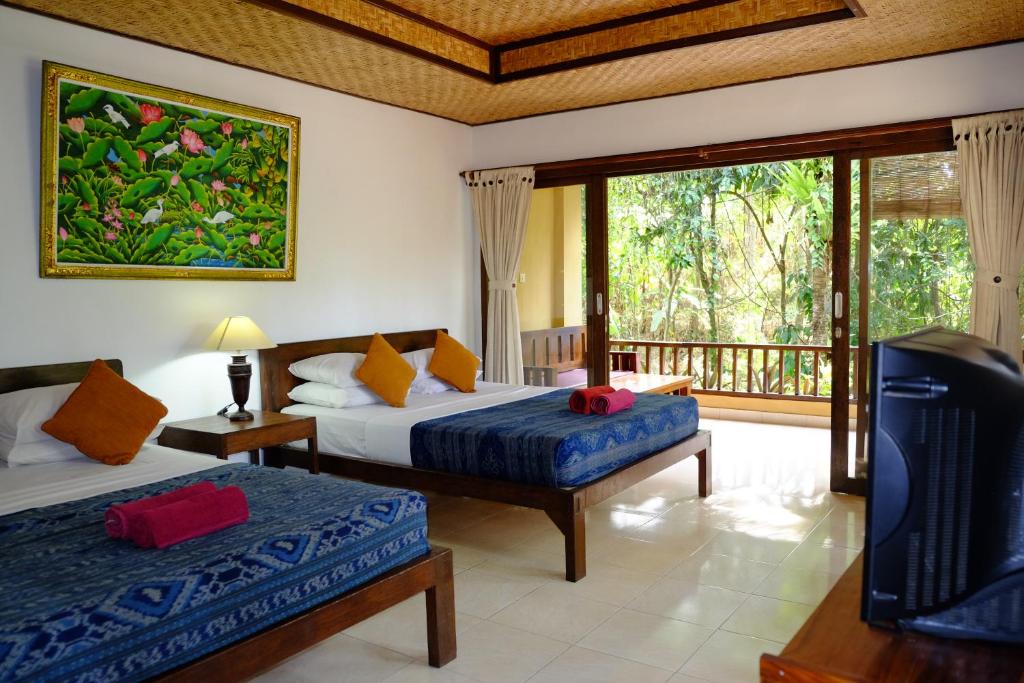
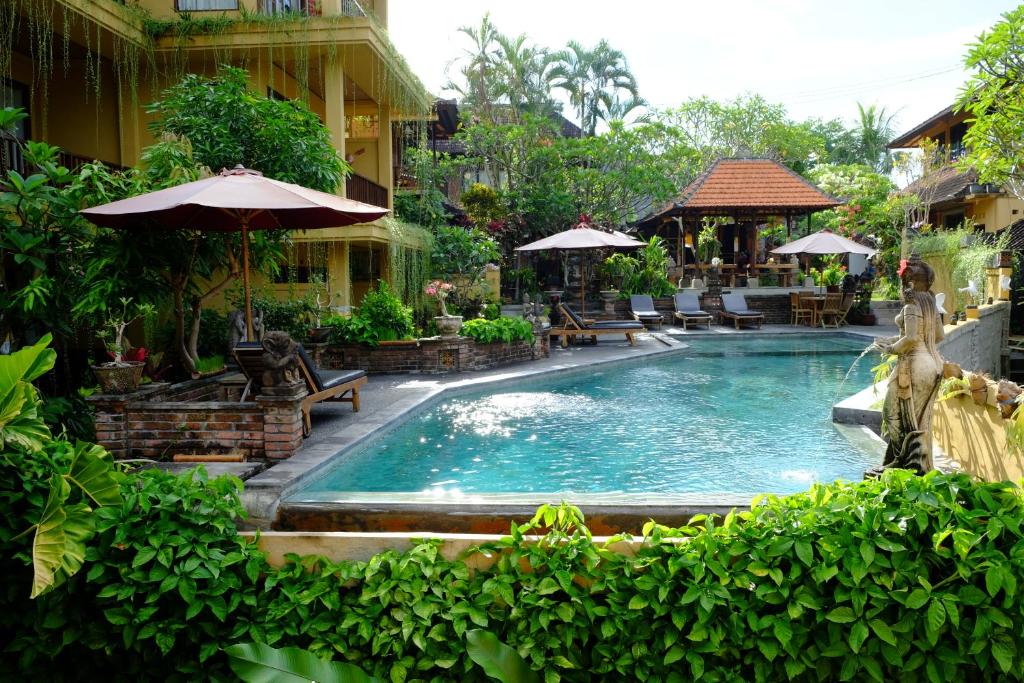


The most iconic spot around Ubud. We recommend heading to the Tegallalang Rice Terraces early in the morning, when the landscape is bathed in morning light and most tourists are still asleep. It’s right here that you'll truly understand why Bali is nicknamed the Island of the Gods. After visiting the terraces, continue to one of the local coffee plantations, where you can taste traditional Balinese coffee, various types of tea, and learn about local agricultural traditions. Spend the afternoon visiting Tirta Empul Temple, one of the most important Hindu temples in Bali, known for its sacred springs and purification rituals. Upon returning to Ubud, walk through Saraswati Temple, the traditional market, and the historic city center. We recommend ending the evening with a traditional Kecak dance performance at the royal palace grounds, which is one of the most authentic cultural experiences on the island.
The Tegallalang Rice Terraces are among the most iconic spots in Bali, perfectly capturing the landscape that most people associate with the island. The endless green terraces carved into the hillsides create a unique mosaic of fields, which have been irrigated for centuries by the traditional subak system, a UNESCO World Heritage site. The terraces have the most beautiful atmosphere early in the morning, when a light mist hangs over the valley and sunbeams gradually illuminate the individual levels of the rice paddies. It is in these moments that it is easy to understand why Tegallalang is one of the most photographed places in all of Bali.
After visiting the rice terraces, head over to Bali Pulina Coffee, one of the most famous coffee plantations near Ubud. During a short tour, you'll learn about traditional Balinese coffee production and get to taste several types of local coffees and teas while enjoying the view of the tropical Balinese landscape.
Tirta Empul is one of the most significant Hindu temples in Bali and is best known for its sacred springs, which are believed by local traditions to have cleansing and healing powers. The temple was founded as early as the 10th century and still serves as a major pilgrimage site for Balinese from across the island. The biggest draw is the stone pools fed by crystal-clear spring water, where both locals and visitors undergo the traditional purification ritual known as melukat. During this, they pass one by one under the water spouts, symbolically washing away negative energy. Beyond the springs themselves, the beautifully decorated temple complex is also worth seeing, with its traditional Balinese architecture, statues, and tropical gardens. Tirta Empul offers a unique opportunity to glimpse the spiritual side of Bali, which remains an integral part of the daily lives of the local people.
Ubud is considered the cultural and spiritual heart of Bali. At every turn, you will encounter small shrines, the scent of incense from daily offerings, and glimpses of Balinese culture that remain a vibrant part of everyday life here. Although Ubud is one of the most visited places in Bali, it still manages to retain its unique charm. You only need to step off the main streets to find yourself, within minutes, among palm trees, temples, and rice fields, where life flows at a much slower pace.

Pura Taman Saraswati is one of the most beautiful temples in Ubud and is dedicated to Saraswati, the Hindu goddess of wisdom, art, and learning. The temple is located right in the city center, yet it retains a peaceful and almost magical atmosphere. The biggest symbol of the temple is the long lotus pond that leads to the main sanctuary. Especially when the lotuses are in bloom, this place is one of the most photogenic spots in all of Bali. Traditional Balinese architecture, richly decorated gates, and intricately carved stone statues perfectly showcase the craftsmanship for which Bali is famous. In the evening, the area often transforms into a backdrop for traditional dance performances, allowing you to experience Balinese culture in the authentic setting of the temple.
The traditional Ubud market is one of the liveliest spots in town and offers a great opportunity to get a glimpse into the daily lives of the locals. Narrow alleys full of stalls entice visitors with handmade souvenirs, wicker bags, wood carvings, paintings, jewelry, and traditional Balinese textiles. Haggling is a standard part of shopping here, and local vendors take it with a smile and good humor. The market is located right in the center of Ubud, opposite the Royal Palace, so you can easily combine your visit with a walk through the town's historic center. It's the perfect place to pick up your first souvenirs and soak up the vibrant atmosphere of Bali's cultural heart.
Ubud Palace is the historic residence of the royal family and one of the most significant landmarks in the center of Ubud. Its traditional Balinese architecture, ornate gates, and tropical gardens recall a time when Ubud was the center of local rulers and art. The palace has the best atmosphere after dark, when its courtyard turns into a backdrop for traditional Balinese dance performances. Colorful costumes, lively gamelan music, and stories based on Hindu mythology create one of the most authentic cultural experiences you can have in Bali.
The third day will be at a much more relaxed pace, showing you a different side of Bali than the day before. In the morning, we recommend heading to the Campuhan Ridge Walk, one of the most beautiful walks around Ubud, which leads through tropical vegetation and offers stunning views of the surrounding valleys. During the day, visit the Tibumana waterfall, one of the most picturesque in the Ubud area. Hidden among palm trees and lush greenery, it offers a refreshing break and a calmer atmosphere than Bali's more famous waterfalls. If you're not in the mood for more exploring, spend the afternoon relaxing in one of the local wellness centers and treat yourself to a traditional Balinese massage. Ubud is the perfect place to slow down like this, and the combination of nature, culture, and relaxation is exactly why most Bali visitors fall in love with it.
Campuhan Ridge Walk is one of the most beautiful walks around Ubud and the perfect place to escape the bustle of the city for a while. The trail leads along a ridge amidst tropical vegetation and offers wonderful views of green valleys, palm groves, and the surrounding Balinese landscape. The route is not difficult and almost anyone can manage it. It has the most beautiful atmosphere early in the morning or late in the afternoon when the temperature is more pleasant and the surrounding landscape takes on a soft, golden light. It is in these moments that Bali feels its most peaceful and authentic. It is one of the places where you best understand why Bali has earned its reputation as a destination associated with peace, nature, and a slow pace of life.
- More information here.
Tibumana Waterfall is one of the most beautiful and peaceful waterfalls near Ubud. Hidden in the middle of the tropical jungle, it feels like a place from another world—a high stream of water crashing into a natural pool surrounded by dense vegetation creates a perfectly photogenic scene. The path to the waterfall leads through palm trees, bamboo groves, and small bridges over the tropical landscape, making the walk itself an experience. Unlike some of the more famous waterfalls in Bali, Tibumana still retains a quieter atmosphere and feels much more authentic. Thanks to the natural pool below, it’s an ideal spot for a refreshing dip on a hot day. The combination of tropical nature, tranquility, and beautiful scenery makes Tibumana one of the most pleasant waterfalls around Ubud.
Leave the busier part of Bali behind and head to the Munduk mountain region, which is one of the most beautiful and peaceful parts of the island. As you gain altitude, the landscape gradually changes — tropical forests give way to mountain slopes, coffee plantations, and mist-covered valleys. Along the way, we recommend stopping at Lake Bratan and the iconic Ulun Danu Beratan temple, one of the most photographed spots in Bali. Built on the shore of the lake, the temple creates an almost fairytale-like scene in the morning mist and perfectly captures the spiritual atmosphere of the island. Upon arriving in Munduk, enjoy the slower pace of highland Bali, take a walk around the area, and soak up the fresh mountain air, far away from the busiest tourist areas.
Lake Bratan (Danau Beratan) is one of the most beautiful mountain lakes in Bali and the first major stop on the way from Ubud to the Munduk region. The lake lies at an altitude of almost 1,200 meters, and thanks to the cooler climate, it feels completely different from the tropical parts of the island. The surrounding landscape consists of green mountains, mist-covered slopes, and the calm surface of the lake, which often creates an almost fairy-tale atmosphere. The lake is an important water source for a large part of the island and has played a significant role in traditional Balinese agriculture for centuries. Today, it is a popular place for walks, relaxation, and exploring one of the most picturesque parts of Bali.
Ulun Danu Beratan is one of the most iconic temples on Bali, and its silhouette frequently appears on postcards and photos from the island. The temple was built in the 17th century on the shores of Lake Bratan and is dedicated to the water goddess Dewi Danu, who, according to local traditions, ensures a good harvest and plenty of water for the surrounding areas. The greatest charm of the temple lies in its location. When the lake level is high, the individual shrines seem to float right on the water's surface. Combined with the surrounding mountains and frequent morning mist, it creates one of the most beautiful scenes on all of Bali. Ulun Danu Beratan is not just a tourist attraction, but still an active religious site where locals regularly bring offerings and participate in traditional Hindu ceremonies.
Munduk is a small mountain village hidden in the green hills of northern Bali that has maintained a peaceful and authentic atmosphere to this day. Unlike the busier parts of the island, here you will find fresh mountain air, tropical forests, coffee plantations, and beautiful views of the surrounding valleys. Thanks to its location, Munduk is an ideal base for exploring northern Bali. In the area, there are dozens of waterfalls, traditional plantations, and lesser-known trails leading through the jungle and mountain landscape. Munduk is a place where Bali shows its calmer, less touristy face. Instead of beach clubs and busy streets, you can look forward to the sounds of the jungle, mist hovering over the hills, and an atmosphere that invites you to slow down.


Discovering the natural beauty of northern Bali. The area around Munduk is known for its dense jungle, mountainous landscape, and dozens of waterfalls hidden among tropical vegetation. The biggest highlight of the day is Sekumpul Waterfall, often called the most beautiful waterfall on all of Bali. Several massive streams of water falling from high cliffs create scenery that looks more like a movie set than a real place. During the day, we also recommend visiting Banyumala Twin Falls, a pair of waterfalls hidden in the tropical forest with a natural pool perfect for swimming. If you have time left, stop at one of the local coffee plantations and enjoy the peaceful atmosphere of mountainous Bali, which is miles away from the busy south of the island.
Sekumpul Waterfall is often described as the most beautiful waterfall in all of Bali. Hidden deep in the tropical jungle of northern Bali, it offers scenery that feels like something out of an adventure movie. The name "Sekumpul" translates to "group" and refers to several massive waterfalls cascading from high cliffs into the green valley below. The sight of multiple streams of water surrounded by dense vegetation is one of the most impressive natural scenes on the entire island. The journey to the waterfall involves stairs, paths winding through tropical plants, and crossing small rivers, making the trek itself just as much of an experience as the destination. The reward is stunning views, a refreshing climate, and an atmosphere miles away from Bali's bustling tourist areas.
The waterfall consists of two main streams of water falling side by side into a clear natural pool, which is ideal for a refreshing swim. It is precisely because of this double waterfall that the place got its name, "Twin Falls." Unlike the dramatic Sekumpul, Banyumala feels much calmer and more intimate. It's the perfect place to stop during the day, take a short rest in nature, and enjoy one of the most beautiful landscapes in northern Bali. The combination of tropical jungle, clear water, and minimal bustle creates an atmosphere that perfectly captures the less-discovered and more authentic part of the island.
Head to the north coast of Bali to the Lovina area. Lovina is a quiet coastal region in the north of Bali that stretches along several small villages, offering a completely different atmosphere than the more well-known tourist resorts in the south of the island. Instead of luxury beach clubs and busy streets, you'll find black volcanic beaches, traditional fishing boats, and a relaxed pace of life that the north of Bali has managed to preserve. The biggest draw of Lovina is the morning dolphin-watching trips. Even before sunrise, traditional Balinese boats head out to the open sea, where there is a high chance of spotting pods of dolphins in their natural habitat. Watching the sunrise over the ocean with dolphins jumping around the boats is one of the unforgettable experiences of northern Bali. You can spend the rest of the day relaxing by the sea, walking along the coast, or just enjoying the laid-back atmosphere of an area that, despite its growing popularity, still retains its authentic character.
Lovina Beach is the main beach in the Lovina area and one of the most famous spots in northern Bali. Unlike the white-sand beaches in the south of the island, the coastline here is made of dark volcanic sand, a reminder of Bali's volcanic origins. The beach is primarily known for its calm atmosphere, minimal waves, and gorgeous sunrises. It's from here that traditional 'jukung' fishing boats head out every morning for dolphin-watching trips, which are one of the area's biggest attractions. Lovina Beach isn't a place for surfing or a bustling beach scene. Instead, it offers relaxing strolls along the coast, local restaurants with sea views, and a northern Balinese vibe that’s much more authentic and laid-back than the famous resorts in the south.


Head over to the east coast of Bali to the Amed area, one of the island's most beautiful and authentic spots. Unlike the busy south, you'll find quiet fishing villages, a dramatic coastline, and stunning views of Mount Agung, which towers over eastern Bali. Amed is famous for its underwater world and is easily one of the best places to snorkel on the entire island. We recommend spending the day at Amed Beach, where you can explore coral reefs, spot sea turtles, or head to the famous Japanese Shipwreck, a WWII wreck that's now home to dozens of tropical fish species. After an active day by the ocean, enjoy a sunset view over the sea and the volcanic coast—it’s hands down one of the most picturesque scenes in eastern Bali.
Amed Beach is the main beach in the Amed area and one of the best spots on Bali for snorkeling and exploring the underwater world. Unlike the white beaches in the south of the island, here you will find dark volcanic sand, traditional fishing boats, and stunning views of Mount Agung rising above the coast. A peaceful atmosphere, crystal-clear water, and a rich underwater world make Amed a favorite destination for ocean lovers. Just a few meters from the shore, you can observe coral reefs, tropical fish, and sea turtles. Despite its growing popularity, Amed still maintains the authentic character of fishing villages and offers a much calmer atmosphere than the better-known tourist areas in southern Bali.
The Japanese Shipwreck is one of the most famous snorkeling spots in Bali and a major reason why underwater enthusiasts head to the Amed area. The wreck of a World War II Japanese ship lies just a few meters off the coast and has transformed over the years into a vibrant coral reef teeming with marine life. Thanks to its location in shallow, clear water, the site is easily accessible directly from the beach and is suitable even for beginners. While snorkeling, you can spot colorful tropical fish, corals, starfish, and other sea creatures that have made the wreck their home.


Some of the most iconic views on all of Bali. Head up into the mountains to the Lahangan Sweet viewpoint, where you'll find breathtaking panoramas of the majestic Mount Agung, the island's highest peak and a sacred symbol of Balinese culture. After visiting the lookout, continue to Lempuyang Temple, one of the most significant Hindu temples in Bali. This is where you'll find the famous "Gateway to Heaven," which frames a perfect view of Mount Agung on a clear day and ranks among the most photographed spots on the entire island.
From the viewing platforms, a landscape full of green hills and tropical forests unfolds before you, with the massive cone of Mount Agung rising in the distance—a sacred mountain for the Balinese and a symbol of the island. At sunrise or sunset, the whole place takes on an almost magical atmosphere.
Lempuyang Temple is one of Bali's most sacred temples and part of a vast temple complex on the slopes of Mount Lempuyang. The main attraction for visitors is the famous "Gate of Heaven," which, on a clear day, provides a perfect frame for the view of Mount Agung. The temple is a significant pilgrimage site and holds deep spiritual meaning for the local people. Beyond the iconic gate, the temple grounds themselves are worth a visit, offering stunning views of the surrounding landscape of East Bali.
The last full day of your road trip takes you to the south of Bali, to the Uluwatu area, which is famous for its dramatic cliffs, stunning beaches, and some of the most beautiful sunsets on the entire island. After days spent among rice terraces, waterfalls, and mountain landscapes, you can look forward to the endless ocean, white beaches, and massive limestone cliffs towering high above the sea. During the day, we recommend visiting Padang Padang and Thomas Beach, which are among the most beautiful in the whole region. Each offers a slightly different atmosphere, but both share crystal-clear water, fine sand, and the typical laid-back vibe of southern Bali. End your evening with a visit to the Uluwatu Temple, perched on the edge of a seventy-meter-high cliff overlooking the Indian Ocean. It is here that the traditional Kecak Fire Dance performance takes place at sunset, which is often one of the most powerful experiences of a trip to Bali for many travelers.
Padang Padang Beach is one of the most famous beaches in Bali, made popular in part by the movie Eat Pray Love. This small beach, tucked away between high limestone cliffs, feels like a secret cove and offers one of the most photogenic sceneries on the entire island. You access the beach through a narrow gap between the rocks, which only adds to its unique atmosphere. With its turquoise water, light sand, and surrounding cliffs, it’s the perfect spot for swimming, relaxing, and getting your first taste of the Uluwatu coast.
Thomas Beach offers a quieter alternative to the more famous beaches in the Uluwatu area. A long stretch of light sand, clear water, and fewer visitors make it an ideal place to relax during your final days on Bali. The beach is tucked under high cliffs and, thanks to its location, retains a laid-back atmosphere far from the busiest tourist spots. You can go for a swim here, relax in the shade of umbrellas, or simply enjoy the view of the Indian Ocean.
Uluwatu Temple is one of the most significant and beautifully situated temples on Bali. It stands atop a cliff approximately seventy meters high, offering breathtaking views of the Indian Ocean and the endless coastline of southern Bali. The temple was built as early as the 11th century and remains one of the island's most important spiritual sites to this day. Beyond its architecture, visitors are primarily drawn by its unique location on the edge of steep cliffs, which creates one of the most iconic sceneries in all of Bali.
Uluwatu Temple has the best atmosphere at sunset, when the entire area glows in golden hues and the ocean far below reflects the last rays of the day. It is precisely at this time that the traditional Kecak Fire Dance performance takes place here, combining Balinese music, dance, and stories from Hindu mythology. The combination of dramatic cliffs, the sunset, and a unique cultural show creates one of the most magical experiences you can have while visiting Bali.


The last day of your Bali road trip will be all about slowing down and saying goodbye to the Island of the Gods. If your flight time allows, treat yourself to a leisurely breakfast, one last beach stroll, or a morning coffee with an ocean view. After days spent among rice terraces, waterfalls, temples, volcanoes, and tropical beaches, it's time to head to the airport and start your journey home. But Bali isn't a destination that's easy to forget. You'll carry with you the scent of incense drifting from temples, the endless green of the rice fields, the smiles of the locals, and the atmosphere of an island where life flows just a little slower than in the rest of the world. And perhaps that is why so many travelers return here again and again.
Don't forget to be at the airport at least 2 or 3 hours before your flight, drop off your car, and head to your gate. Have a pleasant trip home with your head full of memories!
Bali is an island that most people associate with rice terraces, temples, and endless beaches. But as soon as you leave the main tourist hubs and head out on a road trip across the island, you'll discover a much more diverse side of Bali—waterfalls hidden in the jungle, volcanoes shrouded in morning mist, small villages with traditional ways of life, and coastlines where the ocean meets dramatic cliffs. During this road trip, you'll travel through the most beautiful parts of the island, from the cultural heart of Bali in Ubud, through mountainous regions and iconic temples, to the tropical beaches in the south. Sunrises over volcanoes, swimming under waterfalls, endless views of rice fields, and evenings with an atmosphere that only Indonesia can offer await you.
Bali isn't a destination you need to rush. The island's greatest charm lies in its slow pace, the scent of incense wafting from temples, the smiles of the locals, and the feeling that every new day will bring an experience completely different from the last.
On your first day after arrival, you'll head to Ubud, the cultural and spiritual heart of the island, which is the perfect place to get a feel for the Balinese vibe. Check into your hotel, take a walk around, and soak in Ubud's unique atmosphere.
Pick up your rental car at the airport and hit the road.
The streets of Ubud are a mix of incense from temple offerings, the sounds of scooters and tropical greenery, and at every step you'll find small temples, cafes, or traditional Balinese houses. Treat yourself to your first Indonesian dinner, take a walk through the city center, and tune into the slower pace of life that will accompany you throughout Bali over the next few days.
The most iconic spot around Ubud. We recommend heading to the Tegallalang Rice Terraces early in the morning, when the landscape is bathed in morning light and most tourists are still asleep. It’s right here that you'll truly understand why Bali is nicknamed the Island of the Gods. After visiting the terraces, continue to one of the local coffee plantations, where you can taste traditional Balinese coffee, various types of tea, and learn about local agricultural traditions. Spend the afternoon visiting Tirta Empul Temple, one of the most important Hindu temples in Bali, known for its sacred springs and purification rituals. Upon returning to Ubud, walk through Saraswati Temple, the traditional market, and the historic city center. We recommend ending the evening with a traditional Kecak dance performance at the royal palace grounds, which is one of the most authentic cultural experiences on the island.
The Tegallalang Rice Terraces are among the most iconic spots in Bali, perfectly capturing the landscape that most people associate with the island. The endless green terraces carved into the hillsides create a unique mosaic of fields, which have been irrigated for centuries by the traditional subak system, a UNESCO World Heritage site. The terraces have the most beautiful atmosphere early in the morning, when a light mist hangs over the valley and sunbeams gradually illuminate the individual levels of the rice paddies. It is in these moments that it is easy to understand why Tegallalang is one of the most photographed places in all of Bali.
After visiting the rice terraces, head over to Bali Pulina Coffee, one of the most famous coffee plantations near Ubud. During a short tour, you'll learn about traditional Balinese coffee production and get to taste several types of local coffees and teas while enjoying the view of the tropical Balinese landscape.
Tirta Empul is one of the most significant Hindu temples in Bali and is best known for its sacred springs, which are believed by local traditions to have cleansing and healing powers. The temple was founded as early as the 10th century and still serves as a major pilgrimage site for Balinese from across the island. The biggest draw is the stone pools fed by crystal-clear spring water, where both locals and visitors undergo the traditional purification ritual known as melukat. During this, they pass one by one under the water spouts, symbolically washing away negative energy. Beyond the springs themselves, the beautifully decorated temple complex is also worth seeing, with its traditional Balinese architecture, statues, and tropical gardens. Tirta Empul offers a unique opportunity to glimpse the spiritual side of Bali, which remains an integral part of the daily lives of the local people.
Ubud is considered the cultural and spiritual heart of Bali. At every turn, you will encounter small shrines, the scent of incense from daily offerings, and glimpses of Balinese culture that remain a vibrant part of everyday life here. Although Ubud is one of the most visited places in Bali, it still manages to retain its unique charm. You only need to step off the main streets to find yourself, within minutes, among palm trees, temples, and rice fields, where life flows at a much slower pace.
Pura Taman Saraswati is one of the most beautiful temples in Ubud and is dedicated to Saraswati, the Hindu goddess of wisdom, art, and learning. The temple is located right in the city center, yet it retains a peaceful and almost magical atmosphere. The biggest symbol of the temple is the long lotus pond that leads to the main sanctuary. Especially when the lotuses are in bloom, this place is one of the most photogenic spots in all of Bali. Traditional Balinese architecture, richly decorated gates, and intricately carved stone statues perfectly showcase the craftsmanship for which Bali is famous. In the evening, the area often transforms into a backdrop for traditional dance performances, allowing you to experience Balinese culture in the authentic setting of the temple.
The traditional Ubud market is one of the liveliest spots in town and offers a great opportunity to get a glimpse into the daily lives of the locals. Narrow alleys full of stalls entice visitors with handmade souvenirs, wicker bags, wood carvings, paintings, jewelry, and traditional Balinese textiles. Haggling is a standard part of shopping here, and local vendors take it with a smile and good humor. The market is located right in the center of Ubud, opposite the Royal Palace, so you can easily combine your visit with a walk through the town's historic center. It's the perfect place to pick up your first souvenirs and soak up the vibrant atmosphere of Bali's cultural heart.
Ubud Palace is the historic residence of the royal family and one of the most significant landmarks in the center of Ubud. Its traditional Balinese architecture, ornate gates, and tropical gardens recall a time when Ubud was the center of local rulers and art. The palace has the best atmosphere after dark, when its courtyard turns into a backdrop for traditional Balinese dance performances. Colorful costumes, lively gamelan music, and stories based on Hindu mythology create one of the most authentic cultural experiences you can have in Bali.
The third day will be at a much more relaxed pace, showing you a different side of Bali than the day before. In the morning, we recommend heading to the Campuhan Ridge Walk, one of the most beautiful walks around Ubud, which leads through tropical vegetation and offers stunning views of the surrounding valleys. During the day, visit the Tibumana waterfall, one of the most picturesque in the Ubud area. Hidden among palm trees and lush greenery, it offers a refreshing break and a calmer atmosphere than Bali's more famous waterfalls. If you're not in the mood for more exploring, spend the afternoon relaxing in one of the local wellness centers and treat yourself to a traditional Balinese massage. Ubud is the perfect place to slow down like this, and the combination of nature, culture, and relaxation is exactly why most Bali visitors fall in love with it.
Campuhan Ridge Walk is one of the most beautiful walks around Ubud and the perfect place to escape the bustle of the city for a while. The trail leads along a ridge amidst tropical vegetation and offers wonderful views of green valleys, palm groves, and the surrounding Balinese landscape. The route is not difficult and almost anyone can manage it. It has the most beautiful atmosphere early in the morning or late in the afternoon when the temperature is more pleasant and the surrounding landscape takes on a soft, golden light. It is in these moments that Bali feels its most peaceful and authentic. It is one of the places where you best understand why Bali has earned its reputation as a destination associated with peace, nature, and a slow pace of life.
- More information here.
Tibumana Waterfall is one of the most beautiful and peaceful waterfalls near Ubud. Hidden in the middle of the tropical jungle, it feels like a place from another world—a high stream of water crashing into a natural pool surrounded by dense vegetation creates a perfectly photogenic scene. The path to the waterfall leads through palm trees, bamboo groves, and small bridges over the tropical landscape, making the walk itself an experience. Unlike some of the more famous waterfalls in Bali, Tibumana still retains a quieter atmosphere and feels much more authentic. Thanks to the natural pool below, it’s an ideal spot for a refreshing dip on a hot day. The combination of tropical nature, tranquility, and beautiful scenery makes Tibumana one of the most pleasant waterfalls around Ubud.
Leave the busier part of Bali behind and head to the Munduk mountain region, which is one of the most beautiful and peaceful parts of the island. As you gain altitude, the landscape gradually changes — tropical forests give way to mountain slopes, coffee plantations, and mist-covered valleys. Along the way, we recommend stopping at Lake Bratan and the iconic Ulun Danu Beratan temple, one of the most photographed spots in Bali. Built on the shore of the lake, the temple creates an almost fairytale-like scene in the morning mist and perfectly captures the spiritual atmosphere of the island. Upon arriving in Munduk, enjoy the slower pace of highland Bali, take a walk around the area, and soak up the fresh mountain air, far away from the busiest tourist areas.
Lake Bratan (Danau Beratan) is one of the most beautiful mountain lakes in Bali and the first major stop on the way from Ubud to the Munduk region. The lake lies at an altitude of almost 1,200 meters, and thanks to the cooler climate, it feels completely different from the tropical parts of the island. The surrounding landscape consists of green mountains, mist-covered slopes, and the calm surface of the lake, which often creates an almost fairy-tale atmosphere. The lake is an important water source for a large part of the island and has played a significant role in traditional Balinese agriculture for centuries. Today, it is a popular place for walks, relaxation, and exploring one of the most picturesque parts of Bali.
Ulun Danu Beratan is one of the most iconic temples on Bali, and its silhouette frequently appears on postcards and photos from the island. The temple was built in the 17th century on the shores of Lake Bratan and is dedicated to the water goddess Dewi Danu, who, according to local traditions, ensures a good harvest and plenty of water for the surrounding areas. The greatest charm of the temple lies in its location. When the lake level is high, the individual shrines seem to float right on the water's surface. Combined with the surrounding mountains and frequent morning mist, it creates one of the most beautiful scenes on all of Bali. Ulun Danu Beratan is not just a tourist attraction, but still an active religious site where locals regularly bring offerings and participate in traditional Hindu ceremonies.
Munduk is a small mountain village hidden in the green hills of northern Bali that has maintained a peaceful and authentic atmosphere to this day. Unlike the busier parts of the island, here you will find fresh mountain air, tropical forests, coffee plantations, and beautiful views of the surrounding valleys. Thanks to its location, Munduk is an ideal base for exploring northern Bali. In the area, there are dozens of waterfalls, traditional plantations, and lesser-known trails leading through the jungle and mountain landscape. Munduk is a place where Bali shows its calmer, less touristy face. Instead of beach clubs and busy streets, you can look forward to the sounds of the jungle, mist hovering over the hills, and an atmosphere that invites you to slow down.
Discovering the natural beauty of northern Bali. The area around Munduk is known for its dense jungle, mountainous landscape, and dozens of waterfalls hidden among tropical vegetation. The biggest highlight of the day is Sekumpul Waterfall, often called the most beautiful waterfall on all of Bali. Several massive streams of water falling from high cliffs create scenery that looks more like a movie set than a real place. During the day, we also recommend visiting Banyumala Twin Falls, a pair of waterfalls hidden in the tropical forest with a natural pool perfect for swimming. If you have time left, stop at one of the local coffee plantations and enjoy the peaceful atmosphere of mountainous Bali, which is miles away from the busy south of the island.
Sekumpul Waterfall is often described as the most beautiful waterfall in all of Bali. Hidden deep in the tropical jungle of northern Bali, it offers scenery that feels like something out of an adventure movie. The name "Sekumpul" translates to "group" and refers to several massive waterfalls cascading from high cliffs into the green valley below. The sight of multiple streams of water surrounded by dense vegetation is one of the most impressive natural scenes on the entire island. The journey to the waterfall involves stairs, paths winding through tropical plants, and crossing small rivers, making the trek itself just as much of an experience as the destination. The reward is stunning views, a refreshing climate, and an atmosphere miles away from Bali's bustling tourist areas.
The waterfall consists of two main streams of water falling side by side into a clear natural pool, which is ideal for a refreshing swim. It is precisely because of this double waterfall that the place got its name, "Twin Falls." Unlike the dramatic Sekumpul, Banyumala feels much calmer and more intimate. It's the perfect place to stop during the day, take a short rest in nature, and enjoy one of the most beautiful landscapes in northern Bali. The combination of tropical jungle, clear water, and minimal bustle creates an atmosphere that perfectly captures the less-discovered and more authentic part of the island.
Head to the north coast of Bali to the Lovina area. Lovina is a quiet coastal region in the north of Bali that stretches along several small villages, offering a completely different atmosphere than the more well-known tourist resorts in the south of the island. Instead of luxury beach clubs and busy streets, you'll find black volcanic beaches, traditional fishing boats, and a relaxed pace of life that the north of Bali has managed to preserve. The biggest draw of Lovina is the morning dolphin-watching trips. Even before sunrise, traditional Balinese boats head out to the open sea, where there is a high chance of spotting pods of dolphins in their natural habitat. Watching the sunrise over the ocean with dolphins jumping around the boats is one of the unforgettable experiences of northern Bali. You can spend the rest of the day relaxing by the sea, walking along the coast, or just enjoying the laid-back atmosphere of an area that, despite its growing popularity, still retains its authentic character.
Lovina Beach is the main beach in the Lovina area and one of the most famous spots in northern Bali. Unlike the white-sand beaches in the south of the island, the coastline here is made of dark volcanic sand, a reminder of Bali's volcanic origins. The beach is primarily known for its calm atmosphere, minimal waves, and gorgeous sunrises. It's from here that traditional 'jukung' fishing boats head out every morning for dolphin-watching trips, which are one of the area's biggest attractions. Lovina Beach isn't a place for surfing or a bustling beach scene. Instead, it offers relaxing strolls along the coast, local restaurants with sea views, and a northern Balinese vibe that’s much more authentic and laid-back than the famous resorts in the south.
Head over to the east coast of Bali to the Amed area, one of the island's most beautiful and authentic spots. Unlike the busy south, you'll find quiet fishing villages, a dramatic coastline, and stunning views of Mount Agung, which towers over eastern Bali. Amed is famous for its underwater world and is easily one of the best places to snorkel on the entire island. We recommend spending the day at Amed Beach, where you can explore coral reefs, spot sea turtles, or head to the famous Japanese Shipwreck, a WWII wreck that's now home to dozens of tropical fish species. After an active day by the ocean, enjoy a sunset view over the sea and the volcanic coast—it’s hands down one of the most picturesque scenes in eastern Bali.
Amed Beach is the main beach in the Amed area and one of the best spots on Bali for snorkeling and exploring the underwater world. Unlike the white beaches in the south of the island, here you will find dark volcanic sand, traditional fishing boats, and stunning views of Mount Agung rising above the coast. A peaceful atmosphere, crystal-clear water, and a rich underwater world make Amed a favorite destination for ocean lovers. Just a few meters from the shore, you can observe coral reefs, tropical fish, and sea turtles. Despite its growing popularity, Amed still maintains the authentic character of fishing villages and offers a much calmer atmosphere than the better-known tourist areas in southern Bali.
The Japanese Shipwreck is one of the most famous snorkeling spots in Bali and a major reason why underwater enthusiasts head to the Amed area. The wreck of a World War II Japanese ship lies just a few meters off the coast and has transformed over the years into a vibrant coral reef teeming with marine life. Thanks to its location in shallow, clear water, the site is easily accessible directly from the beach and is suitable even for beginners. While snorkeling, you can spot colorful tropical fish, corals, starfish, and other sea creatures that have made the wreck their home.
Some of the most iconic views on all of Bali. Head up into the mountains to the Lahangan Sweet viewpoint, where you'll find breathtaking panoramas of the majestic Mount Agung, the island's highest peak and a sacred symbol of Balinese culture. After visiting the lookout, continue to Lempuyang Temple, one of the most significant Hindu temples in Bali. This is where you'll find the famous "Gateway to Heaven," which frames a perfect view of Mount Agung on a clear day and ranks among the most photographed spots on the entire island.
From the viewing platforms, a landscape full of green hills and tropical forests unfolds before you, with the massive cone of Mount Agung rising in the distance—a sacred mountain for the Balinese and a symbol of the island. At sunrise or sunset, the whole place takes on an almost magical atmosphere.
Lempuyang Temple is one of Bali's most sacred temples and part of a vast temple complex on the slopes of Mount Lempuyang. The main attraction for visitors is the famous "Gate of Heaven," which, on a clear day, provides a perfect frame for the view of Mount Agung. The temple is a significant pilgrimage site and holds deep spiritual meaning for the local people. Beyond the iconic gate, the temple grounds themselves are worth a visit, offering stunning views of the surrounding landscape of East Bali.
The last full day of your road trip takes you to the south of Bali, to the Uluwatu area, which is famous for its dramatic cliffs, stunning beaches, and some of the most beautiful sunsets on the entire island. After days spent among rice terraces, waterfalls, and mountain landscapes, you can look forward to the endless ocean, white beaches, and massive limestone cliffs towering high above the sea. During the day, we recommend visiting Padang Padang and Thomas Beach, which are among the most beautiful in the whole region. Each offers a slightly different atmosphere, but both share crystal-clear water, fine sand, and the typical laid-back vibe of southern Bali. End your evening with a visit to the Uluwatu Temple, perched on the edge of a seventy-meter-high cliff overlooking the Indian Ocean. It is here that the traditional Kecak Fire Dance performance takes place at sunset, which is often one of the most powerful experiences of a trip to Bali for many travelers.
Padang Padang Beach is one of the most famous beaches in Bali, made popular in part by the movie Eat Pray Love. This small beach, tucked away between high limestone cliffs, feels like a secret cove and offers one of the most photogenic sceneries on the entire island. You access the beach through a narrow gap between the rocks, which only adds to its unique atmosphere. With its turquoise water, light sand, and surrounding cliffs, it’s the perfect spot for swimming, relaxing, and getting your first taste of the Uluwatu coast.
Thomas Beach offers a quieter alternative to the more famous beaches in the Uluwatu area. A long stretch of light sand, clear water, and fewer visitors make it an ideal place to relax during your final days on Bali. The beach is tucked under high cliffs and, thanks to its location, retains a laid-back atmosphere far from the busiest tourist spots. You can go for a swim here, relax in the shade of umbrellas, or simply enjoy the view of the Indian Ocean.
Uluwatu Temple is one of the most significant and beautifully situated temples on Bali. It stands atop a cliff approximately seventy meters high, offering breathtaking views of the Indian Ocean and the endless coastline of southern Bali. The temple was built as early as the 11th century and remains one of the island's most important spiritual sites to this day. Beyond its architecture, visitors are primarily drawn by its unique location on the edge of steep cliffs, which creates one of the most iconic sceneries in all of Bali.
Uluwatu Temple has the best atmosphere at sunset, when the entire area glows in golden hues and the ocean far below reflects the last rays of the day. It is precisely at this time that the traditional Kecak Fire Dance performance takes place here, combining Balinese music, dance, and stories from Hindu mythology. The combination of dramatic cliffs, the sunset, and a unique cultural show creates one of the most magical experiences you can have while visiting Bali.
The last day of your Bali road trip will be all about slowing down and saying goodbye to the Island of the Gods. If your flight time allows, treat yourself to a leisurely breakfast, one last beach stroll, or a morning coffee with an ocean view. After days spent among rice terraces, waterfalls, temples, volcanoes, and tropical beaches, it's time to head to the airport and start your journey home. But Bali isn't a destination that's easy to forget. You'll carry with you the scent of incense drifting from temples, the endless green of the rice fields, the smiles of the locals, and the atmosphere of an island where life flows just a little slower than in the rest of the world. And perhaps that is why so many travelers return here again and again.
Don't forget to be at the airport at least 2 or 3 hours before your flight, drop off your car, and head to your gate. Have a pleasant trip home with your head full of memories!




itinerary by Loudavym krokem
Bali is an island that most people associate with rice terraces, temples, and endless beaches. But as soon as you leave the main tourist hubs and head out on a road trip across the island, you'll discover a much more diverse side of Bali—waterfalls hidden in the jungle, volcanoes shrouded in morning mist, small villages with traditional ways of life, and coastlines where the ocean meets dramatic cliffs. During this road trip, you'll travel through the most beautiful parts of the island, from the cultural heart of Bali in Ubud, through mountainous regions and iconic temples, to the tropical beaches in the south. Sunrises over volcanoes, swimming under waterfalls, endless views of rice fields, and evenings with an atmosphere that only Indonesia can offer await you.
Bali isn't a destination you need to rush. The island's greatest charm lies in its slow pace, the scent of incense wafting from temples, the smiles of the locals, and the feeling that every new day will bring an experience completely different from the last.
On your first day after arrival, you'll head to Ubud, the cultural and spiritual heart of the island, which is the perfect place to get a feel for the Balinese vibe. Check into your hotel, take a walk around, and soak in Ubud's unique atmosphere.
Pick up your rental car at the airport and hit the road.
The streets of Ubud are a mix of incense from temple offerings, the sounds of scooters and tropical greenery, and at every step you'll find small temples, cafes, or traditional Balinese houses. Treat yourself to your first Indonesian dinner, take a walk through the city center, and tune into the slower pace of life that will accompany you throughout Bali over the next few days.
The most iconic spot around Ubud. We recommend heading to the Tegallalang Rice Terraces early in the morning, when the landscape is bathed in morning light and most tourists are still asleep. It’s right here that you'll truly understand why Bali is nicknamed the Island of the Gods. After visiting the terraces, continue to one of the local coffee plantations, where you can taste traditional Balinese coffee, various types of tea, and learn about local agricultural traditions. Spend the afternoon visiting Tirta Empul Temple, one of the most important Hindu temples in Bali, known for its sacred springs and purification rituals. Upon returning to Ubud, walk through Saraswati Temple, the traditional market, and the historic city center. We recommend ending the evening with a traditional Kecak dance performance at the royal palace grounds, which is one of the most authentic cultural experiences on the island.
The Tegallalang Rice Terraces are among the most iconic spots in Bali, perfectly capturing the landscape that most people associate with the island. The endless green terraces carved into the hillsides create a unique mosaic of fields, which have been irrigated for centuries by the traditional subak system, a UNESCO World Heritage site. The terraces have the most beautiful atmosphere early in the morning, when a light mist hangs over the valley and sunbeams gradually illuminate the individual levels of the rice paddies. It is in these moments that it is easy to understand why Tegallalang is one of the most photographed places in all of Bali.
After visiting the rice terraces, head over to Bali Pulina Coffee, one of the most famous coffee plantations near Ubud. During a short tour, you'll learn about traditional Balinese coffee production and get to taste several types of local coffees and teas while enjoying the view of the tropical Balinese landscape.
Tirta Empul is one of the most significant Hindu temples in Bali and is best known for its sacred springs, which are believed by local traditions to have cleansing and healing powers. The temple was founded as early as the 10th century and still serves as a major pilgrimage site for Balinese from across the island. The biggest draw is the stone pools fed by crystal-clear spring water, where both locals and visitors undergo the traditional purification ritual known as melukat. During this, they pass one by one under the water spouts, symbolically washing away negative energy. Beyond the springs themselves, the beautifully decorated temple complex is also worth seeing, with its traditional Balinese architecture, statues, and tropical gardens. Tirta Empul offers a unique opportunity to glimpse the spiritual side of Bali, which remains an integral part of the daily lives of the local people.
Ubud is considered the cultural and spiritual heart of Bali. At every turn, you will encounter small shrines, the scent of incense from daily offerings, and glimpses of Balinese culture that remain a vibrant part of everyday life here. Although Ubud is one of the most visited places in Bali, it still manages to retain its unique charm. You only need to step off the main streets to find yourself, within minutes, among palm trees, temples, and rice fields, where life flows at a much slower pace.
Pura Taman Saraswati is one of the most beautiful temples in Ubud and is dedicated to Saraswati, the Hindu goddess of wisdom, art, and learning. The temple is located right in the city center, yet it retains a peaceful and almost magical atmosphere. The biggest symbol of the temple is the long lotus pond that leads to the main sanctuary. Especially when the lotuses are in bloom, this place is one of the most photogenic spots in all of Bali. Traditional Balinese architecture, richly decorated gates, and intricately carved stone statues perfectly showcase the craftsmanship for which Bali is famous. In the evening, the area often transforms into a backdrop for traditional dance performances, allowing you to experience Balinese culture in the authentic setting of the temple.
The traditional Ubud market is one of the liveliest spots in town and offers a great opportunity to get a glimpse into the daily lives of the locals. Narrow alleys full of stalls entice visitors with handmade souvenirs, wicker bags, wood carvings, paintings, jewelry, and traditional Balinese textiles. Haggling is a standard part of shopping here, and local vendors take it with a smile and good humor. The market is located right in the center of Ubud, opposite the Royal Palace, so you can easily combine your visit with a walk through the town's historic center. It's the perfect place to pick up your first souvenirs and soak up the vibrant atmosphere of Bali's cultural heart.
Ubud Palace is the historic residence of the royal family and one of the most significant landmarks in the center of Ubud. Its traditional Balinese architecture, ornate gates, and tropical gardens recall a time when Ubud was the center of local rulers and art. The palace has the best atmosphere after dark, when its courtyard turns into a backdrop for traditional Balinese dance performances. Colorful costumes, lively gamelan music, and stories based on Hindu mythology create one of the most authentic cultural experiences you can have in Bali.
The third day will be at a much more relaxed pace, showing you a different side of Bali than the day before. In the morning, we recommend heading to the Campuhan Ridge Walk, one of the most beautiful walks around Ubud, which leads through tropical vegetation and offers stunning views of the surrounding valleys. During the day, visit the Tibumana waterfall, one of the most picturesque in the Ubud area. Hidden among palm trees and lush greenery, it offers a refreshing break and a calmer atmosphere than Bali's more famous waterfalls. If you're not in the mood for more exploring, spend the afternoon relaxing in one of the local wellness centers and treat yourself to a traditional Balinese massage. Ubud is the perfect place to slow down like this, and the combination of nature, culture, and relaxation is exactly why most Bali visitors fall in love with it.
Campuhan Ridge Walk is one of the most beautiful walks around Ubud and the perfect place to escape the bustle of the city for a while. The trail leads along a ridge amidst tropical vegetation and offers wonderful views of green valleys, palm groves, and the surrounding Balinese landscape. The route is not difficult and almost anyone can manage it. It has the most beautiful atmosphere early in the morning or late in the afternoon when the temperature is more pleasant and the surrounding landscape takes on a soft, golden light. It is in these moments that Bali feels its most peaceful and authentic. It is one of the places where you best understand why Bali has earned its reputation as a destination associated with peace, nature, and a slow pace of life.
- More information here.
Tibumana Waterfall is one of the most beautiful and peaceful waterfalls near Ubud. Hidden in the middle of the tropical jungle, it feels like a place from another world—a high stream of water crashing into a natural pool surrounded by dense vegetation creates a perfectly photogenic scene. The path to the waterfall leads through palm trees, bamboo groves, and small bridges over the tropical landscape, making the walk itself an experience. Unlike some of the more famous waterfalls in Bali, Tibumana still retains a quieter atmosphere and feels much more authentic. Thanks to the natural pool below, it’s an ideal spot for a refreshing dip on a hot day. The combination of tropical nature, tranquility, and beautiful scenery makes Tibumana one of the most pleasant waterfalls around Ubud.
Leave the busier part of Bali behind and head to the Munduk mountain region, which is one of the most beautiful and peaceful parts of the island. As you gain altitude, the landscape gradually changes — tropical forests give way to mountain slopes, coffee plantations, and mist-covered valleys. Along the way, we recommend stopping at Lake Bratan and the iconic Ulun Danu Beratan temple, one of the most photographed spots in Bali. Built on the shore of the lake, the temple creates an almost fairytale-like scene in the morning mist and perfectly captures the spiritual atmosphere of the island. Upon arriving in Munduk, enjoy the slower pace of highland Bali, take a walk around the area, and soak up the fresh mountain air, far away from the busiest tourist areas.
Lake Bratan (Danau Beratan) is one of the most beautiful mountain lakes in Bali and the first major stop on the way from Ubud to the Munduk region. The lake lies at an altitude of almost 1,200 meters, and thanks to the cooler climate, it feels completely different from the tropical parts of the island. The surrounding landscape consists of green mountains, mist-covered slopes, and the calm surface of the lake, which often creates an almost fairy-tale atmosphere. The lake is an important water source for a large part of the island and has played a significant role in traditional Balinese agriculture for centuries. Today, it is a popular place for walks, relaxation, and exploring one of the most picturesque parts of Bali.
Ulun Danu Beratan is one of the most iconic temples on Bali, and its silhouette frequently appears on postcards and photos from the island. The temple was built in the 17th century on the shores of Lake Bratan and is dedicated to the water goddess Dewi Danu, who, according to local traditions, ensures a good harvest and plenty of water for the surrounding areas. The greatest charm of the temple lies in its location. When the lake level is high, the individual shrines seem to float right on the water's surface. Combined with the surrounding mountains and frequent morning mist, it creates one of the most beautiful scenes on all of Bali. Ulun Danu Beratan is not just a tourist attraction, but still an active religious site where locals regularly bring offerings and participate in traditional Hindu ceremonies.
Munduk is a small mountain village hidden in the green hills of northern Bali that has maintained a peaceful and authentic atmosphere to this day. Unlike the busier parts of the island, here you will find fresh mountain air, tropical forests, coffee plantations, and beautiful views of the surrounding valleys. Thanks to its location, Munduk is an ideal base for exploring northern Bali. In the area, there are dozens of waterfalls, traditional plantations, and lesser-known trails leading through the jungle and mountain landscape. Munduk is a place where Bali shows its calmer, less touristy face. Instead of beach clubs and busy streets, you can look forward to the sounds of the jungle, mist hovering over the hills, and an atmosphere that invites you to slow down.
Discovering the natural beauty of northern Bali. The area around Munduk is known for its dense jungle, mountainous landscape, and dozens of waterfalls hidden among tropical vegetation. The biggest highlight of the day is Sekumpul Waterfall, often called the most beautiful waterfall on all of Bali. Several massive streams of water falling from high cliffs create scenery that looks more like a movie set than a real place. During the day, we also recommend visiting Banyumala Twin Falls, a pair of waterfalls hidden in the tropical forest with a natural pool perfect for swimming. If you have time left, stop at one of the local coffee plantations and enjoy the peaceful atmosphere of mountainous Bali, which is miles away from the busy south of the island.
Sekumpul Waterfall is often described as the most beautiful waterfall in all of Bali. Hidden deep in the tropical jungle of northern Bali, it offers scenery that feels like something out of an adventure movie. The name "Sekumpul" translates to "group" and refers to several massive waterfalls cascading from high cliffs into the green valley below. The sight of multiple streams of water surrounded by dense vegetation is one of the most impressive natural scenes on the entire island. The journey to the waterfall involves stairs, paths winding through tropical plants, and crossing small rivers, making the trek itself just as much of an experience as the destination. The reward is stunning views, a refreshing climate, and an atmosphere miles away from Bali's bustling tourist areas.
The waterfall consists of two main streams of water falling side by side into a clear natural pool, which is ideal for a refreshing swim. It is precisely because of this double waterfall that the place got its name, "Twin Falls." Unlike the dramatic Sekumpul, Banyumala feels much calmer and more intimate. It's the perfect place to stop during the day, take a short rest in nature, and enjoy one of the most beautiful landscapes in northern Bali. The combination of tropical jungle, clear water, and minimal bustle creates an atmosphere that perfectly captures the less-discovered and more authentic part of the island.
Head to the north coast of Bali to the Lovina area. Lovina is a quiet coastal region in the north of Bali that stretches along several small villages, offering a completely different atmosphere than the more well-known tourist resorts in the south of the island. Instead of luxury beach clubs and busy streets, you'll find black volcanic beaches, traditional fishing boats, and a relaxed pace of life that the north of Bali has managed to preserve. The biggest draw of Lovina is the morning dolphin-watching trips. Even before sunrise, traditional Balinese boats head out to the open sea, where there is a high chance of spotting pods of dolphins in their natural habitat. Watching the sunrise over the ocean with dolphins jumping around the boats is one of the unforgettable experiences of northern Bali. You can spend the rest of the day relaxing by the sea, walking along the coast, or just enjoying the laid-back atmosphere of an area that, despite its growing popularity, still retains its authentic character.
Lovina Beach is the main beach in the Lovina area and one of the most famous spots in northern Bali. Unlike the white-sand beaches in the south of the island, the coastline here is made of dark volcanic sand, a reminder of Bali's volcanic origins. The beach is primarily known for its calm atmosphere, minimal waves, and gorgeous sunrises. It's from here that traditional 'jukung' fishing boats head out every morning for dolphin-watching trips, which are one of the area's biggest attractions. Lovina Beach isn't a place for surfing or a bustling beach scene. Instead, it offers relaxing strolls along the coast, local restaurants with sea views, and a northern Balinese vibe that’s much more authentic and laid-back than the famous resorts in the south.
Head over to the east coast of Bali to the Amed area, one of the island's most beautiful and authentic spots. Unlike the busy south, you'll find quiet fishing villages, a dramatic coastline, and stunning views of Mount Agung, which towers over eastern Bali. Amed is famous for its underwater world and is easily one of the best places to snorkel on the entire island. We recommend spending the day at Amed Beach, where you can explore coral reefs, spot sea turtles, or head to the famous Japanese Shipwreck, a WWII wreck that's now home to dozens of tropical fish species. After an active day by the ocean, enjoy a sunset view over the sea and the volcanic coast—it’s hands down one of the most picturesque scenes in eastern Bali.
Amed Beach is the main beach in the Amed area and one of the best spots on Bali for snorkeling and exploring the underwater world. Unlike the white beaches in the south of the island, here you will find dark volcanic sand, traditional fishing boats, and stunning views of Mount Agung rising above the coast. A peaceful atmosphere, crystal-clear water, and a rich underwater world make Amed a favorite destination for ocean lovers. Just a few meters from the shore, you can observe coral reefs, tropical fish, and sea turtles. Despite its growing popularity, Amed still maintains the authentic character of fishing villages and offers a much calmer atmosphere than the better-known tourist areas in southern Bali.
The Japanese Shipwreck is one of the most famous snorkeling spots in Bali and a major reason why underwater enthusiasts head to the Amed area. The wreck of a World War II Japanese ship lies just a few meters off the coast and has transformed over the years into a vibrant coral reef teeming with marine life. Thanks to its location in shallow, clear water, the site is easily accessible directly from the beach and is suitable even for beginners. While snorkeling, you can spot colorful tropical fish, corals, starfish, and other sea creatures that have made the wreck their home.
Some of the most iconic views on all of Bali. Head up into the mountains to the Lahangan Sweet viewpoint, where you'll find breathtaking panoramas of the majestic Mount Agung, the island's highest peak and a sacred symbol of Balinese culture. After visiting the lookout, continue to Lempuyang Temple, one of the most significant Hindu temples in Bali. This is where you'll find the famous "Gateway to Heaven," which frames a perfect view of Mount Agung on a clear day and ranks among the most photographed spots on the entire island.
From the viewing platforms, a landscape full of green hills and tropical forests unfolds before you, with the massive cone of Mount Agung rising in the distance—a sacred mountain for the Balinese and a symbol of the island. At sunrise or sunset, the whole place takes on an almost magical atmosphere.
Lempuyang Temple is one of Bali's most sacred temples and part of a vast temple complex on the slopes of Mount Lempuyang. The main attraction for visitors is the famous "Gate of Heaven," which, on a clear day, provides a perfect frame for the view of Mount Agung. The temple is a significant pilgrimage site and holds deep spiritual meaning for the local people. Beyond the iconic gate, the temple grounds themselves are worth a visit, offering stunning views of the surrounding landscape of East Bali.
The last full day of your road trip takes you to the south of Bali, to the Uluwatu area, which is famous for its dramatic cliffs, stunning beaches, and some of the most beautiful sunsets on the entire island. After days spent among rice terraces, waterfalls, and mountain landscapes, you can look forward to the endless ocean, white beaches, and massive limestone cliffs towering high above the sea. During the day, we recommend visiting Padang Padang and Thomas Beach, which are among the most beautiful in the whole region. Each offers a slightly different atmosphere, but both share crystal-clear water, fine sand, and the typical laid-back vibe of southern Bali. End your evening with a visit to the Uluwatu Temple, perched on the edge of a seventy-meter-high cliff overlooking the Indian Ocean. It is here that the traditional Kecak Fire Dance performance takes place at sunset, which is often one of the most powerful experiences of a trip to Bali for many travelers.
Padang Padang Beach is one of the most famous beaches in Bali, made popular in part by the movie Eat Pray Love. This small beach, tucked away between high limestone cliffs, feels like a secret cove and offers one of the most photogenic sceneries on the entire island. You access the beach through a narrow gap between the rocks, which only adds to its unique atmosphere. With its turquoise water, light sand, and surrounding cliffs, it’s the perfect spot for swimming, relaxing, and getting your first taste of the Uluwatu coast.
Thomas Beach offers a quieter alternative to the more famous beaches in the Uluwatu area. A long stretch of light sand, clear water, and fewer visitors make it an ideal place to relax during your final days on Bali. The beach is tucked under high cliffs and, thanks to its location, retains a laid-back atmosphere far from the busiest tourist spots. You can go for a swim here, relax in the shade of umbrellas, or simply enjoy the view of the Indian Ocean.
Uluwatu Temple is one of the most significant and beautifully situated temples on Bali. It stands atop a cliff approximately seventy meters high, offering breathtaking views of the Indian Ocean and the endless coastline of southern Bali. The temple was built as early as the 11th century and remains one of the island's most important spiritual sites to this day. Beyond its architecture, visitors are primarily drawn by its unique location on the edge of steep cliffs, which creates one of the most iconic sceneries in all of Bali.
Uluwatu Temple has the best atmosphere at sunset, when the entire area glows in golden hues and the ocean far below reflects the last rays of the day. It is precisely at this time that the traditional Kecak Fire Dance performance takes place here, combining Balinese music, dance, and stories from Hindu mythology. The combination of dramatic cliffs, the sunset, and a unique cultural show creates one of the most magical experiences you can have while visiting Bali.
The last day of your Bali road trip will be all about slowing down and saying goodbye to the Island of the Gods. If your flight time allows, treat yourself to a leisurely breakfast, one last beach stroll, or a morning coffee with an ocean view. After days spent among rice terraces, waterfalls, temples, volcanoes, and tropical beaches, it's time to head to the airport and start your journey home. But Bali isn't a destination that's easy to forget. You'll carry with you the scent of incense drifting from temples, the endless green of the rice fields, the smiles of the locals, and the atmosphere of an island where life flows just a little slower than in the rest of the world. And perhaps that is why so many travelers return here again and again.
Don't forget to be at the airport at least 2 or 3 hours before your flight, drop off your car, and head to your gate. Have a pleasant trip home with your head full of memories!
Bali is an island that most people associate with rice terraces, temples, and endless beaches. But as soon as you leave the main tourist hubs and head out on a road trip across the island, you'll discover a much more diverse side of Bali—waterfalls hidden in the jungle, volcanoes shrouded in morning mist, small villages with traditional ways of life, and coastlines where the ocean meets dramatic cliffs. During this road trip, you'll travel through the most beautiful parts of the island, from the cultural heart of Bali in Ubud, through mountainous regions and iconic temples, to the tropical beaches in the south. Sunrises over volcanoes, swimming under waterfalls, endless views of rice fields, and evenings with an atmosphere that only Indonesia can offer await you.
Bali isn't a destination you need to rush. The island's greatest charm lies in its slow pace, the scent of incense wafting from temples, the smiles of the locals, and the feeling that every new day will bring an experience completely different from the last.
On your first day after arrival, you'll head to Ubud, the cultural and spiritual heart of the island, which is the perfect place to get a feel for the Balinese vibe. Check into your hotel, take a walk around, and soak in Ubud's unique atmosphere.
Pick up your rental car at the airport and hit the road.
The streets of Ubud are a mix of incense from temple offerings, the sounds of scooters and tropical greenery, and at every step you'll find small temples, cafes, or traditional Balinese houses. Treat yourself to your first Indonesian dinner, take a walk through the city center, and tune into the slower pace of life that will accompany you throughout Bali over the next few days.
The most iconic spot around Ubud. We recommend heading to the Tegallalang Rice Terraces early in the morning, when the landscape is bathed in morning light and most tourists are still asleep. It’s right here that you'll truly understand why Bali is nicknamed the Island of the Gods. After visiting the terraces, continue to one of the local coffee plantations, where you can taste traditional Balinese coffee, various types of tea, and learn about local agricultural traditions. Spend the afternoon visiting Tirta Empul Temple, one of the most important Hindu temples in Bali, known for its sacred springs and purification rituals. Upon returning to Ubud, walk through Saraswati Temple, the traditional market, and the historic city center. We recommend ending the evening with a traditional Kecak dance performance at the royal palace grounds, which is one of the most authentic cultural experiences on the island.
The Tegallalang Rice Terraces are among the most iconic spots in Bali, perfectly capturing the landscape that most people associate with the island. The endless green terraces carved into the hillsides create a unique mosaic of fields, which have been irrigated for centuries by the traditional subak system, a UNESCO World Heritage site. The terraces have the most beautiful atmosphere early in the morning, when a light mist hangs over the valley and sunbeams gradually illuminate the individual levels of the rice paddies. It is in these moments that it is easy to understand why Tegallalang is one of the most photographed places in all of Bali.
After visiting the rice terraces, head over to Bali Pulina Coffee, one of the most famous coffee plantations near Ubud. During a short tour, you'll learn about traditional Balinese coffee production and get to taste several types of local coffees and teas while enjoying the view of the tropical Balinese landscape.
Tirta Empul is one of the most significant Hindu temples in Bali and is best known for its sacred springs, which are believed by local traditions to have cleansing and healing powers. The temple was founded as early as the 10th century and still serves as a major pilgrimage site for Balinese from across the island. The biggest draw is the stone pools fed by crystal-clear spring water, where both locals and visitors undergo the traditional purification ritual known as melukat. During this, they pass one by one under the water spouts, symbolically washing away negative energy. Beyond the springs themselves, the beautifully decorated temple complex is also worth seeing, with its traditional Balinese architecture, statues, and tropical gardens. Tirta Empul offers a unique opportunity to glimpse the spiritual side of Bali, which remains an integral part of the daily lives of the local people.
Ubud is considered the cultural and spiritual heart of Bali. At every turn, you will encounter small shrines, the scent of incense from daily offerings, and glimpses of Balinese culture that remain a vibrant part of everyday life here. Although Ubud is one of the most visited places in Bali, it still manages to retain its unique charm. You only need to step off the main streets to find yourself, within minutes, among palm trees, temples, and rice fields, where life flows at a much slower pace.
Pura Taman Saraswati is one of the most beautiful temples in Ubud and is dedicated to Saraswati, the Hindu goddess of wisdom, art, and learning. The temple is located right in the city center, yet it retains a peaceful and almost magical atmosphere. The biggest symbol of the temple is the long lotus pond that leads to the main sanctuary. Especially when the lotuses are in bloom, this place is one of the most photogenic spots in all of Bali. Traditional Balinese architecture, richly decorated gates, and intricately carved stone statues perfectly showcase the craftsmanship for which Bali is famous. In the evening, the area often transforms into a backdrop for traditional dance performances, allowing you to experience Balinese culture in the authentic setting of the temple.
The traditional Ubud market is one of the liveliest spots in town and offers a great opportunity to get a glimpse into the daily lives of the locals. Narrow alleys full of stalls entice visitors with handmade souvenirs, wicker bags, wood carvings, paintings, jewelry, and traditional Balinese textiles. Haggling is a standard part of shopping here, and local vendors take it with a smile and good humor. The market is located right in the center of Ubud, opposite the Royal Palace, so you can easily combine your visit with a walk through the town's historic center. It's the perfect place to pick up your first souvenirs and soak up the vibrant atmosphere of Bali's cultural heart.
Ubud Palace is the historic residence of the royal family and one of the most significant landmarks in the center of Ubud. Its traditional Balinese architecture, ornate gates, and tropical gardens recall a time when Ubud was the center of local rulers and art. The palace has the best atmosphere after dark, when its courtyard turns into a backdrop for traditional Balinese dance performances. Colorful costumes, lively gamelan music, and stories based on Hindu mythology create one of the most authentic cultural experiences you can have in Bali.
The third day will be at a much more relaxed pace, showing you a different side of Bali than the day before. In the morning, we recommend heading to the Campuhan Ridge Walk, one of the most beautiful walks around Ubud, which leads through tropical vegetation and offers stunning views of the surrounding valleys. During the day, visit the Tibumana waterfall, one of the most picturesque in the Ubud area. Hidden among palm trees and lush greenery, it offers a refreshing break and a calmer atmosphere than Bali's more famous waterfalls. If you're not in the mood for more exploring, spend the afternoon relaxing in one of the local wellness centers and treat yourself to a traditional Balinese massage. Ubud is the perfect place to slow down like this, and the combination of nature, culture, and relaxation is exactly why most Bali visitors fall in love with it.
Campuhan Ridge Walk is one of the most beautiful walks around Ubud and the perfect place to escape the bustle of the city for a while. The trail leads along a ridge amidst tropical vegetation and offers wonderful views of green valleys, palm groves, and the surrounding Balinese landscape. The route is not difficult and almost anyone can manage it. It has the most beautiful atmosphere early in the morning or late in the afternoon when the temperature is more pleasant and the surrounding landscape takes on a soft, golden light. It is in these moments that Bali feels its most peaceful and authentic. It is one of the places where you best understand why Bali has earned its reputation as a destination associated with peace, nature, and a slow pace of life.
- More information here.
Tibumana Waterfall is one of the most beautiful and peaceful waterfalls near Ubud. Hidden in the middle of the tropical jungle, it feels like a place from another world—a high stream of water crashing into a natural pool surrounded by dense vegetation creates a perfectly photogenic scene. The path to the waterfall leads through palm trees, bamboo groves, and small bridges over the tropical landscape, making the walk itself an experience. Unlike some of the more famous waterfalls in Bali, Tibumana still retains a quieter atmosphere and feels much more authentic. Thanks to the natural pool below, it’s an ideal spot for a refreshing dip on a hot day. The combination of tropical nature, tranquility, and beautiful scenery makes Tibumana one of the most pleasant waterfalls around Ubud.
Leave the busier part of Bali behind and head to the Munduk mountain region, which is one of the most beautiful and peaceful parts of the island. As you gain altitude, the landscape gradually changes — tropical forests give way to mountain slopes, coffee plantations, and mist-covered valleys. Along the way, we recommend stopping at Lake Bratan and the iconic Ulun Danu Beratan temple, one of the most photographed spots in Bali. Built on the shore of the lake, the temple creates an almost fairytale-like scene in the morning mist and perfectly captures the spiritual atmosphere of the island. Upon arriving in Munduk, enjoy the slower pace of highland Bali, take a walk around the area, and soak up the fresh mountain air, far away from the busiest tourist areas.
Lake Bratan (Danau Beratan) is one of the most beautiful mountain lakes in Bali and the first major stop on the way from Ubud to the Munduk region. The lake lies at an altitude of almost 1,200 meters, and thanks to the cooler climate, it feels completely different from the tropical parts of the island. The surrounding landscape consists of green mountains, mist-covered slopes, and the calm surface of the lake, which often creates an almost fairy-tale atmosphere. The lake is an important water source for a large part of the island and has played a significant role in traditional Balinese agriculture for centuries. Today, it is a popular place for walks, relaxation, and exploring one of the most picturesque parts of Bali.
Ulun Danu Beratan is one of the most iconic temples on Bali, and its silhouette frequently appears on postcards and photos from the island. The temple was built in the 17th century on the shores of Lake Bratan and is dedicated to the water goddess Dewi Danu, who, according to local traditions, ensures a good harvest and plenty of water for the surrounding areas. The greatest charm of the temple lies in its location. When the lake level is high, the individual shrines seem to float right on the water's surface. Combined with the surrounding mountains and frequent morning mist, it creates one of the most beautiful scenes on all of Bali. Ulun Danu Beratan is not just a tourist attraction, but still an active religious site where locals regularly bring offerings and participate in traditional Hindu ceremonies.
Munduk is a small mountain village hidden in the green hills of northern Bali that has maintained a peaceful and authentic atmosphere to this day. Unlike the busier parts of the island, here you will find fresh mountain air, tropical forests, coffee plantations, and beautiful views of the surrounding valleys. Thanks to its location, Munduk is an ideal base for exploring northern Bali. In the area, there are dozens of waterfalls, traditional plantations, and lesser-known trails leading through the jungle and mountain landscape. Munduk is a place where Bali shows its calmer, less touristy face. Instead of beach clubs and busy streets, you can look forward to the sounds of the jungle, mist hovering over the hills, and an atmosphere that invites you to slow down.
Discovering the natural beauty of northern Bali. The area around Munduk is known for its dense jungle, mountainous landscape, and dozens of waterfalls hidden among tropical vegetation. The biggest highlight of the day is Sekumpul Waterfall, often called the most beautiful waterfall on all of Bali. Several massive streams of water falling from high cliffs create scenery that looks more like a movie set than a real place. During the day, we also recommend visiting Banyumala Twin Falls, a pair of waterfalls hidden in the tropical forest with a natural pool perfect for swimming. If you have time left, stop at one of the local coffee plantations and enjoy the peaceful atmosphere of mountainous Bali, which is miles away from the busy south of the island.
Sekumpul Waterfall is often described as the most beautiful waterfall in all of Bali. Hidden deep in the tropical jungle of northern Bali, it offers scenery that feels like something out of an adventure movie. The name "Sekumpul" translates to "group" and refers to several massive waterfalls cascading from high cliffs into the green valley below. The sight of multiple streams of water surrounded by dense vegetation is one of the most impressive natural scenes on the entire island. The journey to the waterfall involves stairs, paths winding through tropical plants, and crossing small rivers, making the trek itself just as much of an experience as the destination. The reward is stunning views, a refreshing climate, and an atmosphere miles away from Bali's bustling tourist areas.
The waterfall consists of two main streams of water falling side by side into a clear natural pool, which is ideal for a refreshing swim. It is precisely because of this double waterfall that the place got its name, "Twin Falls." Unlike the dramatic Sekumpul, Banyumala feels much calmer and more intimate. It's the perfect place to stop during the day, take a short rest in nature, and enjoy one of the most beautiful landscapes in northern Bali. The combination of tropical jungle, clear water, and minimal bustle creates an atmosphere that perfectly captures the less-discovered and more authentic part of the island.
Head to the north coast of Bali to the Lovina area. Lovina is a quiet coastal region in the north of Bali that stretches along several small villages, offering a completely different atmosphere than the more well-known tourist resorts in the south of the island. Instead of luxury beach clubs and busy streets, you'll find black volcanic beaches, traditional fishing boats, and a relaxed pace of life that the north of Bali has managed to preserve. The biggest draw of Lovina is the morning dolphin-watching trips. Even before sunrise, traditional Balinese boats head out to the open sea, where there is a high chance of spotting pods of dolphins in their natural habitat. Watching the sunrise over the ocean with dolphins jumping around the boats is one of the unforgettable experiences of northern Bali. You can spend the rest of the day relaxing by the sea, walking along the coast, or just enjoying the laid-back atmosphere of an area that, despite its growing popularity, still retains its authentic character.
Lovina Beach is the main beach in the Lovina area and one of the most famous spots in northern Bali. Unlike the white-sand beaches in the south of the island, the coastline here is made of dark volcanic sand, a reminder of Bali's volcanic origins. The beach is primarily known for its calm atmosphere, minimal waves, and gorgeous sunrises. It's from here that traditional 'jukung' fishing boats head out every morning for dolphin-watching trips, which are one of the area's biggest attractions. Lovina Beach isn't a place for surfing or a bustling beach scene. Instead, it offers relaxing strolls along the coast, local restaurants with sea views, and a northern Balinese vibe that’s much more authentic and laid-back than the famous resorts in the south.
Head over to the east coast of Bali to the Amed area, one of the island's most beautiful and authentic spots. Unlike the busy south, you'll find quiet fishing villages, a dramatic coastline, and stunning views of Mount Agung, which towers over eastern Bali. Amed is famous for its underwater world and is easily one of the best places to snorkel on the entire island. We recommend spending the day at Amed Beach, where you can explore coral reefs, spot sea turtles, or head to the famous Japanese Shipwreck, a WWII wreck that's now home to dozens of tropical fish species. After an active day by the ocean, enjoy a sunset view over the sea and the volcanic coast—it’s hands down one of the most picturesque scenes in eastern Bali.
Amed Beach is the main beach in the Amed area and one of the best spots on Bali for snorkeling and exploring the underwater world. Unlike the white beaches in the south of the island, here you will find dark volcanic sand, traditional fishing boats, and stunning views of Mount Agung rising above the coast. A peaceful atmosphere, crystal-clear water, and a rich underwater world make Amed a favorite destination for ocean lovers. Just a few meters from the shore, you can observe coral reefs, tropical fish, and sea turtles. Despite its growing popularity, Amed still maintains the authentic character of fishing villages and offers a much calmer atmosphere than the better-known tourist areas in southern Bali.
The Japanese Shipwreck is one of the most famous snorkeling spots in Bali and a major reason why underwater enthusiasts head to the Amed area. The wreck of a World War II Japanese ship lies just a few meters off the coast and has transformed over the years into a vibrant coral reef teeming with marine life. Thanks to its location in shallow, clear water, the site is easily accessible directly from the beach and is suitable even for beginners. While snorkeling, you can spot colorful tropical fish, corals, starfish, and other sea creatures that have made the wreck their home.
Some of the most iconic views on all of Bali. Head up into the mountains to the Lahangan Sweet viewpoint, where you'll find breathtaking panoramas of the majestic Mount Agung, the island's highest peak and a sacred symbol of Balinese culture. After visiting the lookout, continue to Lempuyang Temple, one of the most significant Hindu temples in Bali. This is where you'll find the famous "Gateway to Heaven," which frames a perfect view of Mount Agung on a clear day and ranks among the most photographed spots on the entire island.
From the viewing platforms, a landscape full of green hills and tropical forests unfolds before you, with the massive cone of Mount Agung rising in the distance—a sacred mountain for the Balinese and a symbol of the island. At sunrise or sunset, the whole place takes on an almost magical atmosphere.
Lempuyang Temple is one of Bali's most sacred temples and part of a vast temple complex on the slopes of Mount Lempuyang. The main attraction for visitors is the famous "Gate of Heaven," which, on a clear day, provides a perfect frame for the view of Mount Agung. The temple is a significant pilgrimage site and holds deep spiritual meaning for the local people. Beyond the iconic gate, the temple grounds themselves are worth a visit, offering stunning views of the surrounding landscape of East Bali.
The last full day of your road trip takes you to the south of Bali, to the Uluwatu area, which is famous for its dramatic cliffs, stunning beaches, and some of the most beautiful sunsets on the entire island. After days spent among rice terraces, waterfalls, and mountain landscapes, you can look forward to the endless ocean, white beaches, and massive limestone cliffs towering high above the sea. During the day, we recommend visiting Padang Padang and Thomas Beach, which are among the most beautiful in the whole region. Each offers a slightly different atmosphere, but both share crystal-clear water, fine sand, and the typical laid-back vibe of southern Bali. End your evening with a visit to the Uluwatu Temple, perched on the edge of a seventy-meter-high cliff overlooking the Indian Ocean. It is here that the traditional Kecak Fire Dance performance takes place at sunset, which is often one of the most powerful experiences of a trip to Bali for many travelers.
Padang Padang Beach is one of the most famous beaches in Bali, made popular in part by the movie Eat Pray Love. This small beach, tucked away between high limestone cliffs, feels like a secret cove and offers one of the most photogenic sceneries on the entire island. You access the beach through a narrow gap between the rocks, which only adds to its unique atmosphere. With its turquoise water, light sand, and surrounding cliffs, it’s the perfect spot for swimming, relaxing, and getting your first taste of the Uluwatu coast.
Thomas Beach offers a quieter alternative to the more famous beaches in the Uluwatu area. A long stretch of light sand, clear water, and fewer visitors make it an ideal place to relax during your final days on Bali. The beach is tucked under high cliffs and, thanks to its location, retains a laid-back atmosphere far from the busiest tourist spots. You can go for a swim here, relax in the shade of umbrellas, or simply enjoy the view of the Indian Ocean.
Uluwatu Temple is one of the most significant and beautifully situated temples on Bali. It stands atop a cliff approximately seventy meters high, offering breathtaking views of the Indian Ocean and the endless coastline of southern Bali. The temple was built as early as the 11th century and remains one of the island's most important spiritual sites to this day. Beyond its architecture, visitors are primarily drawn by its unique location on the edge of steep cliffs, which creates one of the most iconic sceneries in all of Bali.
Uluwatu Temple has the best atmosphere at sunset, when the entire area glows in golden hues and the ocean far below reflects the last rays of the day. It is precisely at this time that the traditional Kecak Fire Dance performance takes place here, combining Balinese music, dance, and stories from Hindu mythology. The combination of dramatic cliffs, the sunset, and a unique cultural show creates one of the most magical experiences you can have while visiting Bali.
The last day of your Bali road trip will be all about slowing down and saying goodbye to the Island of the Gods. If your flight time allows, treat yourself to a leisurely breakfast, one last beach stroll, or a morning coffee with an ocean view. After days spent among rice terraces, waterfalls, temples, volcanoes, and tropical beaches, it's time to head to the airport and start your journey home. But Bali isn't a destination that's easy to forget. You'll carry with you the scent of incense drifting from temples, the endless green of the rice fields, the smiles of the locals, and the atmosphere of an island where life flows just a little slower than in the rest of the world. And perhaps that is why so many travelers return here again and again.
Don't forget to be at the airport at least 2 or 3 hours before your flight, drop off your car, and head to your gate. Have a pleasant trip home with your head full of memories!