Imagine sinking your body into a hot spring under the open sky after a day spent among fjords and waterfalls, while the wild Icelandic nature whispers around you. Embark on a journey to the Westfjords, the most remote and authentic corner of Iceland, where roads wind through mountain passes and every view is breathtaking. Stand at the edge of the majestic Látrabjarg cliffs and let yourself be carried away by the view of the endless ocean crashing against the steep rock walls. Explore the quiet fishing villages nestled among the fjords, where time has stood still and traditions still live at their own pace. And believe me, there's so much more to discover with us in Iceland.
Your Icelandic adventure begins! Upon arrival, you'll get your first taste of the raw beauty of this land, stopping at the geothermal area of Krýsuvík, where the earth literally boils beneath your feet and the air smells of sulfur. Bubbling mud pools, steam-covered vents, and the rainbow colors of the landscape will instantly draw you into another world.
Upon arrival at the airport, you will pick up your rental car directly on the premises.
- For this trip, you need a 4x4 vehicle. You can't select this directly with Worldee, but feel free to book the trip with a smaller car and then just call or write to us; Worldee will select a 4x4 for you and let you know the extra cost.

The Reykjanes Peninsula is one of the most picturesque and accessible places in Iceland, and is definitely worth a visit. It is home to Keflavík International Airport and the iconic Blue Lagoon – an ideal place to relax after arrival. The area is perfect for making the most of your first day. The peninsula also includes the famous Krýsuvík geothermal area with the Seltún geothermal field, where you can walk among bubbling pools, hissing fumaroles and sulfur springs in a colorful landscape.
If you have time after arrival, you can head straight to the thermal springs. Admission must be booked in advance here.


The second day takes you to the heart of the Snæfellsnes peninsula, where dramatic nature blends with the tranquility of the Icelandic countryside. The morning begins with a visit to the Svöðufoss waterfall, which offers a unique contrast against the backdrop of a lava field and mountains. Next, you'll head to the Svörtuloft lighthouse, where you'll have views of the ocean and rugged cliffs battered by the waves of the Atlantic. A walk in Arnarstapi will take you along the coast lined with basalt formations, sea arches, and bird colonies. You'll end the day with a well-deserved rest in the natural hot springs of Guðrúnarlaug, where you can relax surrounded by the Icelandic landscape.
Svöðufoss is a beautiful waterfall in South Iceland. Its name means "Soft waterfall", and the name suggests how the water gently falls from the rock into the pool below.
Svörtuloft is a rocky reef on the west coast of Iceland that is a popular spot for seabird watching and breathtaking views of the surrounding landscape

Arnarstapi is a fishing village near Snæfellsjökull National Park, right at the foot of the Snæfellsjökull glacier. The most impressive thing about Arnarstapi is its clifftop landscape, which attracts many seabirds. To get a good view of them, I recommend taking the coastal road from Arnarstapi to Hellnar, another beautiful fishing village. It's a pleasant journey, and you can take your time admiring the scenery. During your stay here, you can see huge lava walls and incredible rock formations, such as the famous Gatklettur arch. One of the most unique things in Snæfellsnes is to take a picture with the statue of Bárður Snæfellsás, the protector of the peninsula.

The Guðrúnarlaug hot spring deep in the western part of the country is one such place that is very close to nature and its rugged, unspoilt beauty. The hot tub itself has a history dating back 1,000 years. It was closed for about 140 years after a terrible landslide, but was renovated in 2009 and has been open ever since.


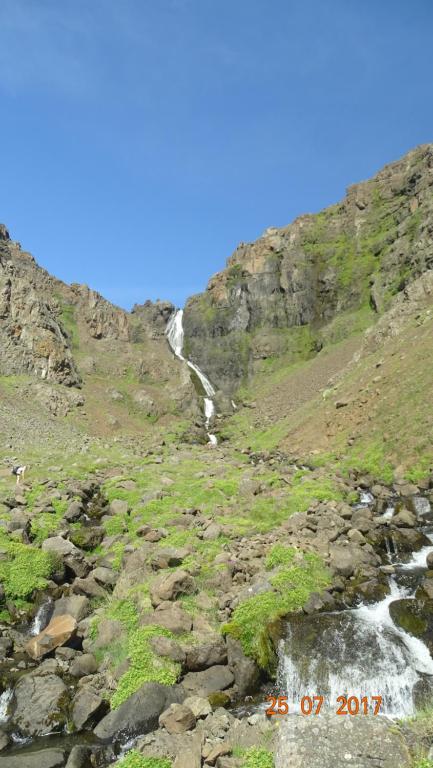
The third day takes you to one of the most remote and picturesque corners of Iceland - the Westfjords. The morning begins with relaxation in the natural hot spring Hellulaug, hidden right by the sea, where you can enjoy a bath with a view of the fjord. Along the way, you will come across the rusty wreck of the fishing vessel Garðar BA 64 - the oldest iron ship in Iceland, which today forms an impressive monument in the middle of a desolate landscape. Then you will climb the majestic cliffs of Látrabjarg, the westernmost point of Iceland, from where endless views of the ocean open up. You will end the day on the magical beach of Rauðisandur, a place with red-colored sand, which offers silence, space and a unique atmosphere that you will not find anywhere else in Iceland.
Hidden gem in the southern part of the Westfjords:
Although there are countless geothermal pools and hot springs present in mainland and suburban Iceland, few of them are ideal for bathing and swimming, while some are located in a remote area and are still unexplored and far from tourist radars. One such natural swimming pool is the newest discovered one – Hellulaug Hot Spring, located in the Westfjords of Iceland and providing perfect views of the ocean and Vatnsfjörður fjord. The pool temperature is ideal and constant around 38°C.
Gardar BA 64 is the oldest steel ship in Iceland. Originally from Norway, it operated as a fishing boat in Iceland until 1981. Since then it has been lying washed up on the beach and is an attraction for many tourists
One of Europe's largest bird cliffs and westernmost points. If you want to see puffins, this is one of the places to go, but only between May and August.

Rauðasandur (Raudasandur) or Rauðisandur (Raudisandur) means "red sand" in Icelandic. While black sand beaches are a dominant feature of Iceland's south coast, this remote part of the Westfjords offers something completely different. The color of the sand changes depending on the weather and season. From various shades of yellow to shades of orange, the beach never stays the same for long. If you're lucky, you might even witness Rauðasandur looking like a pink beach!


The fourth day takes you deeper into the Westfjords, where time slows down and nature sets the rhythm. You'll start the morning with a visit to the mysterious A-House, an abandoned barn near Fossfjörður, whose raw aesthetic has become a magnet for photographers and lovers of quiet, forgotten places. Then you'll enjoy a dip in the natural hot spring Reykjarfjarðarlaug, surrounded by mountains and green slopes, where you can enjoy perfect relaxation. This is followed by a stop at the majestic Dynjandi waterfall, which cascades down the cliffs and is one of Iceland's most impressive natural phenomena. You'll end the day in historic Hrafnseyri, the birthplace of national hero Jón Sigurðsson, where you can experience a piece of Icelandic history in a quiet rural setting.
This small barn tucked away in the Westfjords is unique and ideal for photography.
The barn in Fossfjörður stands on the coast and is clearly visible from afar. The sheet metal panels on the sides of the roof are orange and rusty, while the wooden sides and window frames have turned a perfect silvery grey. In this vast landscape, it's small, but no other buildings stand out around it.
Reykjafjarðarlaug is one of those hot springs that embrace you not only with its warm water but also with breathtaking views. You'll find three small hot springs connected to each other, one of which is an artificial concrete pool built 45 years ago. The natural hot springs have water temperatures of 50°C and 45°C, while the concrete pool has a water temperature of 32°C. You can switch between the pools and create a true Icelandic ritual. The artificial hot spring is 6 meters long, meaning you can enjoy a relaxing bath with your family or friends. The views of the Arnarfjorður fjord complete the whole experience at Reykjafjarðarlaug.
Dynjandi waterfall, known as the most beautiful attraction of the Westfjords. It is the first of a series of 7 waterfalls with a cumulative height of 100 m, 30 m wide at the top and 60 m wide at the base. While each of the waterfalls below the main one at the top is magnificent in itself, the cumulative effect of the seven waterfalls is impressive and absorbing. The sheer volume of water and its sound and power are unbelievable.
Hrafnseyri is the birthplace of Iceland's pride. In 1980, a museum was opened in Hrafnseyri. The museum presents a restored turf house based on the model of the house where Jón grew up. There is also an old church from 1886.


Today's route takes you to a tranquil part of Northwest Iceland, where natural beauty meets rural serenity. You'll begin at the charming café and historic farm Litlibær, where you can sample traditional homemade cake and take a step back in time. You'll continue with an easy hike to Valagil waterfall, which thunders down a narrow gorge, offering a peaceful refuge amidst the mountain landscape. By Ísafjarðardjúp fjord, you'll find the Seal Lookout, where you can observe seals resting on the rocks.
Litlibær was built in 1895, a wooden house with stone side walls and a grassy roof. At one point, around 20 people lived in Litlibær, and the last inhabitants moved out in 1969. A café is open there all summer.
One of the lesser-known, but all the more magical waterfalls of the Westfjords. The path to it is approximately 4 kilometers long and takes about two hours of walking, during which you will enjoy peace, wild nature, and views that will be etched into your memory.
Seal Lookout is a viewpoint in the Ísafjarðardjúp area in the Westfjords, offering ideal conditions for observing seals in their natural environment. From the tranquil coast, you can spot seals resting on the rocks or swimming in the cool waters of the fjord. The place is surrounded by quiet nature and offers not only great photographic opportunities but also a unique experience of merging with the wild Icelandic landscape. Just stop for a while, be quiet, and with a little luck, you'll come face to face with these fascinating inhabitants of the north.


Today you'll be heading to South Iceland, where nature reveals itself in all its glory. Your first stop is the iconic Seljalandsfoss – a waterfall you can walk behind to experience the water wall from a whole new perspective. Just a few minutes away hides Gljúfrabúi, a lesser-known but magical waterfall, tucked away in a narrow rocky gorge – get ready for a slightly wet, but unforgettable adventure. You'll end the day at the Dyrhólaey viewpoint, offering a panoramic view of the endless ocean, black beaches, and a rock arch towering above the Atlantic waves.
Seljalandsfoss is one of the must-see waterfalls in Iceland, simply because it's so impressive. Located on the Ring Road in the south of the island, it's one of Iceland's most visited waterfalls.

Very close to the Seljalandsfoss waterfall is the Gljúfrabúi waterfall, smaller with a 40-meter drop. It's a natural beauty you shouldn't miss. Gljúfrabúi is among the rare cave waterfalls in Iceland. It's only visible upon entering the cave, hence its name, the Secret Waterfall of Iceland. The entrance is somewhat narrow, and if you don't want to end up with wet shoes, you'll have to balance on the rocks in the river.

The tower rises about 120 metres above sea level and its most striking feature is the lighthouse, which was built in 1910. There is a small car park at the top, from where there is a short walking trail to the lighthouse and further views of Reynisfjara and Eyjafjallajökull beaches.


This day trip will take you to one of Iceland's most breathtaking regions, dominated by ice and water in their most captivating forms. You'll start at Fjallsjökull glacier, where dramatic ice walls descend into a glacial lake, creating an otherworldly scene. Then you'll visit the famous Diamond Beach, a black sand beach strewn with ice crystals that the sea brings from the nearby lagoon. Finally, you'll stop at Jökulsárlón glacier lagoon, full of floating icebergs, where you can observe the silence and beauty merging into one breathtaking image.
Fjallsjökull is a glacier in southeast Iceland, located at the southern edge of the Vatnajökull ice pack. The glacier is accessible from the tourist car park and offers beautiful views of the surrounding landscape. It is also a popular starting point for hikes into the surrounding area, such as glacial caves and canyons.

Diamond Beach is a famous beach in the southeast of Iceland, near the Jökulsárlón glacier. It is named for the thousands of pieces of ice found here, which look like diamonds on the black sand of the beach. These chunks of ice break off from the glacier and drift into the Atlantic Ocean, where they later return to the beach at low tide.

Jökulsárlón is a glacial lake formed by the melting of the Breiðamerkurjökull glacier and is famous for its floating glaciers that break free and float into the Atlantic Ocean. Jökulsárlón is the deepest lake in Iceland, reaching depths of up to 248 metres. The lake's surroundings are also home to many species of seabirds, seals and a population of sea lions was once observed here.


Today's adventure takes you to some of the most breathtaking locations in South Iceland, where wild nature alternates with tranquil views and hidden treasures. You'll start your morning in the Múlagljúfur canyon, whose steep walls and hanging waterfalls create an almost fairytale-like scenery. Afterwards, you'll approach the Svínafellsjökull glacier tongue, where you can admire the mighty mass of ice interwoven with volcanic dust. On your way back, you'll stop in Vík, where the iconic church high on the hill offers breathtaking views of the sea. And you'll end the day at two waterfalls, the monumental Skógafoss and the quiet, lesser-known Kvernufoss, hidden in a quiet valley behind the museum.
Múlagljúfur Canyon is one of the most beautiful rock canyons in Iceland and is located in the Suðurland region. The canyon is approximately 2.5 km long and in some places measures up to 200 metres wide. It is famous for its waterfalls, incredible rock formations and breathtaking views of the surrounding landscape.

This glacier is a popular tourist attraction for hikes and glacier tours. The glacier offers visitors a view of many beautiful ice tunnels, blue-coloured ice overhangs and ice pools.
Víkurkirkja is a church in the village of Vík í Mýrdal in the south of Iceland. The church was built in 1934 and is one of the most famous symbols of the area.

Skógafoss is one of the most famous and most visited waterfalls in the south of Iceland. It is located about 5 km from the town of Skógar and falls from a height of 60 metres. Here the water cascades into a small lake, which can be walked around to get a whole new view of the waterfall.

Kvernufoss is located in close proximity to another famous waterfall Skógafoss, but tourists come here much less. Kvernufoss is less well known because it is reached by a road with less access. The waterfall is about 30 metres high and its water falls into a beautiful pool below. Kvernufoss is one of the most beautiful waterfalls in South Iceland and definitely worth a visit if you like beautiful nature and enjoy quieter and less busy tourist attractions.


The last full day in Iceland offers a diverse combination of wild nature, city atmosphere, and a peaceful ending by the ocean. In the morning, you'll head to the iconic black sand beach of Reynisfjara, where the waves of the Atlantic crash against basalt columns and sea cliffs create a dramatic backdrop. Then your journey will take you to Reykjavik, the northernmost capital city in the world, where you can soak up the city's energy, stroll through the colorful streets, visit Hallgrímskirkja, or have a last Icelandic coffee. You'll symbolically end the day at the old Garður lighthouse on the Reykjanes Peninsula, where the sea meets the horizon and the wind will remind you of the power of the places you've discovered during this trip.
Reynisfjara beach, also known as Black Sand Beach, is one of Iceland's main attractions. Although it's beautiful. What sets Reynisfjara apart from other black sand beaches is Reynishverfi, remarkable basalt columns where puffins and seabirds nest in summer. Also in this area are the Reynisdrangar sea stacks, towering rock formations that rise almost 60 meters above the water. Many locals say they look like petrified trolls.
Access to the beach is monitored and warning lights are placed at the entrance. If the lights are red, do not go to the beach. A few people have drowned here, unexpectedly pulled into the ocean by large waves. Even if there is no warning, be careful and don't go too close to the ocean.
Reykjavik, the capital of Iceland, offers a multitude of things to do. While it may differ from other European capitals with its small houses, it doesn't need to envy other major metropolises. Reykjavik allows you to enjoy nature, visit museums, see the Northern Lights, go whale watching, and more. In short, it's a city with a thousand things to do and some of the best restaurants in the country.
The old Garður lighthouse, standing at the northern tip of the Reykjanes peninsula, is a silent guardian of the Icelandic coast. Surrounded by the endless ocean and black lava fields, it offers an ideal place to stop, contemplate, and say goodbye to Iceland. From its surroundings, there is a magnificent view of the sea, often accompanied by the cries of seabirds and the roar of waves crashing against the rocky shore.

Today is the time to say goodbye. Perhaps you'll savour one last quiet morning moment, the view of the waves, or a coffee with a vista you'll want to remember for as long as possible. On your way to the airport, you'll take a final look at the endless lava fields and barren landscape, a reminder of the exceptional island you've just discovered.
Before your departure, simply return the car to the designated spot at the airport. You will receive precise return instructions along with your pick-up information before your trip.
In ten days you have experienced Iceland in all its power, from raw glaciers and mighty waterfalls to black volcanic beaches and hot springs hidden in the wilderness. You sailed through quiet fjords, stood on the edge of steep cliffs, admiring the landscape shaped by fire and ice. Iceland captivated you with its wildness, tranquility, and rugged beauty. Whether you take with you the smell of sulfur, the sound of roaring waterfalls, or simply the feeling of being truly present, we believe this journey has left a mark on you that you will return to.
Imagine sinking your body into a hot spring under the open sky after a day spent among fjords and waterfalls, while the wild Icelandic nature whispers around you. Embark on a journey to the Westfjords, the most remote and authentic corner of Iceland, where roads wind through mountain passes and every view is breathtaking. Stand at the edge of the majestic Látrabjarg cliffs and let yourself be carried away by the view of the endless ocean crashing against the steep rock walls. Explore the quiet fishing villages nestled among the fjords, where time has stood still and traditions still live at their own pace. And believe me, there's so much more to discover with us in Iceland.
Your Icelandic adventure begins! Upon arrival, you'll get your first taste of the raw beauty of this land, stopping at the geothermal area of Krýsuvík, where the earth literally boils beneath your feet and the air smells of sulfur. Bubbling mud pools, steam-covered vents, and the rainbow colors of the landscape will instantly draw you into another world.
Upon arrival at the airport, you will pick up your rental car directly on the premises.
- For this trip, you need a 4x4 vehicle. You can't select this directly with Worldee, but feel free to book the trip with a smaller car and then just call or write to us; Worldee will select a 4x4 for you and let you know the extra cost.
The Reykjanes Peninsula is one of the most picturesque and accessible places in Iceland, and is definitely worth a visit. It is home to Keflavík International Airport and the iconic Blue Lagoon – an ideal place to relax after arrival. The area is perfect for making the most of your first day. The peninsula also includes the famous Krýsuvík geothermal area with the Seltún geothermal field, where you can walk among bubbling pools, hissing fumaroles and sulfur springs in a colorful landscape.
If you have time after arrival, you can head straight to the thermal springs. Admission must be booked in advance here.
The second day takes you to the heart of the Snæfellsnes peninsula, where dramatic nature blends with the tranquility of the Icelandic countryside. The morning begins with a visit to the Svöðufoss waterfall, which offers a unique contrast against the backdrop of a lava field and mountains. Next, you'll head to the Svörtuloft lighthouse, where you'll have views of the ocean and rugged cliffs battered by the waves of the Atlantic. A walk in Arnarstapi will take you along the coast lined with basalt formations, sea arches, and bird colonies. You'll end the day with a well-deserved rest in the natural hot springs of Guðrúnarlaug, where you can relax surrounded by the Icelandic landscape.
Svöðufoss is a beautiful waterfall in South Iceland. Its name means "Soft waterfall", and the name suggests how the water gently falls from the rock into the pool below.
Svörtuloft is a rocky reef on the west coast of Iceland that is a popular spot for seabird watching and breathtaking views of the surrounding landscape
Arnarstapi is a fishing village near Snæfellsjökull National Park, right at the foot of the Snæfellsjökull glacier. The most impressive thing about Arnarstapi is its clifftop landscape, which attracts many seabirds. To get a good view of them, I recommend taking the coastal road from Arnarstapi to Hellnar, another beautiful fishing village. It's a pleasant journey, and you can take your time admiring the scenery. During your stay here, you can see huge lava walls and incredible rock formations, such as the famous Gatklettur arch. One of the most unique things in Snæfellsnes is to take a picture with the statue of Bárður Snæfellsás, the protector of the peninsula.
The Guðrúnarlaug hot spring deep in the western part of the country is one such place that is very close to nature and its rugged, unspoilt beauty. The hot tub itself has a history dating back 1,000 years. It was closed for about 140 years after a terrible landslide, but was renovated in 2009 and has been open ever since.
The third day takes you to one of the most remote and picturesque corners of Iceland - the Westfjords. The morning begins with relaxation in the natural hot spring Hellulaug, hidden right by the sea, where you can enjoy a bath with a view of the fjord. Along the way, you will come across the rusty wreck of the fishing vessel Garðar BA 64 - the oldest iron ship in Iceland, which today forms an impressive monument in the middle of a desolate landscape. Then you will climb the majestic cliffs of Látrabjarg, the westernmost point of Iceland, from where endless views of the ocean open up. You will end the day on the magical beach of Rauðisandur, a place with red-colored sand, which offers silence, space and a unique atmosphere that you will not find anywhere else in Iceland.
Hidden gem in the southern part of the Westfjords:
Although there are countless geothermal pools and hot springs present in mainland and suburban Iceland, few of them are ideal for bathing and swimming, while some are located in a remote area and are still unexplored and far from tourist radars. One such natural swimming pool is the newest discovered one – Hellulaug Hot Spring, located in the Westfjords of Iceland and providing perfect views of the ocean and Vatnsfjörður fjord. The pool temperature is ideal and constant around 38°C.
Gardar BA 64 is the oldest steel ship in Iceland. Originally from Norway, it operated as a fishing boat in Iceland until 1981. Since then it has been lying washed up on the beach and is an attraction for many tourists
One of Europe's largest bird cliffs and westernmost points. If you want to see puffins, this is one of the places to go, but only between May and August.
Rauðasandur (Raudasandur) or Rauðisandur (Raudisandur) means "red sand" in Icelandic. While black sand beaches are a dominant feature of Iceland's south coast, this remote part of the Westfjords offers something completely different. The color of the sand changes depending on the weather and season. From various shades of yellow to shades of orange, the beach never stays the same for long. If you're lucky, you might even witness Rauðasandur looking like a pink beach!
The fourth day takes you deeper into the Westfjords, where time slows down and nature sets the rhythm. You'll start the morning with a visit to the mysterious A-House, an abandoned barn near Fossfjörður, whose raw aesthetic has become a magnet for photographers and lovers of quiet, forgotten places. Then you'll enjoy a dip in the natural hot spring Reykjarfjarðarlaug, surrounded by mountains and green slopes, where you can enjoy perfect relaxation. This is followed by a stop at the majestic Dynjandi waterfall, which cascades down the cliffs and is one of Iceland's most impressive natural phenomena. You'll end the day in historic Hrafnseyri, the birthplace of national hero Jón Sigurðsson, where you can experience a piece of Icelandic history in a quiet rural setting.
This small barn tucked away in the Westfjords is unique and ideal for photography.
The barn in Fossfjörður stands on the coast and is clearly visible from afar. The sheet metal panels on the sides of the roof are orange and rusty, while the wooden sides and window frames have turned a perfect silvery grey. In this vast landscape, it's small, but no other buildings stand out around it.
Reykjafjarðarlaug is one of those hot springs that embrace you not only with its warm water but also with breathtaking views. You'll find three small hot springs connected to each other, one of which is an artificial concrete pool built 45 years ago. The natural hot springs have water temperatures of 50°C and 45°C, while the concrete pool has a water temperature of 32°C. You can switch between the pools and create a true Icelandic ritual. The artificial hot spring is 6 meters long, meaning you can enjoy a relaxing bath with your family or friends. The views of the Arnarfjorður fjord complete the whole experience at Reykjafjarðarlaug.
Dynjandi waterfall, known as the most beautiful attraction of the Westfjords. It is the first of a series of 7 waterfalls with a cumulative height of 100 m, 30 m wide at the top and 60 m wide at the base. While each of the waterfalls below the main one at the top is magnificent in itself, the cumulative effect of the seven waterfalls is impressive and absorbing. The sheer volume of water and its sound and power are unbelievable.
Hrafnseyri is the birthplace of Iceland's pride. In 1980, a museum was opened in Hrafnseyri. The museum presents a restored turf house based on the model of the house where Jón grew up. There is also an old church from 1886.
Today's route takes you to a tranquil part of Northwest Iceland, where natural beauty meets rural serenity. You'll begin at the charming café and historic farm Litlibær, where you can sample traditional homemade cake and take a step back in time. You'll continue with an easy hike to Valagil waterfall, which thunders down a narrow gorge, offering a peaceful refuge amidst the mountain landscape. By Ísafjarðardjúp fjord, you'll find the Seal Lookout, where you can observe seals resting on the rocks.
Litlibær was built in 1895, a wooden house with stone side walls and a grassy roof. At one point, around 20 people lived in Litlibær, and the last inhabitants moved out in 1969. A café is open there all summer.
One of the lesser-known, but all the more magical waterfalls of the Westfjords. The path to it is approximately 4 kilometers long and takes about two hours of walking, during which you will enjoy peace, wild nature, and views that will be etched into your memory.
Seal Lookout is a viewpoint in the Ísafjarðardjúp area in the Westfjords, offering ideal conditions for observing seals in their natural environment. From the tranquil coast, you can spot seals resting on the rocks or swimming in the cool waters of the fjord. The place is surrounded by quiet nature and offers not only great photographic opportunities but also a unique experience of merging with the wild Icelandic landscape. Just stop for a while, be quiet, and with a little luck, you'll come face to face with these fascinating inhabitants of the north.
Today you'll be heading to South Iceland, where nature reveals itself in all its glory. Your first stop is the iconic Seljalandsfoss – a waterfall you can walk behind to experience the water wall from a whole new perspective. Just a few minutes away hides Gljúfrabúi, a lesser-known but magical waterfall, tucked away in a narrow rocky gorge – get ready for a slightly wet, but unforgettable adventure. You'll end the day at the Dyrhólaey viewpoint, offering a panoramic view of the endless ocean, black beaches, and a rock arch towering above the Atlantic waves.
Seljalandsfoss is one of the must-see waterfalls in Iceland, simply because it's so impressive. Located on the Ring Road in the south of the island, it's one of Iceland's most visited waterfalls.
Very close to the Seljalandsfoss waterfall is the Gljúfrabúi waterfall, smaller with a 40-meter drop. It's a natural beauty you shouldn't miss. Gljúfrabúi is among the rare cave waterfalls in Iceland. It's only visible upon entering the cave, hence its name, the Secret Waterfall of Iceland. The entrance is somewhat narrow, and if you don't want to end up with wet shoes, you'll have to balance on the rocks in the river.
The tower rises about 120 metres above sea level and its most striking feature is the lighthouse, which was built in 1910. There is a small car park at the top, from where there is a short walking trail to the lighthouse and further views of Reynisfjara and Eyjafjallajökull beaches.
This day trip will take you to one of Iceland's most breathtaking regions, dominated by ice and water in their most captivating forms. You'll start at Fjallsjökull glacier, where dramatic ice walls descend into a glacial lake, creating an otherworldly scene. Then you'll visit the famous Diamond Beach, a black sand beach strewn with ice crystals that the sea brings from the nearby lagoon. Finally, you'll stop at Jökulsárlón glacier lagoon, full of floating icebergs, where you can observe the silence and beauty merging into one breathtaking image.
Fjallsjökull is a glacier in southeast Iceland, located at the southern edge of the Vatnajökull ice pack. The glacier is accessible from the tourist car park and offers beautiful views of the surrounding landscape. It is also a popular starting point for hikes into the surrounding area, such as glacial caves and canyons.
Diamond Beach is a famous beach in the southeast of Iceland, near the Jökulsárlón glacier. It is named for the thousands of pieces of ice found here, which look like diamonds on the black sand of the beach. These chunks of ice break off from the glacier and drift into the Atlantic Ocean, where they later return to the beach at low tide.
Jökulsárlón is a glacial lake formed by the melting of the Breiðamerkurjökull glacier and is famous for its floating glaciers that break free and float into the Atlantic Ocean. Jökulsárlón is the deepest lake in Iceland, reaching depths of up to 248 metres. The lake's surroundings are also home to many species of seabirds, seals and a population of sea lions was once observed here.
Today's adventure takes you to some of the most breathtaking locations in South Iceland, where wild nature alternates with tranquil views and hidden treasures. You'll start your morning in the Múlagljúfur canyon, whose steep walls and hanging waterfalls create an almost fairytale-like scenery. Afterwards, you'll approach the Svínafellsjökull glacier tongue, where you can admire the mighty mass of ice interwoven with volcanic dust. On your way back, you'll stop in Vík, where the iconic church high on the hill offers breathtaking views of the sea. And you'll end the day at two waterfalls, the monumental Skógafoss and the quiet, lesser-known Kvernufoss, hidden in a quiet valley behind the museum.
Múlagljúfur Canyon is one of the most beautiful rock canyons in Iceland and is located in the Suðurland region. The canyon is approximately 2.5 km long and in some places measures up to 200 metres wide. It is famous for its waterfalls, incredible rock formations and breathtaking views of the surrounding landscape.
This glacier is a popular tourist attraction for hikes and glacier tours. The glacier offers visitors a view of many beautiful ice tunnels, blue-coloured ice overhangs and ice pools.
Víkurkirkja is a church in the village of Vík í Mýrdal in the south of Iceland. The church was built in 1934 and is one of the most famous symbols of the area.
Skógafoss is one of the most famous and most visited waterfalls in the south of Iceland. It is located about 5 km from the town of Skógar and falls from a height of 60 metres. Here the water cascades into a small lake, which can be walked around to get a whole new view of the waterfall.
Kvernufoss is located in close proximity to another famous waterfall Skógafoss, but tourists come here much less. Kvernufoss is less well known because it is reached by a road with less access. The waterfall is about 30 metres high and its water falls into a beautiful pool below. Kvernufoss is one of the most beautiful waterfalls in South Iceland and definitely worth a visit if you like beautiful nature and enjoy quieter and less busy tourist attractions.
The last full day in Iceland offers a diverse combination of wild nature, city atmosphere, and a peaceful ending by the ocean. In the morning, you'll head to the iconic black sand beach of Reynisfjara, where the waves of the Atlantic crash against basalt columns and sea cliffs create a dramatic backdrop. Then your journey will take you to Reykjavik, the northernmost capital city in the world, where you can soak up the city's energy, stroll through the colorful streets, visit Hallgrímskirkja, or have a last Icelandic coffee. You'll symbolically end the day at the old Garður lighthouse on the Reykjanes Peninsula, where the sea meets the horizon and the wind will remind you of the power of the places you've discovered during this trip.
Reynisfjara beach, also known as Black Sand Beach, is one of Iceland's main attractions. Although it's beautiful. What sets Reynisfjara apart from other black sand beaches is Reynishverfi, remarkable basalt columns where puffins and seabirds nest in summer. Also in this area are the Reynisdrangar sea stacks, towering rock formations that rise almost 60 meters above the water. Many locals say they look like petrified trolls.
Access to the beach is monitored and warning lights are placed at the entrance. If the lights are red, do not go to the beach. A few people have drowned here, unexpectedly pulled into the ocean by large waves. Even if there is no warning, be careful and don't go too close to the ocean.
Reykjavik, the capital of Iceland, offers a multitude of things to do. While it may differ from other European capitals with its small houses, it doesn't need to envy other major metropolises. Reykjavik allows you to enjoy nature, visit museums, see the Northern Lights, go whale watching, and more. In short, it's a city with a thousand things to do and some of the best restaurants in the country.
The old Garður lighthouse, standing at the northern tip of the Reykjanes peninsula, is a silent guardian of the Icelandic coast. Surrounded by the endless ocean and black lava fields, it offers an ideal place to stop, contemplate, and say goodbye to Iceland. From its surroundings, there is a magnificent view of the sea, often accompanied by the cries of seabirds and the roar of waves crashing against the rocky shore.
Today is the time to say goodbye. Perhaps you'll savour one last quiet morning moment, the view of the waves, or a coffee with a vista you'll want to remember for as long as possible. On your way to the airport, you'll take a final look at the endless lava fields and barren landscape, a reminder of the exceptional island you've just discovered.
Before your departure, simply return the car to the designated spot at the airport. You will receive precise return instructions along with your pick-up information before your trip.
In ten days you have experienced Iceland in all its power, from raw glaciers and mighty waterfalls to black volcanic beaches and hot springs hidden in the wilderness. You sailed through quiet fjords, stood on the edge of steep cliffs, admiring the landscape shaped by fire and ice. Iceland captivated you with its wildness, tranquility, and rugged beauty. Whether you take with you the smell of sulfur, the sound of roaring waterfalls, or simply the feeling of being truly present, we believe this journey has left a mark on you that you will return to.




itinerary by Pavel Kasak
Imagine sinking your body into a hot spring under the open sky after a day spent among fjords and waterfalls, while the wild Icelandic nature whispers around you. Embark on a journey to the Westfjords, the most remote and authentic corner of Iceland, where roads wind through mountain passes and every view is breathtaking. Stand at the edge of the majestic Látrabjarg cliffs and let yourself be carried away by the view of the endless ocean crashing against the steep rock walls. Explore the quiet fishing villages nestled among the fjords, where time has stood still and traditions still live at their own pace. And believe me, there's so much more to discover with us in Iceland.
Your Icelandic adventure begins! Upon arrival, you'll get your first taste of the raw beauty of this land, stopping at the geothermal area of Krýsuvík, where the earth literally boils beneath your feet and the air smells of sulfur. Bubbling mud pools, steam-covered vents, and the rainbow colors of the landscape will instantly draw you into another world.
Upon arrival at the airport, you will pick up your rental car directly on the premises.
- For this trip, you need a 4x4 vehicle. You can't select this directly with Worldee, but feel free to book the trip with a smaller car and then just call or write to us; Worldee will select a 4x4 for you and let you know the extra cost.
The Reykjanes Peninsula is one of the most picturesque and accessible places in Iceland, and is definitely worth a visit. It is home to Keflavík International Airport and the iconic Blue Lagoon – an ideal place to relax after arrival. The area is perfect for making the most of your first day. The peninsula also includes the famous Krýsuvík geothermal area with the Seltún geothermal field, where you can walk among bubbling pools, hissing fumaroles and sulfur springs in a colorful landscape.
If you have time after arrival, you can head straight to the thermal springs. Admission must be booked in advance here.
The second day takes you to the heart of the Snæfellsnes peninsula, where dramatic nature blends with the tranquility of the Icelandic countryside. The morning begins with a visit to the Svöðufoss waterfall, which offers a unique contrast against the backdrop of a lava field and mountains. Next, you'll head to the Svörtuloft lighthouse, where you'll have views of the ocean and rugged cliffs battered by the waves of the Atlantic. A walk in Arnarstapi will take you along the coast lined with basalt formations, sea arches, and bird colonies. You'll end the day with a well-deserved rest in the natural hot springs of Guðrúnarlaug, where you can relax surrounded by the Icelandic landscape.
Svöðufoss is a beautiful waterfall in South Iceland. Its name means "Soft waterfall", and the name suggests how the water gently falls from the rock into the pool below.
Svörtuloft is a rocky reef on the west coast of Iceland that is a popular spot for seabird watching and breathtaking views of the surrounding landscape
Arnarstapi is a fishing village near Snæfellsjökull National Park, right at the foot of the Snæfellsjökull glacier. The most impressive thing about Arnarstapi is its clifftop landscape, which attracts many seabirds. To get a good view of them, I recommend taking the coastal road from Arnarstapi to Hellnar, another beautiful fishing village. It's a pleasant journey, and you can take your time admiring the scenery. During your stay here, you can see huge lava walls and incredible rock formations, such as the famous Gatklettur arch. One of the most unique things in Snæfellsnes is to take a picture with the statue of Bárður Snæfellsás, the protector of the peninsula.
The Guðrúnarlaug hot spring deep in the western part of the country is one such place that is very close to nature and its rugged, unspoilt beauty. The hot tub itself has a history dating back 1,000 years. It was closed for about 140 years after a terrible landslide, but was renovated in 2009 and has been open ever since.
The third day takes you to one of the most remote and picturesque corners of Iceland - the Westfjords. The morning begins with relaxation in the natural hot spring Hellulaug, hidden right by the sea, where you can enjoy a bath with a view of the fjord. Along the way, you will come across the rusty wreck of the fishing vessel Garðar BA 64 - the oldest iron ship in Iceland, which today forms an impressive monument in the middle of a desolate landscape. Then you will climb the majestic cliffs of Látrabjarg, the westernmost point of Iceland, from where endless views of the ocean open up. You will end the day on the magical beach of Rauðisandur, a place with red-colored sand, which offers silence, space and a unique atmosphere that you will not find anywhere else in Iceland.
Hidden gem in the southern part of the Westfjords:
Although there are countless geothermal pools and hot springs present in mainland and suburban Iceland, few of them are ideal for bathing and swimming, while some are located in a remote area and are still unexplored and far from tourist radars. One such natural swimming pool is the newest discovered one – Hellulaug Hot Spring, located in the Westfjords of Iceland and providing perfect views of the ocean and Vatnsfjörður fjord. The pool temperature is ideal and constant around 38°C.
Gardar BA 64 is the oldest steel ship in Iceland. Originally from Norway, it operated as a fishing boat in Iceland until 1981. Since then it has been lying washed up on the beach and is an attraction for many tourists
One of Europe's largest bird cliffs and westernmost points. If you want to see puffins, this is one of the places to go, but only between May and August.
Rauðasandur (Raudasandur) or Rauðisandur (Raudisandur) means "red sand" in Icelandic. While black sand beaches are a dominant feature of Iceland's south coast, this remote part of the Westfjords offers something completely different. The color of the sand changes depending on the weather and season. From various shades of yellow to shades of orange, the beach never stays the same for long. If you're lucky, you might even witness Rauðasandur looking like a pink beach!
The fourth day takes you deeper into the Westfjords, where time slows down and nature sets the rhythm. You'll start the morning with a visit to the mysterious A-House, an abandoned barn near Fossfjörður, whose raw aesthetic has become a magnet for photographers and lovers of quiet, forgotten places. Then you'll enjoy a dip in the natural hot spring Reykjarfjarðarlaug, surrounded by mountains and green slopes, where you can enjoy perfect relaxation. This is followed by a stop at the majestic Dynjandi waterfall, which cascades down the cliffs and is one of Iceland's most impressive natural phenomena. You'll end the day in historic Hrafnseyri, the birthplace of national hero Jón Sigurðsson, where you can experience a piece of Icelandic history in a quiet rural setting.
This small barn tucked away in the Westfjords is unique and ideal for photography.
The barn in Fossfjörður stands on the coast and is clearly visible from afar. The sheet metal panels on the sides of the roof are orange and rusty, while the wooden sides and window frames have turned a perfect silvery grey. In this vast landscape, it's small, but no other buildings stand out around it.
Reykjafjarðarlaug is one of those hot springs that embrace you not only with its warm water but also with breathtaking views. You'll find three small hot springs connected to each other, one of which is an artificial concrete pool built 45 years ago. The natural hot springs have water temperatures of 50°C and 45°C, while the concrete pool has a water temperature of 32°C. You can switch between the pools and create a true Icelandic ritual. The artificial hot spring is 6 meters long, meaning you can enjoy a relaxing bath with your family or friends. The views of the Arnarfjorður fjord complete the whole experience at Reykjafjarðarlaug.
Dynjandi waterfall, known as the most beautiful attraction of the Westfjords. It is the first of a series of 7 waterfalls with a cumulative height of 100 m, 30 m wide at the top and 60 m wide at the base. While each of the waterfalls below the main one at the top is magnificent in itself, the cumulative effect of the seven waterfalls is impressive and absorbing. The sheer volume of water and its sound and power are unbelievable.
Hrafnseyri is the birthplace of Iceland's pride. In 1980, a museum was opened in Hrafnseyri. The museum presents a restored turf house based on the model of the house where Jón grew up. There is also an old church from 1886.
Today's route takes you to a tranquil part of Northwest Iceland, where natural beauty meets rural serenity. You'll begin at the charming café and historic farm Litlibær, where you can sample traditional homemade cake and take a step back in time. You'll continue with an easy hike to Valagil waterfall, which thunders down a narrow gorge, offering a peaceful refuge amidst the mountain landscape. By Ísafjarðardjúp fjord, you'll find the Seal Lookout, where you can observe seals resting on the rocks.
Litlibær was built in 1895, a wooden house with stone side walls and a grassy roof. At one point, around 20 people lived in Litlibær, and the last inhabitants moved out in 1969. A café is open there all summer.
One of the lesser-known, but all the more magical waterfalls of the Westfjords. The path to it is approximately 4 kilometers long and takes about two hours of walking, during which you will enjoy peace, wild nature, and views that will be etched into your memory.
Seal Lookout is a viewpoint in the Ísafjarðardjúp area in the Westfjords, offering ideal conditions for observing seals in their natural environment. From the tranquil coast, you can spot seals resting on the rocks or swimming in the cool waters of the fjord. The place is surrounded by quiet nature and offers not only great photographic opportunities but also a unique experience of merging with the wild Icelandic landscape. Just stop for a while, be quiet, and with a little luck, you'll come face to face with these fascinating inhabitants of the north.
Today you'll be heading to South Iceland, where nature reveals itself in all its glory. Your first stop is the iconic Seljalandsfoss – a waterfall you can walk behind to experience the water wall from a whole new perspective. Just a few minutes away hides Gljúfrabúi, a lesser-known but magical waterfall, tucked away in a narrow rocky gorge – get ready for a slightly wet, but unforgettable adventure. You'll end the day at the Dyrhólaey viewpoint, offering a panoramic view of the endless ocean, black beaches, and a rock arch towering above the Atlantic waves.
Seljalandsfoss is one of the must-see waterfalls in Iceland, simply because it's so impressive. Located on the Ring Road in the south of the island, it's one of Iceland's most visited waterfalls.
Very close to the Seljalandsfoss waterfall is the Gljúfrabúi waterfall, smaller with a 40-meter drop. It's a natural beauty you shouldn't miss. Gljúfrabúi is among the rare cave waterfalls in Iceland. It's only visible upon entering the cave, hence its name, the Secret Waterfall of Iceland. The entrance is somewhat narrow, and if you don't want to end up with wet shoes, you'll have to balance on the rocks in the river.
The tower rises about 120 metres above sea level and its most striking feature is the lighthouse, which was built in 1910. There is a small car park at the top, from where there is a short walking trail to the lighthouse and further views of Reynisfjara and Eyjafjallajökull beaches.
This day trip will take you to one of Iceland's most breathtaking regions, dominated by ice and water in their most captivating forms. You'll start at Fjallsjökull glacier, where dramatic ice walls descend into a glacial lake, creating an otherworldly scene. Then you'll visit the famous Diamond Beach, a black sand beach strewn with ice crystals that the sea brings from the nearby lagoon. Finally, you'll stop at Jökulsárlón glacier lagoon, full of floating icebergs, where you can observe the silence and beauty merging into one breathtaking image.
Fjallsjökull is a glacier in southeast Iceland, located at the southern edge of the Vatnajökull ice pack. The glacier is accessible from the tourist car park and offers beautiful views of the surrounding landscape. It is also a popular starting point for hikes into the surrounding area, such as glacial caves and canyons.
Diamond Beach is a famous beach in the southeast of Iceland, near the Jökulsárlón glacier. It is named for the thousands of pieces of ice found here, which look like diamonds on the black sand of the beach. These chunks of ice break off from the glacier and drift into the Atlantic Ocean, where they later return to the beach at low tide.
Jökulsárlón is a glacial lake formed by the melting of the Breiðamerkurjökull glacier and is famous for its floating glaciers that break free and float into the Atlantic Ocean. Jökulsárlón is the deepest lake in Iceland, reaching depths of up to 248 metres. The lake's surroundings are also home to many species of seabirds, seals and a population of sea lions was once observed here.
Today's adventure takes you to some of the most breathtaking locations in South Iceland, where wild nature alternates with tranquil views and hidden treasures. You'll start your morning in the Múlagljúfur canyon, whose steep walls and hanging waterfalls create an almost fairytale-like scenery. Afterwards, you'll approach the Svínafellsjökull glacier tongue, where you can admire the mighty mass of ice interwoven with volcanic dust. On your way back, you'll stop in Vík, where the iconic church high on the hill offers breathtaking views of the sea. And you'll end the day at two waterfalls, the monumental Skógafoss and the quiet, lesser-known Kvernufoss, hidden in a quiet valley behind the museum.
Múlagljúfur Canyon is one of the most beautiful rock canyons in Iceland and is located in the Suðurland region. The canyon is approximately 2.5 km long and in some places measures up to 200 metres wide. It is famous for its waterfalls, incredible rock formations and breathtaking views of the surrounding landscape.
This glacier is a popular tourist attraction for hikes and glacier tours. The glacier offers visitors a view of many beautiful ice tunnels, blue-coloured ice overhangs and ice pools.
Víkurkirkja is a church in the village of Vík í Mýrdal in the south of Iceland. The church was built in 1934 and is one of the most famous symbols of the area.
Skógafoss is one of the most famous and most visited waterfalls in the south of Iceland. It is located about 5 km from the town of Skógar and falls from a height of 60 metres. Here the water cascades into a small lake, which can be walked around to get a whole new view of the waterfall.
Kvernufoss is located in close proximity to another famous waterfall Skógafoss, but tourists come here much less. Kvernufoss is less well known because it is reached by a road with less access. The waterfall is about 30 metres high and its water falls into a beautiful pool below. Kvernufoss is one of the most beautiful waterfalls in South Iceland and definitely worth a visit if you like beautiful nature and enjoy quieter and less busy tourist attractions.
The last full day in Iceland offers a diverse combination of wild nature, city atmosphere, and a peaceful ending by the ocean. In the morning, you'll head to the iconic black sand beach of Reynisfjara, where the waves of the Atlantic crash against basalt columns and sea cliffs create a dramatic backdrop. Then your journey will take you to Reykjavik, the northernmost capital city in the world, where you can soak up the city's energy, stroll through the colorful streets, visit Hallgrímskirkja, or have a last Icelandic coffee. You'll symbolically end the day at the old Garður lighthouse on the Reykjanes Peninsula, where the sea meets the horizon and the wind will remind you of the power of the places you've discovered during this trip.
Reynisfjara beach, also known as Black Sand Beach, is one of Iceland's main attractions. Although it's beautiful. What sets Reynisfjara apart from other black sand beaches is Reynishverfi, remarkable basalt columns where puffins and seabirds nest in summer. Also in this area are the Reynisdrangar sea stacks, towering rock formations that rise almost 60 meters above the water. Many locals say they look like petrified trolls.
Access to the beach is monitored and warning lights are placed at the entrance. If the lights are red, do not go to the beach. A few people have drowned here, unexpectedly pulled into the ocean by large waves. Even if there is no warning, be careful and don't go too close to the ocean.
Reykjavik, the capital of Iceland, offers a multitude of things to do. While it may differ from other European capitals with its small houses, it doesn't need to envy other major metropolises. Reykjavik allows you to enjoy nature, visit museums, see the Northern Lights, go whale watching, and more. In short, it's a city with a thousand things to do and some of the best restaurants in the country.
The old Garður lighthouse, standing at the northern tip of the Reykjanes peninsula, is a silent guardian of the Icelandic coast. Surrounded by the endless ocean and black lava fields, it offers an ideal place to stop, contemplate, and say goodbye to Iceland. From its surroundings, there is a magnificent view of the sea, often accompanied by the cries of seabirds and the roar of waves crashing against the rocky shore.
Today is the time to say goodbye. Perhaps you'll savour one last quiet morning moment, the view of the waves, or a coffee with a vista you'll want to remember for as long as possible. On your way to the airport, you'll take a final look at the endless lava fields and barren landscape, a reminder of the exceptional island you've just discovered.
Before your departure, simply return the car to the designated spot at the airport. You will receive precise return instructions along with your pick-up information before your trip.
In ten days you have experienced Iceland in all its power, from raw glaciers and mighty waterfalls to black volcanic beaches and hot springs hidden in the wilderness. You sailed through quiet fjords, stood on the edge of steep cliffs, admiring the landscape shaped by fire and ice. Iceland captivated you with its wildness, tranquility, and rugged beauty. Whether you take with you the smell of sulfur, the sound of roaring waterfalls, or simply the feeling of being truly present, we believe this journey has left a mark on you that you will return to.
Imagine sinking your body into a hot spring under the open sky after a day spent among fjords and waterfalls, while the wild Icelandic nature whispers around you. Embark on a journey to the Westfjords, the most remote and authentic corner of Iceland, where roads wind through mountain passes and every view is breathtaking. Stand at the edge of the majestic Látrabjarg cliffs and let yourself be carried away by the view of the endless ocean crashing against the steep rock walls. Explore the quiet fishing villages nestled among the fjords, where time has stood still and traditions still live at their own pace. And believe me, there's so much more to discover with us in Iceland.
Your Icelandic adventure begins! Upon arrival, you'll get your first taste of the raw beauty of this land, stopping at the geothermal area of Krýsuvík, where the earth literally boils beneath your feet and the air smells of sulfur. Bubbling mud pools, steam-covered vents, and the rainbow colors of the landscape will instantly draw you into another world.
Upon arrival at the airport, you will pick up your rental car directly on the premises.
- For this trip, you need a 4x4 vehicle. You can't select this directly with Worldee, but feel free to book the trip with a smaller car and then just call or write to us; Worldee will select a 4x4 for you and let you know the extra cost.
The Reykjanes Peninsula is one of the most picturesque and accessible places in Iceland, and is definitely worth a visit. It is home to Keflavík International Airport and the iconic Blue Lagoon – an ideal place to relax after arrival. The area is perfect for making the most of your first day. The peninsula also includes the famous Krýsuvík geothermal area with the Seltún geothermal field, where you can walk among bubbling pools, hissing fumaroles and sulfur springs in a colorful landscape.
If you have time after arrival, you can head straight to the thermal springs. Admission must be booked in advance here.
The second day takes you to the heart of the Snæfellsnes peninsula, where dramatic nature blends with the tranquility of the Icelandic countryside. The morning begins with a visit to the Svöðufoss waterfall, which offers a unique contrast against the backdrop of a lava field and mountains. Next, you'll head to the Svörtuloft lighthouse, where you'll have views of the ocean and rugged cliffs battered by the waves of the Atlantic. A walk in Arnarstapi will take you along the coast lined with basalt formations, sea arches, and bird colonies. You'll end the day with a well-deserved rest in the natural hot springs of Guðrúnarlaug, where you can relax surrounded by the Icelandic landscape.
Svöðufoss is a beautiful waterfall in South Iceland. Its name means "Soft waterfall", and the name suggests how the water gently falls from the rock into the pool below.
Svörtuloft is a rocky reef on the west coast of Iceland that is a popular spot for seabird watching and breathtaking views of the surrounding landscape
Arnarstapi is a fishing village near Snæfellsjökull National Park, right at the foot of the Snæfellsjökull glacier. The most impressive thing about Arnarstapi is its clifftop landscape, which attracts many seabirds. To get a good view of them, I recommend taking the coastal road from Arnarstapi to Hellnar, another beautiful fishing village. It's a pleasant journey, and you can take your time admiring the scenery. During your stay here, you can see huge lava walls and incredible rock formations, such as the famous Gatklettur arch. One of the most unique things in Snæfellsnes is to take a picture with the statue of Bárður Snæfellsás, the protector of the peninsula.
The Guðrúnarlaug hot spring deep in the western part of the country is one such place that is very close to nature and its rugged, unspoilt beauty. The hot tub itself has a history dating back 1,000 years. It was closed for about 140 years after a terrible landslide, but was renovated in 2009 and has been open ever since.
The third day takes you to one of the most remote and picturesque corners of Iceland - the Westfjords. The morning begins with relaxation in the natural hot spring Hellulaug, hidden right by the sea, where you can enjoy a bath with a view of the fjord. Along the way, you will come across the rusty wreck of the fishing vessel Garðar BA 64 - the oldest iron ship in Iceland, which today forms an impressive monument in the middle of a desolate landscape. Then you will climb the majestic cliffs of Látrabjarg, the westernmost point of Iceland, from where endless views of the ocean open up. You will end the day on the magical beach of Rauðisandur, a place with red-colored sand, which offers silence, space and a unique atmosphere that you will not find anywhere else in Iceland.
Hidden gem in the southern part of the Westfjords:
Although there are countless geothermal pools and hot springs present in mainland and suburban Iceland, few of them are ideal for bathing and swimming, while some are located in a remote area and are still unexplored and far from tourist radars. One such natural swimming pool is the newest discovered one – Hellulaug Hot Spring, located in the Westfjords of Iceland and providing perfect views of the ocean and Vatnsfjörður fjord. The pool temperature is ideal and constant around 38°C.
Gardar BA 64 is the oldest steel ship in Iceland. Originally from Norway, it operated as a fishing boat in Iceland until 1981. Since then it has been lying washed up on the beach and is an attraction for many tourists
One of Europe's largest bird cliffs and westernmost points. If you want to see puffins, this is one of the places to go, but only between May and August.
Rauðasandur (Raudasandur) or Rauðisandur (Raudisandur) means "red sand" in Icelandic. While black sand beaches are a dominant feature of Iceland's south coast, this remote part of the Westfjords offers something completely different. The color of the sand changes depending on the weather and season. From various shades of yellow to shades of orange, the beach never stays the same for long. If you're lucky, you might even witness Rauðasandur looking like a pink beach!
The fourth day takes you deeper into the Westfjords, where time slows down and nature sets the rhythm. You'll start the morning with a visit to the mysterious A-House, an abandoned barn near Fossfjörður, whose raw aesthetic has become a magnet for photographers and lovers of quiet, forgotten places. Then you'll enjoy a dip in the natural hot spring Reykjarfjarðarlaug, surrounded by mountains and green slopes, where you can enjoy perfect relaxation. This is followed by a stop at the majestic Dynjandi waterfall, which cascades down the cliffs and is one of Iceland's most impressive natural phenomena. You'll end the day in historic Hrafnseyri, the birthplace of national hero Jón Sigurðsson, where you can experience a piece of Icelandic history in a quiet rural setting.
This small barn tucked away in the Westfjords is unique and ideal for photography.
The barn in Fossfjörður stands on the coast and is clearly visible from afar. The sheet metal panels on the sides of the roof are orange and rusty, while the wooden sides and window frames have turned a perfect silvery grey. In this vast landscape, it's small, but no other buildings stand out around it.
Reykjafjarðarlaug is one of those hot springs that embrace you not only with its warm water but also with breathtaking views. You'll find three small hot springs connected to each other, one of which is an artificial concrete pool built 45 years ago. The natural hot springs have water temperatures of 50°C and 45°C, while the concrete pool has a water temperature of 32°C. You can switch between the pools and create a true Icelandic ritual. The artificial hot spring is 6 meters long, meaning you can enjoy a relaxing bath with your family or friends. The views of the Arnarfjorður fjord complete the whole experience at Reykjafjarðarlaug.
Dynjandi waterfall, known as the most beautiful attraction of the Westfjords. It is the first of a series of 7 waterfalls with a cumulative height of 100 m, 30 m wide at the top and 60 m wide at the base. While each of the waterfalls below the main one at the top is magnificent in itself, the cumulative effect of the seven waterfalls is impressive and absorbing. The sheer volume of water and its sound and power are unbelievable.
Hrafnseyri is the birthplace of Iceland's pride. In 1980, a museum was opened in Hrafnseyri. The museum presents a restored turf house based on the model of the house where Jón grew up. There is also an old church from 1886.
Today's route takes you to a tranquil part of Northwest Iceland, where natural beauty meets rural serenity. You'll begin at the charming café and historic farm Litlibær, where you can sample traditional homemade cake and take a step back in time. You'll continue with an easy hike to Valagil waterfall, which thunders down a narrow gorge, offering a peaceful refuge amidst the mountain landscape. By Ísafjarðardjúp fjord, you'll find the Seal Lookout, where you can observe seals resting on the rocks.
Litlibær was built in 1895, a wooden house with stone side walls and a grassy roof. At one point, around 20 people lived in Litlibær, and the last inhabitants moved out in 1969. A café is open there all summer.
One of the lesser-known, but all the more magical waterfalls of the Westfjords. The path to it is approximately 4 kilometers long and takes about two hours of walking, during which you will enjoy peace, wild nature, and views that will be etched into your memory.
Seal Lookout is a viewpoint in the Ísafjarðardjúp area in the Westfjords, offering ideal conditions for observing seals in their natural environment. From the tranquil coast, you can spot seals resting on the rocks or swimming in the cool waters of the fjord. The place is surrounded by quiet nature and offers not only great photographic opportunities but also a unique experience of merging with the wild Icelandic landscape. Just stop for a while, be quiet, and with a little luck, you'll come face to face with these fascinating inhabitants of the north.
Today you'll be heading to South Iceland, where nature reveals itself in all its glory. Your first stop is the iconic Seljalandsfoss – a waterfall you can walk behind to experience the water wall from a whole new perspective. Just a few minutes away hides Gljúfrabúi, a lesser-known but magical waterfall, tucked away in a narrow rocky gorge – get ready for a slightly wet, but unforgettable adventure. You'll end the day at the Dyrhólaey viewpoint, offering a panoramic view of the endless ocean, black beaches, and a rock arch towering above the Atlantic waves.
Seljalandsfoss is one of the must-see waterfalls in Iceland, simply because it's so impressive. Located on the Ring Road in the south of the island, it's one of Iceland's most visited waterfalls.
Very close to the Seljalandsfoss waterfall is the Gljúfrabúi waterfall, smaller with a 40-meter drop. It's a natural beauty you shouldn't miss. Gljúfrabúi is among the rare cave waterfalls in Iceland. It's only visible upon entering the cave, hence its name, the Secret Waterfall of Iceland. The entrance is somewhat narrow, and if you don't want to end up with wet shoes, you'll have to balance on the rocks in the river.
The tower rises about 120 metres above sea level and its most striking feature is the lighthouse, which was built in 1910. There is a small car park at the top, from where there is a short walking trail to the lighthouse and further views of Reynisfjara and Eyjafjallajökull beaches.
This day trip will take you to one of Iceland's most breathtaking regions, dominated by ice and water in their most captivating forms. You'll start at Fjallsjökull glacier, where dramatic ice walls descend into a glacial lake, creating an otherworldly scene. Then you'll visit the famous Diamond Beach, a black sand beach strewn with ice crystals that the sea brings from the nearby lagoon. Finally, you'll stop at Jökulsárlón glacier lagoon, full of floating icebergs, where you can observe the silence and beauty merging into one breathtaking image.
Fjallsjökull is a glacier in southeast Iceland, located at the southern edge of the Vatnajökull ice pack. The glacier is accessible from the tourist car park and offers beautiful views of the surrounding landscape. It is also a popular starting point for hikes into the surrounding area, such as glacial caves and canyons.
Diamond Beach is a famous beach in the southeast of Iceland, near the Jökulsárlón glacier. It is named for the thousands of pieces of ice found here, which look like diamonds on the black sand of the beach. These chunks of ice break off from the glacier and drift into the Atlantic Ocean, where they later return to the beach at low tide.
Jökulsárlón is a glacial lake formed by the melting of the Breiðamerkurjökull glacier and is famous for its floating glaciers that break free and float into the Atlantic Ocean. Jökulsárlón is the deepest lake in Iceland, reaching depths of up to 248 metres. The lake's surroundings are also home to many species of seabirds, seals and a population of sea lions was once observed here.
Today's adventure takes you to some of the most breathtaking locations in South Iceland, where wild nature alternates with tranquil views and hidden treasures. You'll start your morning in the Múlagljúfur canyon, whose steep walls and hanging waterfalls create an almost fairytale-like scenery. Afterwards, you'll approach the Svínafellsjökull glacier tongue, where you can admire the mighty mass of ice interwoven with volcanic dust. On your way back, you'll stop in Vík, where the iconic church high on the hill offers breathtaking views of the sea. And you'll end the day at two waterfalls, the monumental Skógafoss and the quiet, lesser-known Kvernufoss, hidden in a quiet valley behind the museum.
Múlagljúfur Canyon is one of the most beautiful rock canyons in Iceland and is located in the Suðurland region. The canyon is approximately 2.5 km long and in some places measures up to 200 metres wide. It is famous for its waterfalls, incredible rock formations and breathtaking views of the surrounding landscape.
This glacier is a popular tourist attraction for hikes and glacier tours. The glacier offers visitors a view of many beautiful ice tunnels, blue-coloured ice overhangs and ice pools.
Víkurkirkja is a church in the village of Vík í Mýrdal in the south of Iceland. The church was built in 1934 and is one of the most famous symbols of the area.
Skógafoss is one of the most famous and most visited waterfalls in the south of Iceland. It is located about 5 km from the town of Skógar and falls from a height of 60 metres. Here the water cascades into a small lake, which can be walked around to get a whole new view of the waterfall.
Kvernufoss is located in close proximity to another famous waterfall Skógafoss, but tourists come here much less. Kvernufoss is less well known because it is reached by a road with less access. The waterfall is about 30 metres high and its water falls into a beautiful pool below. Kvernufoss is one of the most beautiful waterfalls in South Iceland and definitely worth a visit if you like beautiful nature and enjoy quieter and less busy tourist attractions.
The last full day in Iceland offers a diverse combination of wild nature, city atmosphere, and a peaceful ending by the ocean. In the morning, you'll head to the iconic black sand beach of Reynisfjara, where the waves of the Atlantic crash against basalt columns and sea cliffs create a dramatic backdrop. Then your journey will take you to Reykjavik, the northernmost capital city in the world, where you can soak up the city's energy, stroll through the colorful streets, visit Hallgrímskirkja, or have a last Icelandic coffee. You'll symbolically end the day at the old Garður lighthouse on the Reykjanes Peninsula, where the sea meets the horizon and the wind will remind you of the power of the places you've discovered during this trip.
Reynisfjara beach, also known as Black Sand Beach, is one of Iceland's main attractions. Although it's beautiful. What sets Reynisfjara apart from other black sand beaches is Reynishverfi, remarkable basalt columns where puffins and seabirds nest in summer. Also in this area are the Reynisdrangar sea stacks, towering rock formations that rise almost 60 meters above the water. Many locals say they look like petrified trolls.
Access to the beach is monitored and warning lights are placed at the entrance. If the lights are red, do not go to the beach. A few people have drowned here, unexpectedly pulled into the ocean by large waves. Even if there is no warning, be careful and don't go too close to the ocean.
Reykjavik, the capital of Iceland, offers a multitude of things to do. While it may differ from other European capitals with its small houses, it doesn't need to envy other major metropolises. Reykjavik allows you to enjoy nature, visit museums, see the Northern Lights, go whale watching, and more. In short, it's a city with a thousand things to do and some of the best restaurants in the country.
The old Garður lighthouse, standing at the northern tip of the Reykjanes peninsula, is a silent guardian of the Icelandic coast. Surrounded by the endless ocean and black lava fields, it offers an ideal place to stop, contemplate, and say goodbye to Iceland. From its surroundings, there is a magnificent view of the sea, often accompanied by the cries of seabirds and the roar of waves crashing against the rocky shore.
Today is the time to say goodbye. Perhaps you'll savour one last quiet morning moment, the view of the waves, or a coffee with a vista you'll want to remember for as long as possible. On your way to the airport, you'll take a final look at the endless lava fields and barren landscape, a reminder of the exceptional island you've just discovered.
Before your departure, simply return the car to the designated spot at the airport. You will receive precise return instructions along with your pick-up information before your trip.
In ten days you have experienced Iceland in all its power, from raw glaciers and mighty waterfalls to black volcanic beaches and hot springs hidden in the wilderness. You sailed through quiet fjords, stood on the edge of steep cliffs, admiring the landscape shaped by fire and ice. Iceland captivated you with its wildness, tranquility, and rugged beauty. Whether you take with you the smell of sulfur, the sound of roaring waterfalls, or simply the feeling of being truly present, we believe this journey has left a mark on you that you will return to.