Embark on a wonderful trip to Thailand and visit the best this country has to offer! Explore Bangkok, a unique, vibrant city full of temples and modern skyscrapers, street stalls and shops where you can buy almost anything. Discover the green north and the royal cities of Chiang Mai and Chiang Rai, where there are hundreds of temples and countless excursions into nature. You will spend the last part of your vacation relaxing on the sandy beaches of Koh Samui and Koh Phangan. You will eat the best food for next to nothing and enjoy a Thai massage whenever you feel like it!
Your Thai adventure begins with your arrival in the vibrant metropolis. After transferring to your hotel, take some time to relax, and if you have any energy left, a perfect way to gently immerse yourself in the city's atmosphere is a Chao Phraya River taxi ride. A peaceful cruise among temples and houses on stilts will show you Bangkok from a different perspective – calm and quiet, yet full of life.
In Bangkok, taxis are a common and affordable way to get around. You can spot official taxis by their bright colors and the "Taxi-Meter" sign. Always insist on using the meter. The base fare is 35 THB, and the price is then calculated based on distance and any time spent in traffic. If a driver refuses to use the meter and suggests a flat rate, it's best to find another taxi.
Alternatives include the Grab and Bolt apps, which let you see the price upfront and track your route in the app.
It's a good idea to carry small bills, as drivers often don't have enough cash for change. If you take a toll road (expressway), the toll is usually paid separately by the passenger.
Taxis are easy to hail on the street, use from official stands, or have ordered by your hotel. Also, at Suvarnabhumi and Don Mueang airports, a 50 THB airport surcharge is standardly added to the fare.

A boat trip along the Chao Phraya River is a great way to experience Bangkok from a different perspective. The river cuts through the city and offers a peaceful escape from the bustling streets. Boats stop at major landmarks such as the Grand Palace or Wat Arun temple, and along the way you'll enjoy views of traditional wooden houses, modern skyscrapers and floating markets. Locals use river transport daily, so in addition to the views you'll also experience a slice of everyday life in Bangkok.

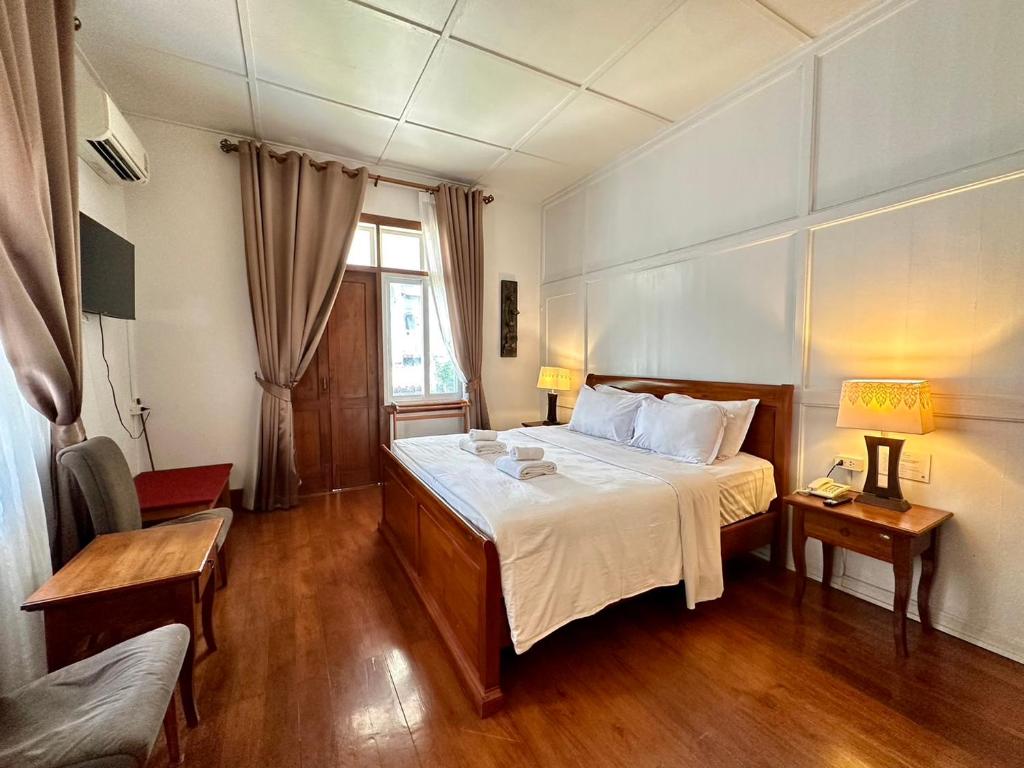


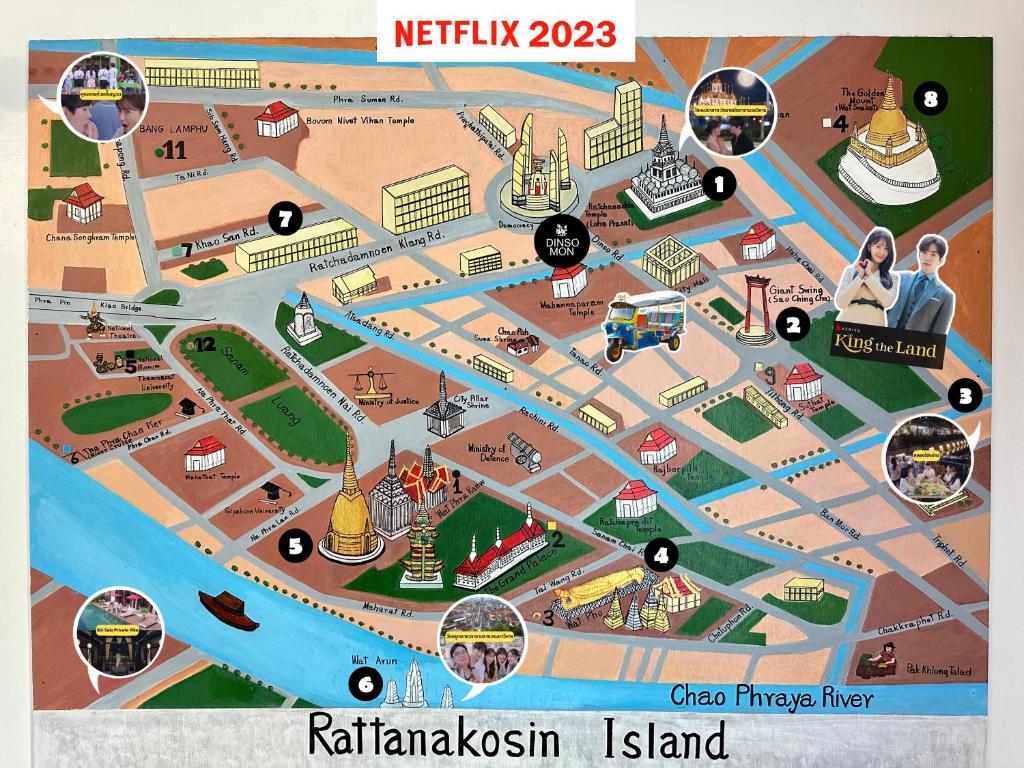
Today is dedicated to the most significant temples in Bangkok, located around the Chao Phraya River. You will visit iconic spots like Wat Pho, home to the giant reclining Buddha, and Wat Arun, one of the most photographed temples in Thailand. You can look forward to ornate pagodas, courtyards filled with intricate mosaics, and the unique atmosphere of places that still play a vital role in the daily lives of locals. This day offers a great opportunity to explore the history, architecture, and spiritual traditions of Thailand.
This expansive temple is best known for its giant reclining Buddha statue, which measures 46 meters and is covered in gold.

The Grand Palace, or Great Palace, used to be the royal residence. This complex includes up to 100 buildings and you can spend up to 3 hours here, even longer if you book a guided tour at the entrance.
This temple is part of the Grand Palace. Inside the temple, a small, inconspicuous, but rare emerald Buddha statue is on display.
To visit Wat Arun you will need to use the water public transport. At the Tah Tian pier, get on a boat that will take you straight to Wat Arun. Alternatively, take a ride along the Menam-Chao Phraya River (using the Chao Phraya Express Boat) before visiting it to get a different perspective of Bangkok. The main tower, Wat Arun, measures 82 metres and can be partially climbed.
To see a different side of the city, relax in the green oasis of Lumpini Park. You can stroll around the park, rent a paddleboard, or just watch groups practicing Tai Chi or the unusual city dwellers-warriors living in the artificial lake in the middle of the park.

In the evening, explore the world-famous Khao San Road, just a short walk from your hotel. This street is a symbol of Bangkok's street hustle and bustle with its many bars, clubs, restaurants, but especially classic Thai street food (street food stalls).
The third day is dedicated to a full-day trip to Ayutthaya, the former capital of the Kingdom of Siam, which is now a UNESCO World Heritage site. The area features a variety of well-preserved temples, historical ruins, and famous landmarks, including the Buddha head overgrown by tree roots at Wat Mahathat. Unlike busy Bangkok, there is a calmer atmosphere here, and the visit provides an interesting glimpse into Thai history and culture. Most of the main sites can be comfortably visited in one day.
You can conveniently get from Bangkok to Ayutthaya by train from Hua Lamphong main station. Trains run frequently, and the journey takes 1.5 to 2 hours. Upon arrival at the Ayutthaya station, you can take a tuk-tuk or rent a bicycle right in front of the building – both are ideal for getting around the temples in the sprawling complex.
In Ayutthaya there is a specific type of temples, different than anywhere else in Thailand. There are 9 main temples, each of them has a small parking lot, some food and drink stalls, toilets and a kiosk for paying the entrance fee (some temples are free, the biggest ones charge around 50 baht. In total, however, the complex numbers many other Buddhist temples, monasteries and ancient statues of enormous proportions. What I recommend avoiding are the floating markets in the complex, which have been greatly marred by the ravages of time and you are sure to come across better ones during your visit to Thailand.

Today is all about heading to Northern Thailand, where you'll find a totally different vibe compared to Bangkok. You'll trade the busy city for green landscapes, mountain views, and a more relaxed pace of life. Once you arrive, you can start exploring the north, which is famous for its nature, traditional culture, and laid-back atmosphere.
Local Mae Fah Luang Airport (CEI) is less than 10 km from the centre. The hotel can be reached by tuktuk or taxi. If you still have time and inclination after arrival, you can venture out into the city streets for an evening market or massage.
Evening markets in the city center are an integral part of the Thai atmosphere – lively, fragrant, and full of colors. If you have the chance, return to them every evening. It's the ideal place to eat well, buy souvenirs, and experience the true local hustle and bustle. Bargaining is common here, often even welcome. Among the typical dishes you shouldn't miss during your trip are curry sauces like green, red, yellow, or massaman served with rice and meat, crispy spring rolls, chicken in sweet and sour sauce, classic pad thai with noodles and vegetables, spicy Tom Yum soup with shrimp, or a bolder delicacy – fried crickets. Finally, don't forget a sweet treat: sticky rice with mango.


Today is dedicated to exploring Chiang Rai and its most famous landmarks. The main highlight is a visit to the iconic White Temple (Wat Rong Khun), one of the most interesting and photographed spots in Northern Thailand. The journey itself takes you through a pleasant countryside landscape with views of surrounding mountains and plantations. Upon returning to the city, you can visit other local temples and soak in the more relaxed atmosphere of Chiang Rai, which is less touristy than busy Chiang Mai and offers a more authentic glimpse into Northern Thailand.
You can rent a scooter in Chiang Rai either directly through your hotel or at one of the local rental shops. Before taking it, check the vehicle's condition and take photos of any scratches or other damage. Some rental shops require your passport, while others accept a deposit. A helmet is usually included, and most rental shops offer a wide selection of scooters suitable for both getting around the city and trips into the surrounding mountains.
Wat Rong Khun, known as the White Temple, is one of the most impressive sights in northern Thailand. Although it's not a historical monument but a modern work of art completed only in 1997, it fascinates visitors with its dazzling white facade, symbolism, and unusual combination of traditional Thai architecture with elements of contemporary art. The entire complex is smaller, but visually exceptionally strong – it also includes the Golden Temple, which forms an interesting contrast to the icy white main complex. Wat Rong Khun is a place that will leave its mark on you – and a visit to Chiang Rai wouldn't be complete without it.
Wat Phra Kaew is a smaller temple in the city that originally belonged to the Emerald Buddha, which you could see in Bangkok at Wat Phra Kaeo. It is now a museum of antiquities (statues, porcelain, textiles, weapons) and admission is free.
If you haven't had enough of the temples, check out another colourful gem - the Blue Temple in the north of the city.This is again a modern building and admission is free.
At the end of the day, drive above the city and stop at a modern temple with a majestic nine-storey pagoda and a beautiful view of the city.
Today is the perfect day to explore the mountainous landscape around Chiang Rai. A great first choice is a trip to Doi Mae Salong, an area famous for its vast tea plantations, mountain views, and a unique mix of Thai and Chinese cultural influences. Walking among the tea bushes, visiting local tea houses, or stopping at one of the scenic viewpoints are some of the most enjoyable experiences that Northern Thailand has to offer.
The Doi Mae Salong area lies approximately 60 to 70 km northwest of Chiang Rai and is known for its tea plantations and mountain vistas. You can get here by rental car, scooter, or as part of an organized day trip (GetYourGuide). Local plantations, such as Choui Fong, offer tea tastings, cafes with views of the landscape, and the chance to walk among the tea bushes.
Alternatively, you can use this day for a different trip; it's best to choose one in the GetYourGuide app based on what interests you most. Options include a trip along the Kok River, which flows through Chiang Rai. Around the city, you can use local boat transport or organized cruises leading to villages on the riverbanks. If you're interested in local culture, you can visit mountain areas inhabited by the Akha, Lisu, or Karen ethnic tribes.

If you enjoy hiking, head to the Khun Kon waterfall, located about 30 km south of Chiang Rai. You can reach the trailhead by scooter or taxi. From the parking lot, a marked path leads through the forest to the waterfall, with the walk itself taking about 1 to 2 hours each way depending on your pace.
Today you'll move from Chiang Rai to Chiang Mai, the largest city in northern Thailand. Upon arrival, you'll have time to get a feel for the city's atmosphere, known for its mix of historic temples, modern cafes, traditional markets, and excellent northern Thai cuisine. The next five days will give you plenty of space to discover cultural landmarks, the surrounding nature, and local life in one of the country's most popular regions.
The bus departs from Terminal 1 every hour from 7:30 am to 6 pm.
To kick off your time in Chiang Mai, head to this restaurant, which is considered one of the best spots to try classic khao soi—a curry noodle dish with chicken, a coconut broth, and crispy noodles on top. It’s a traditional northern Thai dish and a perfect way to wrap up your first evening in Chiang Mai.


Today is dedicated to exploring the historic center of Chiang Mai, known for its many temples, traditional architecture, and pleasant atmosphere. As you stroll between the ancient city walls, you can visit important landmarks, local markets, and popular cafes and restaurants. Chiang Mai is the perfect place for a slower pace and discovering the everyday life of Northern Thailand.
In the evening, one of the most popular experiences among visitors awaits you – a Thai cooking class. Under the guidance of local chefs, you will learn about the basic ingredients and prepare several traditional dishes. It’s a great opportunity not only to taste Thai cuisine but also to take home some inspiration that you can use even after returning home.
Start in the very heart of the old city. Wat Phra Singh is not only Chiang Mai's most visited temple, but also a place that seems to pulsate with ancient dignity. The golden roofs shimmer in the sun, and in the main sanctuary lies the Phra Singh statue – mysterious, beautiful, and deeply sacred to the Thai people.
Just a few steps away stands Wat Chedi Luang, a temple that commands respect. Its crumbling stupa, once the tallest in the city, is a reminder that even beauty is subject to time. If you're lucky, you can sit down with a local monk and gain insight into their perspective on the world in a quiet conversation.
In contrast, the smaller temple, made of massive teak wood, is cozy, earthy, and wonderfully peaceful. Wat Phan Tao is often overlooked – yet it is here, at dusk, that hundreds of lanterns hang among the trees, the air smells of incense, and everything pauses for a moment.
Conclude your journey at the city's oldest temple. Wat Chiang Man may seem unassuming, but it hides treasures – a crystal Emerald Buddha statue and a shrine carried by stone elephants. It's a peaceful place on the edge of the old city, ideal for a moment of quiet at the end of the day.
Chiang Mai is famous for its Thai cooking classes; I can recommend this school from my own experience. During the lesson, you'll get to know local ingredients, aromatic herbs, and traditional food preparation techniques. Besides learning new recipes, you can look forward to a pleasant atmosphere and the chance to taste your own creations right there.
Your hotel will surely recommend the course to you as well, or you can check GetYourGuide again.
Today takes you to Doi Suthep, one of the most significant and popular temples around Chiang Mai. Located on the mountainside above the city, the temple features not only richly decorated stupas but also stunning views of Chiang Mai and the surrounding landscape. The journey up takes you through a lush, green mountain environment, offering a refreshing escape from the bustle of the city. Visiting Doi Suthep is a highlight of Northern Thailand, providing a fascinating glimpse into local history, architecture, and Buddhist traditions.
Rent a scooter again through your hotel reception.
The temple complex on Doi Suthep mountain is at an altitude of 1,600 m above sea level, so it's quite a climb from Chiang Mai. At the top, you'll have a beautiful view of the city and surrounding jungle. It is possible to hike to the latter, where your destination may be one of the nearby waterfalls.
Continue a little further along the same road and visit the Bhubing Palace. The modern palace is the winter residence of the Thai royal family and is surrounded by beautiful gardens.
Before you start heading back to Chiang Mai and if you still feel like exploring northern Thailand, drive up to this mountain village where the Hmong people live. Even after years of tourism, the village still offers a glimpse of a traditional lifestyle. Visit the local markets, have a coffee, sample a few dishes and enjoy the relaxed atmosphere.
Below the Doi Suthep mountain is a zoo. The zoo is well maintained and focuses on promoting conservation and educating visitors about the importance of wildlife conservation. The zoo is home to a pair of giant pandas, which is certainly an interesting rarity for us Europeans.
In the evening, you can experience one of the most famous Thai traditions and visit Muay Thai matches at Thaphae Boxing Stadium, located just a few minutes' walk from Tha Phae Gate in the center of Chiang Mai. Throughout the evening, you'll see several matches of various categories, as well as the traditional Wai Khru Ram Muay ceremony, where fighters pay their respects to their trainers and martial arts school. The atmosphere is very lively and offers an interesting look at Thailand's national sport.
Matches usually start around 9:00 PM and end before midnight. Tickets can be purchased on-site or in advance online (GetYourGuide). Standard, ringside, and VIP seats are usually available.
Today you have one of the most memorable encounters of the entire trip in store – a visit to an ethical elephant sanctuary. Instead of shows and elephant rides, the emphasis here is on respecting these animals and their natural needs. You'll learn more about their lives, help with feeding, and have the chance to observe them up close in an environment where they can roam freely. For many visitors, it's a unique opportunity to get to know these fascinating animals in a way that differs from traditional tourist attractions and to better understand their conservation.
Baan Chang Elephant Park is a family-run and ethically focused elephant center near Chiang Mai that doesn't offer elephant rides or animal shows. It focuses on elephant care, visitor education, and the chance to get to know these animals up close in a respectful environment.
The Half Day – Elephant’s Heaven program includes feeding the elephants, preparing their food, walking alongside the mahouts, and, depending on current conditions, bathing the elephants in water. The entire experience takes place in small groups and emphasizes a gentle approach toward the animals.
The trip can be booked via platforms like Viator or TripAdvisor, or directly on the Baan Chang Elephant Park website.
After an active day, treat yourself to some well-deserved relaxation at one of Chiang Mai's renowned wellness centers. Zira Spa is a local favorite where visitors can enjoy traditional Thai massages, aromatherapy treatments, and other relaxing rituals. Its pleasant atmosphere and professional care make it the perfect stop to recharge before your next adventure in Northern Thailand.
Today takes you to Doi Inthanon National Park, home to Thailand's highest mountain. The area is famous for its lush nature, mountain climate, waterfalls, and beautiful panoramic views of the surrounding countryside. Unlike the lower-lying parts of the country, you'll find more pleasant temperatures and a more peaceful atmosphere here. A trip to Doi Inthanon offers a unique opportunity to discover another side of Northern Thailand and enjoy a day in the mountain wilderness.
Doi Inthanon National Park is one of the most beautiful day trips from Chiang Mai. Although it is possible to visit the park by scooter, an organized tour is more convenient in this case given the distance from Chiang Mai. The full-day trip includes transportation, a program, and lunch.
During the trip, you will visit the most interesting spots in the national park, including the Wachirathan and Sirithan waterfalls, the famous royal pagodas, and viewpoints with panoramic views of the surrounding mountains. The program also usually includes a visit to a Karen ethnic hill tribe village and, depending on the chosen tour option, a walk along one of the local nature trails. The trip can be easily booked via GetYourGuide under the name Doi Inthanon National Park Tour.
Not far from the highest point in Thailand, there are two royal pagodas built in honor of the Thai King and Queen. They are surrounded by manicured gardens and are among the most photographed places in the entire park. If you have more time, I also recommend the short Ang Ka Nature Trail, which leads through a unique mountain cloud forest and takes about 30 minutes.
You're saying goodbye to the mountainous north and heading back to the warm sea. Let a tuk-tuk take you one last time through the narrow streets of Chiang Mai towards the airport. Ahead of you is a change of rhythm, the scent of salty water, and a new breath of Thailand. Look forward to it, the best may still be ahead of you.
Chiang Mai International Airport (CNX) is a modern and well-organized airport located just a few kilometers from the city center. Thanks to the short distance, you can usually get here from the historic center in 15 to 20 minutes. The airport is well-organized and check-in is typically hassle-free. Before your flight, you'll find restaurants, cafes, shops, and ATMs here.
Koh Samui Airport has a unique vibe—it's completely open-air, surrounded by greenery and palm trees.
Unfortunately, the only way to get from the airport is to book a minivan at the counter to take you to your hotel. Even though it's not a long drive, it can cost around 500 THB.
You've just arrived in paradise! It's hard to believe that Mae Nam Beach on touristy Koh Samui is still so peaceful and empty, yet it's one of the most beautiful beaches on the island.
Today's schedule is completely up to you. You can relax on the beach, swim in the sea, or rent a kayak or paddleboard to explore the surrounding coastline.
We liked the area in front of Have a good day Beach Cafe the best.
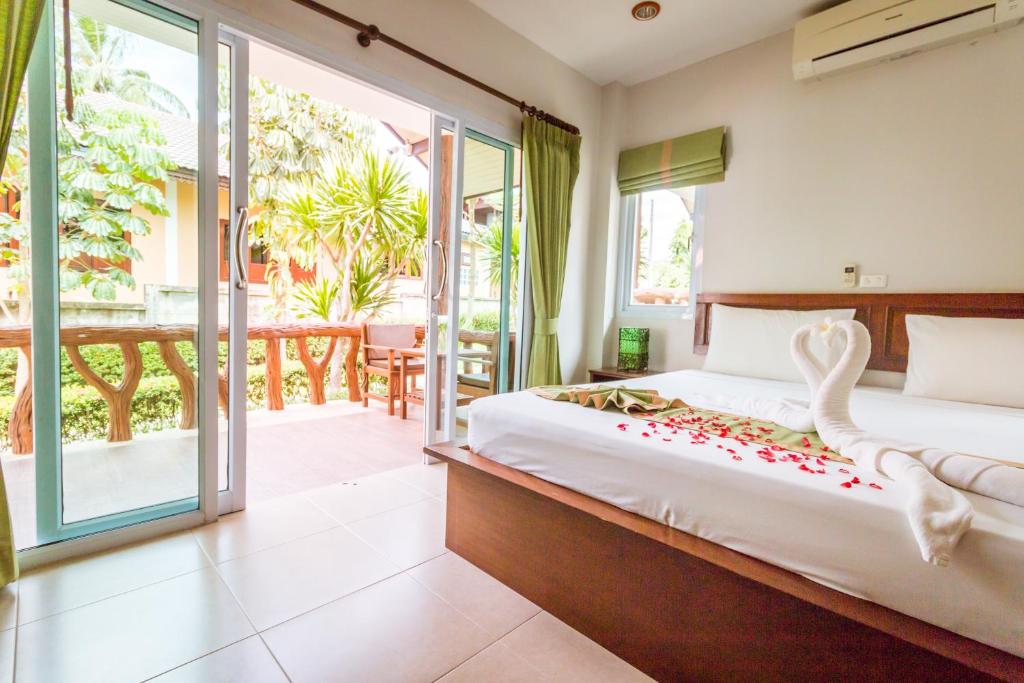

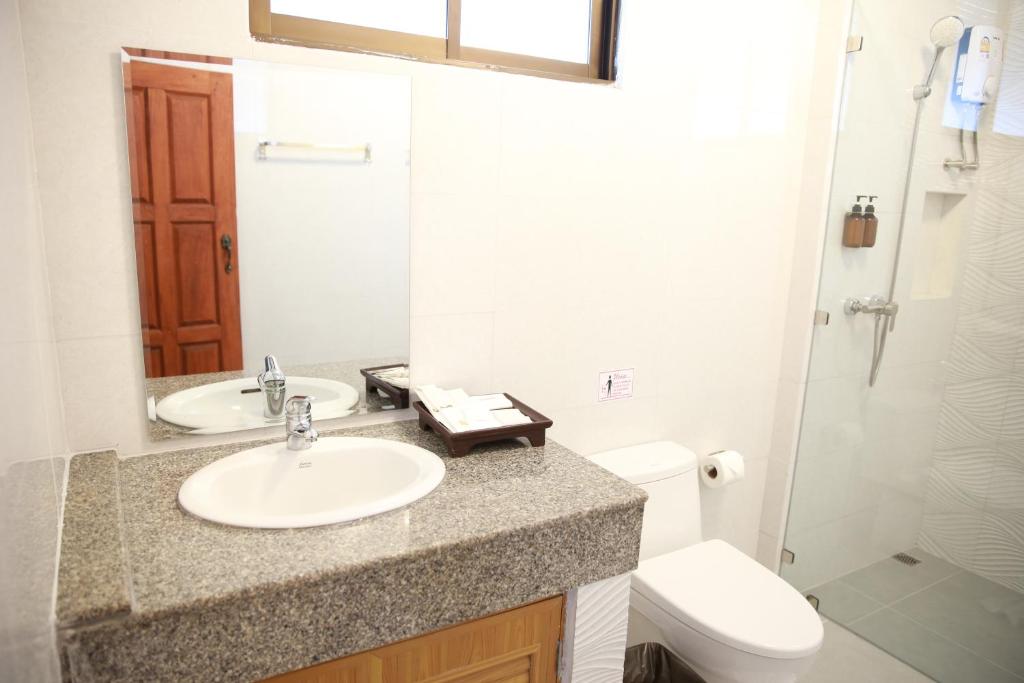
Today is the perfect day to explore Koh Samui at your own pace. You can use the local public transport—pick-up trucks that regularly cruise the main road around the island, making it easy to visit different beaches and resorts. If you prefer more flexibility, consider renting a scooter (again, best done through your hotel reception) and taking trips to less-visited parts of the island. Whether you head to the livelier beaches, the inland areas, or the quieter spots in the north and east, you're in for a day full of beautiful views, a relaxed atmosphere, and chances to see Koh Samui from many different perspectives.
With its fine white sand and dazzling turquoise water, this beach is often called the most beautiful on the whole island. It offers postcard-perfect scenery, but it's also the busiest – lined with stylish bars, restaurants, and luxury resorts. If you're looking for a lively atmosphere and a wide range of services right by the sea, you've come to the right place.
Silver Beach welcomes you with fine white sand, azure water, and a calm atmosphere that feels perfect for relaxing moments. On its edges, you will find large rounded boulders that give it an unmistakable charm and are a popular spot for photos as well as quiet contemplation. The beach is smaller, so it can get crowded during the day, but early morning or late afternoon will offer you the true magic of a tropical retreat.

Lamai Beach is often described as a quieter alternative to the busier Chaweng. It offers a long sandy beach, great swimming conditions, and a pleasant atmosphere with plenty of restaurants and cafes nearby. While walking towards the southern end of the beach, you can visit the famous Hin Ta and Hin Yai (Grandmother and Grandfather) rock formations, which are among the most visited natural attractions on the island.
If you're up for a short trip, head over to the Lamai Viewpoint, which offers lovely views of the coastline and surrounding bays. There is a refreshment stand at the top, so you can grab a drink and relax for a while before heading back to the beach.
Discover a hidden garden in the heart of a tropical jungle, where among the trees and ferns stand the mystical sculptures of local sculptor Nim Thongsuk, a native of Koh Samui island. This quiet place, full of symbolism and spiritual atmosphere, feels like another world – peaceful, special, and utterly unforgettable.

Koh Samui also has Buddhist temples and landmarks. The most significant ones are located on the northeastern tip of the island, the Big Buddha statue and Wat Plai Laem temple. Entry is free, and again, appropriate attire is required.
The Wat Plai Leam temple complex is known as the temple of the 3 religions. Translated, the name means "goddess of mercy and compassion".
During your stay on Koh Samui, take a trip to the nearby village of Bophut beach at least once, where in the evening it transforms into a vibrant market full of tastes, scents, and colors. You can sample great Thai street food, have a refreshing drink, and maybe even take home a souvenir. The former fishing village has retained its charm and today attracts visitors not only with its market but also with a wide range of restaurants and a pleasant atmosphere.
Right by the evening market you’ll find the stylish beach restaurant Coco Tam’s, where every evening from 8:30 PM there’s a fire show right on the sand. Reservations aren’t necessary, but we recommend arriving early – the best spots are taken quickly. The atmosphere is relaxed, the sea view magical, and the experience guaranteed.
Today's adventure takes you to a tropical paradise: Ang Thong National Marine Park, nestled between turquoise waters and limestone cliffs. Explore dozens of uninhabited islands, snorkel in crystal-clear water, and enjoy breathtaking views from the rocky peaks. This day offers a combination of natural beauty, active exploration, and peaceful moments aboard the boat – an experience you'll remember for a long time.
Ang Thong Marine Park is a protected national marine park that can only be visited as part of an organized boat tour. You can easily book this unforgettable trip in advance through platforms like GetYourGuide or Viator, where you'll find various cruise options. Transfers to and from your hotel are usually included in the price. If you prefer a personal touch, most hotels on Koh Samui will be happy to arrange the trip for you at the reception – it's recommended to book at least two days in advance, as capacity can be limited.
During the day, you'll have the chance to snorkel in crystal-clear water, visit several islands, and enjoy beaches that rank among the most beautiful in the Koh Samui area.
Most tours also include a stop at the viewpoint on Ko Wua Talap island. The climb is relatively short but steep in places, though it's definitely worth the effort. The summit offers a panoramic view of dozens of limestone islands scattered across the archipelago, and it’s one of the most iconic sights in Thailand.

Today the scenery changes, you leave the tranquil shores of Koh Samui and set off on a new adventure to Koh Phangan. The boat trip is short, but the feeling that you're heading to a wilder and freer part of Thailand is immediate. Palm trees, jungle and an atmosphere that promises more than just beach relaxation - all this awaits just over the horizon.
For a smooth trip to Koh Phangan, use the services of the reliable transport company https://www.lomprayah.com/, which offers fast and comfortable connections from Pralarn Pier
When you arrive on the island, cross the bridge behind which taxis will be waiting for their customers. You can ask your hotel staff to send a taxi to pick you up and bring you to your hotel.
Salad Beach, where you will be staying, is one of the quietest beaches on the island. It offers fine white sand, crystal-clear water, and a relaxed atmosphere far from the busier parts of the island. It's an ideal place for swimming, relaxing in the shade of palm trees, or taking a peaceful walk along the coast.
In good conditions, you can swim here, snorkel near the edges of the bay, or rent a kayak to explore the surrounding coastline. Around the beach, you'll find several restaurants and cafes with sea views, which are great spots for lunch, an afternoon coffee, or dinner at sunset.


Today is perfect for discovering the lesser-known corners of Koh Phangan. Unlike Koh Samui, the island is better preserved, less developed, and offers plenty of spots that still retain their natural atmosphere. Head into the hilly interior, visit viewpoints, jungle-lined roads, or some of the more secluded beaches scattered along the coast.
Koh Phangan is an island best experienced at your own pace on a scooter, which you can ask the hotel staff to help you rent. During the day, you can mix beach stops with short hikes to viewpoints or visits to smaller bays and local restaurants. Spontaneous stops and exploring outside the main tourist hubs are often some of the best experiences the island has to offer.
When exploring Koh Phangan, the Than Sadet National Park is also worth a visit, as it is one of the island's historically significant sites. The Than Sadet waterfalls of the same name are located here, with cascades flowing through the jungle towards the sea. During the rainy season, the water flow is significantly higher, while in the drier part of the year, there are smaller pools suitable for a refreshing dip.
The area around the park offers several short trails and viewpoints overlooking the east coast of the island. If you want to visit less crowded beaches, it's worth heading to Haad Yuan or Bottle Beach, which are among the most beautiful on Koh Phangan. You can reach them by boat, or via more challenging hiking trails and mountain paths, which is why they have kept a quieter atmosphere than the main tourist areas to this day.
Thong Nai Pan is one of those beaches you'll fall in love with at first sight – quiet, clean, and still not too discovered. Thanks to the gradual entry into the sea, it's perfect for families with children, but its natural charm and peaceful atmosphere will also attract anyone looking for a break away from crowded resorts. The coastline here is home to hundreds of tiny crabs, which add a playful liveliness to the place. At the very end of the beach, you'll find the Longtail Beach Resort, a great choice for dinner and a massage with the sounds of the sea in the background.

This beach is a continuation of Mae Haad beach. It is actually a tip of sand connecting the beach with the small island of Koh Ma. Depending on the tide, it is either possible or not possible to walk to the islet. There is also one of the few snorkeling opportunities around the island, as there is a small coral reef.

It's time to leave the tropical peace behind and head back to Koh Samui. The morning ferry will give you one last glimpse of the turquoise sea and the green island peaks in the distance.
Take the morning ferry back to Koh Samui, and once you arrive at the pier, you'll be at the airport in 20 minutes by taxi.
Your journey through Thailand has come to an end. Over the past few weeks, you've experienced many different sides of this country – from bustling Bangkok and the historic monuments of Ayutthaya and the temples of Northern Thailand to relaxing on the tropical islands of the Gulf of Thailand.
You visited significant cultural landmarks, tasted local cuisine, explored the mountainous landscapes around Chiang Rai and Chiang Mai, met elephants at an ethical sanctuary, and enjoyed days filled with swimming, snorkeling, and island hopping. Every region offered a different atmosphere and showed just how colorful and diverse Thailand is.
Whether you're taking home souvenirs, new culinary skills, or just plenty of photos and memories, I believe this trip has given you experiences that you will look back on fondly for a long time to come.
Embark on a wonderful trip to Thailand and visit the best this country has to offer! Explore Bangkok, a unique, vibrant city full of temples and modern skyscrapers, street stalls and shops where you can buy almost anything. Discover the green north and the royal cities of Chiang Mai and Chiang Rai, where there are hundreds of temples and countless excursions into nature. You will spend the last part of your vacation relaxing on the sandy beaches of Koh Samui and Koh Phangan. You will eat the best food for next to nothing and enjoy a Thai massage whenever you feel like it!
Your Thai adventure begins with your arrival in the vibrant metropolis. After transferring to your hotel, take some time to relax, and if you have any energy left, a perfect way to gently immerse yourself in the city's atmosphere is a Chao Phraya River taxi ride. A peaceful cruise among temples and houses on stilts will show you Bangkok from a different perspective – calm and quiet, yet full of life.
In Bangkok, taxis are a common and affordable way to get around. You can spot official taxis by their bright colors and the "Taxi-Meter" sign. Always insist on using the meter. The base fare is 35 THB, and the price is then calculated based on distance and any time spent in traffic. If a driver refuses to use the meter and suggests a flat rate, it's best to find another taxi.
Alternatives include the Grab and Bolt apps, which let you see the price upfront and track your route in the app.
It's a good idea to carry small bills, as drivers often don't have enough cash for change. If you take a toll road (expressway), the toll is usually paid separately by the passenger.
Taxis are easy to hail on the street, use from official stands, or have ordered by your hotel. Also, at Suvarnabhumi and Don Mueang airports, a 50 THB airport surcharge is standardly added to the fare.
A boat trip along the Chao Phraya River is a great way to experience Bangkok from a different perspective. The river cuts through the city and offers a peaceful escape from the bustling streets. Boats stop at major landmarks such as the Grand Palace or Wat Arun temple, and along the way you'll enjoy views of traditional wooden houses, modern skyscrapers and floating markets. Locals use river transport daily, so in addition to the views you'll also experience a slice of everyday life in Bangkok.
Today is dedicated to the most significant temples in Bangkok, located around the Chao Phraya River. You will visit iconic spots like Wat Pho, home to the giant reclining Buddha, and Wat Arun, one of the most photographed temples in Thailand. You can look forward to ornate pagodas, courtyards filled with intricate mosaics, and the unique atmosphere of places that still play a vital role in the daily lives of locals. This day offers a great opportunity to explore the history, architecture, and spiritual traditions of Thailand.
This expansive temple is best known for its giant reclining Buddha statue, which measures 46 meters and is covered in gold.
The Grand Palace, or Great Palace, used to be the royal residence. This complex includes up to 100 buildings and you can spend up to 3 hours here, even longer if you book a guided tour at the entrance.
This temple is part of the Grand Palace. Inside the temple, a small, inconspicuous, but rare emerald Buddha statue is on display.
To visit Wat Arun you will need to use the water public transport. At the Tah Tian pier, get on a boat that will take you straight to Wat Arun. Alternatively, take a ride along the Menam-Chao Phraya River (using the Chao Phraya Express Boat) before visiting it to get a different perspective of Bangkok. The main tower, Wat Arun, measures 82 metres and can be partially climbed.
To see a different side of the city, relax in the green oasis of Lumpini Park. You can stroll around the park, rent a paddleboard, or just watch groups practicing Tai Chi or the unusual city dwellers-warriors living in the artificial lake in the middle of the park.
In the evening, explore the world-famous Khao San Road, just a short walk from your hotel. This street is a symbol of Bangkok's street hustle and bustle with its many bars, clubs, restaurants, but especially classic Thai street food (street food stalls).
The third day is dedicated to a full-day trip to Ayutthaya, the former capital of the Kingdom of Siam, which is now a UNESCO World Heritage site. The area features a variety of well-preserved temples, historical ruins, and famous landmarks, including the Buddha head overgrown by tree roots at Wat Mahathat. Unlike busy Bangkok, there is a calmer atmosphere here, and the visit provides an interesting glimpse into Thai history and culture. Most of the main sites can be comfortably visited in one day.
You can conveniently get from Bangkok to Ayutthaya by train from Hua Lamphong main station. Trains run frequently, and the journey takes 1.5 to 2 hours. Upon arrival at the Ayutthaya station, you can take a tuk-tuk or rent a bicycle right in front of the building – both are ideal for getting around the temples in the sprawling complex.
In Ayutthaya there is a specific type of temples, different than anywhere else in Thailand. There are 9 main temples, each of them has a small parking lot, some food and drink stalls, toilets and a kiosk for paying the entrance fee (some temples are free, the biggest ones charge around 50 baht. In total, however, the complex numbers many other Buddhist temples, monasteries and ancient statues of enormous proportions. What I recommend avoiding are the floating markets in the complex, which have been greatly marred by the ravages of time and you are sure to come across better ones during your visit to Thailand.
Today is all about heading to Northern Thailand, where you'll find a totally different vibe compared to Bangkok. You'll trade the busy city for green landscapes, mountain views, and a more relaxed pace of life. Once you arrive, you can start exploring the north, which is famous for its nature, traditional culture, and laid-back atmosphere.
Local Mae Fah Luang Airport (CEI) is less than 10 km from the centre. The hotel can be reached by tuktuk or taxi. If you still have time and inclination after arrival, you can venture out into the city streets for an evening market or massage.
Evening markets in the city center are an integral part of the Thai atmosphere – lively, fragrant, and full of colors. If you have the chance, return to them every evening. It's the ideal place to eat well, buy souvenirs, and experience the true local hustle and bustle. Bargaining is common here, often even welcome. Among the typical dishes you shouldn't miss during your trip are curry sauces like green, red, yellow, or massaman served with rice and meat, crispy spring rolls, chicken in sweet and sour sauce, classic pad thai with noodles and vegetables, spicy Tom Yum soup with shrimp, or a bolder delicacy – fried crickets. Finally, don't forget a sweet treat: sticky rice with mango.
Today is dedicated to exploring Chiang Rai and its most famous landmarks. The main highlight is a visit to the iconic White Temple (Wat Rong Khun), one of the most interesting and photographed spots in Northern Thailand. The journey itself takes you through a pleasant countryside landscape with views of surrounding mountains and plantations. Upon returning to the city, you can visit other local temples and soak in the more relaxed atmosphere of Chiang Rai, which is less touristy than busy Chiang Mai and offers a more authentic glimpse into Northern Thailand.
You can rent a scooter in Chiang Rai either directly through your hotel or at one of the local rental shops. Before taking it, check the vehicle's condition and take photos of any scratches or other damage. Some rental shops require your passport, while others accept a deposit. A helmet is usually included, and most rental shops offer a wide selection of scooters suitable for both getting around the city and trips into the surrounding mountains.
Wat Rong Khun, known as the White Temple, is one of the most impressive sights in northern Thailand. Although it's not a historical monument but a modern work of art completed only in 1997, it fascinates visitors with its dazzling white facade, symbolism, and unusual combination of traditional Thai architecture with elements of contemporary art. The entire complex is smaller, but visually exceptionally strong – it also includes the Golden Temple, which forms an interesting contrast to the icy white main complex. Wat Rong Khun is a place that will leave its mark on you – and a visit to Chiang Rai wouldn't be complete without it.
Wat Phra Kaew is a smaller temple in the city that originally belonged to the Emerald Buddha, which you could see in Bangkok at Wat Phra Kaeo. It is now a museum of antiquities (statues, porcelain, textiles, weapons) and admission is free.
If you haven't had enough of the temples, check out another colourful gem - the Blue Temple in the north of the city.This is again a modern building and admission is free.
At the end of the day, drive above the city and stop at a modern temple with a majestic nine-storey pagoda and a beautiful view of the city.
Today is the perfect day to explore the mountainous landscape around Chiang Rai. A great first choice is a trip to Doi Mae Salong, an area famous for its vast tea plantations, mountain views, and a unique mix of Thai and Chinese cultural influences. Walking among the tea bushes, visiting local tea houses, or stopping at one of the scenic viewpoints are some of the most enjoyable experiences that Northern Thailand has to offer.
The Doi Mae Salong area lies approximately 60 to 70 km northwest of Chiang Rai and is known for its tea plantations and mountain vistas. You can get here by rental car, scooter, or as part of an organized day trip (GetYourGuide). Local plantations, such as Choui Fong, offer tea tastings, cafes with views of the landscape, and the chance to walk among the tea bushes.
Alternatively, you can use this day for a different trip; it's best to choose one in the GetYourGuide app based on what interests you most. Options include a trip along the Kok River, which flows through Chiang Rai. Around the city, you can use local boat transport or organized cruises leading to villages on the riverbanks. If you're interested in local culture, you can visit mountain areas inhabited by the Akha, Lisu, or Karen ethnic tribes.
If you enjoy hiking, head to the Khun Kon waterfall, located about 30 km south of Chiang Rai. You can reach the trailhead by scooter or taxi. From the parking lot, a marked path leads through the forest to the waterfall, with the walk itself taking about 1 to 2 hours each way depending on your pace.
Today you'll move from Chiang Rai to Chiang Mai, the largest city in northern Thailand. Upon arrival, you'll have time to get a feel for the city's atmosphere, known for its mix of historic temples, modern cafes, traditional markets, and excellent northern Thai cuisine. The next five days will give you plenty of space to discover cultural landmarks, the surrounding nature, and local life in one of the country's most popular regions.
The bus departs from Terminal 1 every hour from 7:30 am to 6 pm.
To kick off your time in Chiang Mai, head to this restaurant, which is considered one of the best spots to try classic khao soi—a curry noodle dish with chicken, a coconut broth, and crispy noodles on top. It’s a traditional northern Thai dish and a perfect way to wrap up your first evening in Chiang Mai.
Today is dedicated to exploring the historic center of Chiang Mai, known for its many temples, traditional architecture, and pleasant atmosphere. As you stroll between the ancient city walls, you can visit important landmarks, local markets, and popular cafes and restaurants. Chiang Mai is the perfect place for a slower pace and discovering the everyday life of Northern Thailand.
In the evening, one of the most popular experiences among visitors awaits you – a Thai cooking class. Under the guidance of local chefs, you will learn about the basic ingredients and prepare several traditional dishes. It’s a great opportunity not only to taste Thai cuisine but also to take home some inspiration that you can use even after returning home.
Start in the very heart of the old city. Wat Phra Singh is not only Chiang Mai's most visited temple, but also a place that seems to pulsate with ancient dignity. The golden roofs shimmer in the sun, and in the main sanctuary lies the Phra Singh statue – mysterious, beautiful, and deeply sacred to the Thai people.
Just a few steps away stands Wat Chedi Luang, a temple that commands respect. Its crumbling stupa, once the tallest in the city, is a reminder that even beauty is subject to time. If you're lucky, you can sit down with a local monk and gain insight into their perspective on the world in a quiet conversation.
In contrast, the smaller temple, made of massive teak wood, is cozy, earthy, and wonderfully peaceful. Wat Phan Tao is often overlooked – yet it is here, at dusk, that hundreds of lanterns hang among the trees, the air smells of incense, and everything pauses for a moment.
Conclude your journey at the city's oldest temple. Wat Chiang Man may seem unassuming, but it hides treasures – a crystal Emerald Buddha statue and a shrine carried by stone elephants. It's a peaceful place on the edge of the old city, ideal for a moment of quiet at the end of the day.
Chiang Mai is famous for its Thai cooking classes; I can recommend this school from my own experience. During the lesson, you'll get to know local ingredients, aromatic herbs, and traditional food preparation techniques. Besides learning new recipes, you can look forward to a pleasant atmosphere and the chance to taste your own creations right there.
Your hotel will surely recommend the course to you as well, or you can check GetYourGuide again.
Today takes you to Doi Suthep, one of the most significant and popular temples around Chiang Mai. Located on the mountainside above the city, the temple features not only richly decorated stupas but also stunning views of Chiang Mai and the surrounding landscape. The journey up takes you through a lush, green mountain environment, offering a refreshing escape from the bustle of the city. Visiting Doi Suthep is a highlight of Northern Thailand, providing a fascinating glimpse into local history, architecture, and Buddhist traditions.
Rent a scooter again through your hotel reception.
The temple complex on Doi Suthep mountain is at an altitude of 1,600 m above sea level, so it's quite a climb from Chiang Mai. At the top, you'll have a beautiful view of the city and surrounding jungle. It is possible to hike to the latter, where your destination may be one of the nearby waterfalls.
Continue a little further along the same road and visit the Bhubing Palace. The modern palace is the winter residence of the Thai royal family and is surrounded by beautiful gardens.
Before you start heading back to Chiang Mai and if you still feel like exploring northern Thailand, drive up to this mountain village where the Hmong people live. Even after years of tourism, the village still offers a glimpse of a traditional lifestyle. Visit the local markets, have a coffee, sample a few dishes and enjoy the relaxed atmosphere.
Below the Doi Suthep mountain is a zoo. The zoo is well maintained and focuses on promoting conservation and educating visitors about the importance of wildlife conservation. The zoo is home to a pair of giant pandas, which is certainly an interesting rarity for us Europeans.
In the evening, you can experience one of the most famous Thai traditions and visit Muay Thai matches at Thaphae Boxing Stadium, located just a few minutes' walk from Tha Phae Gate in the center of Chiang Mai. Throughout the evening, you'll see several matches of various categories, as well as the traditional Wai Khru Ram Muay ceremony, where fighters pay their respects to their trainers and martial arts school. The atmosphere is very lively and offers an interesting look at Thailand's national sport.
Matches usually start around 9:00 PM and end before midnight. Tickets can be purchased on-site or in advance online (GetYourGuide). Standard, ringside, and VIP seats are usually available.
Today you have one of the most memorable encounters of the entire trip in store – a visit to an ethical elephant sanctuary. Instead of shows and elephant rides, the emphasis here is on respecting these animals and their natural needs. You'll learn more about their lives, help with feeding, and have the chance to observe them up close in an environment where they can roam freely. For many visitors, it's a unique opportunity to get to know these fascinating animals in a way that differs from traditional tourist attractions and to better understand their conservation.
Baan Chang Elephant Park is a family-run and ethically focused elephant center near Chiang Mai that doesn't offer elephant rides or animal shows. It focuses on elephant care, visitor education, and the chance to get to know these animals up close in a respectful environment.
The Half Day – Elephant’s Heaven program includes feeding the elephants, preparing their food, walking alongside the mahouts, and, depending on current conditions, bathing the elephants in water. The entire experience takes place in small groups and emphasizes a gentle approach toward the animals.
The trip can be booked via platforms like Viator or TripAdvisor, or directly on the Baan Chang Elephant Park website.
After an active day, treat yourself to some well-deserved relaxation at one of Chiang Mai's renowned wellness centers. Zira Spa is a local favorite where visitors can enjoy traditional Thai massages, aromatherapy treatments, and other relaxing rituals. Its pleasant atmosphere and professional care make it the perfect stop to recharge before your next adventure in Northern Thailand.
Today takes you to Doi Inthanon National Park, home to Thailand's highest mountain. The area is famous for its lush nature, mountain climate, waterfalls, and beautiful panoramic views of the surrounding countryside. Unlike the lower-lying parts of the country, you'll find more pleasant temperatures and a more peaceful atmosphere here. A trip to Doi Inthanon offers a unique opportunity to discover another side of Northern Thailand and enjoy a day in the mountain wilderness.
Doi Inthanon National Park is one of the most beautiful day trips from Chiang Mai. Although it is possible to visit the park by scooter, an organized tour is more convenient in this case given the distance from Chiang Mai. The full-day trip includes transportation, a program, and lunch.
During the trip, you will visit the most interesting spots in the national park, including the Wachirathan and Sirithan waterfalls, the famous royal pagodas, and viewpoints with panoramic views of the surrounding mountains. The program also usually includes a visit to a Karen ethnic hill tribe village and, depending on the chosen tour option, a walk along one of the local nature trails. The trip can be easily booked via GetYourGuide under the name Doi Inthanon National Park Tour.
Not far from the highest point in Thailand, there are two royal pagodas built in honor of the Thai King and Queen. They are surrounded by manicured gardens and are among the most photographed places in the entire park. If you have more time, I also recommend the short Ang Ka Nature Trail, which leads through a unique mountain cloud forest and takes about 30 minutes.
You're saying goodbye to the mountainous north and heading back to the warm sea. Let a tuk-tuk take you one last time through the narrow streets of Chiang Mai towards the airport. Ahead of you is a change of rhythm, the scent of salty water, and a new breath of Thailand. Look forward to it, the best may still be ahead of you.
Chiang Mai International Airport (CNX) is a modern and well-organized airport located just a few kilometers from the city center. Thanks to the short distance, you can usually get here from the historic center in 15 to 20 minutes. The airport is well-organized and check-in is typically hassle-free. Before your flight, you'll find restaurants, cafes, shops, and ATMs here.
Koh Samui Airport has a unique vibe—it's completely open-air, surrounded by greenery and palm trees.
Unfortunately, the only way to get from the airport is to book a minivan at the counter to take you to your hotel. Even though it's not a long drive, it can cost around 500 THB.
You've just arrived in paradise! It's hard to believe that Mae Nam Beach on touristy Koh Samui is still so peaceful and empty, yet it's one of the most beautiful beaches on the island.
Today's schedule is completely up to you. You can relax on the beach, swim in the sea, or rent a kayak or paddleboard to explore the surrounding coastline.
We liked the area in front of Have a good day Beach Cafe the best.
Today is the perfect day to explore Koh Samui at your own pace. You can use the local public transport—pick-up trucks that regularly cruise the main road around the island, making it easy to visit different beaches and resorts. If you prefer more flexibility, consider renting a scooter (again, best done through your hotel reception) and taking trips to less-visited parts of the island. Whether you head to the livelier beaches, the inland areas, or the quieter spots in the north and east, you're in for a day full of beautiful views, a relaxed atmosphere, and chances to see Koh Samui from many different perspectives.
With its fine white sand and dazzling turquoise water, this beach is often called the most beautiful on the whole island. It offers postcard-perfect scenery, but it's also the busiest – lined with stylish bars, restaurants, and luxury resorts. If you're looking for a lively atmosphere and a wide range of services right by the sea, you've come to the right place.
Silver Beach welcomes you with fine white sand, azure water, and a calm atmosphere that feels perfect for relaxing moments. On its edges, you will find large rounded boulders that give it an unmistakable charm and are a popular spot for photos as well as quiet contemplation. The beach is smaller, so it can get crowded during the day, but early morning or late afternoon will offer you the true magic of a tropical retreat.
Lamai Beach is often described as a quieter alternative to the busier Chaweng. It offers a long sandy beach, great swimming conditions, and a pleasant atmosphere with plenty of restaurants and cafes nearby. While walking towards the southern end of the beach, you can visit the famous Hin Ta and Hin Yai (Grandmother and Grandfather) rock formations, which are among the most visited natural attractions on the island.
If you're up for a short trip, head over to the Lamai Viewpoint, which offers lovely views of the coastline and surrounding bays. There is a refreshment stand at the top, so you can grab a drink and relax for a while before heading back to the beach.
Discover a hidden garden in the heart of a tropical jungle, where among the trees and ferns stand the mystical sculptures of local sculptor Nim Thongsuk, a native of Koh Samui island. This quiet place, full of symbolism and spiritual atmosphere, feels like another world – peaceful, special, and utterly unforgettable.
Koh Samui also has Buddhist temples and landmarks. The most significant ones are located on the northeastern tip of the island, the Big Buddha statue and Wat Plai Laem temple. Entry is free, and again, appropriate attire is required.
The Wat Plai Leam temple complex is known as the temple of the 3 religions. Translated, the name means "goddess of mercy and compassion".
During your stay on Koh Samui, take a trip to the nearby village of Bophut beach at least once, where in the evening it transforms into a vibrant market full of tastes, scents, and colors. You can sample great Thai street food, have a refreshing drink, and maybe even take home a souvenir. The former fishing village has retained its charm and today attracts visitors not only with its market but also with a wide range of restaurants and a pleasant atmosphere.
Right by the evening market you’ll find the stylish beach restaurant Coco Tam’s, where every evening from 8:30 PM there’s a fire show right on the sand. Reservations aren’t necessary, but we recommend arriving early – the best spots are taken quickly. The atmosphere is relaxed, the sea view magical, and the experience guaranteed.
Today's adventure takes you to a tropical paradise: Ang Thong National Marine Park, nestled between turquoise waters and limestone cliffs. Explore dozens of uninhabited islands, snorkel in crystal-clear water, and enjoy breathtaking views from the rocky peaks. This day offers a combination of natural beauty, active exploration, and peaceful moments aboard the boat – an experience you'll remember for a long time.
Ang Thong Marine Park is a protected national marine park that can only be visited as part of an organized boat tour. You can easily book this unforgettable trip in advance through platforms like GetYourGuide or Viator, where you'll find various cruise options. Transfers to and from your hotel are usually included in the price. If you prefer a personal touch, most hotels on Koh Samui will be happy to arrange the trip for you at the reception – it's recommended to book at least two days in advance, as capacity can be limited.
During the day, you'll have the chance to snorkel in crystal-clear water, visit several islands, and enjoy beaches that rank among the most beautiful in the Koh Samui area.
Most tours also include a stop at the viewpoint on Ko Wua Talap island. The climb is relatively short but steep in places, though it's definitely worth the effort. The summit offers a panoramic view of dozens of limestone islands scattered across the archipelago, and it’s one of the most iconic sights in Thailand.
Today the scenery changes, you leave the tranquil shores of Koh Samui and set off on a new adventure to Koh Phangan. The boat trip is short, but the feeling that you're heading to a wilder and freer part of Thailand is immediate. Palm trees, jungle and an atmosphere that promises more than just beach relaxation - all this awaits just over the horizon.
For a smooth trip to Koh Phangan, use the services of the reliable transport company https://www.lomprayah.com/, which offers fast and comfortable connections from Pralarn Pier
When you arrive on the island, cross the bridge behind which taxis will be waiting for their customers. You can ask your hotel staff to send a taxi to pick you up and bring you to your hotel.
Salad Beach, where you will be staying, is one of the quietest beaches on the island. It offers fine white sand, crystal-clear water, and a relaxed atmosphere far from the busier parts of the island. It's an ideal place for swimming, relaxing in the shade of palm trees, or taking a peaceful walk along the coast.
In good conditions, you can swim here, snorkel near the edges of the bay, or rent a kayak to explore the surrounding coastline. Around the beach, you'll find several restaurants and cafes with sea views, which are great spots for lunch, an afternoon coffee, or dinner at sunset.
Today is perfect for discovering the lesser-known corners of Koh Phangan. Unlike Koh Samui, the island is better preserved, less developed, and offers plenty of spots that still retain their natural atmosphere. Head into the hilly interior, visit viewpoints, jungle-lined roads, or some of the more secluded beaches scattered along the coast.
Koh Phangan is an island best experienced at your own pace on a scooter, which you can ask the hotel staff to help you rent. During the day, you can mix beach stops with short hikes to viewpoints or visits to smaller bays and local restaurants. Spontaneous stops and exploring outside the main tourist hubs are often some of the best experiences the island has to offer.
When exploring Koh Phangan, the Than Sadet National Park is also worth a visit, as it is one of the island's historically significant sites. The Than Sadet waterfalls of the same name are located here, with cascades flowing through the jungle towards the sea. During the rainy season, the water flow is significantly higher, while in the drier part of the year, there are smaller pools suitable for a refreshing dip.
The area around the park offers several short trails and viewpoints overlooking the east coast of the island. If you want to visit less crowded beaches, it's worth heading to Haad Yuan or Bottle Beach, which are among the most beautiful on Koh Phangan. You can reach them by boat, or via more challenging hiking trails and mountain paths, which is why they have kept a quieter atmosphere than the main tourist areas to this day.
Thong Nai Pan is one of those beaches you'll fall in love with at first sight – quiet, clean, and still not too discovered. Thanks to the gradual entry into the sea, it's perfect for families with children, but its natural charm and peaceful atmosphere will also attract anyone looking for a break away from crowded resorts. The coastline here is home to hundreds of tiny crabs, which add a playful liveliness to the place. At the very end of the beach, you'll find the Longtail Beach Resort, a great choice for dinner and a massage with the sounds of the sea in the background.
This beach is a continuation of Mae Haad beach. It is actually a tip of sand connecting the beach with the small island of Koh Ma. Depending on the tide, it is either possible or not possible to walk to the islet. There is also one of the few snorkeling opportunities around the island, as there is a small coral reef.
It's time to leave the tropical peace behind and head back to Koh Samui. The morning ferry will give you one last glimpse of the turquoise sea and the green island peaks in the distance.
Take the morning ferry back to Koh Samui, and once you arrive at the pier, you'll be at the airport in 20 minutes by taxi.
Your journey through Thailand has come to an end. Over the past few weeks, you've experienced many different sides of this country – from bustling Bangkok and the historic monuments of Ayutthaya and the temples of Northern Thailand to relaxing on the tropical islands of the Gulf of Thailand.
You visited significant cultural landmarks, tasted local cuisine, explored the mountainous landscapes around Chiang Rai and Chiang Mai, met elephants at an ethical sanctuary, and enjoyed days filled with swimming, snorkeling, and island hopping. Every region offered a different atmosphere and showed just how colorful and diverse Thailand is.
Whether you're taking home souvenirs, new culinary skills, or just plenty of photos and memories, I believe this trip has given you experiences that you will look back on fondly for a long time to come.


itinerary by Klara Borkovcova
Embark on a wonderful trip to Thailand and visit the best this country has to offer! Explore Bangkok, a unique, vibrant city full of temples and modern skyscrapers, street stalls and shops where you can buy almost anything. Discover the green north and the royal cities of Chiang Mai and Chiang Rai, where there are hundreds of temples and countless excursions into nature. You will spend the last part of your vacation relaxing on the sandy beaches of Koh Samui and Koh Phangan. You will eat the best food for next to nothing and enjoy a Thai massage whenever you feel like it!
Your Thai adventure begins with your arrival in the vibrant metropolis. After transferring to your hotel, take some time to relax, and if you have any energy left, a perfect way to gently immerse yourself in the city's atmosphere is a Chao Phraya River taxi ride. A peaceful cruise among temples and houses on stilts will show you Bangkok from a different perspective – calm and quiet, yet full of life.
In Bangkok, taxis are a common and affordable way to get around. You can spot official taxis by their bright colors and the "Taxi-Meter" sign. Always insist on using the meter. The base fare is 35 THB, and the price is then calculated based on distance and any time spent in traffic. If a driver refuses to use the meter and suggests a flat rate, it's best to find another taxi.
Alternatives include the Grab and Bolt apps, which let you see the price upfront and track your route in the app.
It's a good idea to carry small bills, as drivers often don't have enough cash for change. If you take a toll road (expressway), the toll is usually paid separately by the passenger.
Taxis are easy to hail on the street, use from official stands, or have ordered by your hotel. Also, at Suvarnabhumi and Don Mueang airports, a 50 THB airport surcharge is standardly added to the fare.
A boat trip along the Chao Phraya River is a great way to experience Bangkok from a different perspective. The river cuts through the city and offers a peaceful escape from the bustling streets. Boats stop at major landmarks such as the Grand Palace or Wat Arun temple, and along the way you'll enjoy views of traditional wooden houses, modern skyscrapers and floating markets. Locals use river transport daily, so in addition to the views you'll also experience a slice of everyday life in Bangkok.
Today is dedicated to the most significant temples in Bangkok, located around the Chao Phraya River. You will visit iconic spots like Wat Pho, home to the giant reclining Buddha, and Wat Arun, one of the most photographed temples in Thailand. You can look forward to ornate pagodas, courtyards filled with intricate mosaics, and the unique atmosphere of places that still play a vital role in the daily lives of locals. This day offers a great opportunity to explore the history, architecture, and spiritual traditions of Thailand.
This expansive temple is best known for its giant reclining Buddha statue, which measures 46 meters and is covered in gold.
The Grand Palace, or Great Palace, used to be the royal residence. This complex includes up to 100 buildings and you can spend up to 3 hours here, even longer if you book a guided tour at the entrance.
This temple is part of the Grand Palace. Inside the temple, a small, inconspicuous, but rare emerald Buddha statue is on display.
To visit Wat Arun you will need to use the water public transport. At the Tah Tian pier, get on a boat that will take you straight to Wat Arun. Alternatively, take a ride along the Menam-Chao Phraya River (using the Chao Phraya Express Boat) before visiting it to get a different perspective of Bangkok. The main tower, Wat Arun, measures 82 metres and can be partially climbed.
To see a different side of the city, relax in the green oasis of Lumpini Park. You can stroll around the park, rent a paddleboard, or just watch groups practicing Tai Chi or the unusual city dwellers-warriors living in the artificial lake in the middle of the park.
In the evening, explore the world-famous Khao San Road, just a short walk from your hotel. This street is a symbol of Bangkok's street hustle and bustle with its many bars, clubs, restaurants, but especially classic Thai street food (street food stalls).
The third day is dedicated to a full-day trip to Ayutthaya, the former capital of the Kingdom of Siam, which is now a UNESCO World Heritage site. The area features a variety of well-preserved temples, historical ruins, and famous landmarks, including the Buddha head overgrown by tree roots at Wat Mahathat. Unlike busy Bangkok, there is a calmer atmosphere here, and the visit provides an interesting glimpse into Thai history and culture. Most of the main sites can be comfortably visited in one day.
You can conveniently get from Bangkok to Ayutthaya by train from Hua Lamphong main station. Trains run frequently, and the journey takes 1.5 to 2 hours. Upon arrival at the Ayutthaya station, you can take a tuk-tuk or rent a bicycle right in front of the building – both are ideal for getting around the temples in the sprawling complex.
In Ayutthaya there is a specific type of temples, different than anywhere else in Thailand. There are 9 main temples, each of them has a small parking lot, some food and drink stalls, toilets and a kiosk for paying the entrance fee (some temples are free, the biggest ones charge around 50 baht. In total, however, the complex numbers many other Buddhist temples, monasteries and ancient statues of enormous proportions. What I recommend avoiding are the floating markets in the complex, which have been greatly marred by the ravages of time and you are sure to come across better ones during your visit to Thailand.
Today is all about heading to Northern Thailand, where you'll find a totally different vibe compared to Bangkok. You'll trade the busy city for green landscapes, mountain views, and a more relaxed pace of life. Once you arrive, you can start exploring the north, which is famous for its nature, traditional culture, and laid-back atmosphere.
Local Mae Fah Luang Airport (CEI) is less than 10 km from the centre. The hotel can be reached by tuktuk or taxi. If you still have time and inclination after arrival, you can venture out into the city streets for an evening market or massage.
Evening markets in the city center are an integral part of the Thai atmosphere – lively, fragrant, and full of colors. If you have the chance, return to them every evening. It's the ideal place to eat well, buy souvenirs, and experience the true local hustle and bustle. Bargaining is common here, often even welcome. Among the typical dishes you shouldn't miss during your trip are curry sauces like green, red, yellow, or massaman served with rice and meat, crispy spring rolls, chicken in sweet and sour sauce, classic pad thai with noodles and vegetables, spicy Tom Yum soup with shrimp, or a bolder delicacy – fried crickets. Finally, don't forget a sweet treat: sticky rice with mango.
Today is dedicated to exploring Chiang Rai and its most famous landmarks. The main highlight is a visit to the iconic White Temple (Wat Rong Khun), one of the most interesting and photographed spots in Northern Thailand. The journey itself takes you through a pleasant countryside landscape with views of surrounding mountains and plantations. Upon returning to the city, you can visit other local temples and soak in the more relaxed atmosphere of Chiang Rai, which is less touristy than busy Chiang Mai and offers a more authentic glimpse into Northern Thailand.
You can rent a scooter in Chiang Rai either directly through your hotel or at one of the local rental shops. Before taking it, check the vehicle's condition and take photos of any scratches or other damage. Some rental shops require your passport, while others accept a deposit. A helmet is usually included, and most rental shops offer a wide selection of scooters suitable for both getting around the city and trips into the surrounding mountains.
Wat Rong Khun, known as the White Temple, is one of the most impressive sights in northern Thailand. Although it's not a historical monument but a modern work of art completed only in 1997, it fascinates visitors with its dazzling white facade, symbolism, and unusual combination of traditional Thai architecture with elements of contemporary art. The entire complex is smaller, but visually exceptionally strong – it also includes the Golden Temple, which forms an interesting contrast to the icy white main complex. Wat Rong Khun is a place that will leave its mark on you – and a visit to Chiang Rai wouldn't be complete without it.
Wat Phra Kaew is a smaller temple in the city that originally belonged to the Emerald Buddha, which you could see in Bangkok at Wat Phra Kaeo. It is now a museum of antiquities (statues, porcelain, textiles, weapons) and admission is free.
If you haven't had enough of the temples, check out another colourful gem - the Blue Temple in the north of the city.This is again a modern building and admission is free.
At the end of the day, drive above the city and stop at a modern temple with a majestic nine-storey pagoda and a beautiful view of the city.
Today is the perfect day to explore the mountainous landscape around Chiang Rai. A great first choice is a trip to Doi Mae Salong, an area famous for its vast tea plantations, mountain views, and a unique mix of Thai and Chinese cultural influences. Walking among the tea bushes, visiting local tea houses, or stopping at one of the scenic viewpoints are some of the most enjoyable experiences that Northern Thailand has to offer.
The Doi Mae Salong area lies approximately 60 to 70 km northwest of Chiang Rai and is known for its tea plantations and mountain vistas. You can get here by rental car, scooter, or as part of an organized day trip (GetYourGuide). Local plantations, such as Choui Fong, offer tea tastings, cafes with views of the landscape, and the chance to walk among the tea bushes.
Alternatively, you can use this day for a different trip; it's best to choose one in the GetYourGuide app based on what interests you most. Options include a trip along the Kok River, which flows through Chiang Rai. Around the city, you can use local boat transport or organized cruises leading to villages on the riverbanks. If you're interested in local culture, you can visit mountain areas inhabited by the Akha, Lisu, or Karen ethnic tribes.
If you enjoy hiking, head to the Khun Kon waterfall, located about 30 km south of Chiang Rai. You can reach the trailhead by scooter or taxi. From the parking lot, a marked path leads through the forest to the waterfall, with the walk itself taking about 1 to 2 hours each way depending on your pace.
Today you'll move from Chiang Rai to Chiang Mai, the largest city in northern Thailand. Upon arrival, you'll have time to get a feel for the city's atmosphere, known for its mix of historic temples, modern cafes, traditional markets, and excellent northern Thai cuisine. The next five days will give you plenty of space to discover cultural landmarks, the surrounding nature, and local life in one of the country's most popular regions.
The bus departs from Terminal 1 every hour from 7:30 am to 6 pm.
To kick off your time in Chiang Mai, head to this restaurant, which is considered one of the best spots to try classic khao soi—a curry noodle dish with chicken, a coconut broth, and crispy noodles on top. It’s a traditional northern Thai dish and a perfect way to wrap up your first evening in Chiang Mai.
Today is dedicated to exploring the historic center of Chiang Mai, known for its many temples, traditional architecture, and pleasant atmosphere. As you stroll between the ancient city walls, you can visit important landmarks, local markets, and popular cafes and restaurants. Chiang Mai is the perfect place for a slower pace and discovering the everyday life of Northern Thailand.
In the evening, one of the most popular experiences among visitors awaits you – a Thai cooking class. Under the guidance of local chefs, you will learn about the basic ingredients and prepare several traditional dishes. It’s a great opportunity not only to taste Thai cuisine but also to take home some inspiration that you can use even after returning home.
Start in the very heart of the old city. Wat Phra Singh is not only Chiang Mai's most visited temple, but also a place that seems to pulsate with ancient dignity. The golden roofs shimmer in the sun, and in the main sanctuary lies the Phra Singh statue – mysterious, beautiful, and deeply sacred to the Thai people.
Just a few steps away stands Wat Chedi Luang, a temple that commands respect. Its crumbling stupa, once the tallest in the city, is a reminder that even beauty is subject to time. If you're lucky, you can sit down with a local monk and gain insight into their perspective on the world in a quiet conversation.
In contrast, the smaller temple, made of massive teak wood, is cozy, earthy, and wonderfully peaceful. Wat Phan Tao is often overlooked – yet it is here, at dusk, that hundreds of lanterns hang among the trees, the air smells of incense, and everything pauses for a moment.
Conclude your journey at the city's oldest temple. Wat Chiang Man may seem unassuming, but it hides treasures – a crystal Emerald Buddha statue and a shrine carried by stone elephants. It's a peaceful place on the edge of the old city, ideal for a moment of quiet at the end of the day.
Chiang Mai is famous for its Thai cooking classes; I can recommend this school from my own experience. During the lesson, you'll get to know local ingredients, aromatic herbs, and traditional food preparation techniques. Besides learning new recipes, you can look forward to a pleasant atmosphere and the chance to taste your own creations right there.
Your hotel will surely recommend the course to you as well, or you can check GetYourGuide again.
Today takes you to Doi Suthep, one of the most significant and popular temples around Chiang Mai. Located on the mountainside above the city, the temple features not only richly decorated stupas but also stunning views of Chiang Mai and the surrounding landscape. The journey up takes you through a lush, green mountain environment, offering a refreshing escape from the bustle of the city. Visiting Doi Suthep is a highlight of Northern Thailand, providing a fascinating glimpse into local history, architecture, and Buddhist traditions.
Rent a scooter again through your hotel reception.
The temple complex on Doi Suthep mountain is at an altitude of 1,600 m above sea level, so it's quite a climb from Chiang Mai. At the top, you'll have a beautiful view of the city and surrounding jungle. It is possible to hike to the latter, where your destination may be one of the nearby waterfalls.
Continue a little further along the same road and visit the Bhubing Palace. The modern palace is the winter residence of the Thai royal family and is surrounded by beautiful gardens.
Before you start heading back to Chiang Mai and if you still feel like exploring northern Thailand, drive up to this mountain village where the Hmong people live. Even after years of tourism, the village still offers a glimpse of a traditional lifestyle. Visit the local markets, have a coffee, sample a few dishes and enjoy the relaxed atmosphere.
Below the Doi Suthep mountain is a zoo. The zoo is well maintained and focuses on promoting conservation and educating visitors about the importance of wildlife conservation. The zoo is home to a pair of giant pandas, which is certainly an interesting rarity for us Europeans.
In the evening, you can experience one of the most famous Thai traditions and visit Muay Thai matches at Thaphae Boxing Stadium, located just a few minutes' walk from Tha Phae Gate in the center of Chiang Mai. Throughout the evening, you'll see several matches of various categories, as well as the traditional Wai Khru Ram Muay ceremony, where fighters pay their respects to their trainers and martial arts school. The atmosphere is very lively and offers an interesting look at Thailand's national sport.
Matches usually start around 9:00 PM and end before midnight. Tickets can be purchased on-site or in advance online (GetYourGuide). Standard, ringside, and VIP seats are usually available.
Today you have one of the most memorable encounters of the entire trip in store – a visit to an ethical elephant sanctuary. Instead of shows and elephant rides, the emphasis here is on respecting these animals and their natural needs. You'll learn more about their lives, help with feeding, and have the chance to observe them up close in an environment where they can roam freely. For many visitors, it's a unique opportunity to get to know these fascinating animals in a way that differs from traditional tourist attractions and to better understand their conservation.
Baan Chang Elephant Park is a family-run and ethically focused elephant center near Chiang Mai that doesn't offer elephant rides or animal shows. It focuses on elephant care, visitor education, and the chance to get to know these animals up close in a respectful environment.
The Half Day – Elephant’s Heaven program includes feeding the elephants, preparing their food, walking alongside the mahouts, and, depending on current conditions, bathing the elephants in water. The entire experience takes place in small groups and emphasizes a gentle approach toward the animals.
The trip can be booked via platforms like Viator or TripAdvisor, or directly on the Baan Chang Elephant Park website.
After an active day, treat yourself to some well-deserved relaxation at one of Chiang Mai's renowned wellness centers. Zira Spa is a local favorite where visitors can enjoy traditional Thai massages, aromatherapy treatments, and other relaxing rituals. Its pleasant atmosphere and professional care make it the perfect stop to recharge before your next adventure in Northern Thailand.
Today takes you to Doi Inthanon National Park, home to Thailand's highest mountain. The area is famous for its lush nature, mountain climate, waterfalls, and beautiful panoramic views of the surrounding countryside. Unlike the lower-lying parts of the country, you'll find more pleasant temperatures and a more peaceful atmosphere here. A trip to Doi Inthanon offers a unique opportunity to discover another side of Northern Thailand and enjoy a day in the mountain wilderness.
Doi Inthanon National Park is one of the most beautiful day trips from Chiang Mai. Although it is possible to visit the park by scooter, an organized tour is more convenient in this case given the distance from Chiang Mai. The full-day trip includes transportation, a program, and lunch.
During the trip, you will visit the most interesting spots in the national park, including the Wachirathan and Sirithan waterfalls, the famous royal pagodas, and viewpoints with panoramic views of the surrounding mountains. The program also usually includes a visit to a Karen ethnic hill tribe village and, depending on the chosen tour option, a walk along one of the local nature trails. The trip can be easily booked via GetYourGuide under the name Doi Inthanon National Park Tour.
Not far from the highest point in Thailand, there are two royal pagodas built in honor of the Thai King and Queen. They are surrounded by manicured gardens and are among the most photographed places in the entire park. If you have more time, I also recommend the short Ang Ka Nature Trail, which leads through a unique mountain cloud forest and takes about 30 minutes.
You're saying goodbye to the mountainous north and heading back to the warm sea. Let a tuk-tuk take you one last time through the narrow streets of Chiang Mai towards the airport. Ahead of you is a change of rhythm, the scent of salty water, and a new breath of Thailand. Look forward to it, the best may still be ahead of you.
Chiang Mai International Airport (CNX) is a modern and well-organized airport located just a few kilometers from the city center. Thanks to the short distance, you can usually get here from the historic center in 15 to 20 minutes. The airport is well-organized and check-in is typically hassle-free. Before your flight, you'll find restaurants, cafes, shops, and ATMs here.
Koh Samui Airport has a unique vibe—it's completely open-air, surrounded by greenery and palm trees.
Unfortunately, the only way to get from the airport is to book a minivan at the counter to take you to your hotel. Even though it's not a long drive, it can cost around 500 THB.
You've just arrived in paradise! It's hard to believe that Mae Nam Beach on touristy Koh Samui is still so peaceful and empty, yet it's one of the most beautiful beaches on the island.
Today's schedule is completely up to you. You can relax on the beach, swim in the sea, or rent a kayak or paddleboard to explore the surrounding coastline.
We liked the area in front of Have a good day Beach Cafe the best.
Today is the perfect day to explore Koh Samui at your own pace. You can use the local public transport—pick-up trucks that regularly cruise the main road around the island, making it easy to visit different beaches and resorts. If you prefer more flexibility, consider renting a scooter (again, best done through your hotel reception) and taking trips to less-visited parts of the island. Whether you head to the livelier beaches, the inland areas, or the quieter spots in the north and east, you're in for a day full of beautiful views, a relaxed atmosphere, and chances to see Koh Samui from many different perspectives.
With its fine white sand and dazzling turquoise water, this beach is often called the most beautiful on the whole island. It offers postcard-perfect scenery, but it's also the busiest – lined with stylish bars, restaurants, and luxury resorts. If you're looking for a lively atmosphere and a wide range of services right by the sea, you've come to the right place.
Silver Beach welcomes you with fine white sand, azure water, and a calm atmosphere that feels perfect for relaxing moments. On its edges, you will find large rounded boulders that give it an unmistakable charm and are a popular spot for photos as well as quiet contemplation. The beach is smaller, so it can get crowded during the day, but early morning or late afternoon will offer you the true magic of a tropical retreat.
Lamai Beach is often described as a quieter alternative to the busier Chaweng. It offers a long sandy beach, great swimming conditions, and a pleasant atmosphere with plenty of restaurants and cafes nearby. While walking towards the southern end of the beach, you can visit the famous Hin Ta and Hin Yai (Grandmother and Grandfather) rock formations, which are among the most visited natural attractions on the island.
If you're up for a short trip, head over to the Lamai Viewpoint, which offers lovely views of the coastline and surrounding bays. There is a refreshment stand at the top, so you can grab a drink and relax for a while before heading back to the beach.
Discover a hidden garden in the heart of a tropical jungle, where among the trees and ferns stand the mystical sculptures of local sculptor Nim Thongsuk, a native of Koh Samui island. This quiet place, full of symbolism and spiritual atmosphere, feels like another world – peaceful, special, and utterly unforgettable.
Koh Samui also has Buddhist temples and landmarks. The most significant ones are located on the northeastern tip of the island, the Big Buddha statue and Wat Plai Laem temple. Entry is free, and again, appropriate attire is required.
The Wat Plai Leam temple complex is known as the temple of the 3 religions. Translated, the name means "goddess of mercy and compassion".
During your stay on Koh Samui, take a trip to the nearby village of Bophut beach at least once, where in the evening it transforms into a vibrant market full of tastes, scents, and colors. You can sample great Thai street food, have a refreshing drink, and maybe even take home a souvenir. The former fishing village has retained its charm and today attracts visitors not only with its market but also with a wide range of restaurants and a pleasant atmosphere.
Right by the evening market you’ll find the stylish beach restaurant Coco Tam’s, where every evening from 8:30 PM there’s a fire show right on the sand. Reservations aren’t necessary, but we recommend arriving early – the best spots are taken quickly. The atmosphere is relaxed, the sea view magical, and the experience guaranteed.
Today's adventure takes you to a tropical paradise: Ang Thong National Marine Park, nestled between turquoise waters and limestone cliffs. Explore dozens of uninhabited islands, snorkel in crystal-clear water, and enjoy breathtaking views from the rocky peaks. This day offers a combination of natural beauty, active exploration, and peaceful moments aboard the boat – an experience you'll remember for a long time.
Ang Thong Marine Park is a protected national marine park that can only be visited as part of an organized boat tour. You can easily book this unforgettable trip in advance through platforms like GetYourGuide or Viator, where you'll find various cruise options. Transfers to and from your hotel are usually included in the price. If you prefer a personal touch, most hotels on Koh Samui will be happy to arrange the trip for you at the reception – it's recommended to book at least two days in advance, as capacity can be limited.
During the day, you'll have the chance to snorkel in crystal-clear water, visit several islands, and enjoy beaches that rank among the most beautiful in the Koh Samui area.
Most tours also include a stop at the viewpoint on Ko Wua Talap island. The climb is relatively short but steep in places, though it's definitely worth the effort. The summit offers a panoramic view of dozens of limestone islands scattered across the archipelago, and it’s one of the most iconic sights in Thailand.
Today the scenery changes, you leave the tranquil shores of Koh Samui and set off on a new adventure to Koh Phangan. The boat trip is short, but the feeling that you're heading to a wilder and freer part of Thailand is immediate. Palm trees, jungle and an atmosphere that promises more than just beach relaxation - all this awaits just over the horizon.
For a smooth trip to Koh Phangan, use the services of the reliable transport company https://www.lomprayah.com/, which offers fast and comfortable connections from Pralarn Pier
When you arrive on the island, cross the bridge behind which taxis will be waiting for their customers. You can ask your hotel staff to send a taxi to pick you up and bring you to your hotel.
Salad Beach, where you will be staying, is one of the quietest beaches on the island. It offers fine white sand, crystal-clear water, and a relaxed atmosphere far from the busier parts of the island. It's an ideal place for swimming, relaxing in the shade of palm trees, or taking a peaceful walk along the coast.
In good conditions, you can swim here, snorkel near the edges of the bay, or rent a kayak to explore the surrounding coastline. Around the beach, you'll find several restaurants and cafes with sea views, which are great spots for lunch, an afternoon coffee, or dinner at sunset.
Today is perfect for discovering the lesser-known corners of Koh Phangan. Unlike Koh Samui, the island is better preserved, less developed, and offers plenty of spots that still retain their natural atmosphere. Head into the hilly interior, visit viewpoints, jungle-lined roads, or some of the more secluded beaches scattered along the coast.
Koh Phangan is an island best experienced at your own pace on a scooter, which you can ask the hotel staff to help you rent. During the day, you can mix beach stops with short hikes to viewpoints or visits to smaller bays and local restaurants. Spontaneous stops and exploring outside the main tourist hubs are often some of the best experiences the island has to offer.
When exploring Koh Phangan, the Than Sadet National Park is also worth a visit, as it is one of the island's historically significant sites. The Than Sadet waterfalls of the same name are located here, with cascades flowing through the jungle towards the sea. During the rainy season, the water flow is significantly higher, while in the drier part of the year, there are smaller pools suitable for a refreshing dip.
The area around the park offers several short trails and viewpoints overlooking the east coast of the island. If you want to visit less crowded beaches, it's worth heading to Haad Yuan or Bottle Beach, which are among the most beautiful on Koh Phangan. You can reach them by boat, or via more challenging hiking trails and mountain paths, which is why they have kept a quieter atmosphere than the main tourist areas to this day.
Thong Nai Pan is one of those beaches you'll fall in love with at first sight – quiet, clean, and still not too discovered. Thanks to the gradual entry into the sea, it's perfect for families with children, but its natural charm and peaceful atmosphere will also attract anyone looking for a break away from crowded resorts. The coastline here is home to hundreds of tiny crabs, which add a playful liveliness to the place. At the very end of the beach, you'll find the Longtail Beach Resort, a great choice for dinner and a massage with the sounds of the sea in the background.
This beach is a continuation of Mae Haad beach. It is actually a tip of sand connecting the beach with the small island of Koh Ma. Depending on the tide, it is either possible or not possible to walk to the islet. There is also one of the few snorkeling opportunities around the island, as there is a small coral reef.
It's time to leave the tropical peace behind and head back to Koh Samui. The morning ferry will give you one last glimpse of the turquoise sea and the green island peaks in the distance.
Take the morning ferry back to Koh Samui, and once you arrive at the pier, you'll be at the airport in 20 minutes by taxi.
Your journey through Thailand has come to an end. Over the past few weeks, you've experienced many different sides of this country – from bustling Bangkok and the historic monuments of Ayutthaya and the temples of Northern Thailand to relaxing on the tropical islands of the Gulf of Thailand.
You visited significant cultural landmarks, tasted local cuisine, explored the mountainous landscapes around Chiang Rai and Chiang Mai, met elephants at an ethical sanctuary, and enjoyed days filled with swimming, snorkeling, and island hopping. Every region offered a different atmosphere and showed just how colorful and diverse Thailand is.
Whether you're taking home souvenirs, new culinary skills, or just plenty of photos and memories, I believe this trip has given you experiences that you will look back on fondly for a long time to come.