


Bologna, the capital of Italy's Emilia-Romagna region, is a gem that beckons with its history, culture and gastronomy. Known as "La Dotta, La Grassa, La Rossa" (The Learned, The Fat, The Red), it combines the intellectual atmosphere of Europe's oldest university, the culinary treasures of Italian cuisine and the typical red roofs of historic buildings. Narrow streets full of cafés, impressive medieval towers and endless arcades create the unique character of the city. Bologna is the ideal destination for those looking to combine a cultural experience with a relaxed atmosphere and delicious food.
On arrival, you will transfer to your accommodation and have a quiet check-in. But if you still have time and interest, you can head into the centre of Bologna and explore the streets.
You will land at Bologna Airport and take the Marconi Express to the city centre.
You will walk almost everywhere, Bologna is a small town.

Marconi Express Train
Bologna is rightly regarded as the gastronomic centre of Italy, where lovers of authentic flavours will find a place to enjoy. The city is home to legendary dishes such as tagliatelle al ragù (known as Bolognese spaghetti), tortellini in meat broth or the delicate mortadella, which can be tasted as part of the local antipasti. Don't miss the markets in the Quadrilatero area, where you'll find fresh produce, cheeses and traditional wines. Dining in Bologna is varied in price - an authentic trattoria lunch will set you back around €15-25, while upmarket restaurants can cost more. However, the gastronomic experience here is one of the highlights of your trip.
One of the best-preserved city gates in Bologna, which once served as the entrance to the medieval fortifications. Located near the train station, it offers a fascinating view of the city's history and defensive architecture. For history buffs, it is an interesting stop that combines the past with the dynamic atmosphere of modern Bologna.
This historic park is one of the oldest public spaces in Bologna and a favourite spot for locals. It offers large grassy areas, statues and a beautiful fountain that dominates the park. It is the perfect place to relax or have a picnic during your exploration of the city. In addition, various cultural events and markets are often held here. 🌳⛲
"Little Venice" is a charming place in Bologna, where you can get an unexpected view of the city's canal from a window on Via Piella. This little piece of history shows how the city used the water canals for trade and transport in the past. The Reno Canal, which flows through here, is one of the few that remain visible, as most have been covered over the centuries. For romantic souls and lovers of unusual views, this place is an absolute gem.


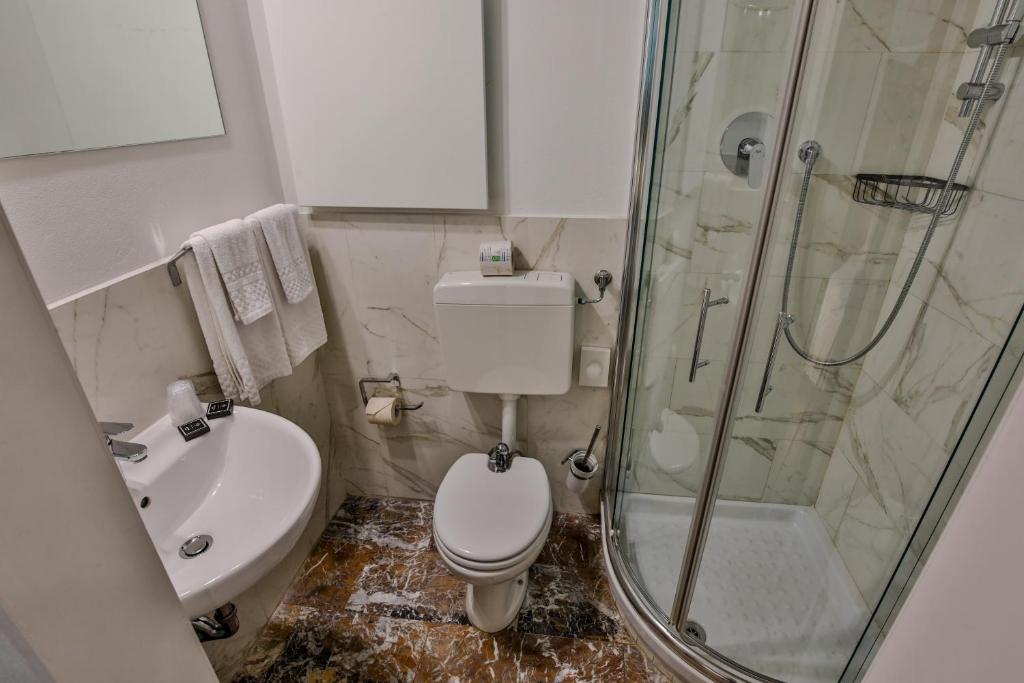
Today you'll discover the nooks and crannies of Bologna, explore the sights and sites and sample Italian cuisine.
This modern museum is dedicated to the tragedy of the 1980 Ustica flight, in which a plane with more than 80 passengers crashed into the sea. All passengers died on the spot. The main attraction is the reconstructed fuselage of the plane, which is surrounded by art installations commemorating the victims of the accident. The museum is a powerful and emotional experience that will make you think about modern history and its tragedies.
Pinacoteca Nazionale di Bologna is a prestigious gallery that preserves a rich collection of Italian art from the 13th to the 18th century. It is housed in the historic building of a former Jesuit convent and exhibits works by important artists such as Raphael, Titian and Guido Reni. The gallery offers an insight into the artistic history of the Emilia-Romagna region and is a key destination for lovers of Renaissance and Baroque art.
If you are hungry by this time, you must not miss this traditional Italian restaurant. It may look a little dated from the outside, but believe me, you've never had better fresh pasta.
Torre degli Asinelli and Torre Garisenda are two famous medieval towers and represent one of the most prominent symbols of the city. You can climb them and from the top you can see a panoramic view of the whole city and the surrounding countryside.
Basilica di Santo Stefano is a complex of seven interconnected churches, often referred to as the "Seven Churches". This spiritual place is known for its peaceful atmosphere and historic interiors that date back to the early Middle Ages. Each of the churches has its own unique character, and together they form a labyrinth of courtyards, chapels and crypts. This place is ideal for a moment of rest and contemplation in the heart of the city.
Giardini Margherita is the largest and most popular park in Bologna, an ideal place to relax and unwind. The park was opened in 1879 and offers large green areas, a small lake with small boats, and shady alleys that invite you to stroll. The Giardini Margherita is a popular place for picnics, sporting activities or just a quiet time in nature, all not far from the city centre.
This impressive church is known not only for its architecture, but also for the important works of art it contains. Inside you will find the tomb of Saint Dominic, founder of the Dominican Order, decorated with masterpieces by Michelangelo. The church is a quiet and peaceful place that draws you in with its spiritual atmosphere. It is one of the most important places in the religious history of Bologna.
Bologna's porticoes, covered walkways, are one of the city's greatest symbols and have been designated a UNESCO World Heritage Site. They stretch for over 38 kilometres and offer not only architectural beauty but also practical protection from the sun or rain. The longest portico leads to the Sanctuary of the Madonna di San Luca and the journey underneath is an unforgettable experience.
This museum offers a detailed view of Bologna's rich history through modern multimedia exhibitions. From its ancient Roman roots through the Middle Ages to the present day, here you will get a comprehensive view of the city's development. The museum is ideal for families and individuals who want to understand the historical context of this fascinating destination.
Quadrilatero is a historic district in the heart of Bologna, known for its narrow streets with traditional markets, shops and restaurants. This area is the perfect place to sample local specialities such as fresh pasta, cheese and cold cuts. Quadrilatero also offers a varied selection of handicrafts and fashion boutiques. A stroll through this neighbourhood will allow you to soak up the authentic atmosphere of the city and discover its culinary treasures.

The heart of Bologna's gastronomy is right here, in the historic Mercato di Mezzo. You can sample local delicacies such as fresh pasta, mortadella or various types of cheese and wine. The market is the ideal place to discover traditional Bolognese cuisine and to shop for fresh ingredients. It is not only a paradise for foodies, but also a great place to dine in a relaxed atmosphere.

This archaeological museum is one of the most important in Italy and offers fascinating collections from the Etruscan, Roman and Egyptian periods. One of the main attractions is the extensive Egyptian collection, which includes mummies, sarcophagi and ancient artefacts. The museum is housed in a beautiful historic building and its collections reveal the rich history not only of Bologna but of the whole Emilia-Romagna region. A visit will transport you to the ancient past and allow you to understand the cultural heritage of the region.
This anatomy hall is located in the historic building of the Archiginnasia, formerly the University of Bologna. The hall has been used for the study of anatomy since the 17th century and its wooden interior is decorated with statues and carved figures of famous doctors. The place is fascinating not only for medical lovers, but also for anyone interested in the history of science and education. The tour will take you back to the time when Bologna was the centre of medical education.
Archiginnasio di Bologna is a historic building that once housed the oldest university in the world, the University of Bologna, which served as the main university building where lectures and public dissertations were held. Inside is the famous Anatomical Theatre, a carved wooden amphitheatre used for anatomical studies, and a historic library with thousands of old manuscripts and books.
Basilica di San Petronio is a monumental Gothic church that dominates Piazza Maggiore. It is one of the largest churches in Europe, yet it was never fully completed. Inside you can find magnificent frescoes and a unique astronomical meridian line that traces the movement of the sun. This church is not only a spiritual but also an architectural symbol of the city.
Piazza Maggiore is the main square of Bologna and one of the most important historical sites in Italy. This large square is surrounded by important buildings such as the Basilica of San Petronio, the Palazzo d'Accursio and the Palazzo del Podestà. Piazza Maggiore is the centre of public life where locals and tourists meet. It is a great place to stroll, enjoy a coffee and admire the architecture that reflects the city's rich history.
Palazzo d'Accursio (sometimes called Palazzo Comunale) is a historic building located right on Piazza Maggiore, which served as the seat of Bologna's town hall for many centuries. The building has roots dating back to the 13th century and is admired for its impressive architecture, including a massive clock tower and brick façade. Inside you'll find the Museum of Modern Art, as well as ornate rooms with frescoes that reflect the city's rich history.
The Fava Palace is one of the most important sites of Bolognese art and culture. Inside, you will find frescoes by the famous Carracci and his students decorating the ceilings of the main rooms. The palace is also home to various art exhibitions and cultural events. It is the perfect place for those who want to admire Italian masterpieces in an authentic setting.

If you have time before your flight, you can explore the last places and then head to the airport. If you don't have time before your flight, head straight to the airport.
This monumental cemetery is considered one of the most beautiful and important sites of its kind in Europe. It offers a rich mixture of architecture, sculpture and history, with the graves of many famous personalities. A walk among its magnificent tombs and monuments will take you into an atmosphere of peace and beauty.
This pilgrimage church, located on the hill of Colle della Guardia, offers a magnificent view of Bologna and the surrounding countryside. It is famous for its monumental covered promenade, which is the longest in the world and has 666 arches. The church is dedicated to an icon of the Virgin Mary, who is considered the patron saint of the city. A pleasant walk to the shrine is ideal for lovers of history, architecture and nature.
Marconi Express Train
Please arrive at the airport at least 2 hours in advance. Have a nice trip home.
Bologna, the capital of Italy's Emilia-Romagna region, is a gem that beckons with its history, culture and gastronomy. Known as "La Dotta, La Grassa, La Rossa" (The Learned, The Fat, The Red), it combines the intellectual atmosphere of Europe's oldest university, the culinary treasures of Italian cuisine and the typical red roofs of historic buildings. Narrow streets full of cafés, impressive medieval towers and endless arcades create the unique character of the city. Bologna is the ideal destination for those looking to combine a cultural experience with a relaxed atmosphere and delicious food.
On arrival, you will transfer to your accommodation and have a quiet check-in. But if you still have time and interest, you can head into the centre of Bologna and explore the streets.
You will land at Bologna Airport and take the Marconi Express to the city centre.
You will walk almost everywhere, Bologna is a small town.
Marconi Express Train
Bologna is rightly regarded as the gastronomic centre of Italy, where lovers of authentic flavours will find a place to enjoy. The city is home to legendary dishes such as tagliatelle al ragù (known as Bolognese spaghetti), tortellini in meat broth or the delicate mortadella, which can be tasted as part of the local antipasti. Don't miss the markets in the Quadrilatero area, where you'll find fresh produce, cheeses and traditional wines. Dining in Bologna is varied in price - an authentic trattoria lunch will set you back around €15-25, while upmarket restaurants can cost more. However, the gastronomic experience here is one of the highlights of your trip.
One of the best-preserved city gates in Bologna, which once served as the entrance to the medieval fortifications. Located near the train station, it offers a fascinating view of the city's history and defensive architecture. For history buffs, it is an interesting stop that combines the past with the dynamic atmosphere of modern Bologna.
This historic park is one of the oldest public spaces in Bologna and a favourite spot for locals. It offers large grassy areas, statues and a beautiful fountain that dominates the park. It is the perfect place to relax or have a picnic during your exploration of the city. In addition, various cultural events and markets are often held here. 🌳⛲
"Little Venice" is a charming place in Bologna, where you can get an unexpected view of the city's canal from a window on Via Piella. This little piece of history shows how the city used the water canals for trade and transport in the past. The Reno Canal, which flows through here, is one of the few that remain visible, as most have been covered over the centuries. For romantic souls and lovers of unusual views, this place is an absolute gem.
Today you'll discover the nooks and crannies of Bologna, explore the sights and sites and sample Italian cuisine.
This modern museum is dedicated to the tragedy of the 1980 Ustica flight, in which a plane with more than 80 passengers crashed into the sea. All passengers died on the spot. The main attraction is the reconstructed fuselage of the plane, which is surrounded by art installations commemorating the victims of the accident. The museum is a powerful and emotional experience that will make you think about modern history and its tragedies.
Pinacoteca Nazionale di Bologna is a prestigious gallery that preserves a rich collection of Italian art from the 13th to the 18th century. It is housed in the historic building of a former Jesuit convent and exhibits works by important artists such as Raphael, Titian and Guido Reni. The gallery offers an insight into the artistic history of the Emilia-Romagna region and is a key destination for lovers of Renaissance and Baroque art.
If you are hungry by this time, you must not miss this traditional Italian restaurant. It may look a little dated from the outside, but believe me, you've never had better fresh pasta.
Torre degli Asinelli and Torre Garisenda are two famous medieval towers and represent one of the most prominent symbols of the city. You can climb them and from the top you can see a panoramic view of the whole city and the surrounding countryside.
Basilica di Santo Stefano is a complex of seven interconnected churches, often referred to as the "Seven Churches". This spiritual place is known for its peaceful atmosphere and historic interiors that date back to the early Middle Ages. Each of the churches has its own unique character, and together they form a labyrinth of courtyards, chapels and crypts. This place is ideal for a moment of rest and contemplation in the heart of the city.
Giardini Margherita is the largest and most popular park in Bologna, an ideal place to relax and unwind. The park was opened in 1879 and offers large green areas, a small lake with small boats, and shady alleys that invite you to stroll. The Giardini Margherita is a popular place for picnics, sporting activities or just a quiet time in nature, all not far from the city centre.
This impressive church is known not only for its architecture, but also for the important works of art it contains. Inside you will find the tomb of Saint Dominic, founder of the Dominican Order, decorated with masterpieces by Michelangelo. The church is a quiet and peaceful place that draws you in with its spiritual atmosphere. It is one of the most important places in the religious history of Bologna.
Bologna's porticoes, covered walkways, are one of the city's greatest symbols and have been designated a UNESCO World Heritage Site. They stretch for over 38 kilometres and offer not only architectural beauty but also practical protection from the sun or rain. The longest portico leads to the Sanctuary of the Madonna di San Luca and the journey underneath is an unforgettable experience.
This museum offers a detailed view of Bologna's rich history through modern multimedia exhibitions. From its ancient Roman roots through the Middle Ages to the present day, here you will get a comprehensive view of the city's development. The museum is ideal for families and individuals who want to understand the historical context of this fascinating destination.
Quadrilatero is a historic district in the heart of Bologna, known for its narrow streets with traditional markets, shops and restaurants. This area is the perfect place to sample local specialities such as fresh pasta, cheese and cold cuts. Quadrilatero also offers a varied selection of handicrafts and fashion boutiques. A stroll through this neighbourhood will allow you to soak up the authentic atmosphere of the city and discover its culinary treasures.
The heart of Bologna's gastronomy is right here, in the historic Mercato di Mezzo. You can sample local delicacies such as fresh pasta, mortadella or various types of cheese and wine. The market is the ideal place to discover traditional Bolognese cuisine and to shop for fresh ingredients. It is not only a paradise for foodies, but also a great place to dine in a relaxed atmosphere.
This archaeological museum is one of the most important in Italy and offers fascinating collections from the Etruscan, Roman and Egyptian periods. One of the main attractions is the extensive Egyptian collection, which includes mummies, sarcophagi and ancient artefacts. The museum is housed in a beautiful historic building and its collections reveal the rich history not only of Bologna but of the whole Emilia-Romagna region. A visit will transport you to the ancient past and allow you to understand the cultural heritage of the region.
This anatomy hall is located in the historic building of the Archiginnasia, formerly the University of Bologna. The hall has been used for the study of anatomy since the 17th century and its wooden interior is decorated with statues and carved figures of famous doctors. The place is fascinating not only for medical lovers, but also for anyone interested in the history of science and education. The tour will take you back to the time when Bologna was the centre of medical education.
Archiginnasio di Bologna is a historic building that once housed the oldest university in the world, the University of Bologna, which served as the main university building where lectures and public dissertations were held. Inside is the famous Anatomical Theatre, a carved wooden amphitheatre used for anatomical studies, and a historic library with thousands of old manuscripts and books.
Basilica di San Petronio is a monumental Gothic church that dominates Piazza Maggiore. It is one of the largest churches in Europe, yet it was never fully completed. Inside you can find magnificent frescoes and a unique astronomical meridian line that traces the movement of the sun. This church is not only a spiritual but also an architectural symbol of the city.
Piazza Maggiore is the main square of Bologna and one of the most important historical sites in Italy. This large square is surrounded by important buildings such as the Basilica of San Petronio, the Palazzo d'Accursio and the Palazzo del Podestà. Piazza Maggiore is the centre of public life where locals and tourists meet. It is a great place to stroll, enjoy a coffee and admire the architecture that reflects the city's rich history.
Palazzo d'Accursio (sometimes called Palazzo Comunale) is a historic building located right on Piazza Maggiore, which served as the seat of Bologna's town hall for many centuries. The building has roots dating back to the 13th century and is admired for its impressive architecture, including a massive clock tower and brick façade. Inside you'll find the Museum of Modern Art, as well as ornate rooms with frescoes that reflect the city's rich history.
The Fava Palace is one of the most important sites of Bolognese art and culture. Inside, you will find frescoes by the famous Carracci and his students decorating the ceilings of the main rooms. The palace is also home to various art exhibitions and cultural events. It is the perfect place for those who want to admire Italian masterpieces in an authentic setting.
If you have time before your flight, you can explore the last places and then head to the airport. If you don't have time before your flight, head straight to the airport.
This monumental cemetery is considered one of the most beautiful and important sites of its kind in Europe. It offers a rich mixture of architecture, sculpture and history, with the graves of many famous personalities. A walk among its magnificent tombs and monuments will take you into an atmosphere of peace and beauty.
This pilgrimage church, located on the hill of Colle della Guardia, offers a magnificent view of Bologna and the surrounding countryside. It is famous for its monumental covered promenade, which is the longest in the world and has 666 arches. The church is dedicated to an icon of the Virgin Mary, who is considered the patron saint of the city. A pleasant walk to the shrine is ideal for lovers of history, architecture and nature.
Marconi Express Train
Please arrive at the airport at least 2 hours in advance. Have a nice trip home.


itinerary by Nikola Svobodova
Bologna, the capital of Italy's Emilia-Romagna region, is a gem that beckons with its history, culture and gastronomy. Known as "La Dotta, La Grassa, La Rossa" (The Learned, The Fat, The Red), it combines the intellectual atmosphere of Europe's oldest university, the culinary treasures of Italian cuisine and the typical red roofs of historic buildings. Narrow streets full of cafés, impressive medieval towers and endless arcades create the unique character of the city. Bologna is the ideal destination for those looking to combine a cultural experience with a relaxed atmosphere and delicious food.
On arrival, you will transfer to your accommodation and have a quiet check-in. But if you still have time and interest, you can head into the centre of Bologna and explore the streets.
You will land at Bologna Airport and take the Marconi Express to the city centre.
You will walk almost everywhere, Bologna is a small town.
Marconi Express Train
Bologna is rightly regarded as the gastronomic centre of Italy, where lovers of authentic flavours will find a place to enjoy. The city is home to legendary dishes such as tagliatelle al ragù (known as Bolognese spaghetti), tortellini in meat broth or the delicate mortadella, which can be tasted as part of the local antipasti. Don't miss the markets in the Quadrilatero area, where you'll find fresh produce, cheeses and traditional wines. Dining in Bologna is varied in price - an authentic trattoria lunch will set you back around €15-25, while upmarket restaurants can cost more. However, the gastronomic experience here is one of the highlights of your trip.
One of the best-preserved city gates in Bologna, which once served as the entrance to the medieval fortifications. Located near the train station, it offers a fascinating view of the city's history and defensive architecture. For history buffs, it is an interesting stop that combines the past with the dynamic atmosphere of modern Bologna.
This historic park is one of the oldest public spaces in Bologna and a favourite spot for locals. It offers large grassy areas, statues and a beautiful fountain that dominates the park. It is the perfect place to relax or have a picnic during your exploration of the city. In addition, various cultural events and markets are often held here. 🌳⛲
"Little Venice" is a charming place in Bologna, where you can get an unexpected view of the city's canal from a window on Via Piella. This little piece of history shows how the city used the water canals for trade and transport in the past. The Reno Canal, which flows through here, is one of the few that remain visible, as most have been covered over the centuries. For romantic souls and lovers of unusual views, this place is an absolute gem.
Today you'll discover the nooks and crannies of Bologna, explore the sights and sites and sample Italian cuisine.
This modern museum is dedicated to the tragedy of the 1980 Ustica flight, in which a plane with more than 80 passengers crashed into the sea. All passengers died on the spot. The main attraction is the reconstructed fuselage of the plane, which is surrounded by art installations commemorating the victims of the accident. The museum is a powerful and emotional experience that will make you think about modern history and its tragedies.
Pinacoteca Nazionale di Bologna is a prestigious gallery that preserves a rich collection of Italian art from the 13th to the 18th century. It is housed in the historic building of a former Jesuit convent and exhibits works by important artists such as Raphael, Titian and Guido Reni. The gallery offers an insight into the artistic history of the Emilia-Romagna region and is a key destination for lovers of Renaissance and Baroque art.
If you are hungry by this time, you must not miss this traditional Italian restaurant. It may look a little dated from the outside, but believe me, you've never had better fresh pasta.
Torre degli Asinelli and Torre Garisenda are two famous medieval towers and represent one of the most prominent symbols of the city. You can climb them and from the top you can see a panoramic view of the whole city and the surrounding countryside.
Basilica di Santo Stefano is a complex of seven interconnected churches, often referred to as the "Seven Churches". This spiritual place is known for its peaceful atmosphere and historic interiors that date back to the early Middle Ages. Each of the churches has its own unique character, and together they form a labyrinth of courtyards, chapels and crypts. This place is ideal for a moment of rest and contemplation in the heart of the city.
Giardini Margherita is the largest and most popular park in Bologna, an ideal place to relax and unwind. The park was opened in 1879 and offers large green areas, a small lake with small boats, and shady alleys that invite you to stroll. The Giardini Margherita is a popular place for picnics, sporting activities or just a quiet time in nature, all not far from the city centre.
This impressive church is known not only for its architecture, but also for the important works of art it contains. Inside you will find the tomb of Saint Dominic, founder of the Dominican Order, decorated with masterpieces by Michelangelo. The church is a quiet and peaceful place that draws you in with its spiritual atmosphere. It is one of the most important places in the religious history of Bologna.
Bologna's porticoes, covered walkways, are one of the city's greatest symbols and have been designated a UNESCO World Heritage Site. They stretch for over 38 kilometres and offer not only architectural beauty but also practical protection from the sun or rain. The longest portico leads to the Sanctuary of the Madonna di San Luca and the journey underneath is an unforgettable experience.
This museum offers a detailed view of Bologna's rich history through modern multimedia exhibitions. From its ancient Roman roots through the Middle Ages to the present day, here you will get a comprehensive view of the city's development. The museum is ideal for families and individuals who want to understand the historical context of this fascinating destination.
Quadrilatero is a historic district in the heart of Bologna, known for its narrow streets with traditional markets, shops and restaurants. This area is the perfect place to sample local specialities such as fresh pasta, cheese and cold cuts. Quadrilatero also offers a varied selection of handicrafts and fashion boutiques. A stroll through this neighbourhood will allow you to soak up the authentic atmosphere of the city and discover its culinary treasures.
The heart of Bologna's gastronomy is right here, in the historic Mercato di Mezzo. You can sample local delicacies such as fresh pasta, mortadella or various types of cheese and wine. The market is the ideal place to discover traditional Bolognese cuisine and to shop for fresh ingredients. It is not only a paradise for foodies, but also a great place to dine in a relaxed atmosphere.
This archaeological museum is one of the most important in Italy and offers fascinating collections from the Etruscan, Roman and Egyptian periods. One of the main attractions is the extensive Egyptian collection, which includes mummies, sarcophagi and ancient artefacts. The museum is housed in a beautiful historic building and its collections reveal the rich history not only of Bologna but of the whole Emilia-Romagna region. A visit will transport you to the ancient past and allow you to understand the cultural heritage of the region.
This anatomy hall is located in the historic building of the Archiginnasia, formerly the University of Bologna. The hall has been used for the study of anatomy since the 17th century and its wooden interior is decorated with statues and carved figures of famous doctors. The place is fascinating not only for medical lovers, but also for anyone interested in the history of science and education. The tour will take you back to the time when Bologna was the centre of medical education.
Archiginnasio di Bologna is a historic building that once housed the oldest university in the world, the University of Bologna, which served as the main university building where lectures and public dissertations were held. Inside is the famous Anatomical Theatre, a carved wooden amphitheatre used for anatomical studies, and a historic library with thousands of old manuscripts and books.
Basilica di San Petronio is a monumental Gothic church that dominates Piazza Maggiore. It is one of the largest churches in Europe, yet it was never fully completed. Inside you can find magnificent frescoes and a unique astronomical meridian line that traces the movement of the sun. This church is not only a spiritual but also an architectural symbol of the city.
Piazza Maggiore is the main square of Bologna and one of the most important historical sites in Italy. This large square is surrounded by important buildings such as the Basilica of San Petronio, the Palazzo d'Accursio and the Palazzo del Podestà. Piazza Maggiore is the centre of public life where locals and tourists meet. It is a great place to stroll, enjoy a coffee and admire the architecture that reflects the city's rich history.
Palazzo d'Accursio (sometimes called Palazzo Comunale) is a historic building located right on Piazza Maggiore, which served as the seat of Bologna's town hall for many centuries. The building has roots dating back to the 13th century and is admired for its impressive architecture, including a massive clock tower and brick façade. Inside you'll find the Museum of Modern Art, as well as ornate rooms with frescoes that reflect the city's rich history.
The Fava Palace is one of the most important sites of Bolognese art and culture. Inside, you will find frescoes by the famous Carracci and his students decorating the ceilings of the main rooms. The palace is also home to various art exhibitions and cultural events. It is the perfect place for those who want to admire Italian masterpieces in an authentic setting.
If you have time before your flight, you can explore the last places and then head to the airport. If you don't have time before your flight, head straight to the airport.
This monumental cemetery is considered one of the most beautiful and important sites of its kind in Europe. It offers a rich mixture of architecture, sculpture and history, with the graves of many famous personalities. A walk among its magnificent tombs and monuments will take you into an atmosphere of peace and beauty.
This pilgrimage church, located on the hill of Colle della Guardia, offers a magnificent view of Bologna and the surrounding countryside. It is famous for its monumental covered promenade, which is the longest in the world and has 666 arches. The church is dedicated to an icon of the Virgin Mary, who is considered the patron saint of the city. A pleasant walk to the shrine is ideal for lovers of history, architecture and nature.
Marconi Express Train
Please arrive at the airport at least 2 hours in advance. Have a nice trip home.
Bologna, the capital of Italy's Emilia-Romagna region, is a gem that beckons with its history, culture and gastronomy. Known as "La Dotta, La Grassa, La Rossa" (The Learned, The Fat, The Red), it combines the intellectual atmosphere of Europe's oldest university, the culinary treasures of Italian cuisine and the typical red roofs of historic buildings. Narrow streets full of cafés, impressive medieval towers and endless arcades create the unique character of the city. Bologna is the ideal destination for those looking to combine a cultural experience with a relaxed atmosphere and delicious food.
On arrival, you will transfer to your accommodation and have a quiet check-in. But if you still have time and interest, you can head into the centre of Bologna and explore the streets.
You will land at Bologna Airport and take the Marconi Express to the city centre.
You will walk almost everywhere, Bologna is a small town.
Marconi Express Train
Bologna is rightly regarded as the gastronomic centre of Italy, where lovers of authentic flavours will find a place to enjoy. The city is home to legendary dishes such as tagliatelle al ragù (known as Bolognese spaghetti), tortellini in meat broth or the delicate mortadella, which can be tasted as part of the local antipasti. Don't miss the markets in the Quadrilatero area, where you'll find fresh produce, cheeses and traditional wines. Dining in Bologna is varied in price - an authentic trattoria lunch will set you back around €15-25, while upmarket restaurants can cost more. However, the gastronomic experience here is one of the highlights of your trip.
One of the best-preserved city gates in Bologna, which once served as the entrance to the medieval fortifications. Located near the train station, it offers a fascinating view of the city's history and defensive architecture. For history buffs, it is an interesting stop that combines the past with the dynamic atmosphere of modern Bologna.
This historic park is one of the oldest public spaces in Bologna and a favourite spot for locals. It offers large grassy areas, statues and a beautiful fountain that dominates the park. It is the perfect place to relax or have a picnic during your exploration of the city. In addition, various cultural events and markets are often held here. 🌳⛲
"Little Venice" is a charming place in Bologna, where you can get an unexpected view of the city's canal from a window on Via Piella. This little piece of history shows how the city used the water canals for trade and transport in the past. The Reno Canal, which flows through here, is one of the few that remain visible, as most have been covered over the centuries. For romantic souls and lovers of unusual views, this place is an absolute gem.
Today you'll discover the nooks and crannies of Bologna, explore the sights and sites and sample Italian cuisine.
This modern museum is dedicated to the tragedy of the 1980 Ustica flight, in which a plane with more than 80 passengers crashed into the sea. All passengers died on the spot. The main attraction is the reconstructed fuselage of the plane, which is surrounded by art installations commemorating the victims of the accident. The museum is a powerful and emotional experience that will make you think about modern history and its tragedies.
Pinacoteca Nazionale di Bologna is a prestigious gallery that preserves a rich collection of Italian art from the 13th to the 18th century. It is housed in the historic building of a former Jesuit convent and exhibits works by important artists such as Raphael, Titian and Guido Reni. The gallery offers an insight into the artistic history of the Emilia-Romagna region and is a key destination for lovers of Renaissance and Baroque art.
If you are hungry by this time, you must not miss this traditional Italian restaurant. It may look a little dated from the outside, but believe me, you've never had better fresh pasta.
Torre degli Asinelli and Torre Garisenda are two famous medieval towers and represent one of the most prominent symbols of the city. You can climb them and from the top you can see a panoramic view of the whole city and the surrounding countryside.
Basilica di Santo Stefano is a complex of seven interconnected churches, often referred to as the "Seven Churches". This spiritual place is known for its peaceful atmosphere and historic interiors that date back to the early Middle Ages. Each of the churches has its own unique character, and together they form a labyrinth of courtyards, chapels and crypts. This place is ideal for a moment of rest and contemplation in the heart of the city.
Giardini Margherita is the largest and most popular park in Bologna, an ideal place to relax and unwind. The park was opened in 1879 and offers large green areas, a small lake with small boats, and shady alleys that invite you to stroll. The Giardini Margherita is a popular place for picnics, sporting activities or just a quiet time in nature, all not far from the city centre.
This impressive church is known not only for its architecture, but also for the important works of art it contains. Inside you will find the tomb of Saint Dominic, founder of the Dominican Order, decorated with masterpieces by Michelangelo. The church is a quiet and peaceful place that draws you in with its spiritual atmosphere. It is one of the most important places in the religious history of Bologna.
Bologna's porticoes, covered walkways, are one of the city's greatest symbols and have been designated a UNESCO World Heritage Site. They stretch for over 38 kilometres and offer not only architectural beauty but also practical protection from the sun or rain. The longest portico leads to the Sanctuary of the Madonna di San Luca and the journey underneath is an unforgettable experience.
This museum offers a detailed view of Bologna's rich history through modern multimedia exhibitions. From its ancient Roman roots through the Middle Ages to the present day, here you will get a comprehensive view of the city's development. The museum is ideal for families and individuals who want to understand the historical context of this fascinating destination.
Quadrilatero is a historic district in the heart of Bologna, known for its narrow streets with traditional markets, shops and restaurants. This area is the perfect place to sample local specialities such as fresh pasta, cheese and cold cuts. Quadrilatero also offers a varied selection of handicrafts and fashion boutiques. A stroll through this neighbourhood will allow you to soak up the authentic atmosphere of the city and discover its culinary treasures.
The heart of Bologna's gastronomy is right here, in the historic Mercato di Mezzo. You can sample local delicacies such as fresh pasta, mortadella or various types of cheese and wine. The market is the ideal place to discover traditional Bolognese cuisine and to shop for fresh ingredients. It is not only a paradise for foodies, but also a great place to dine in a relaxed atmosphere.
This archaeological museum is one of the most important in Italy and offers fascinating collections from the Etruscan, Roman and Egyptian periods. One of the main attractions is the extensive Egyptian collection, which includes mummies, sarcophagi and ancient artefacts. The museum is housed in a beautiful historic building and its collections reveal the rich history not only of Bologna but of the whole Emilia-Romagna region. A visit will transport you to the ancient past and allow you to understand the cultural heritage of the region.
This anatomy hall is located in the historic building of the Archiginnasia, formerly the University of Bologna. The hall has been used for the study of anatomy since the 17th century and its wooden interior is decorated with statues and carved figures of famous doctors. The place is fascinating not only for medical lovers, but also for anyone interested in the history of science and education. The tour will take you back to the time when Bologna was the centre of medical education.
Archiginnasio di Bologna is a historic building that once housed the oldest university in the world, the University of Bologna, which served as the main university building where lectures and public dissertations were held. Inside is the famous Anatomical Theatre, a carved wooden amphitheatre used for anatomical studies, and a historic library with thousands of old manuscripts and books.
Basilica di San Petronio is a monumental Gothic church that dominates Piazza Maggiore. It is one of the largest churches in Europe, yet it was never fully completed. Inside you can find magnificent frescoes and a unique astronomical meridian line that traces the movement of the sun. This church is not only a spiritual but also an architectural symbol of the city.
Piazza Maggiore is the main square of Bologna and one of the most important historical sites in Italy. This large square is surrounded by important buildings such as the Basilica of San Petronio, the Palazzo d'Accursio and the Palazzo del Podestà. Piazza Maggiore is the centre of public life where locals and tourists meet. It is a great place to stroll, enjoy a coffee and admire the architecture that reflects the city's rich history.
Palazzo d'Accursio (sometimes called Palazzo Comunale) is a historic building located right on Piazza Maggiore, which served as the seat of Bologna's town hall for many centuries. The building has roots dating back to the 13th century and is admired for its impressive architecture, including a massive clock tower and brick façade. Inside you'll find the Museum of Modern Art, as well as ornate rooms with frescoes that reflect the city's rich history.
The Fava Palace is one of the most important sites of Bolognese art and culture. Inside, you will find frescoes by the famous Carracci and his students decorating the ceilings of the main rooms. The palace is also home to various art exhibitions and cultural events. It is the perfect place for those who want to admire Italian masterpieces in an authentic setting.
If you have time before your flight, you can explore the last places and then head to the airport. If you don't have time before your flight, head straight to the airport.
This monumental cemetery is considered one of the most beautiful and important sites of its kind in Europe. It offers a rich mixture of architecture, sculpture and history, with the graves of many famous personalities. A walk among its magnificent tombs and monuments will take you into an atmosphere of peace and beauty.
This pilgrimage church, located on the hill of Colle della Guardia, offers a magnificent view of Bologna and the surrounding countryside. It is famous for its monumental covered promenade, which is the longest in the world and has 666 arches. The church is dedicated to an icon of the Virgin Mary, who is considered the patron saint of the city. A pleasant walk to the shrine is ideal for lovers of history, architecture and nature.
Marconi Express Train
Please arrive at the airport at least 2 hours in advance. Have a nice trip home.