The adventure awaits


Experience Crete as most people never will! In one week, you'll walk through a pink, Caribbean-like lagoon, swim in a turquoise bay beneath wild cliffs, and hike through Greece's most famous gorge to the Libyan Sea.
Mountain roads with breathtaking views, romantic Venetian towns, sleepy villages without roads, and beaches that are among the most beautiful in Europe await you. This itinerary is designed to get the most out of Crete in 7 days - without unnecessary travel and with plenty of time to really enjoy the places.
Today you will arrive in the most beautiful city of Crete. In the evening, take a walk through the Venetian harbor, walk to the lighthouse along the stone pier, and have dinner a few meters from the sea. An ideal first day when you are not in a hurry and just soak up the atmosphere of the island.
Chania Airport is small and friendly. After arrival, pick up your car and in a few minutes you are in one of the nicest cities in all of Greece. Narrow streets, the Venetian harbor, a lighthouse, and restaurants right by the water. You don't have to rush anything today - take a walk around the evening harbor, have dinner by the water, and get in the mood for the Cretan atmosphere.

In my opinion, Chania is the most beautiful city in Crete - especially the old town and the Venetian harbor. Imagine alleys full of flowers, pastel-colored houses, cafes hidden in the shade, and restaurants where you sit a few meters from the water and watch the surface turn gold in the evening.
The city has a history dating back to the Minoan civilization, when the city of Kydonia stood here. After centuries of alternating rulers - Romans, Venetians and Ottomans - a unique mix of architectural and cultural influences has been created here. The Venetian walls, the lighthouse and the Janissaries mosque are still among the most famous monuments of the city.

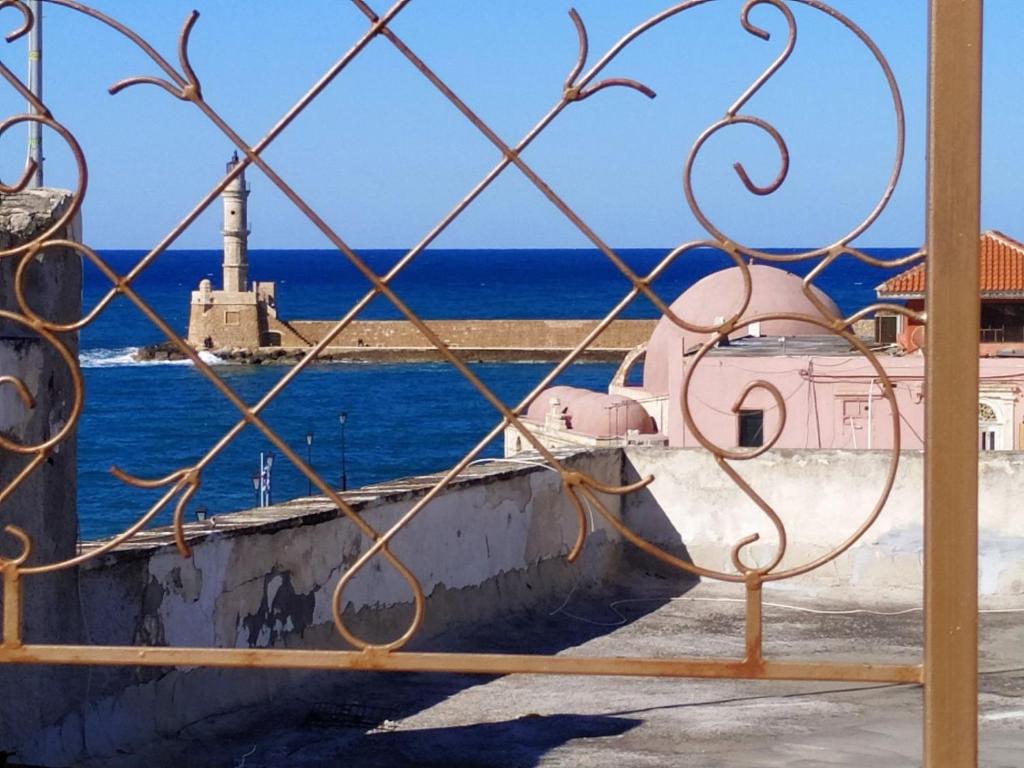
The Venetian harbor is the heart of the city. Walk around the entire harbor to the lighthouse along the stone pier. It is most beautiful just before sunset and after dark when the lights are reflected on the water.
The lighthouse at the end of the Venetian pier is a symbol of Chania. The journey to it is an experience in itself – you walk along a narrow stone wall, with the open sea on one side and the tranquil harbor with its pastel-colored houses on the other. It's most beautiful here just before sunset and after dark, when the harbor lights are reflected on the surface and the lighthouse stands out against the darkening sky.


You'll head to the place that people fly to Crete for. The turquoise Balos Lagoon, white sand, and an iconic view from above await you, where you'll understand why this place is among the most beautiful in Europe. You'll walk in the shallows far from the shore, photograph the colors of the water that look unreal, and enjoy a day in a place that looks more like the Maldives than Greece.
You'll end the day by returning to Chania and maybe even a view of the harbor from the Firkas Fortress.
Balos is a place people travel to Crete for. The shallow lagoon with white sand and unbelievably turquoise water looks more like the Maldives than the Mediterranean. The water is shallow for a long time, so you can walk through the lagoon dozens of meters from the shore, and the colors change with every step.
But the best part awaits you even before swimming. You walk the last few hundred meters to the lagoon on foot from the viewpoint above – and this is the iconic view you know from the photos. Be sure to allow time for it.
How best to get there?
Option 1 – By car on a dirt road + on foot (most common)
You will drive a long dirt road from the village of Kaliviani (8 km). It is dusty, slow, and sometimes quite bumpy, but passable by a normal car – you just need to drive really slowly (allow about 30 minutes for this section). There is a toll to pay – so it's good to have cash with you. It is also good to keep in mind that most rental cars are not insured for this section.
At the end, you park and face about 20–30 minutes walk downhill to the viewpoint and then down to the lagoon. Because of this section, we recommend taking sandals or other sturdier shoes instead of flip-flops.
Advantage: cheapest and most time-flexible option.
Disadvantage: dusty road and hike back up in the heat.
On the way back, you can use a donkey taxi, which will take you back up.
Option 2 – By boat from Kissamos port (most comfortable)
Boats sail directly to Balos from Kissamos port, often with a stop on Gramvousa Island. You don't have to deal with dirt roads or parking, and you arrive directly into the lagoon from the sea. You can book boat trip tickets in advance here.
Advantage: comfort, no challenging journey, beautiful arrival from the water.
Disadvantage: you are tied to the boat times, and there are more people at the same time.
If you have time and feel like it in the evening, you can stop by the Maritime Museum of Crete. The museum preserves and presents the naval history of the island of Crete from the Minoan period to modern times, focusing on military, commercial and shipping traditions.
The permanent exhibition covers key stages of Cretan naval history: the Minoan maritime empire, the Byzantine and Venetian periods, the Ottoman occupation, up to the Second World War.
Firkas Fortress stands at the very end of the Venetian harbor, and most people pass it by as just "some walls by the water." Yet, it is from here that you have the most beautiful view of the entire harbor, the lighthouse, and the old town.
Today, the Maritime Museum is located inside, but even if you are not attracted to museums, it is worth walking at least to the ramparts. From there, you will see Chania exactly as you know it from postcards – pastel houses, boats in the harbor, and the lighthouse on the other side.
A full day of swimming awaits you on the pink beach of Elafonissi. You will walk in the shallows dozens of meters from the shore, relax in the dunes and enjoy one of the most beautiful beach days in Crete.
Elafonissi isn't "just a beach." It's a vast, shallow lagoon where you can walk in the water dozens of meters from the shore, the sand has a pink hue, and the water plays with all shades of turquoise.
From the parking lot, you'll reach the first part of the beach, but the best thing to do is cross the shallows to the small island opposite. There are fewer people, more space, and even more beautiful colors there. Take your things in your hands and just walk through the water to get there.
What your day will look like
Leave Chania as early as possible in the morning. The road is mountainous, winding, and beautiful in itself – views of gorges and the sea. The sooner you arrive, the more empty you'll find the lagoon.
Spend the morning swimming and walking through the shallows. Around noon, you can move to the dunes and cedar grove, where there's natural shade. In the afternoon, return to the water, when the light brings out the pink hues of the sand the most.
If you're not in a hurry, stay until late afternoon. Elafonissi is even more beautiful as the crowds thin out.
Practical tips
- Arrive early. The parking lot fills up quickly after 10 AM.
- Bring plenty of water and a snack. There are a few stalls there, but prices are higher.
- Water shoes are useful – there are pebbles in places.
- Don't just stay on the first beach by the parking lot. Cross the lagoon to the other side.
- If a strong wind is blowing from the west, the water may be choppy – in that case, stick to the shallows near the islet.
Today you have a choice - either the greatest adventure of the whole trip - a 16 km descent through the Samaria Gorge from the mountains to the Libyan Sea, ending with swimming and a boat trip along the wild coast. Or you can treat yourself to the exact opposite: a peaceful day on the wide sandy beach of Falassarna, where waves, space and one of the most beautiful sunsets on the island await you.
The Samaria Gorge is the most popular trek in Crete. It is a full-day hike from the plateau in the mountains to the sea. You can expect about 16 km mostly downhill, dramatic cliffs, narrow spots called the "Iron Gates," and the feeling that you are walking one of the most beautiful treks in Europe.
And most importantly: you can't return from the gorge by car. At the end, you reach a village by the sea and then continue by boat + bus/transfer back.
While organizing the departure and arrival by car is not impossible, an organized bus trip from Chania will save you a lot of trouble, we recommend this one.
What you need to know in advance
The entrance to the gorge closes around 3:00 PM – you must set off in time.
The last boats have fixed times – keep an eye on them.
Take cash for the boat and entrance fee.
Sturdy shoes are a must. Most of the trail is rocky.
Less water is enough – there are springs along the way.
The trek is long but technically easy. The difficulty is mainly in the length.
How the whole day goes if you drive
In the morning (very early) you drive to the Omalos plateau to the entrance of the gorge (Xyloskalo). Here you park, buy a ticket, and head down.
The descent itself takes most people 5–7 hours depending on the pace, taking pictures, and breaks. Halfway there is a spring with drinking water, several rest areas, and forest shade.
In the afternoon, you reach the village of Agia Roumeli by the Libyan Sea. Here you can finally swim – and that feeling after 16 km is priceless.
Then comes the crucial part:
From Agia Roumeli, a ferry departs to the port of Chora Sfakion (sometimes with a transfer).
In Sfakia, a transfer back awaits you (must be arranged).
Therefore, we strongly recommend an already organized trip, which doesn't cost much but saves you a lot of logistics.
You can get there by car or bus.
You'll get here on foot, and a boat will take you from there.
Falassarna Beach - an ideal alternative to trekking through the gorge
If you don't want to complete the 16 km trek through the Samaria Gorge, treat yourself to a day that's the exact opposite - minimum logistics, maximum relaxation by the sea.
Falassarna is located on the open west coast and is a completely different type of beach than Balos or Elafonissi. No lagoons or shallows, but a long, wide sandy beach, clear water and a sense of space. Even in high season, you can easily find a place where there is no one around you.
How the day will go
In the morning, you'll set off from Chania on an easy drive through olive groves. You'll park a few meters from the beach and be in the water in no time. Nothing is solved here - just swimming, relaxing and long walks on the sand.
Around noon, you can take a break for lunch at a tavern above the beach and return to the sea in the afternoon. If it's windy, there are pleasant waves. If it's calm, the water is crystal clear and ideal for swimming.
You can stay until sunset. Falassarna is one of the best places in Crete to watch it - the sun sets directly into the sea.
Practical tips
- Parking is right by the beach.
- Sunbeds, showers and taverns are available.
- A great choice when you don't want a challenging day or when your feet hurt after the previous program.
- Works perfectly even on windy days when the lagoons on other beaches are choppy.
Today you'll discover a place that most tourists miss. A narrow turquoise bay carved between white rocks, reached by a steep path. You'll feel like you've found a secret piece of Crete just for yourself. In the evening, return to Chania and stop for a legendary gyros from a hole-in-the-wall, where locals queue – and you'll soon understand why.
Seitan Limania is exactly the kind of place that most tourists overlook – but when you come here, your jaw will drop. A narrow, winding bay cut deep into the white rocks, water so turquoise it looks unreal, and a small beach at the bottom, reached by a steep path.
It lies on the Akrotiri peninsula not far from Chania, but it feels like you're on a completely different island. The road here leads between bare hills, and the last few meters are more like a mountain road than access to a beach. And that's why the locals guard this place so carefully.
What your day will look like
You park up by the road, and from there you'll see the iconic view down into the bay. Then you have about 10–15 minutes of careful descent along a rocky path. It's not long, but it's steep and slippery.
Downstairs there is a small piece of beach and incredibly clear water. Most people don't stay long here – and that's why you often experience much more peace and quiet here than on the more famous beaches. From the rocks on the right you can jump into the sea from a pretty good height.
Practical tips
- Sturdy shoes for the way down are a very good idea.
- Take food and water - it's that kind of hidden gem where there's nothing else.
If you want the best gyros in town, this is the place. A small, unassuming place a few minutes from the harbor in the old town. It looks more like a window than a restaurant. And this is where they make one of the best gyros in Chania.
The gyros is juicy, the pita soft, the tzatziki strong, and the fries right inside, as it should be. In the evening, there is a queue of locals and tourists who already know.
A telltale sign: you stand on the street with a pita in your hand here.
A trip and exploration of another beautiful town. You will walk through the streets of Rethymno, climb the Fortezza fortress with a view of the entire city, and relax on the long sandy beach right next to the center. An ideal combination of history, sea and relaxation without rush. Don't forget to have their excellent frappé on the waterfront.
Rethymno has a completely different atmosphere than Chania. It is airier, calmer and more "beach-like". The old town is full of Venetian houses and narrow streets, but right behind them stretches a sandy beach several kilometers long. You can move from historical corners straight to the sea in a few minutes.
If you want a souvenir, this is the perfect place to buy it - you will find shops with natural olive soaps! Your friends will be thrilled with them :-)
Rethymnon Beach - the longest sandy beach in the north
The beach in Rethymno is long, wide, and easily accessible directly from the city. The water is clean, the entrance is gradual, and thanks to the length of the beach, you can find a quieter place even in high season. Along the beach, there is a promenade with tavernas and cafes, so you can always pop out for a drink or a meal.
I recommend trying the excellent frappé here (because you definitely haven't had a better one than the Greek one elsewhere) :-)
The Fortezza Fortress towers over the city and can be seen from almost anywhere. A short walk up will reward you with a wonderful view of the whole of Rethymno, the sea and the surrounding hills. Inside you will find extensive ramparts, remains of buildings and plenty of places from which you can take beautiful pictures of the city.
The best time to visit is in the late afternoon, when the sun begins to set and the whole city takes on a golden hue.
The visit will take you about an hour depending on how much you stop at the viewpoints.
A peaceful farewell to the island. A last swim, coffee in the harbor, or buying olive oil and souvenirs in the streets of Chania. Then return the car and fly home with a head full of turquoise lagoons, mountain roads, and evenings by the sea.
The last morning is just for relaxation. Pack your things, say goodbye to the city, and head to the airport to return the car. After a week in Crete, you know that nobody is in a hurry here – try to keep this feeling until your departure.
If your flight is later in the day, treat yourself to a little final touch to the trip. You can take one last stroll through the streets of the old town and buy souvenirs, olive oil, or spices. Or take a short morning swim at one of the beaches around Chania and say goodbye to the sea in style.
Then just return to the airport, return the car, and fly home – with your head full of turquoise lagoons, mountain roads, and evenings in the harbor.
Experience Crete as most people never will! In one week, you'll walk through a pink, Caribbean-like lagoon, swim in a turquoise bay beneath wild cliffs, and hike through Greece's most famous gorge to the Libyan Sea.
Mountain roads with breathtaking views, romantic Venetian towns, sleepy villages without roads, and beaches that are among the most beautiful in Europe await you. This itinerary is designed to get the most out of Crete in 7 days - without unnecessary travel and with plenty of time to really enjoy the places.
Today you will arrive in the most beautiful city of Crete. In the evening, take a walk through the Venetian harbor, walk to the lighthouse along the stone pier, and have dinner a few meters from the sea. An ideal first day when you are not in a hurry and just soak up the atmosphere of the island.
Chania Airport is small and friendly. After arrival, pick up your car and in a few minutes you are in one of the nicest cities in all of Greece. Narrow streets, the Venetian harbor, a lighthouse, and restaurants right by the water. You don't have to rush anything today - take a walk around the evening harbor, have dinner by the water, and get in the mood for the Cretan atmosphere.
In my opinion, Chania is the most beautiful city in Crete - especially the old town and the Venetian harbor. Imagine alleys full of flowers, pastel-colored houses, cafes hidden in the shade, and restaurants where you sit a few meters from the water and watch the surface turn gold in the evening.
The city has a history dating back to the Minoan civilization, when the city of Kydonia stood here. After centuries of alternating rulers - Romans, Venetians and Ottomans - a unique mix of architectural and cultural influences has been created here. The Venetian walls, the lighthouse and the Janissaries mosque are still among the most famous monuments of the city.
The Venetian harbor is the heart of the city. Walk around the entire harbor to the lighthouse along the stone pier. It is most beautiful just before sunset and after dark when the lights are reflected on the water.
The lighthouse at the end of the Venetian pier is a symbol of Chania. The journey to it is an experience in itself – you walk along a narrow stone wall, with the open sea on one side and the tranquil harbor with its pastel-colored houses on the other. It's most beautiful here just before sunset and after dark, when the harbor lights are reflected on the surface and the lighthouse stands out against the darkening sky.
You'll head to the place that people fly to Crete for. The turquoise Balos Lagoon, white sand, and an iconic view from above await you, where you'll understand why this place is among the most beautiful in Europe. You'll walk in the shallows far from the shore, photograph the colors of the water that look unreal, and enjoy a day in a place that looks more like the Maldives than Greece.
You'll end the day by returning to Chania and maybe even a view of the harbor from the Firkas Fortress.
Balos is a place people travel to Crete for. The shallow lagoon with white sand and unbelievably turquoise water looks more like the Maldives than the Mediterranean. The water is shallow for a long time, so you can walk through the lagoon dozens of meters from the shore, and the colors change with every step.
But the best part awaits you even before swimming. You walk the last few hundred meters to the lagoon on foot from the viewpoint above – and this is the iconic view you know from the photos. Be sure to allow time for it.
How best to get there?
Option 1 – By car on a dirt road + on foot (most common)
You will drive a long dirt road from the village of Kaliviani (8 km). It is dusty, slow, and sometimes quite bumpy, but passable by a normal car – you just need to drive really slowly (allow about 30 minutes for this section). There is a toll to pay – so it's good to have cash with you. It is also good to keep in mind that most rental cars are not insured for this section.
At the end, you park and face about 20–30 minutes walk downhill to the viewpoint and then down to the lagoon. Because of this section, we recommend taking sandals or other sturdier shoes instead of flip-flops.
Advantage: cheapest and most time-flexible option.
Disadvantage: dusty road and hike back up in the heat.
On the way back, you can use a donkey taxi, which will take you back up.
Option 2 – By boat from Kissamos port (most comfortable)
Boats sail directly to Balos from Kissamos port, often with a stop on Gramvousa Island. You don't have to deal with dirt roads or parking, and you arrive directly into the lagoon from the sea. You can book boat trip tickets in advance here.
Advantage: comfort, no challenging journey, beautiful arrival from the water.
Disadvantage: you are tied to the boat times, and there are more people at the same time.
If you have time and feel like it in the evening, you can stop by the Maritime Museum of Crete. The museum preserves and presents the naval history of the island of Crete from the Minoan period to modern times, focusing on military, commercial and shipping traditions.
The permanent exhibition covers key stages of Cretan naval history: the Minoan maritime empire, the Byzantine and Venetian periods, the Ottoman occupation, up to the Second World War.
Firkas Fortress stands at the very end of the Venetian harbor, and most people pass it by as just "some walls by the water." Yet, it is from here that you have the most beautiful view of the entire harbor, the lighthouse, and the old town.
Today, the Maritime Museum is located inside, but even if you are not attracted to museums, it is worth walking at least to the ramparts. From there, you will see Chania exactly as you know it from postcards – pastel houses, boats in the harbor, and the lighthouse on the other side.
A full day of swimming awaits you on the pink beach of Elafonissi. You will walk in the shallows dozens of meters from the shore, relax in the dunes and enjoy one of the most beautiful beach days in Crete.
Elafonissi isn't "just a beach." It's a vast, shallow lagoon where you can walk in the water dozens of meters from the shore, the sand has a pink hue, and the water plays with all shades of turquoise.
From the parking lot, you'll reach the first part of the beach, but the best thing to do is cross the shallows to the small island opposite. There are fewer people, more space, and even more beautiful colors there. Take your things in your hands and just walk through the water to get there.
What your day will look like
Leave Chania as early as possible in the morning. The road is mountainous, winding, and beautiful in itself – views of gorges and the sea. The sooner you arrive, the more empty you'll find the lagoon.
Spend the morning swimming and walking through the shallows. Around noon, you can move to the dunes and cedar grove, where there's natural shade. In the afternoon, return to the water, when the light brings out the pink hues of the sand the most.
If you're not in a hurry, stay until late afternoon. Elafonissi is even more beautiful as the crowds thin out.
Practical tips
- Arrive early. The parking lot fills up quickly after 10 AM.
- Bring plenty of water and a snack. There are a few stalls there, but prices are higher.
- Water shoes are useful – there are pebbles in places.
- Don't just stay on the first beach by the parking lot. Cross the lagoon to the other side.
- If a strong wind is blowing from the west, the water may be choppy – in that case, stick to the shallows near the islet.
Today you have a choice - either the greatest adventure of the whole trip - a 16 km descent through the Samaria Gorge from the mountains to the Libyan Sea, ending with swimming and a boat trip along the wild coast. Or you can treat yourself to the exact opposite: a peaceful day on the wide sandy beach of Falassarna, where waves, space and one of the most beautiful sunsets on the island await you.
The Samaria Gorge is the most popular trek in Crete. It is a full-day hike from the plateau in the mountains to the sea. You can expect about 16 km mostly downhill, dramatic cliffs, narrow spots called the "Iron Gates," and the feeling that you are walking one of the most beautiful treks in Europe.
And most importantly: you can't return from the gorge by car. At the end, you reach a village by the sea and then continue by boat + bus/transfer back.
While organizing the departure and arrival by car is not impossible, an organized bus trip from Chania will save you a lot of trouble, we recommend this one.
What you need to know in advance
The entrance to the gorge closes around 3:00 PM – you must set off in time.
The last boats have fixed times – keep an eye on them.
Take cash for the boat and entrance fee.
Sturdy shoes are a must. Most of the trail is rocky.
Less water is enough – there are springs along the way.
The trek is long but technically easy. The difficulty is mainly in the length.
How the whole day goes if you drive
In the morning (very early) you drive to the Omalos plateau to the entrance of the gorge (Xyloskalo). Here you park, buy a ticket, and head down.
The descent itself takes most people 5–7 hours depending on the pace, taking pictures, and breaks. Halfway there is a spring with drinking water, several rest areas, and forest shade.
In the afternoon, you reach the village of Agia Roumeli by the Libyan Sea. Here you can finally swim – and that feeling after 16 km is priceless.
Then comes the crucial part:
From Agia Roumeli, a ferry departs to the port of Chora Sfakion (sometimes with a transfer).
In Sfakia, a transfer back awaits you (must be arranged).
Therefore, we strongly recommend an already organized trip, which doesn't cost much but saves you a lot of logistics.
You can get there by car or bus.
You'll get here on foot, and a boat will take you from there.
Falassarna Beach - an ideal alternative to trekking through the gorge
If you don't want to complete the 16 km trek through the Samaria Gorge, treat yourself to a day that's the exact opposite - minimum logistics, maximum relaxation by the sea.
Falassarna is located on the open west coast and is a completely different type of beach than Balos or Elafonissi. No lagoons or shallows, but a long, wide sandy beach, clear water and a sense of space. Even in high season, you can easily find a place where there is no one around you.
How the day will go
In the morning, you'll set off from Chania on an easy drive through olive groves. You'll park a few meters from the beach and be in the water in no time. Nothing is solved here - just swimming, relaxing and long walks on the sand.
Around noon, you can take a break for lunch at a tavern above the beach and return to the sea in the afternoon. If it's windy, there are pleasant waves. If it's calm, the water is crystal clear and ideal for swimming.
You can stay until sunset. Falassarna is one of the best places in Crete to watch it - the sun sets directly into the sea.
Practical tips
- Parking is right by the beach.
- Sunbeds, showers and taverns are available.
- A great choice when you don't want a challenging day or when your feet hurt after the previous program.
- Works perfectly even on windy days when the lagoons on other beaches are choppy.
Today you'll discover a place that most tourists miss. A narrow turquoise bay carved between white rocks, reached by a steep path. You'll feel like you've found a secret piece of Crete just for yourself. In the evening, return to Chania and stop for a legendary gyros from a hole-in-the-wall, where locals queue – and you'll soon understand why.
Seitan Limania is exactly the kind of place that most tourists overlook – but when you come here, your jaw will drop. A narrow, winding bay cut deep into the white rocks, water so turquoise it looks unreal, and a small beach at the bottom, reached by a steep path.
It lies on the Akrotiri peninsula not far from Chania, but it feels like you're on a completely different island. The road here leads between bare hills, and the last few meters are more like a mountain road than access to a beach. And that's why the locals guard this place so carefully.
What your day will look like
You park up by the road, and from there you'll see the iconic view down into the bay. Then you have about 10–15 minutes of careful descent along a rocky path. It's not long, but it's steep and slippery.
Downstairs there is a small piece of beach and incredibly clear water. Most people don't stay long here – and that's why you often experience much more peace and quiet here than on the more famous beaches. From the rocks on the right you can jump into the sea from a pretty good height.
Practical tips
- Sturdy shoes for the way down are a very good idea.
- Take food and water - it's that kind of hidden gem where there's nothing else.
If you want the best gyros in town, this is the place. A small, unassuming place a few minutes from the harbor in the old town. It looks more like a window than a restaurant. And this is where they make one of the best gyros in Chania.
The gyros is juicy, the pita soft, the tzatziki strong, and the fries right inside, as it should be. In the evening, there is a queue of locals and tourists who already know.
A telltale sign: you stand on the street with a pita in your hand here.
A trip and exploration of another beautiful town. You will walk through the streets of Rethymno, climb the Fortezza fortress with a view of the entire city, and relax on the long sandy beach right next to the center. An ideal combination of history, sea and relaxation without rush. Don't forget to have their excellent frappé on the waterfront.
Rethymno has a completely different atmosphere than Chania. It is airier, calmer and more "beach-like". The old town is full of Venetian houses and narrow streets, but right behind them stretches a sandy beach several kilometers long. You can move from historical corners straight to the sea in a few minutes.
If you want a souvenir, this is the perfect place to buy it - you will find shops with natural olive soaps! Your friends will be thrilled with them :-)
Rethymnon Beach - the longest sandy beach in the north
The beach in Rethymno is long, wide, and easily accessible directly from the city. The water is clean, the entrance is gradual, and thanks to the length of the beach, you can find a quieter place even in high season. Along the beach, there is a promenade with tavernas and cafes, so you can always pop out for a drink or a meal.
I recommend trying the excellent frappé here (because you definitely haven't had a better one than the Greek one elsewhere) :-)
The Fortezza Fortress towers over the city and can be seen from almost anywhere. A short walk up will reward you with a wonderful view of the whole of Rethymno, the sea and the surrounding hills. Inside you will find extensive ramparts, remains of buildings and plenty of places from which you can take beautiful pictures of the city.
The best time to visit is in the late afternoon, when the sun begins to set and the whole city takes on a golden hue.
The visit will take you about an hour depending on how much you stop at the viewpoints.
A peaceful farewell to the island. A last swim, coffee in the harbor, or buying olive oil and souvenirs in the streets of Chania. Then return the car and fly home with a head full of turquoise lagoons, mountain roads, and evenings by the sea.
The last morning is just for relaxation. Pack your things, say goodbye to the city, and head to the airport to return the car. After a week in Crete, you know that nobody is in a hurry here – try to keep this feeling until your departure.
If your flight is later in the day, treat yourself to a little final touch to the trip. You can take one last stroll through the streets of the old town and buy souvenirs, olive oil, or spices. Or take a short morning swim at one of the beaches around Chania and say goodbye to the sea in style.
Then just return to the airport, return the car, and fly home – with your head full of turquoise lagoons, mountain roads, and evenings in the harbor.




itinerary by Adriana a Matej Halouskovi
The adventure awaits
Experience Crete as most people never will! In one week, you'll walk through a pink, Caribbean-like lagoon, swim in a turquoise bay beneath wild cliffs, and hike through Greece's most famous gorge to the Libyan Sea.
Mountain roads with breathtaking views, romantic Venetian towns, sleepy villages without roads, and beaches that are among the most beautiful in Europe await you. This itinerary is designed to get the most out of Crete in 7 days - without unnecessary travel and with plenty of time to really enjoy the places.
Today you will arrive in the most beautiful city of Crete. In the evening, take a walk through the Venetian harbor, walk to the lighthouse along the stone pier, and have dinner a few meters from the sea. An ideal first day when you are not in a hurry and just soak up the atmosphere of the island.
Chania Airport is small and friendly. After arrival, pick up your car and in a few minutes you are in one of the nicest cities in all of Greece. Narrow streets, the Venetian harbor, a lighthouse, and restaurants right by the water. You don't have to rush anything today - take a walk around the evening harbor, have dinner by the water, and get in the mood for the Cretan atmosphere.
In my opinion, Chania is the most beautiful city in Crete - especially the old town and the Venetian harbor. Imagine alleys full of flowers, pastel-colored houses, cafes hidden in the shade, and restaurants where you sit a few meters from the water and watch the surface turn gold in the evening.
The city has a history dating back to the Minoan civilization, when the city of Kydonia stood here. After centuries of alternating rulers - Romans, Venetians and Ottomans - a unique mix of architectural and cultural influences has been created here. The Venetian walls, the lighthouse and the Janissaries mosque are still among the most famous monuments of the city.
The Venetian harbor is the heart of the city. Walk around the entire harbor to the lighthouse along the stone pier. It is most beautiful just before sunset and after dark when the lights are reflected on the water.
The lighthouse at the end of the Venetian pier is a symbol of Chania. The journey to it is an experience in itself – you walk along a narrow stone wall, with the open sea on one side and the tranquil harbor with its pastel-colored houses on the other. It's most beautiful here just before sunset and after dark, when the harbor lights are reflected on the surface and the lighthouse stands out against the darkening sky.
You'll head to the place that people fly to Crete for. The turquoise Balos Lagoon, white sand, and an iconic view from above await you, where you'll understand why this place is among the most beautiful in Europe. You'll walk in the shallows far from the shore, photograph the colors of the water that look unreal, and enjoy a day in a place that looks more like the Maldives than Greece.
You'll end the day by returning to Chania and maybe even a view of the harbor from the Firkas Fortress.
Balos is a place people travel to Crete for. The shallow lagoon with white sand and unbelievably turquoise water looks more like the Maldives than the Mediterranean. The water is shallow for a long time, so you can walk through the lagoon dozens of meters from the shore, and the colors change with every step.
But the best part awaits you even before swimming. You walk the last few hundred meters to the lagoon on foot from the viewpoint above – and this is the iconic view you know from the photos. Be sure to allow time for it.
How best to get there?
Option 1 – By car on a dirt road + on foot (most common)
You will drive a long dirt road from the village of Kaliviani (8 km). It is dusty, slow, and sometimes quite bumpy, but passable by a normal car – you just need to drive really slowly (allow about 30 minutes for this section). There is a toll to pay – so it's good to have cash with you. It is also good to keep in mind that most rental cars are not insured for this section.
At the end, you park and face about 20–30 minutes walk downhill to the viewpoint and then down to the lagoon. Because of this section, we recommend taking sandals or other sturdier shoes instead of flip-flops.
Advantage: cheapest and most time-flexible option.
Disadvantage: dusty road and hike back up in the heat.
On the way back, you can use a donkey taxi, which will take you back up.
Option 2 – By boat from Kissamos port (most comfortable)
Boats sail directly to Balos from Kissamos port, often with a stop on Gramvousa Island. You don't have to deal with dirt roads or parking, and you arrive directly into the lagoon from the sea. You can book boat trip tickets in advance here.
Advantage: comfort, no challenging journey, beautiful arrival from the water.
Disadvantage: you are tied to the boat times, and there are more people at the same time.
If you have time and feel like it in the evening, you can stop by the Maritime Museum of Crete. The museum preserves and presents the naval history of the island of Crete from the Minoan period to modern times, focusing on military, commercial and shipping traditions.
The permanent exhibition covers key stages of Cretan naval history: the Minoan maritime empire, the Byzantine and Venetian periods, the Ottoman occupation, up to the Second World War.
Firkas Fortress stands at the very end of the Venetian harbor, and most people pass it by as just "some walls by the water." Yet, it is from here that you have the most beautiful view of the entire harbor, the lighthouse, and the old town.
Today, the Maritime Museum is located inside, but even if you are not attracted to museums, it is worth walking at least to the ramparts. From there, you will see Chania exactly as you know it from postcards – pastel houses, boats in the harbor, and the lighthouse on the other side.
A full day of swimming awaits you on the pink beach of Elafonissi. You will walk in the shallows dozens of meters from the shore, relax in the dunes and enjoy one of the most beautiful beach days in Crete.
Elafonissi isn't "just a beach." It's a vast, shallow lagoon where you can walk in the water dozens of meters from the shore, the sand has a pink hue, and the water plays with all shades of turquoise.
From the parking lot, you'll reach the first part of the beach, but the best thing to do is cross the shallows to the small island opposite. There are fewer people, more space, and even more beautiful colors there. Take your things in your hands and just walk through the water to get there.
What your day will look like
Leave Chania as early as possible in the morning. The road is mountainous, winding, and beautiful in itself – views of gorges and the sea. The sooner you arrive, the more empty you'll find the lagoon.
Spend the morning swimming and walking through the shallows. Around noon, you can move to the dunes and cedar grove, where there's natural shade. In the afternoon, return to the water, when the light brings out the pink hues of the sand the most.
If you're not in a hurry, stay until late afternoon. Elafonissi is even more beautiful as the crowds thin out.
Practical tips
- Arrive early. The parking lot fills up quickly after 10 AM.
- Bring plenty of water and a snack. There are a few stalls there, but prices are higher.
- Water shoes are useful – there are pebbles in places.
- Don't just stay on the first beach by the parking lot. Cross the lagoon to the other side.
- If a strong wind is blowing from the west, the water may be choppy – in that case, stick to the shallows near the islet.
Today you have a choice - either the greatest adventure of the whole trip - a 16 km descent through the Samaria Gorge from the mountains to the Libyan Sea, ending with swimming and a boat trip along the wild coast. Or you can treat yourself to the exact opposite: a peaceful day on the wide sandy beach of Falassarna, where waves, space and one of the most beautiful sunsets on the island await you.
The Samaria Gorge is the most popular trek in Crete. It is a full-day hike from the plateau in the mountains to the sea. You can expect about 16 km mostly downhill, dramatic cliffs, narrow spots called the "Iron Gates," and the feeling that you are walking one of the most beautiful treks in Europe.
And most importantly: you can't return from the gorge by car. At the end, you reach a village by the sea and then continue by boat + bus/transfer back.
While organizing the departure and arrival by car is not impossible, an organized bus trip from Chania will save you a lot of trouble, we recommend this one.
What you need to know in advance
The entrance to the gorge closes around 3:00 PM – you must set off in time.
The last boats have fixed times – keep an eye on them.
Take cash for the boat and entrance fee.
Sturdy shoes are a must. Most of the trail is rocky.
Less water is enough – there are springs along the way.
The trek is long but technically easy. The difficulty is mainly in the length.
How the whole day goes if you drive
In the morning (very early) you drive to the Omalos plateau to the entrance of the gorge (Xyloskalo). Here you park, buy a ticket, and head down.
The descent itself takes most people 5–7 hours depending on the pace, taking pictures, and breaks. Halfway there is a spring with drinking water, several rest areas, and forest shade.
In the afternoon, you reach the village of Agia Roumeli by the Libyan Sea. Here you can finally swim – and that feeling after 16 km is priceless.
Then comes the crucial part:
From Agia Roumeli, a ferry departs to the port of Chora Sfakion (sometimes with a transfer).
In Sfakia, a transfer back awaits you (must be arranged).
Therefore, we strongly recommend an already organized trip, which doesn't cost much but saves you a lot of logistics.
You can get there by car or bus.
You'll get here on foot, and a boat will take you from there.
Falassarna Beach - an ideal alternative to trekking through the gorge
If you don't want to complete the 16 km trek through the Samaria Gorge, treat yourself to a day that's the exact opposite - minimum logistics, maximum relaxation by the sea.
Falassarna is located on the open west coast and is a completely different type of beach than Balos or Elafonissi. No lagoons or shallows, but a long, wide sandy beach, clear water and a sense of space. Even in high season, you can easily find a place where there is no one around you.
How the day will go
In the morning, you'll set off from Chania on an easy drive through olive groves. You'll park a few meters from the beach and be in the water in no time. Nothing is solved here - just swimming, relaxing and long walks on the sand.
Around noon, you can take a break for lunch at a tavern above the beach and return to the sea in the afternoon. If it's windy, there are pleasant waves. If it's calm, the water is crystal clear and ideal for swimming.
You can stay until sunset. Falassarna is one of the best places in Crete to watch it - the sun sets directly into the sea.
Practical tips
- Parking is right by the beach.
- Sunbeds, showers and taverns are available.
- A great choice when you don't want a challenging day or when your feet hurt after the previous program.
- Works perfectly even on windy days when the lagoons on other beaches are choppy.
Today you'll discover a place that most tourists miss. A narrow turquoise bay carved between white rocks, reached by a steep path. You'll feel like you've found a secret piece of Crete just for yourself. In the evening, return to Chania and stop for a legendary gyros from a hole-in-the-wall, where locals queue – and you'll soon understand why.
Seitan Limania is exactly the kind of place that most tourists overlook – but when you come here, your jaw will drop. A narrow, winding bay cut deep into the white rocks, water so turquoise it looks unreal, and a small beach at the bottom, reached by a steep path.
It lies on the Akrotiri peninsula not far from Chania, but it feels like you're on a completely different island. The road here leads between bare hills, and the last few meters are more like a mountain road than access to a beach. And that's why the locals guard this place so carefully.
What your day will look like
You park up by the road, and from there you'll see the iconic view down into the bay. Then you have about 10–15 minutes of careful descent along a rocky path. It's not long, but it's steep and slippery.
Downstairs there is a small piece of beach and incredibly clear water. Most people don't stay long here – and that's why you often experience much more peace and quiet here than on the more famous beaches. From the rocks on the right you can jump into the sea from a pretty good height.
Practical tips
- Sturdy shoes for the way down are a very good idea.
- Take food and water - it's that kind of hidden gem where there's nothing else.
If you want the best gyros in town, this is the place. A small, unassuming place a few minutes from the harbor in the old town. It looks more like a window than a restaurant. And this is where they make one of the best gyros in Chania.
The gyros is juicy, the pita soft, the tzatziki strong, and the fries right inside, as it should be. In the evening, there is a queue of locals and tourists who already know.
A telltale sign: you stand on the street with a pita in your hand here.
A trip and exploration of another beautiful town. You will walk through the streets of Rethymno, climb the Fortezza fortress with a view of the entire city, and relax on the long sandy beach right next to the center. An ideal combination of history, sea and relaxation without rush. Don't forget to have their excellent frappé on the waterfront.
Rethymno has a completely different atmosphere than Chania. It is airier, calmer and more "beach-like". The old town is full of Venetian houses and narrow streets, but right behind them stretches a sandy beach several kilometers long. You can move from historical corners straight to the sea in a few minutes.
If you want a souvenir, this is the perfect place to buy it - you will find shops with natural olive soaps! Your friends will be thrilled with them :-)
Rethymnon Beach - the longest sandy beach in the north
The beach in Rethymno is long, wide, and easily accessible directly from the city. The water is clean, the entrance is gradual, and thanks to the length of the beach, you can find a quieter place even in high season. Along the beach, there is a promenade with tavernas and cafes, so you can always pop out for a drink or a meal.
I recommend trying the excellent frappé here (because you definitely haven't had a better one than the Greek one elsewhere) :-)
The Fortezza Fortress towers over the city and can be seen from almost anywhere. A short walk up will reward you with a wonderful view of the whole of Rethymno, the sea and the surrounding hills. Inside you will find extensive ramparts, remains of buildings and plenty of places from which you can take beautiful pictures of the city.
The best time to visit is in the late afternoon, when the sun begins to set and the whole city takes on a golden hue.
The visit will take you about an hour depending on how much you stop at the viewpoints.
A peaceful farewell to the island. A last swim, coffee in the harbor, or buying olive oil and souvenirs in the streets of Chania. Then return the car and fly home with a head full of turquoise lagoons, mountain roads, and evenings by the sea.
The last morning is just for relaxation. Pack your things, say goodbye to the city, and head to the airport to return the car. After a week in Crete, you know that nobody is in a hurry here – try to keep this feeling until your departure.
If your flight is later in the day, treat yourself to a little final touch to the trip. You can take one last stroll through the streets of the old town and buy souvenirs, olive oil, or spices. Or take a short morning swim at one of the beaches around Chania and say goodbye to the sea in style.
Then just return to the airport, return the car, and fly home – with your head full of turquoise lagoons, mountain roads, and evenings in the harbor.
Experience Crete as most people never will! In one week, you'll walk through a pink, Caribbean-like lagoon, swim in a turquoise bay beneath wild cliffs, and hike through Greece's most famous gorge to the Libyan Sea.
Mountain roads with breathtaking views, romantic Venetian towns, sleepy villages without roads, and beaches that are among the most beautiful in Europe await you. This itinerary is designed to get the most out of Crete in 7 days - without unnecessary travel and with plenty of time to really enjoy the places.
Today you will arrive in the most beautiful city of Crete. In the evening, take a walk through the Venetian harbor, walk to the lighthouse along the stone pier, and have dinner a few meters from the sea. An ideal first day when you are not in a hurry and just soak up the atmosphere of the island.
Chania Airport is small and friendly. After arrival, pick up your car and in a few minutes you are in one of the nicest cities in all of Greece. Narrow streets, the Venetian harbor, a lighthouse, and restaurants right by the water. You don't have to rush anything today - take a walk around the evening harbor, have dinner by the water, and get in the mood for the Cretan atmosphere.
In my opinion, Chania is the most beautiful city in Crete - especially the old town and the Venetian harbor. Imagine alleys full of flowers, pastel-colored houses, cafes hidden in the shade, and restaurants where you sit a few meters from the water and watch the surface turn gold in the evening.
The city has a history dating back to the Minoan civilization, when the city of Kydonia stood here. After centuries of alternating rulers - Romans, Venetians and Ottomans - a unique mix of architectural and cultural influences has been created here. The Venetian walls, the lighthouse and the Janissaries mosque are still among the most famous monuments of the city.
The Venetian harbor is the heart of the city. Walk around the entire harbor to the lighthouse along the stone pier. It is most beautiful just before sunset and after dark when the lights are reflected on the water.
The lighthouse at the end of the Venetian pier is a symbol of Chania. The journey to it is an experience in itself – you walk along a narrow stone wall, with the open sea on one side and the tranquil harbor with its pastel-colored houses on the other. It's most beautiful here just before sunset and after dark, when the harbor lights are reflected on the surface and the lighthouse stands out against the darkening sky.
You'll head to the place that people fly to Crete for. The turquoise Balos Lagoon, white sand, and an iconic view from above await you, where you'll understand why this place is among the most beautiful in Europe. You'll walk in the shallows far from the shore, photograph the colors of the water that look unreal, and enjoy a day in a place that looks more like the Maldives than Greece.
You'll end the day by returning to Chania and maybe even a view of the harbor from the Firkas Fortress.
Balos is a place people travel to Crete for. The shallow lagoon with white sand and unbelievably turquoise water looks more like the Maldives than the Mediterranean. The water is shallow for a long time, so you can walk through the lagoon dozens of meters from the shore, and the colors change with every step.
But the best part awaits you even before swimming. You walk the last few hundred meters to the lagoon on foot from the viewpoint above – and this is the iconic view you know from the photos. Be sure to allow time for it.
How best to get there?
Option 1 – By car on a dirt road + on foot (most common)
You will drive a long dirt road from the village of Kaliviani (8 km). It is dusty, slow, and sometimes quite bumpy, but passable by a normal car – you just need to drive really slowly (allow about 30 minutes for this section). There is a toll to pay – so it's good to have cash with you. It is also good to keep in mind that most rental cars are not insured for this section.
At the end, you park and face about 20–30 minutes walk downhill to the viewpoint and then down to the lagoon. Because of this section, we recommend taking sandals or other sturdier shoes instead of flip-flops.
Advantage: cheapest and most time-flexible option.
Disadvantage: dusty road and hike back up in the heat.
On the way back, you can use a donkey taxi, which will take you back up.
Option 2 – By boat from Kissamos port (most comfortable)
Boats sail directly to Balos from Kissamos port, often with a stop on Gramvousa Island. You don't have to deal with dirt roads or parking, and you arrive directly into the lagoon from the sea. You can book boat trip tickets in advance here.
Advantage: comfort, no challenging journey, beautiful arrival from the water.
Disadvantage: you are tied to the boat times, and there are more people at the same time.
If you have time and feel like it in the evening, you can stop by the Maritime Museum of Crete. The museum preserves and presents the naval history of the island of Crete from the Minoan period to modern times, focusing on military, commercial and shipping traditions.
The permanent exhibition covers key stages of Cretan naval history: the Minoan maritime empire, the Byzantine and Venetian periods, the Ottoman occupation, up to the Second World War.
Firkas Fortress stands at the very end of the Venetian harbor, and most people pass it by as just "some walls by the water." Yet, it is from here that you have the most beautiful view of the entire harbor, the lighthouse, and the old town.
Today, the Maritime Museum is located inside, but even if you are not attracted to museums, it is worth walking at least to the ramparts. From there, you will see Chania exactly as you know it from postcards – pastel houses, boats in the harbor, and the lighthouse on the other side.
A full day of swimming awaits you on the pink beach of Elafonissi. You will walk in the shallows dozens of meters from the shore, relax in the dunes and enjoy one of the most beautiful beach days in Crete.
Elafonissi isn't "just a beach." It's a vast, shallow lagoon where you can walk in the water dozens of meters from the shore, the sand has a pink hue, and the water plays with all shades of turquoise.
From the parking lot, you'll reach the first part of the beach, but the best thing to do is cross the shallows to the small island opposite. There are fewer people, more space, and even more beautiful colors there. Take your things in your hands and just walk through the water to get there.
What your day will look like
Leave Chania as early as possible in the morning. The road is mountainous, winding, and beautiful in itself – views of gorges and the sea. The sooner you arrive, the more empty you'll find the lagoon.
Spend the morning swimming and walking through the shallows. Around noon, you can move to the dunes and cedar grove, where there's natural shade. In the afternoon, return to the water, when the light brings out the pink hues of the sand the most.
If you're not in a hurry, stay until late afternoon. Elafonissi is even more beautiful as the crowds thin out.
Practical tips
- Arrive early. The parking lot fills up quickly after 10 AM.
- Bring plenty of water and a snack. There are a few stalls there, but prices are higher.
- Water shoes are useful – there are pebbles in places.
- Don't just stay on the first beach by the parking lot. Cross the lagoon to the other side.
- If a strong wind is blowing from the west, the water may be choppy – in that case, stick to the shallows near the islet.
Today you have a choice - either the greatest adventure of the whole trip - a 16 km descent through the Samaria Gorge from the mountains to the Libyan Sea, ending with swimming and a boat trip along the wild coast. Or you can treat yourself to the exact opposite: a peaceful day on the wide sandy beach of Falassarna, where waves, space and one of the most beautiful sunsets on the island await you.
The Samaria Gorge is the most popular trek in Crete. It is a full-day hike from the plateau in the mountains to the sea. You can expect about 16 km mostly downhill, dramatic cliffs, narrow spots called the "Iron Gates," and the feeling that you are walking one of the most beautiful treks in Europe.
And most importantly: you can't return from the gorge by car. At the end, you reach a village by the sea and then continue by boat + bus/transfer back.
While organizing the departure and arrival by car is not impossible, an organized bus trip from Chania will save you a lot of trouble, we recommend this one.
What you need to know in advance
The entrance to the gorge closes around 3:00 PM – you must set off in time.
The last boats have fixed times – keep an eye on them.
Take cash for the boat and entrance fee.
Sturdy shoes are a must. Most of the trail is rocky.
Less water is enough – there are springs along the way.
The trek is long but technically easy. The difficulty is mainly in the length.
How the whole day goes if you drive
In the morning (very early) you drive to the Omalos plateau to the entrance of the gorge (Xyloskalo). Here you park, buy a ticket, and head down.
The descent itself takes most people 5–7 hours depending on the pace, taking pictures, and breaks. Halfway there is a spring with drinking water, several rest areas, and forest shade.
In the afternoon, you reach the village of Agia Roumeli by the Libyan Sea. Here you can finally swim – and that feeling after 16 km is priceless.
Then comes the crucial part:
From Agia Roumeli, a ferry departs to the port of Chora Sfakion (sometimes with a transfer).
In Sfakia, a transfer back awaits you (must be arranged).
Therefore, we strongly recommend an already organized trip, which doesn't cost much but saves you a lot of logistics.
You can get there by car or bus.
You'll get here on foot, and a boat will take you from there.
Falassarna Beach - an ideal alternative to trekking through the gorge
If you don't want to complete the 16 km trek through the Samaria Gorge, treat yourself to a day that's the exact opposite - minimum logistics, maximum relaxation by the sea.
Falassarna is located on the open west coast and is a completely different type of beach than Balos or Elafonissi. No lagoons or shallows, but a long, wide sandy beach, clear water and a sense of space. Even in high season, you can easily find a place where there is no one around you.
How the day will go
In the morning, you'll set off from Chania on an easy drive through olive groves. You'll park a few meters from the beach and be in the water in no time. Nothing is solved here - just swimming, relaxing and long walks on the sand.
Around noon, you can take a break for lunch at a tavern above the beach and return to the sea in the afternoon. If it's windy, there are pleasant waves. If it's calm, the water is crystal clear and ideal for swimming.
You can stay until sunset. Falassarna is one of the best places in Crete to watch it - the sun sets directly into the sea.
Practical tips
- Parking is right by the beach.
- Sunbeds, showers and taverns are available.
- A great choice when you don't want a challenging day or when your feet hurt after the previous program.
- Works perfectly even on windy days when the lagoons on other beaches are choppy.
Today you'll discover a place that most tourists miss. A narrow turquoise bay carved between white rocks, reached by a steep path. You'll feel like you've found a secret piece of Crete just for yourself. In the evening, return to Chania and stop for a legendary gyros from a hole-in-the-wall, where locals queue – and you'll soon understand why.
Seitan Limania is exactly the kind of place that most tourists overlook – but when you come here, your jaw will drop. A narrow, winding bay cut deep into the white rocks, water so turquoise it looks unreal, and a small beach at the bottom, reached by a steep path.
It lies on the Akrotiri peninsula not far from Chania, but it feels like you're on a completely different island. The road here leads between bare hills, and the last few meters are more like a mountain road than access to a beach. And that's why the locals guard this place so carefully.
What your day will look like
You park up by the road, and from there you'll see the iconic view down into the bay. Then you have about 10–15 minutes of careful descent along a rocky path. It's not long, but it's steep and slippery.
Downstairs there is a small piece of beach and incredibly clear water. Most people don't stay long here – and that's why you often experience much more peace and quiet here than on the more famous beaches. From the rocks on the right you can jump into the sea from a pretty good height.
Practical tips
- Sturdy shoes for the way down are a very good idea.
- Take food and water - it's that kind of hidden gem where there's nothing else.
If you want the best gyros in town, this is the place. A small, unassuming place a few minutes from the harbor in the old town. It looks more like a window than a restaurant. And this is where they make one of the best gyros in Chania.
The gyros is juicy, the pita soft, the tzatziki strong, and the fries right inside, as it should be. In the evening, there is a queue of locals and tourists who already know.
A telltale sign: you stand on the street with a pita in your hand here.
A trip and exploration of another beautiful town. You will walk through the streets of Rethymno, climb the Fortezza fortress with a view of the entire city, and relax on the long sandy beach right next to the center. An ideal combination of history, sea and relaxation without rush. Don't forget to have their excellent frappé on the waterfront.
Rethymno has a completely different atmosphere than Chania. It is airier, calmer and more "beach-like". The old town is full of Venetian houses and narrow streets, but right behind them stretches a sandy beach several kilometers long. You can move from historical corners straight to the sea in a few minutes.
If you want a souvenir, this is the perfect place to buy it - you will find shops with natural olive soaps! Your friends will be thrilled with them :-)
Rethymnon Beach - the longest sandy beach in the north
The beach in Rethymno is long, wide, and easily accessible directly from the city. The water is clean, the entrance is gradual, and thanks to the length of the beach, you can find a quieter place even in high season. Along the beach, there is a promenade with tavernas and cafes, so you can always pop out for a drink or a meal.
I recommend trying the excellent frappé here (because you definitely haven't had a better one than the Greek one elsewhere) :-)
The Fortezza Fortress towers over the city and can be seen from almost anywhere. A short walk up will reward you with a wonderful view of the whole of Rethymno, the sea and the surrounding hills. Inside you will find extensive ramparts, remains of buildings and plenty of places from which you can take beautiful pictures of the city.
The best time to visit is in the late afternoon, when the sun begins to set and the whole city takes on a golden hue.
The visit will take you about an hour depending on how much you stop at the viewpoints.
A peaceful farewell to the island. A last swim, coffee in the harbor, or buying olive oil and souvenirs in the streets of Chania. Then return the car and fly home with a head full of turquoise lagoons, mountain roads, and evenings by the sea.
The last morning is just for relaxation. Pack your things, say goodbye to the city, and head to the airport to return the car. After a week in Crete, you know that nobody is in a hurry here – try to keep this feeling until your departure.
If your flight is later in the day, treat yourself to a little final touch to the trip. You can take one last stroll through the streets of the old town and buy souvenirs, olive oil, or spices. Or take a short morning swim at one of the beaches around Chania and say goodbye to the sea in style.
Then just return to the airport, return the car, and fly home – with your head full of turquoise lagoons, mountain roads, and evenings in the harbor.