


The adventure awaits


Brittany was love at first sight. I'm not a fan of sun-drenched, over-the-top destinations that try too hard. I prefer the authenticity and wildness of nature, the interplay of colors, and the traces of ancient ancestors. And that’s exactly what Brittany is. Imagine a place where time moves at its own pace, where the land pushes against the waves of the Atlantic, and where the landscape changes before your eyes. In the north, there is a dramatic coastline, high granite cliffs, lonely lighthouses defying the wind, and hidden sandy coves. Thanks to tidal phenomena, the difference between high and low tide here is among the greatest in the world. In contrast, inland you will find yourself in a region called Armorique—a gently rolling landscape of ancient oak forests, heaths, stone villages, and rivers that slowly wind through deep valleys to the sea estuaries. The architecture is dominated by honest stone houses made of grey granite with dark slate roofs. A special phenomenon is the Pink Granite Coast, where giant coastal rocks take on a warm copper and pink hue at sunset. In late summer, the inland heaths turn a deep purple and yellow from blooming gorse. As for the people, the Bretons are a bit different from the rest of France. They are descendants of the Celts and are rightfully proud of their heritage, history, and language—you'll see the black-and-white Breton flag (Gwenn ha Du) flying everywhere. At first glance, they might seem a bit like their landscape: hard, reserved, and inaccessible. But once you break the ice, you discover incredibly warm and hospitable people. Simply put, Bretons don't play games. They love good food, gather around a table over fresh oysters or a bowl of cider, and have a deep respect for their craft and the sea. Brittany won't dazzle you with ostentatious luxury or high summer temperatures. It will disarm you with its genuine energy, the scent of salty sea foam, and the feeling that you’ve discovered a place where the world has remained real. This itinerary has been created so that everyone can find something for themselves. It is a sensitively balanced combination of hiking, sightseeing, and relaxation to the greatest possible extent. It is not necessary to complete all the points as recommended. You can skip a lot, but also add to it according to your preferences.
Brittany was love at first sight. I'm not a fan of sun-drenched, over-the-top destinations that try too hard. I prefer the authenticity and wildness of nature, the interplay of colors, and the traces of ancient ancestors. And that’s exactly what Brittany is. Imagine a place where time moves at its own pace, where the land pushes against the waves of the Atlantic, and where the landscape changes before your eyes. In the north, there is a dramatic coastline, high granite cliffs, lonely lighthouses defying the wind, and hidden sandy coves. Thanks to tidal phenomena, the difference between high and low tide here is among the greatest in the world. In contrast, inland you will find yourself in a region called Armorique—a gently rolling landscape of ancient oak forests, heaths, stone villages, and rivers that slowly wind through deep valleys to the sea estuaries. The architecture is dominated by honest stone houses made of grey granite with dark slate roofs. A special phenomenon is the Pink Granite Coast, where giant coastal rocks take on a warm copper and pink hue at sunset. In late summer, the inland heaths turn a deep purple and yellow from blooming gorse. As for the people, the Bretons are a bit different from the rest of France. They are descendants of the Celts and are rightfully proud of their heritage, history, and language—you'll see the black-and-white Breton flag (Gwenn ha Du) flying everywhere. At first glance, they might seem a bit like their landscape: hard, reserved, and inaccessible. But once you break the ice, you discover incredibly warm and hospitable people. Simply put, Bretons don't play games. They love good food, gather around a table over fresh oysters or a bowl of cider, and have a deep respect for their craft and the sea. Brittany won't dazzle you with ostentatious luxury or high summer temperatures. It will disarm you with its genuine energy, the scent of salty sea foam, and the feeling that you’ve discovered a place where the world has remained real. This itinerary has been created so that everyone can find something for themselves. It is a sensitively balanced combination of hiking, sightseeing, and relaxation to the greatest possible extent. It is not necessary to complete all the points as recommended. You can skip a lot, but also add to it according to your preferences.


Your itinerary - Easy to personalizeincluded


Day 1
Welcome! You've landed at Nantes airport - the largest airport in western France, located just 8 km from the city itself. Picking up your rental car, checking into your accommodation, and soaking in the first scents of Brittany is what's in store for you today. The car rental offices are located in a separate building right across the road from the main terminal - about a 3-5 minute walk from where you collect your luggage. Have you reached the center and checked in? Très bien! Everything is now in your hands. Do you have the appetite, energy, and time for a little city exploration already today? Voilà. You are in one of the liveliest and most diverse cities in France, the birthplace of the famous Jules Verne. The city is renowned for its emphasis on ecology, cycling, and street art. The green city is also a green map. Today's schedule depends on your arrival time.
Day 2
Hello. Ready to explore the city a bit deeper? Let's go. Other attractions in Nantes you really shouldn't miss are the mechanical world on the Île de Nantes. It's a unique world-class attraction you won't see anywhere else. That will easily keep you busy for the whole morning. Don't forget that you still have 140 km to drive today, so save something for the last day. And now, off to the sea. On the way to the Quiberon peninsula, we still have the megalithic alignments in Carnac (UNESCO) - a mystery older than the Egyptian pyramids, Plouharnel - a small but incredibly charming village, and the final arrival at Quiberon itself.
Day 3
Get ready for a day where you'll smell salt in the air, touch thousand-year-old history, and wrap up your day with a glass in your hand by a Breton harbor.
Accommodation where you'll rest easyincluded


Flights that get you thereincluded

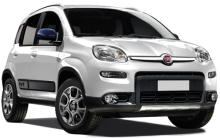
The car you'll be drivingincluded
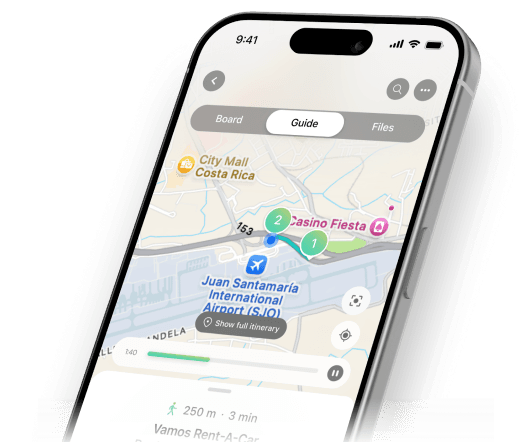
In-app guideincluded


Select your travel group
Choose the dates that work best for you
Overall trip rating


Trip creator


itinerary by Katerina Bartonkova
The adventure awaits
Brittany was love at first sight. I'm not a fan of sun-drenched, over-the-top destinations that try too hard. I prefer the authenticity and wildness of nature, the interplay of colors, and the traces of ancient ancestors. And that’s exactly what Brittany is. Imagine a place where time moves at its own pace, where the land pushes against the waves of the Atlantic, and where the landscape changes before your eyes. In the north, there is a dramatic coastline, high granite cliffs, lonely lighthouses defying the wind, and hidden sandy coves. Thanks to tidal phenomena, the difference between high and low tide here is among the greatest in the world. In contrast, inland you will find yourself in a region called Armorique—a gently rolling landscape of ancient oak forests, heaths, stone villages, and rivers that slowly wind through deep valleys to the sea estuaries. The architecture is dominated by honest stone houses made of grey granite with dark slate roofs. A special phenomenon is the Pink Granite Coast, where giant coastal rocks take on a warm copper and pink hue at sunset. In late summer, the inland heaths turn a deep purple and yellow from blooming gorse. As for the people, the Bretons are a bit different from the rest of France. They are descendants of the Celts and are rightfully proud of their heritage, history, and language—you'll see the black-and-white Breton flag (Gwenn ha Du) flying everywhere. At first glance, they might seem a bit like their landscape: hard, reserved, and inaccessible. But once you break the ice, you discover incredibly warm and hospitable people. Simply put, Bretons don't play games. They love good food, gather around a table over fresh oysters or a bowl of cider, and have a deep respect for their craft and the sea. Brittany won't dazzle you with ostentatious luxury or high summer temperatures. It will disarm you with its genuine energy, the scent of salty sea foam, and the feeling that you’ve discovered a place where the world has remained real. This itinerary has been created so that everyone can find something for themselves. It is a sensitively balanced combination of hiking, sightseeing, and relaxation to the greatest possible extent. It is not necessary to complete all the points as recommended. You can skip a lot, but also add to it according to your preferences.
Brittany was love at first sight. I'm not a fan of sun-drenched, over-the-top destinations that try too hard. I prefer the authenticity and wildness of nature, the interplay of colors, and the traces of ancient ancestors. And that’s exactly what Brittany is. Imagine a place where time moves at its own pace, where the land pushes against the waves of the Atlantic, and where the landscape changes before your eyes. In the north, there is a dramatic coastline, high granite cliffs, lonely lighthouses defying the wind, and hidden sandy coves. Thanks to tidal phenomena, the difference between high and low tide here is among the greatest in the world. In contrast, inland you will find yourself in a region called Armorique—a gently rolling landscape of ancient oak forests, heaths, stone villages, and rivers that slowly wind through deep valleys to the sea estuaries. The architecture is dominated by honest stone houses made of grey granite with dark slate roofs. A special phenomenon is the Pink Granite Coast, where giant coastal rocks take on a warm copper and pink hue at sunset. In late summer, the inland heaths turn a deep purple and yellow from blooming gorse. As for the people, the Bretons are a bit different from the rest of France. They are descendants of the Celts and are rightfully proud of their heritage, history, and language—you'll see the black-and-white Breton flag (Gwenn ha Du) flying everywhere. At first glance, they might seem a bit like their landscape: hard, reserved, and inaccessible. But once you break the ice, you discover incredibly warm and hospitable people. Simply put, Bretons don't play games. They love good food, gather around a table over fresh oysters or a bowl of cider, and have a deep respect for their craft and the sea. Brittany won't dazzle you with ostentatious luxury or high summer temperatures. It will disarm you with its genuine energy, the scent of salty sea foam, and the feeling that you’ve discovered a place where the world has remained real. This itinerary has been created so that everyone can find something for themselves. It is a sensitively balanced combination of hiking, sightseeing, and relaxation to the greatest possible extent. It is not necessary to complete all the points as recommended. You can skip a lot, but also add to it according to your preferences.
Your itinerary - Easy to personalizeincluded
Day 1
Welcome! You've landed at Nantes airport - the largest airport in western France, located just 8 km from the city itself. Picking up your rental car, checking into your accommodation, and soaking in the first scents of Brittany is what's in store for you today. The car rental offices are located in a separate building right across the road from the main terminal - about a 3-5 minute walk from where you collect your luggage. Have you reached the center and checked in? Très bien! Everything is now in your hands. Do you have the appetite, energy, and time for a little city exploration already today? Voilà. You are in one of the liveliest and most diverse cities in France, the birthplace of the famous Jules Verne. The city is renowned for its emphasis on ecology, cycling, and street art. The green city is also a green map. Today's schedule depends on your arrival time.
Day 2
Hello. Ready to explore the city a bit deeper? Let's go. Other attractions in Nantes you really shouldn't miss are the mechanical world on the Île de Nantes. It's a unique world-class attraction you won't see anywhere else. That will easily keep you busy for the whole morning. Don't forget that you still have 140 km to drive today, so save something for the last day. And now, off to the sea. On the way to the Quiberon peninsula, we still have the megalithic alignments in Carnac (UNESCO) - a mystery older than the Egyptian pyramids, Plouharnel - a small but incredibly charming village, and the final arrival at Quiberon itself.
Day 3
Get ready for a day where you'll smell salt in the air, touch thousand-year-old history, and wrap up your day with a glass in your hand by a Breton harbor.
Accommodation where you'll rest easyincluded
Flights that get you thereincluded
The car you'll be drivingincluded
In-app guideincluded
Select your travel group
Choose the dates that work best for you
Overall trip rating