


Embark on a journey to the heart of Indonesia, where the magic of ancient temples blends with the wild beauty of volcanoes and emerald green nature. This tour will take you from the vibrant Jakarta through the royal Yogyakarta to the misty peaks of the Dieng Plateau and the adrenaline-pumping rapids of the Serayu River. You will experience the sunrise over the iconic Borobudur, walk among the Hindu temples of Prambanan, climb the volcanic peaks, and immerse yourself in the traditions of local villages. You will experience moments when time stands still – whether gazing at the sea of clouds from mountain viewpoints, inhaling the scent of fresh batik in craft workshops, or listening to the sound of the sea in the historic Sunda Kelapa port. This journey is an experiential mosaic where everyone will find their moment of perfect adventure.
Upon arrival and settling in, you'll head to the heart of Old Jakarta, Fatahillah Square. The square welcomes you with a slow rhythm, colonnades of white and pastel buildings, and cobblestones where locals leisurely cycle on brightly colored bicycles. The air is filled with the scent of street food, the sounds of musicians, and children's laughter. You'll settle into the historic Cafe Batavia, where from the upstairs windows you'll see the entire square like a theatrical scene, lively, colorful, and slightly nostalgic. It's the ideal first stop, where you can breathe in the atmosphere of the city and let yourself be absorbed by its story.

Official taxis operate 24/7 at Soekarno-Hatta Airport in Jakarta. The most reliable is Blue Bird (or Silver/Golden Bird), always insist on the meter being turned on. After arrival, you will go to the arrival hall and find taxi counters at the exit; there you either take an official car or they will direct you to the stand. Alternatively, you can order Grab or Gojek via mobile app. The price is known in advance and you pay by card or cash, but it can be more expensive during peak hours. Avoid unofficial "touts" and offers without a meter. The easiest and safest way is to either take a Blue Bird directly from the stand, or order a Grab/Gojek via the app to the designated zone at the terminal.
Jakarta is like a giant pot where everything is cooking at once. A metropolis with more than 30 million people in the entire agglomeration, where modern skyscrapers rise next to alleys with a tofu frying roller and where traffic moves at the pace of a meditating turtle. The city is a diverse mosaic of cultures. Javanese, Sundanese, Chinese, Batak, Betawi, and each group brings their own food, music, and ways of life. This means you can have coconut soup for breakfast, street satay for lunch, and dine in a fancy restaurant with a city panorama in the evening. Jakarta also has its chaotic beauty: moped rivers flowing between cars, markets overflowing with colors and scents, tropical storms that turn the street into a stream in ten minutes – and then the sun blazing like a hairdryer again. It is a city that never sleeps, but often waits – especially in traffic jams, where you have time to have a small picnic in the car. Overall, Jakarta is vibrant, noisy, fragrant and dusty, sometimes tiring, but always fascinating. A place where modern Indonesia meets its history and where a small story can unfold around every corner.
Fatahillah Square feels like a movie scene from another time – a wide paved square lined with colonial buildings in white and pastel shades, among them the city museum, art galleries and small souvenir stalls. The atmosphere is slow and friendly: children ride on colorful rented bikes with decorative hats, street musicians strum guitars, painters offer portraits, and occasionally a tour group passes by with a guide waving a flag. When you sit in Cafe Batavia by the window, you have this whole theatre right in front of you.

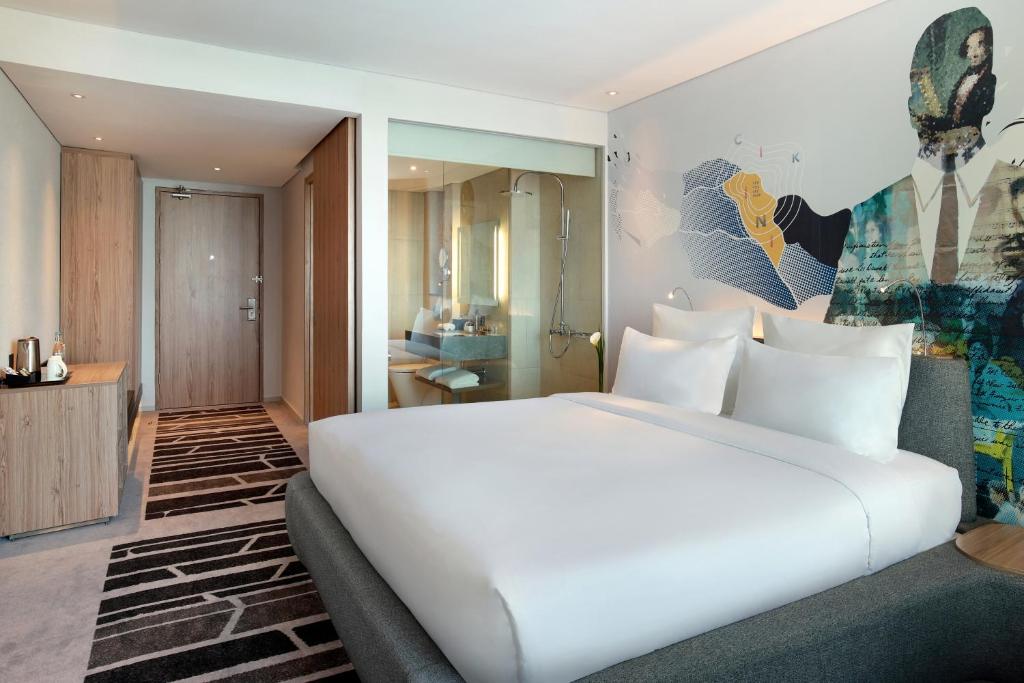
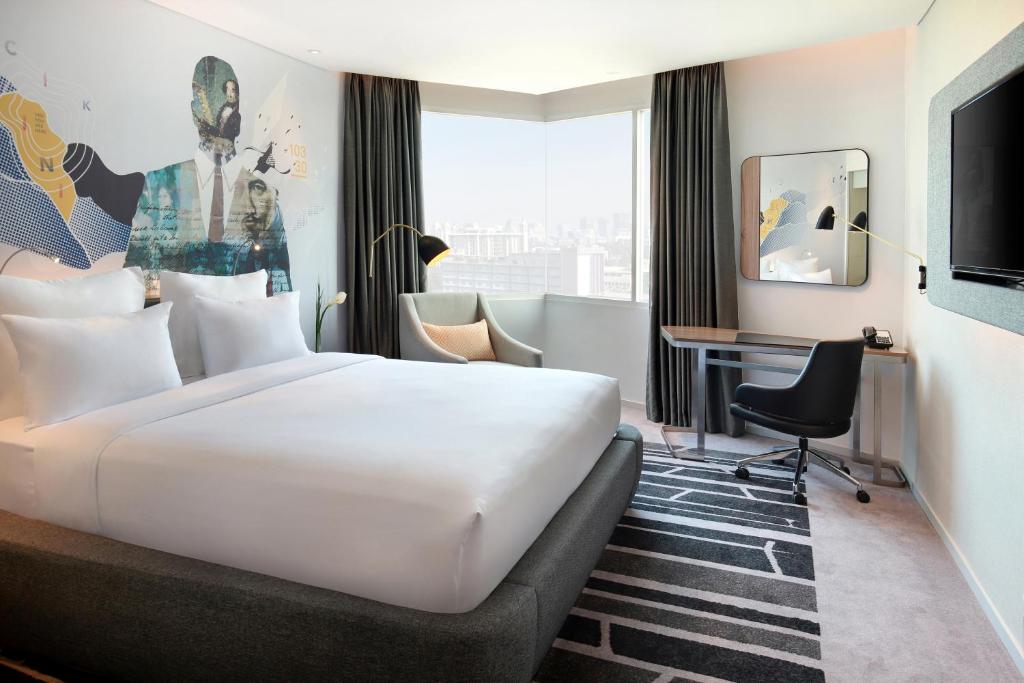


Your day begins at the Setu Babakan Betawi Cultural Village, where you'll be greeted by the lively atmosphere of a traditional village, the rhythm of the Betawi mask dance, and the aroma of local specialties. The morning will be spent among picturesque houses, participating in batik-making or Betawi cooking workshops, and chatting with locals. Afterwards, you'll head to the coast at Ancol Beach, where you can enjoy a relaxing afternoon stroll along the promenade, a light drink by the sea, and conclude the evening with dinner on the pier overlooking the sunset over Jakarta Bay. You'll smoothly transition from the day's bustle into a relaxed evening atmosphere with a sea breeze and the city lights in the distance.
A place where Jakarta shows its original face – lively, proud, and colorful. Don't expect a quick 'one-hour' stop, but rather a half-day experience, because this isn't just one stage and the end.
The village spreads around a lake, lined with traditional Betawi houses with typical decorated gables. Performances alternate on the outdoor stage – from energetic Betawi mask dance to musical ensembles with gamelan. Meanwhile, you can visit a small museum, try on a traditional costume, or participate in workshops – such as batik making, cooking Betawi specialties, or playing local instruments.
Vibes? Friendly, communal, unhurried. Locals are happy to chat, children laugh at strangers and offer a taste of sweets, the aroma of freshly fried delicacies is everywhere.
As the sun begins to set, Ancol's coastline transforms into a pleasant promenade – a sea breeze, lights from ships in the distance, and stalls selling fresh seafood. You can have dinner at one of the restaurants right on the beach, perhaps at the popular Le Bridge, which stands on a pier over the water, and watch the colors of the sky change. After dinner, you can stroll along the coast, sit with musicians, or simply watch the Jakarta Bay at night.
After moving from Jakarta to Yogyakarta, you'll immerse yourself directly into its artisan soul. Narrow streets and districts await you, where the art of batik making, silver processing, and the creation of traditional wayang kulit puppets has been passed down for generations. In the batik workshop, you will learn to work with wax and colors; in Kotagede, under the hands of experienced jewelers, you will make your own silver ring or pendant. You will spend the day in an environment where every street smells of colors and metal, and every creator is happy to add a story about their work. From Yogyakarta, you will take away not only unique souvenirs but also the memory of what it's like to become a part of a living tradition for a while.
The best choice for traveling from Jakarta to Yogyakarta is the comfortable KA Taksaka long-distance train in Executive or Luxury class. It departs from Gambir Station in central Jakarta and goes directly to Tugu Yogyakarta Station, which is located in the heart of the city, a few minutes' walk from the famous Malioboro Street. The journey takes approximately six hours and offers comfort in the form of air-conditioned carriages, ergonomic seats, refreshments, Wi-Fi, and, in the luxury class, larger panoramic windows. You can easily purchase tickets online, where you can see current timetables, prices and class options. This connection is an ideal choice for travelers who want to comfortably and quickly overcome the distance between the two cultural centers of Java and at the same time enjoy the journey as a pleasant experience.
Yogyakarta has a special charm that sets it apart from other Indonesian cities. It feels like a place where time slows down without stopping, and where history, art, and contemporary life blend into one seamless story. It is a city with the soul of a kingdom, as the Sultan still lives here and his Kraton Palace is not only a monument but also a living center of Javanese culture. The air is saturated with the scent of street food from Malioboro Street, where you can buy batik, try traditional sweets, and be carried away by street music in the evening. Just outside the city are two world-renowned monuments – the Hindu Prambanan and the Buddhist Borobudur – so during one stay you will pass through the worlds of two great religions without leaving central Java.

It's a historic silver processing center; you can visit small family workshops where jewelry and decorations are handcrafted. Often, under the guidance of an experienced craftsman, you can create your own ring or pendant. Everywhere you'll be welcomed by a friendly atmosphere and a willingness to share not only the techniques but also the stories that belong to the individual crafts, so a simple visit becomes a personal experience connecting you with the soul of Yogyakarta.
Yogyakarta is a true paradise for art and craft lovers, as tradition is still deeply rooted here, and visitors can not only admire it but also try their hand at it. In batik workshops, such as Batik Winotosastro, masters will teach you how to create intricate patterns on fabric using wax and dyes, and you can take home a finished piece as a unique souvenir.
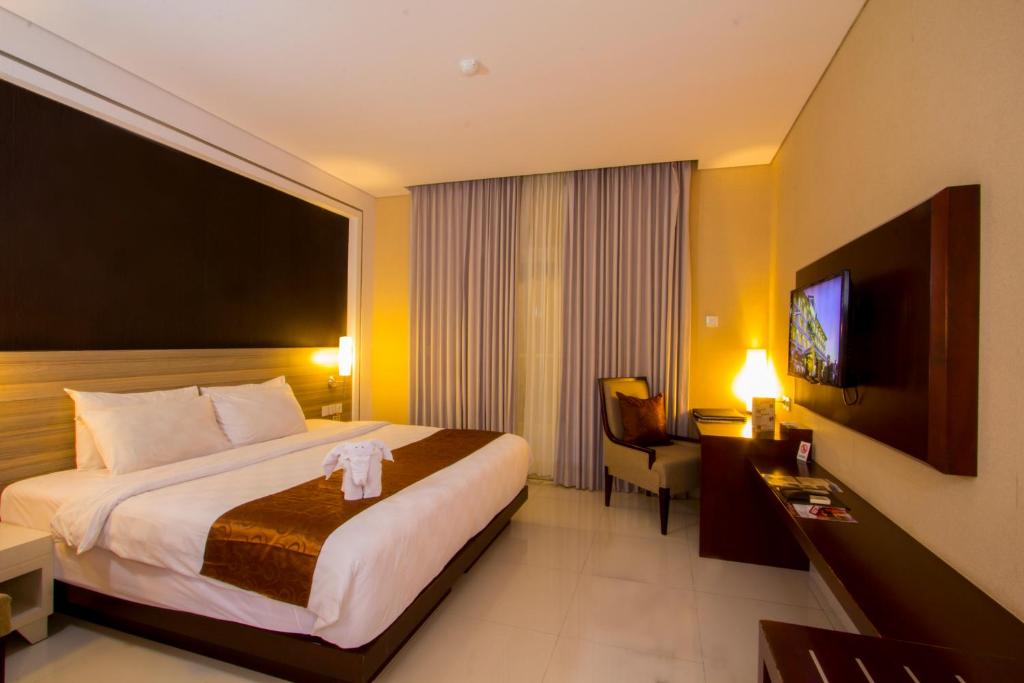
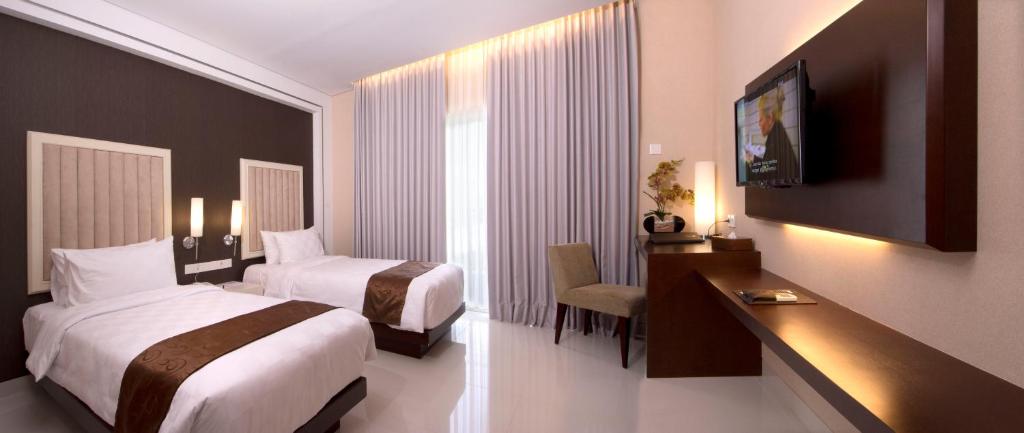
Before dawn, you'll embark on a journey to the majestic Borobudur, where the first rays of sun will disperse the mist among the mountains, transforming the stone stupas into silhouettes of an ancient Buddhist world. After returning and a short rest, in the afternoon you'll move to the Hindu gem of Prambanan, whose slender towers and reliefs tell the stories of the Ramayana with the backdrop of Mount Merapi. You'll end the day at the renowned Abhayagiri Restaurant, perched on a hill with panoramic views of the illuminated Prambanan and the dark silhouette of Merapi. By candlelight and in a gentle evening breeze, you'll enjoy a dinner that combines the flavors of Java with an unforgettable view of the landscape, where history and nature blend.
Borobudur is located approximately 40 km from Yogyakarta (1–1.5 hours by car). The easiest way to get there is to arrange a private taxi through your hotel, via apps like GrabCar, or through a local travel agency that can also secure special tickets for the 'Sunrise Tour.' Arrangements are easy. Most hotels have their own drivers or work with trusted transport providers, so you just tell them your departure time (usually around 3:30 AM), and they will take care of everything else.
The day starts early, as Borobudur is most magical when the first rays of sun rise above the mist lazily rolling between the Merapi and Menoreh mountains. This largest Buddhist temple in the world, built in the 9th century, has nine terraces adorned with thousands of reliefs and iconic stone stupas with Buddha statues inside. In the quiet of the morning, with the orange-pink sky and birds singing, the whole place has an almost magical atmosphere.
Prambanan is about 17 km from the center of Yogyakarta (30–40 minutes by car). A taxi ride is quick and inexpensive, and if you have a driver arranged for the whole day, they will pick you up directly from the hotel after noon and wait for you at the site. You can also take a local train or TransJogja bus, but a taxi is the most comfortable.
After returning from Borobudur and a short rest, you'll head to Prambanan in the afternoon, a stunning complex of Hindu temples dedicated to Shiva, Vishnu, and Brahma. Tall, slender towers, reliefs telling stories from the Ramayana, and views of Mount Merapi in the background make Prambanan one of the most photogenic sights in Indonesia. Late afternoon is the most beautiful time, when the sun casts a soft light and the details of the temples are beautifully highlighted.
A restaurant perched on a hill in the Sumberwatu area, just minutes from the temple complex. It offers elegant Indonesian and international cuisine and, most importantly, breathtaking views directly over Prambanan and Mount Merapi, which are bathed in soft colors during sunset and twilight. The atmosphere is calm, romantic, and ideal for ending a day of sightseeing – candles on the tables, an evening breeze, and a panorama that resembles a postcard. After dinner, your driver will comfortably take you back to Yogyakarta.
Your last day in Yogyakarta will be spent in its heart, where the echoes of history still resonate. In the morning, you will enter the Kraton, the royal palace, which is not only the residence of the Sultan but also a vibrant center of Javanese culture. You will walk through courtyards, pavilions, and museums, where incense wafts and the gentle music of the gamelan plays, and gain insight into the life of the monarchy that has endured for centuries. Afterwards, you will move to the enchanting Taman Sari, a former water palace and resting place for the royal court. Here you will stroll among the pools, romantic ruins, and hidden corridors that whisper tales of bygone eras.
The Kraton, the royal palace of Yogyakarta, is more than just a historical monument; it's the beating heart of Javanese culture. Still serving as the official residence of the Sultan, you'll see the daily life of the court personnel in traditional clothing alongside the courtyards and pavilions. Visitors can wander through the intricate architecture with delicate wooden reliefs and gold detailing, exploring museums showcasing royal carriages, gamelan musical instruments, and ceremonial attire. Live cultural performances – from classical dance to music – are frequently held, making the place feel less like a silent artifact and more like a space where tradition breathes. The atmosphere is regal yet approachable, making visitors feel more like guests than tourists.
Taman Sari, known as the "water palace," was once a royal retreat for relaxation, entertainment, and romantic moments. The complex combines turquoise pools, elegant pavilions, exotic gates, and secret underground passages that connected the different parts of the palace. The most famous part is the central bath with a tower, from where the sultan once observed his court ladies. Besides the baths, you will also discover the remains of a mosque with unique circular architecture and quiet corners where painters or musicians now sit. The vibes here are intimate and slightly mysterious – visitors can enjoy the atmosphere of ancient legends, stories of royal intrigues, and beautiful photogenic scenery that combines history, architecture, and romance in one.
With a hired driver, you'll journey into the green heart of central Java, where a relaxing ascent of Mount Telomoyo awaits. Following a winding path through mountain villages, you'll reach the summit, offering panoramic views of the majestic volcanoes Merbabu, Merapi, and Sumbing. On a clear day, you can even see as far as the Indian Ocean. Afterward, your driver will take you to the tranquil Umbul Temple, a historic Hindu site with natural springs, where you can stroll among ancient statues, relax by turquoise pools, and soak in the peaceful atmosphere. After a day filled with beautiful views and cultural stops, your driver will take you to your accommodation.
You can easily arrange a driver for the next three days directly at the hotel.
Telomoyo is an extinct volcano offering one of the easiest and most beautiful climbs in Java. Unlike challenging treks, you can drive almost to the summit by scooter or car on a concrete road, making it accessible even for those not planning long hikes. The starting point is usually in the village of Ngablak or Kopeng, from where the journey takes about 30–40 minutes. From the summit (1,894 m above sea level), breathtaking panoramas of the Merbabu, Merapi, and Sumbing mountains open up, and on a clear day you can see as far south as the Indian Ocean. A guide is not necessary, but if you want to find the best photo spots and learn about the local flora and fauna, it's worth hiring one.
Umbul Temple is a peaceful place where history meets nature. This small Hindu temple is known mainly for its natural springs and pools, which locals use for ritual cleansing. The atmosphere is very relaxed – crystal-clear water flows between the old stone blocks and statues, and the visitor feels like they are in an oasis away from the city bustle.
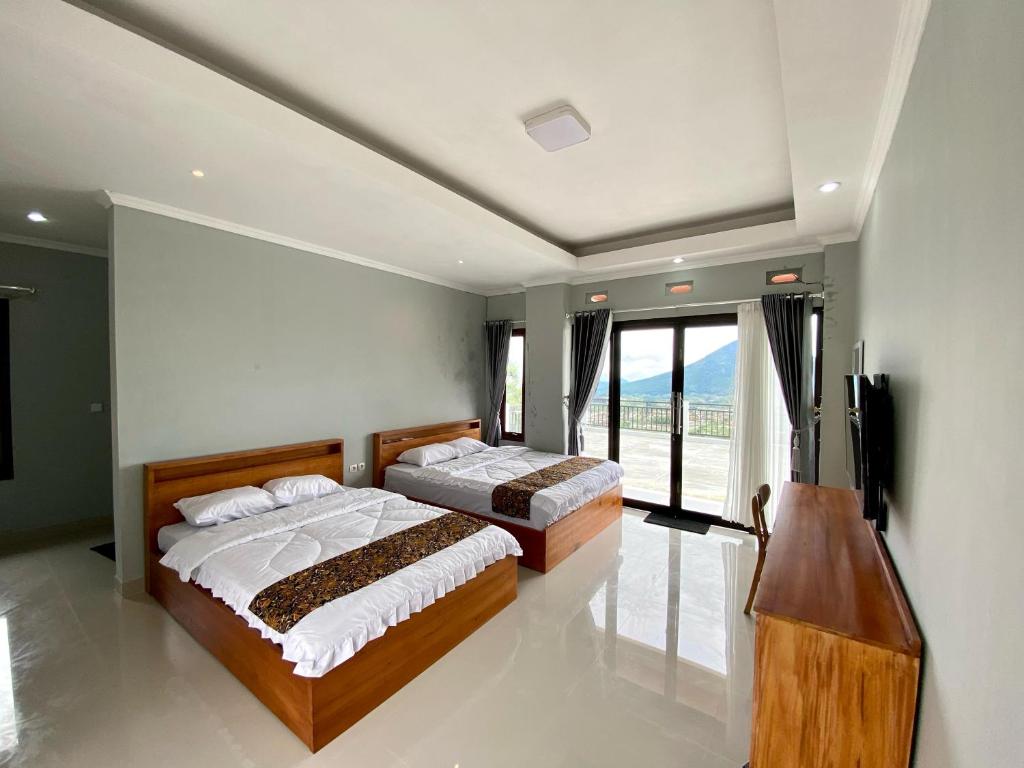
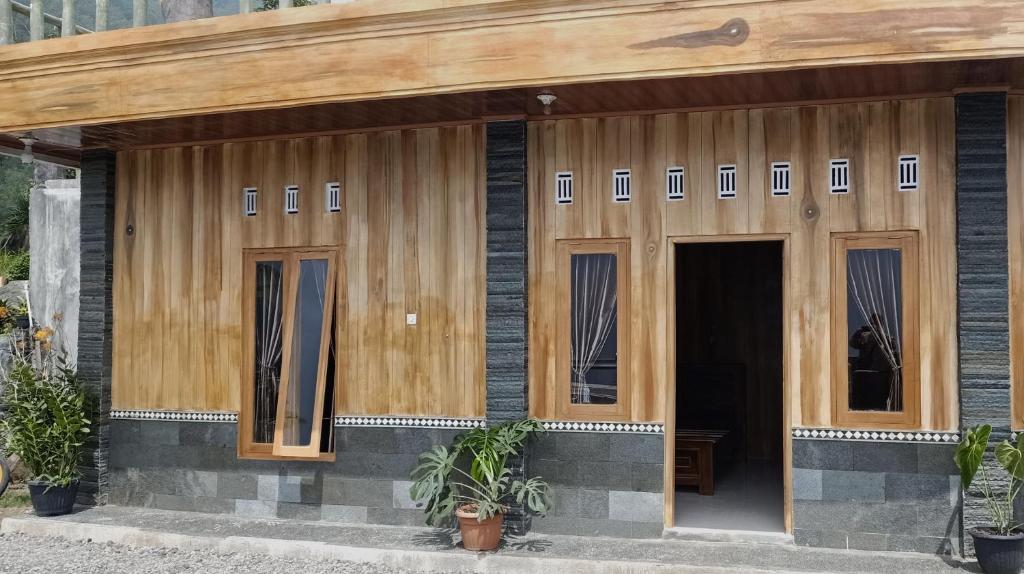
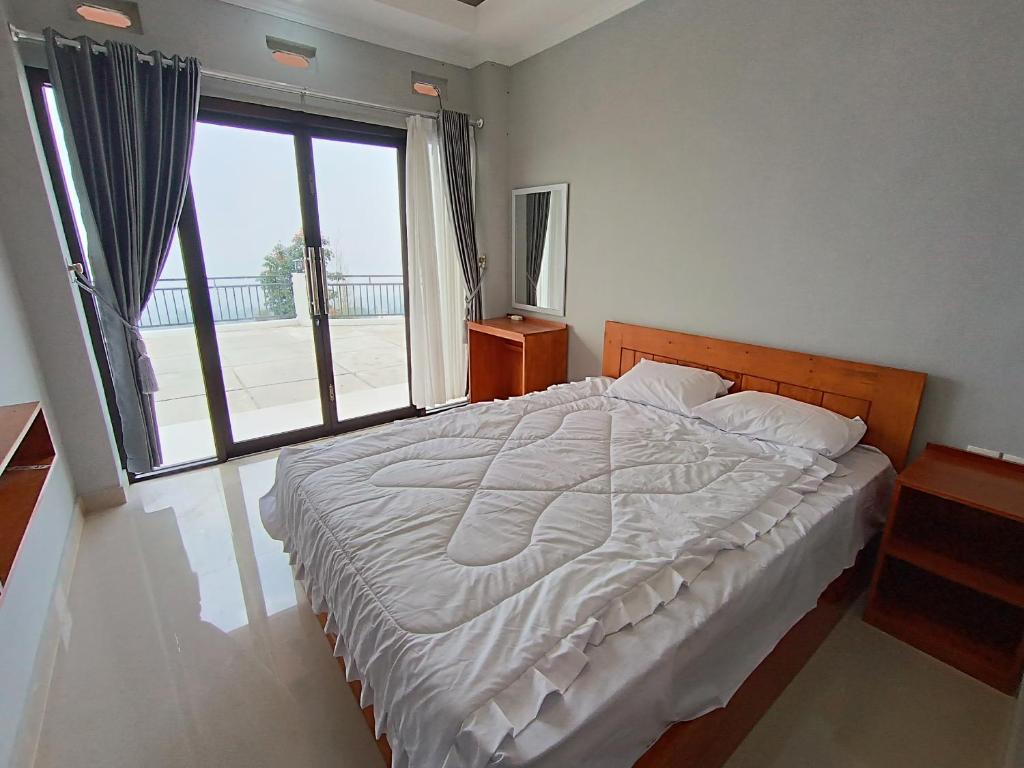
Today's journey takes you to the most picturesque part of the Dieng Plateau, where nature paints and conjures with the water's surface. You'll start at Telaga Warna, the legendary "Colorful Lake," whose hues shift from emerald to turquoise depending on the light and minerals in the water. You'll stroll along the paths among the mountain trees, stop at viewpoints, and enjoy vistas that resemble scenes from fantasy books. Then you'll move on to Telaga Pengilon, the "Mirror Lake," whose perfectly still surface reflects the mountains, clouds, and greenery so clearly that you'll feel like you're standing before a natural mirror. The day will unfold at a leisurely pace, emphasizing walks, photography, and experiencing the gentle, cool atmosphere of the mountains – ideal for those who want to combine the beauty of the landscape with peace of mind.
If you are in the village of Selo and want to climb Mount Merapi's crater, you can easily book it through Viator, for example, which offers a fully organized Mount Merapi Sunrise Trekking Tour. The package includes a professional guide who will safely lead you to the top, entrance fees, mineral water, a simple breakfast, and if needed, transport. Departure is usually planned around midnight so that after approximately a three-hour climb, you will reach the summit (2,911 m above sea level) just as the first rays of sun illuminate the crater and the surrounding mountain landscape. The climb leads along steep, rocky paths, but the reward is a unique view of the Merbabu and Sumbing volcanoes and, in good weather, even more distant ridges. After enjoying the panorama, you descend back to Selo, where the experience ends. This type of organized tour ensures not only safety and knowledge of current volcanic activity but also maximum comfort, so you can fully concentrate on the experience of one of the most breathtaking peaks in Central Java.
Telaga Warna, or "Colorful Lake," is one of the most iconic spots on the Dieng Plateau. Its magic lies in the fact that the color of the water changes depending on the angle of the sun's rays and the amount of minerals dissolved in the water – sometimes it reflects in shades of emerald green, other times in turquoise, blue, or even purple. A gentle path leads around the lake, allowing you to walk through a dense mountain forest and stop at small viewpoints from where you can see the whole lake from a bird's-eye perspective. The air here is cool, it smells of pine needles, and thanks to the altitude of around 2,000 meters, the whole place has a calming, almost mystical atmosphere.
Just a short walk from Telaga Warna lies Telaga Pengilon, whose name means "Mirror Lake". Unlike its colorful neighbor, it has perfectly clear water in which the surrounding mountains, clouds, and trees are reflected like in a huge natural mirror. Legend says that it once served as a place where people came to "look into their souls", because the reflection of the surface was so clear that it had an almost supernatural effect.
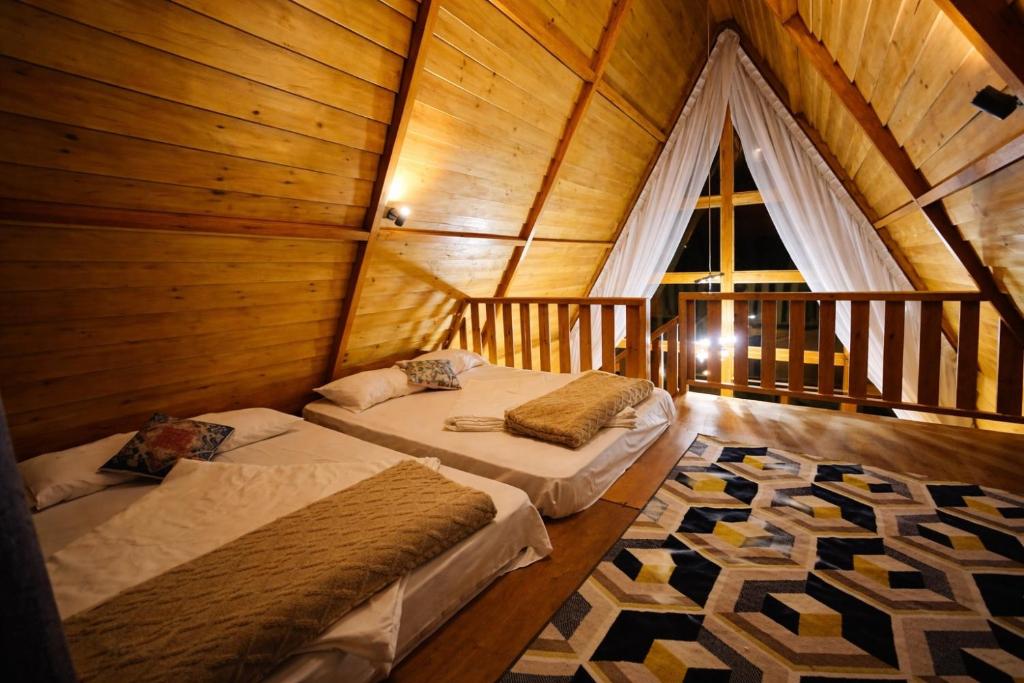
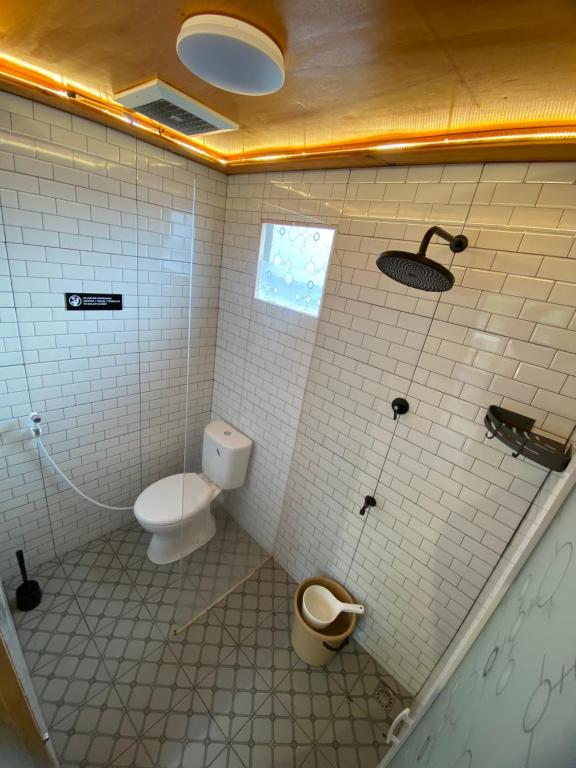
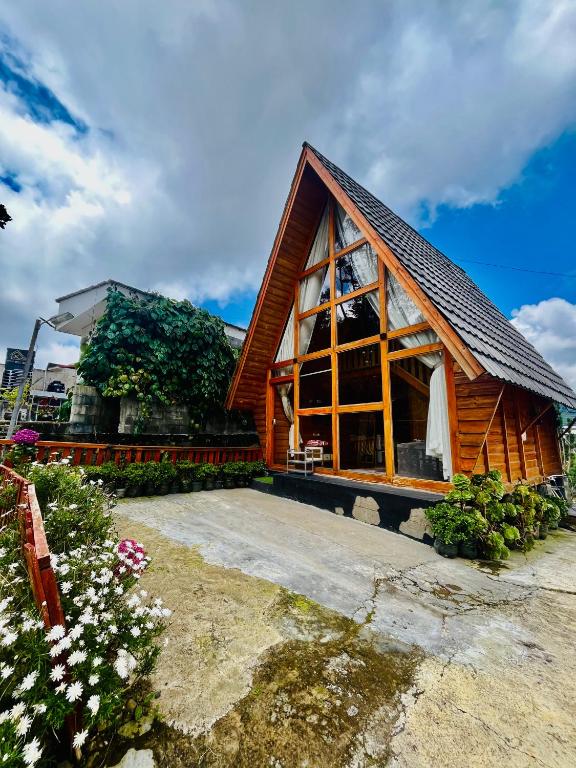
Your day begins at the Arjuna temple complex, the oldest Hindu site on Java, where small stone shrines from the 7th-8th centuries stand amidst mountain meadows and misty peaks. The quiet atmosphere, delicate reliefs, and cool mountain air will transport you to the ancient times of the Javanese kingdoms. Then you'll head to Kawah Sikidang, an active volcanic crater, where bubbling sulfur springs and hissing fumaroles showcase the raw power of the earth – a dramatic landscape, the smell of sulfur, and rising steam will create a contrast to the morning tranquility of the temples. You'll end the day at the Dieng Plateau Theater, where a short film and panoramic views from the observation deck will provide a deeper understanding of the history, geology, and legends of this exceptional area, turning your trip into a story connecting culture, nature, and knowledge.
Located directly on the open Dieng Plateau, surrounded by green meadows and mountain slopes, just a few minutes' walk from the center of the Dieng village. This complex is the oldest surviving Hindu monument on Java, dating back to the 7th-8th centuries, and consists of several small stone temples dedicated to the god Shiva. The vibes here are quiet and historical – the mountain air smells among the low buildings, clouds rush above you, and the whole area feels like a place almost untouched by time. Visitors can walk through the individual temples, examine the reliefs, and soak up the atmosphere of ancient Java.
An active volcanic crater, nicknamed for its "jumping" bubbling springs that supposedly move across the crater floor. The area is open and quite expansive, with a distinct sulfurous smell reminding you that you're in volcanic territory. The vibes are raw and slightly adventurous – fumaroles hiss around you, steam escapes, and the grey earth contrasts with the green slopes in the distance. Visitors can walk along wooden walkways right to the spots where hot water and gas escape from the earth's depths, and if you enjoy photographing dramatic landscapes, this is the place for you.
It's a small cinema and information center built on a slope overlooking Telaga Warna. A documentary of about 20 minutes is shown here (in English and Indonesian), which explains the history, geology and culture of the Dieng Plateau, including local legends and natural phenomena. The atmosphere is intimate and educational. In addition to the film, you can also take a beautiful panoramic view of the entire valley from the viewpoint near the cinema.
The day begins with an adrenaline rush on the Serayu River, where a several-hour adventure awaits you amidst rapids, calm stretches, and picturesque scenery with views of Mount Slamet. Under the guidance of an experienced instructor and with all equipment provided, you'll enjoy both the thrill of the ride and moments of peace while swimming and relaxing on the shore. After returning from the water, you'll head to a restaurant located right by the river. In a tranquil atmosphere with the sound of the stream and greenery around, you'll savor freshly prepared Indonesian specialties and end the day with a pleasant gathering in the heart of nature.
Rafting on the Serayu River is an adventurous experience with views of Mount Slamet, suitable for beginners and experienced rafters alike. You can expect several hours of navigating rapids, swimming stops, and passage through scenic landscapes, all with an instructor, safety equipment, and refreshments included. You can book it, for example, here.
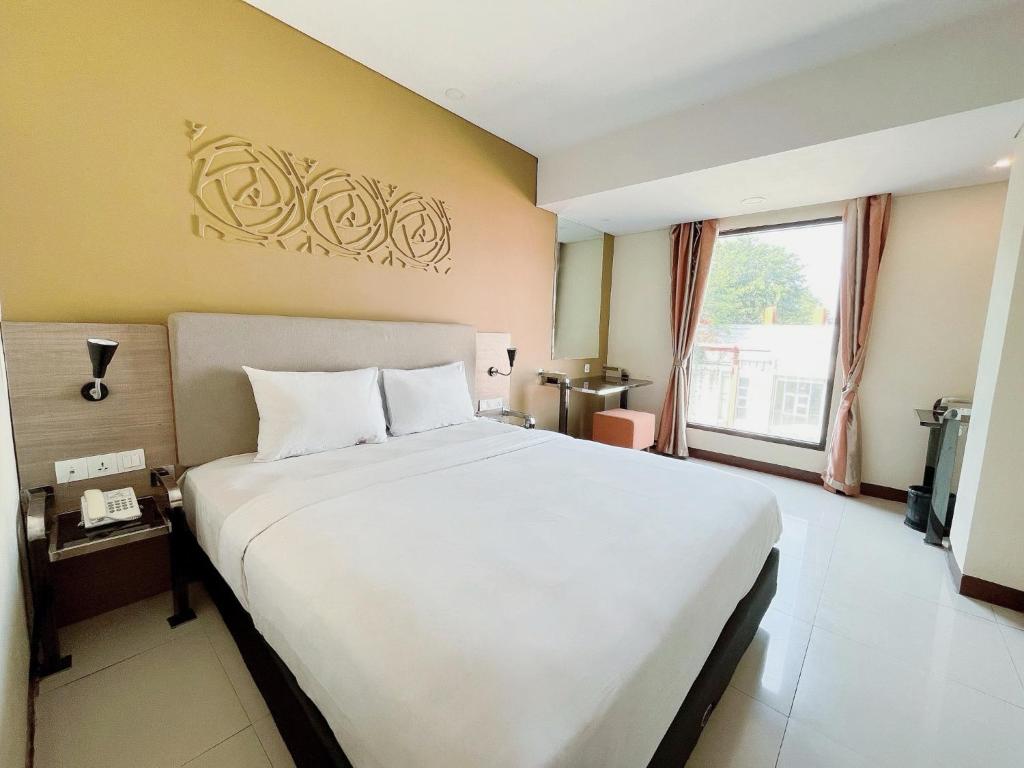
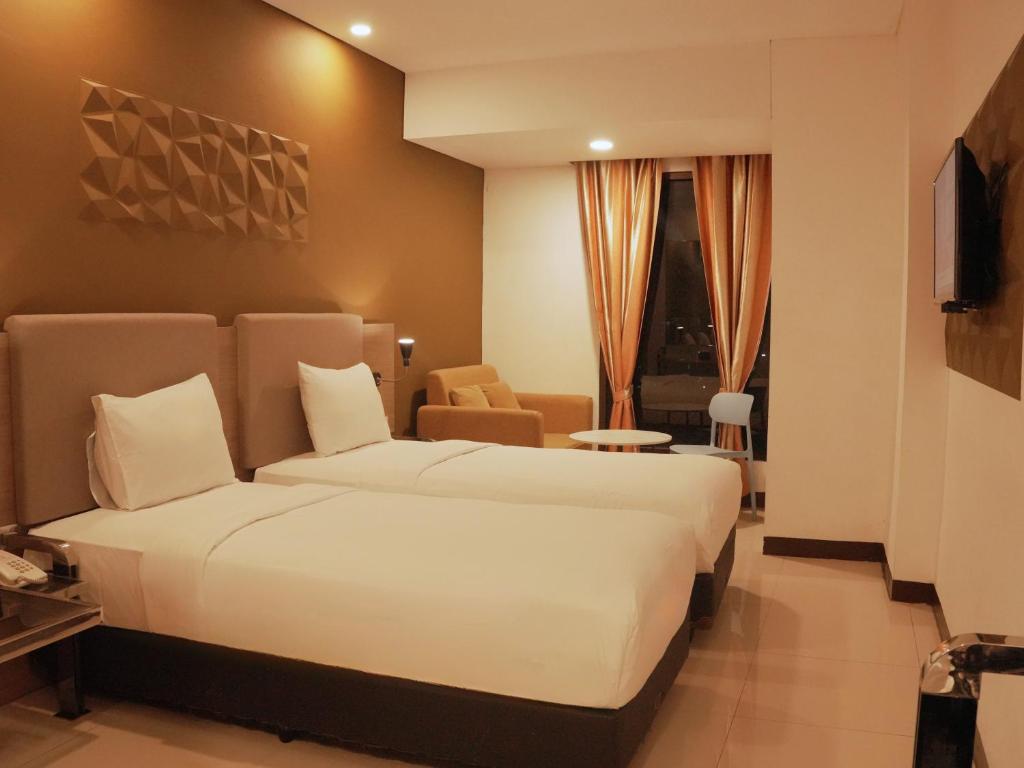
After the morning journey back to Jakarta, you will check in and take a moment to rest before heading out to enjoy your last evening in Indonesia. You can stroll through the bustling streets of the evening city, soak up the energy of the metropolis, and enjoy dinner at one of the famous restaurants overlooking the night panorama. The last sips of Indonesian coffee or dessert in the lights of the big city will be a symbolic end to the whole trip, a moment to look back on all the experiences and fully enjoy the atmosphere of the place that has become the scene of your adventure.
If you have enough energy, you can still go through what you didn't manage to see at the beginning of the trip. Or relax at your accommodation and go to a restaurant in the evening.

A great option is to end the day at the SKYE Bar & Restaurant, located on the 56th floor and offering breathtaking panoramic views of all of Jakarta. It's the ideal place to enjoy a cocktail at sunset and watch the city gradually cloak itself in thousands of lights. The evening atmosphere here is lively and elegant, with music, a gentle breeze at the heights, and a feeling that you're saying goodbye to Indonesia from a truly exceptional place.
Your last day in Indonesia begins with a leisurely stroll through the historic Sunda Kelapa harbor, where you'll witness a scene of ancient maritime glory. Majestic wooden pinisi ships with tall masts, bustling harbor life, and the scent of the sea mixed with tropical air. You'll have the opportunity to film and photograph authentic moments of harbor activity, from the manual loading of goods to friendly conversations with local sailors. After this walk, you'll take a taxi to the airport, where you need to arrive at least three hours before departure. This day will be a dignified farewell to Indonesia – in a setting that combines history, culture, and the atmosphere of the sea.
If you have an afternoon flight and want to spend your last hours in Jakarta actively, take a walk around Sunda Kelapa harbor. This historical port is still home to majestic wooden pinisi ships, moored here loaded with goods and ready to set sail on their next journey through the Indonesian archipelago. You can shoot impressive videos of ships with tall masts, capture the harbor bustle, a conversation with local sailors, or moments when crews manually load and unload cargo. A stroll along the pier will allow you to see up close the details of the ship's construction and the colorful hull paintings. Near the harbor, you'll also find the Maritime Museum, where you can learn about Indonesia's maritime history and its trade routes. The whole area has an authentic, slightly raw atmosphere, ideal for photographers and travelers who want to experience a real piece of Jakarta outside the modern centers.
The best way to get to the airport from Sunda Kelapa harbor is by taxi, as it's the fastest and most convenient option. Keep in mind that you should be at the airport at least 3 hours before your departure to allow time for transportation, check-in, and security.
This journey was a colorful mosaic of experiences, alternating between breathtaking natural scenery, ancient history, and the vibrant life of modern Indonesia. From the first steps on the colonnades of Fatahillah Square and the peaceful observation of the city from the windows of Cafe Batavia, through the cultural depth of Yogyakarta with its temples, crafts, and royal palace, to the misty peaks of the Dieng Plateau and the adrenaline rush on the Serayu River – each day brought a different rhythm and emotion. Jakarta was both the beginning and the end of this journey – first as a gateway to adventure and finally as a place of farewell. The last walk through the Sunda Kelapa harbor, among the pinisi ships and the scent of the sea, closed the story as it began – with an encounter with vibrant, authentic Indonesia.
Embark on a journey to the heart of Indonesia, where the magic of ancient temples blends with the wild beauty of volcanoes and emerald green nature. This tour will take you from the vibrant Jakarta through the royal Yogyakarta to the misty peaks of the Dieng Plateau and the adrenaline-pumping rapids of the Serayu River. You will experience the sunrise over the iconic Borobudur, walk among the Hindu temples of Prambanan, climb the volcanic peaks, and immerse yourself in the traditions of local villages. You will experience moments when time stands still – whether gazing at the sea of clouds from mountain viewpoints, inhaling the scent of fresh batik in craft workshops, or listening to the sound of the sea in the historic Sunda Kelapa port. This journey is an experiential mosaic where everyone will find their moment of perfect adventure.
Upon arrival and settling in, you'll head to the heart of Old Jakarta, Fatahillah Square. The square welcomes you with a slow rhythm, colonnades of white and pastel buildings, and cobblestones where locals leisurely cycle on brightly colored bicycles. The air is filled with the scent of street food, the sounds of musicians, and children's laughter. You'll settle into the historic Cafe Batavia, where from the upstairs windows you'll see the entire square like a theatrical scene, lively, colorful, and slightly nostalgic. It's the ideal first stop, where you can breathe in the atmosphere of the city and let yourself be absorbed by its story.
Official taxis operate 24/7 at Soekarno-Hatta Airport in Jakarta. The most reliable is Blue Bird (or Silver/Golden Bird), always insist on the meter being turned on. After arrival, you will go to the arrival hall and find taxi counters at the exit; there you either take an official car or they will direct you to the stand. Alternatively, you can order Grab or Gojek via mobile app. The price is known in advance and you pay by card or cash, but it can be more expensive during peak hours. Avoid unofficial "touts" and offers without a meter. The easiest and safest way is to either take a Blue Bird directly from the stand, or order a Grab/Gojek via the app to the designated zone at the terminal.
Jakarta is like a giant pot where everything is cooking at once. A metropolis with more than 30 million people in the entire agglomeration, where modern skyscrapers rise next to alleys with a tofu frying roller and where traffic moves at the pace of a meditating turtle. The city is a diverse mosaic of cultures. Javanese, Sundanese, Chinese, Batak, Betawi, and each group brings their own food, music, and ways of life. This means you can have coconut soup for breakfast, street satay for lunch, and dine in a fancy restaurant with a city panorama in the evening. Jakarta also has its chaotic beauty: moped rivers flowing between cars, markets overflowing with colors and scents, tropical storms that turn the street into a stream in ten minutes – and then the sun blazing like a hairdryer again. It is a city that never sleeps, but often waits – especially in traffic jams, where you have time to have a small picnic in the car. Overall, Jakarta is vibrant, noisy, fragrant and dusty, sometimes tiring, but always fascinating. A place where modern Indonesia meets its history and where a small story can unfold around every corner.
Fatahillah Square feels like a movie scene from another time – a wide paved square lined with colonial buildings in white and pastel shades, among them the city museum, art galleries and small souvenir stalls. The atmosphere is slow and friendly: children ride on colorful rented bikes with decorative hats, street musicians strum guitars, painters offer portraits, and occasionally a tour group passes by with a guide waving a flag. When you sit in Cafe Batavia by the window, you have this whole theatre right in front of you.
Your day begins at the Setu Babakan Betawi Cultural Village, where you'll be greeted by the lively atmosphere of a traditional village, the rhythm of the Betawi mask dance, and the aroma of local specialties. The morning will be spent among picturesque houses, participating in batik-making or Betawi cooking workshops, and chatting with locals. Afterwards, you'll head to the coast at Ancol Beach, where you can enjoy a relaxing afternoon stroll along the promenade, a light drink by the sea, and conclude the evening with dinner on the pier overlooking the sunset over Jakarta Bay. You'll smoothly transition from the day's bustle into a relaxed evening atmosphere with a sea breeze and the city lights in the distance.
A place where Jakarta shows its original face – lively, proud, and colorful. Don't expect a quick 'one-hour' stop, but rather a half-day experience, because this isn't just one stage and the end.
The village spreads around a lake, lined with traditional Betawi houses with typical decorated gables. Performances alternate on the outdoor stage – from energetic Betawi mask dance to musical ensembles with gamelan. Meanwhile, you can visit a small museum, try on a traditional costume, or participate in workshops – such as batik making, cooking Betawi specialties, or playing local instruments.
Vibes? Friendly, communal, unhurried. Locals are happy to chat, children laugh at strangers and offer a taste of sweets, the aroma of freshly fried delicacies is everywhere.
As the sun begins to set, Ancol's coastline transforms into a pleasant promenade – a sea breeze, lights from ships in the distance, and stalls selling fresh seafood. You can have dinner at one of the restaurants right on the beach, perhaps at the popular Le Bridge, which stands on a pier over the water, and watch the colors of the sky change. After dinner, you can stroll along the coast, sit with musicians, or simply watch the Jakarta Bay at night.
After moving from Jakarta to Yogyakarta, you'll immerse yourself directly into its artisan soul. Narrow streets and districts await you, where the art of batik making, silver processing, and the creation of traditional wayang kulit puppets has been passed down for generations. In the batik workshop, you will learn to work with wax and colors; in Kotagede, under the hands of experienced jewelers, you will make your own silver ring or pendant. You will spend the day in an environment where every street smells of colors and metal, and every creator is happy to add a story about their work. From Yogyakarta, you will take away not only unique souvenirs but also the memory of what it's like to become a part of a living tradition for a while.
The best choice for traveling from Jakarta to Yogyakarta is the comfortable KA Taksaka long-distance train in Executive or Luxury class. It departs from Gambir Station in central Jakarta and goes directly to Tugu Yogyakarta Station, which is located in the heart of the city, a few minutes' walk from the famous Malioboro Street. The journey takes approximately six hours and offers comfort in the form of air-conditioned carriages, ergonomic seats, refreshments, Wi-Fi, and, in the luxury class, larger panoramic windows. You can easily purchase tickets online, where you can see current timetables, prices and class options. This connection is an ideal choice for travelers who want to comfortably and quickly overcome the distance between the two cultural centers of Java and at the same time enjoy the journey as a pleasant experience.
Yogyakarta has a special charm that sets it apart from other Indonesian cities. It feels like a place where time slows down without stopping, and where history, art, and contemporary life blend into one seamless story. It is a city with the soul of a kingdom, as the Sultan still lives here and his Kraton Palace is not only a monument but also a living center of Javanese culture. The air is saturated with the scent of street food from Malioboro Street, where you can buy batik, try traditional sweets, and be carried away by street music in the evening. Just outside the city are two world-renowned monuments – the Hindu Prambanan and the Buddhist Borobudur – so during one stay you will pass through the worlds of two great religions without leaving central Java.
It's a historic silver processing center; you can visit small family workshops where jewelry and decorations are handcrafted. Often, under the guidance of an experienced craftsman, you can create your own ring or pendant. Everywhere you'll be welcomed by a friendly atmosphere and a willingness to share not only the techniques but also the stories that belong to the individual crafts, so a simple visit becomes a personal experience connecting you with the soul of Yogyakarta.
Yogyakarta is a true paradise for art and craft lovers, as tradition is still deeply rooted here, and visitors can not only admire it but also try their hand at it. In batik workshops, such as Batik Winotosastro, masters will teach you how to create intricate patterns on fabric using wax and dyes, and you can take home a finished piece as a unique souvenir.
Before dawn, you'll embark on a journey to the majestic Borobudur, where the first rays of sun will disperse the mist among the mountains, transforming the stone stupas into silhouettes of an ancient Buddhist world. After returning and a short rest, in the afternoon you'll move to the Hindu gem of Prambanan, whose slender towers and reliefs tell the stories of the Ramayana with the backdrop of Mount Merapi. You'll end the day at the renowned Abhayagiri Restaurant, perched on a hill with panoramic views of the illuminated Prambanan and the dark silhouette of Merapi. By candlelight and in a gentle evening breeze, you'll enjoy a dinner that combines the flavors of Java with an unforgettable view of the landscape, where history and nature blend.
Borobudur is located approximately 40 km from Yogyakarta (1–1.5 hours by car). The easiest way to get there is to arrange a private taxi through your hotel, via apps like GrabCar, or through a local travel agency that can also secure special tickets for the 'Sunrise Tour.' Arrangements are easy. Most hotels have their own drivers or work with trusted transport providers, so you just tell them your departure time (usually around 3:30 AM), and they will take care of everything else.
The day starts early, as Borobudur is most magical when the first rays of sun rise above the mist lazily rolling between the Merapi and Menoreh mountains. This largest Buddhist temple in the world, built in the 9th century, has nine terraces adorned with thousands of reliefs and iconic stone stupas with Buddha statues inside. In the quiet of the morning, with the orange-pink sky and birds singing, the whole place has an almost magical atmosphere.
Prambanan is about 17 km from the center of Yogyakarta (30–40 minutes by car). A taxi ride is quick and inexpensive, and if you have a driver arranged for the whole day, they will pick you up directly from the hotel after noon and wait for you at the site. You can also take a local train or TransJogja bus, but a taxi is the most comfortable.
After returning from Borobudur and a short rest, you'll head to Prambanan in the afternoon, a stunning complex of Hindu temples dedicated to Shiva, Vishnu, and Brahma. Tall, slender towers, reliefs telling stories from the Ramayana, and views of Mount Merapi in the background make Prambanan one of the most photogenic sights in Indonesia. Late afternoon is the most beautiful time, when the sun casts a soft light and the details of the temples are beautifully highlighted.
A restaurant perched on a hill in the Sumberwatu area, just minutes from the temple complex. It offers elegant Indonesian and international cuisine and, most importantly, breathtaking views directly over Prambanan and Mount Merapi, which are bathed in soft colors during sunset and twilight. The atmosphere is calm, romantic, and ideal for ending a day of sightseeing – candles on the tables, an evening breeze, and a panorama that resembles a postcard. After dinner, your driver will comfortably take you back to Yogyakarta.
Your last day in Yogyakarta will be spent in its heart, where the echoes of history still resonate. In the morning, you will enter the Kraton, the royal palace, which is not only the residence of the Sultan but also a vibrant center of Javanese culture. You will walk through courtyards, pavilions, and museums, where incense wafts and the gentle music of the gamelan plays, and gain insight into the life of the monarchy that has endured for centuries. Afterwards, you will move to the enchanting Taman Sari, a former water palace and resting place for the royal court. Here you will stroll among the pools, romantic ruins, and hidden corridors that whisper tales of bygone eras.
The Kraton, the royal palace of Yogyakarta, is more than just a historical monument; it's the beating heart of Javanese culture. Still serving as the official residence of the Sultan, you'll see the daily life of the court personnel in traditional clothing alongside the courtyards and pavilions. Visitors can wander through the intricate architecture with delicate wooden reliefs and gold detailing, exploring museums showcasing royal carriages, gamelan musical instruments, and ceremonial attire. Live cultural performances – from classical dance to music – are frequently held, making the place feel less like a silent artifact and more like a space where tradition breathes. The atmosphere is regal yet approachable, making visitors feel more like guests than tourists.
Taman Sari, known as the "water palace," was once a royal retreat for relaxation, entertainment, and romantic moments. The complex combines turquoise pools, elegant pavilions, exotic gates, and secret underground passages that connected the different parts of the palace. The most famous part is the central bath with a tower, from where the sultan once observed his court ladies. Besides the baths, you will also discover the remains of a mosque with unique circular architecture and quiet corners where painters or musicians now sit. The vibes here are intimate and slightly mysterious – visitors can enjoy the atmosphere of ancient legends, stories of royal intrigues, and beautiful photogenic scenery that combines history, architecture, and romance in one.
With a hired driver, you'll journey into the green heart of central Java, where a relaxing ascent of Mount Telomoyo awaits. Following a winding path through mountain villages, you'll reach the summit, offering panoramic views of the majestic volcanoes Merbabu, Merapi, and Sumbing. On a clear day, you can even see as far as the Indian Ocean. Afterward, your driver will take you to the tranquil Umbul Temple, a historic Hindu site with natural springs, where you can stroll among ancient statues, relax by turquoise pools, and soak in the peaceful atmosphere. After a day filled with beautiful views and cultural stops, your driver will take you to your accommodation.
You can easily arrange a driver for the next three days directly at the hotel.
Telomoyo is an extinct volcano offering one of the easiest and most beautiful climbs in Java. Unlike challenging treks, you can drive almost to the summit by scooter or car on a concrete road, making it accessible even for those not planning long hikes. The starting point is usually in the village of Ngablak or Kopeng, from where the journey takes about 30–40 minutes. From the summit (1,894 m above sea level), breathtaking panoramas of the Merbabu, Merapi, and Sumbing mountains open up, and on a clear day you can see as far south as the Indian Ocean. A guide is not necessary, but if you want to find the best photo spots and learn about the local flora and fauna, it's worth hiring one.
Umbul Temple is a peaceful place where history meets nature. This small Hindu temple is known mainly for its natural springs and pools, which locals use for ritual cleansing. The atmosphere is very relaxed – crystal-clear water flows between the old stone blocks and statues, and the visitor feels like they are in an oasis away from the city bustle.
Today's journey takes you to the most picturesque part of the Dieng Plateau, where nature paints and conjures with the water's surface. You'll start at Telaga Warna, the legendary "Colorful Lake," whose hues shift from emerald to turquoise depending on the light and minerals in the water. You'll stroll along the paths among the mountain trees, stop at viewpoints, and enjoy vistas that resemble scenes from fantasy books. Then you'll move on to Telaga Pengilon, the "Mirror Lake," whose perfectly still surface reflects the mountains, clouds, and greenery so clearly that you'll feel like you're standing before a natural mirror. The day will unfold at a leisurely pace, emphasizing walks, photography, and experiencing the gentle, cool atmosphere of the mountains – ideal for those who want to combine the beauty of the landscape with peace of mind.
If you are in the village of Selo and want to climb Mount Merapi's crater, you can easily book it through Viator, for example, which offers a fully organized Mount Merapi Sunrise Trekking Tour. The package includes a professional guide who will safely lead you to the top, entrance fees, mineral water, a simple breakfast, and if needed, transport. Departure is usually planned around midnight so that after approximately a three-hour climb, you will reach the summit (2,911 m above sea level) just as the first rays of sun illuminate the crater and the surrounding mountain landscape. The climb leads along steep, rocky paths, but the reward is a unique view of the Merbabu and Sumbing volcanoes and, in good weather, even more distant ridges. After enjoying the panorama, you descend back to Selo, where the experience ends. This type of organized tour ensures not only safety and knowledge of current volcanic activity but also maximum comfort, so you can fully concentrate on the experience of one of the most breathtaking peaks in Central Java.
Telaga Warna, or "Colorful Lake," is one of the most iconic spots on the Dieng Plateau. Its magic lies in the fact that the color of the water changes depending on the angle of the sun's rays and the amount of minerals dissolved in the water – sometimes it reflects in shades of emerald green, other times in turquoise, blue, or even purple. A gentle path leads around the lake, allowing you to walk through a dense mountain forest and stop at small viewpoints from where you can see the whole lake from a bird's-eye perspective. The air here is cool, it smells of pine needles, and thanks to the altitude of around 2,000 meters, the whole place has a calming, almost mystical atmosphere.
Just a short walk from Telaga Warna lies Telaga Pengilon, whose name means "Mirror Lake". Unlike its colorful neighbor, it has perfectly clear water in which the surrounding mountains, clouds, and trees are reflected like in a huge natural mirror. Legend says that it once served as a place where people came to "look into their souls", because the reflection of the surface was so clear that it had an almost supernatural effect.
Your day begins at the Arjuna temple complex, the oldest Hindu site on Java, where small stone shrines from the 7th-8th centuries stand amidst mountain meadows and misty peaks. The quiet atmosphere, delicate reliefs, and cool mountain air will transport you to the ancient times of the Javanese kingdoms. Then you'll head to Kawah Sikidang, an active volcanic crater, where bubbling sulfur springs and hissing fumaroles showcase the raw power of the earth – a dramatic landscape, the smell of sulfur, and rising steam will create a contrast to the morning tranquility of the temples. You'll end the day at the Dieng Plateau Theater, where a short film and panoramic views from the observation deck will provide a deeper understanding of the history, geology, and legends of this exceptional area, turning your trip into a story connecting culture, nature, and knowledge.
Located directly on the open Dieng Plateau, surrounded by green meadows and mountain slopes, just a few minutes' walk from the center of the Dieng village. This complex is the oldest surviving Hindu monument on Java, dating back to the 7th-8th centuries, and consists of several small stone temples dedicated to the god Shiva. The vibes here are quiet and historical – the mountain air smells among the low buildings, clouds rush above you, and the whole area feels like a place almost untouched by time. Visitors can walk through the individual temples, examine the reliefs, and soak up the atmosphere of ancient Java.
An active volcanic crater, nicknamed for its "jumping" bubbling springs that supposedly move across the crater floor. The area is open and quite expansive, with a distinct sulfurous smell reminding you that you're in volcanic territory. The vibes are raw and slightly adventurous – fumaroles hiss around you, steam escapes, and the grey earth contrasts with the green slopes in the distance. Visitors can walk along wooden walkways right to the spots where hot water and gas escape from the earth's depths, and if you enjoy photographing dramatic landscapes, this is the place for you.
It's a small cinema and information center built on a slope overlooking Telaga Warna. A documentary of about 20 minutes is shown here (in English and Indonesian), which explains the history, geology and culture of the Dieng Plateau, including local legends and natural phenomena. The atmosphere is intimate and educational. In addition to the film, you can also take a beautiful panoramic view of the entire valley from the viewpoint near the cinema.
The day begins with an adrenaline rush on the Serayu River, where a several-hour adventure awaits you amidst rapids, calm stretches, and picturesque scenery with views of Mount Slamet. Under the guidance of an experienced instructor and with all equipment provided, you'll enjoy both the thrill of the ride and moments of peace while swimming and relaxing on the shore. After returning from the water, you'll head to a restaurant located right by the river. In a tranquil atmosphere with the sound of the stream and greenery around, you'll savor freshly prepared Indonesian specialties and end the day with a pleasant gathering in the heart of nature.
Rafting on the Serayu River is an adventurous experience with views of Mount Slamet, suitable for beginners and experienced rafters alike. You can expect several hours of navigating rapids, swimming stops, and passage through scenic landscapes, all with an instructor, safety equipment, and refreshments included. You can book it, for example, here.
After the morning journey back to Jakarta, you will check in and take a moment to rest before heading out to enjoy your last evening in Indonesia. You can stroll through the bustling streets of the evening city, soak up the energy of the metropolis, and enjoy dinner at one of the famous restaurants overlooking the night panorama. The last sips of Indonesian coffee or dessert in the lights of the big city will be a symbolic end to the whole trip, a moment to look back on all the experiences and fully enjoy the atmosphere of the place that has become the scene of your adventure.
If you have enough energy, you can still go through what you didn't manage to see at the beginning of the trip. Or relax at your accommodation and go to a restaurant in the evening.
A great option is to end the day at the SKYE Bar & Restaurant, located on the 56th floor and offering breathtaking panoramic views of all of Jakarta. It's the ideal place to enjoy a cocktail at sunset and watch the city gradually cloak itself in thousands of lights. The evening atmosphere here is lively and elegant, with music, a gentle breeze at the heights, and a feeling that you're saying goodbye to Indonesia from a truly exceptional place.
Your last day in Indonesia begins with a leisurely stroll through the historic Sunda Kelapa harbor, where you'll witness a scene of ancient maritime glory. Majestic wooden pinisi ships with tall masts, bustling harbor life, and the scent of the sea mixed with tropical air. You'll have the opportunity to film and photograph authentic moments of harbor activity, from the manual loading of goods to friendly conversations with local sailors. After this walk, you'll take a taxi to the airport, where you need to arrive at least three hours before departure. This day will be a dignified farewell to Indonesia – in a setting that combines history, culture, and the atmosphere of the sea.
If you have an afternoon flight and want to spend your last hours in Jakarta actively, take a walk around Sunda Kelapa harbor. This historical port is still home to majestic wooden pinisi ships, moored here loaded with goods and ready to set sail on their next journey through the Indonesian archipelago. You can shoot impressive videos of ships with tall masts, capture the harbor bustle, a conversation with local sailors, or moments when crews manually load and unload cargo. A stroll along the pier will allow you to see up close the details of the ship's construction and the colorful hull paintings. Near the harbor, you'll also find the Maritime Museum, where you can learn about Indonesia's maritime history and its trade routes. The whole area has an authentic, slightly raw atmosphere, ideal for photographers and travelers who want to experience a real piece of Jakarta outside the modern centers.
The best way to get to the airport from Sunda Kelapa harbor is by taxi, as it's the fastest and most convenient option. Keep in mind that you should be at the airport at least 3 hours before your departure to allow time for transportation, check-in, and security.
This journey was a colorful mosaic of experiences, alternating between breathtaking natural scenery, ancient history, and the vibrant life of modern Indonesia. From the first steps on the colonnades of Fatahillah Square and the peaceful observation of the city from the windows of Cafe Batavia, through the cultural depth of Yogyakarta with its temples, crafts, and royal palace, to the misty peaks of the Dieng Plateau and the adrenaline rush on the Serayu River – each day brought a different rhythm and emotion. Jakarta was both the beginning and the end of this journey – first as a gateway to adventure and finally as a place of farewell. The last walk through the Sunda Kelapa harbor, among the pinisi ships and the scent of the sea, closed the story as it began – with an encounter with vibrant, authentic Indonesia.


 We are a Czech companyWe are a Czech company


itinerary by Jack
Embark on a journey to the heart of Indonesia, where the magic of ancient temples blends with the wild beauty of volcanoes and emerald green nature. This tour will take you from the vibrant Jakarta through the royal Yogyakarta to the misty peaks of the Dieng Plateau and the adrenaline-pumping rapids of the Serayu River. You will experience the sunrise over the iconic Borobudur, walk among the Hindu temples of Prambanan, climb the volcanic peaks, and immerse yourself in the traditions of local villages. You will experience moments when time stands still – whether gazing at the sea of clouds from mountain viewpoints, inhaling the scent of fresh batik in craft workshops, or listening to the sound of the sea in the historic Sunda Kelapa port. This journey is an experiential mosaic where everyone will find their moment of perfect adventure.
Upon arrival and settling in, you'll head to the heart of Old Jakarta, Fatahillah Square. The square welcomes you with a slow rhythm, colonnades of white and pastel buildings, and cobblestones where locals leisurely cycle on brightly colored bicycles. The air is filled with the scent of street food, the sounds of musicians, and children's laughter. You'll settle into the historic Cafe Batavia, where from the upstairs windows you'll see the entire square like a theatrical scene, lively, colorful, and slightly nostalgic. It's the ideal first stop, where you can breathe in the atmosphere of the city and let yourself be absorbed by its story.
Official taxis operate 24/7 at Soekarno-Hatta Airport in Jakarta. The most reliable is Blue Bird (or Silver/Golden Bird), always insist on the meter being turned on. After arrival, you will go to the arrival hall and find taxi counters at the exit; there you either take an official car or they will direct you to the stand. Alternatively, you can order Grab or Gojek via mobile app. The price is known in advance and you pay by card or cash, but it can be more expensive during peak hours. Avoid unofficial "touts" and offers without a meter. The easiest and safest way is to either take a Blue Bird directly from the stand, or order a Grab/Gojek via the app to the designated zone at the terminal.
Jakarta is like a giant pot where everything is cooking at once. A metropolis with more than 30 million people in the entire agglomeration, where modern skyscrapers rise next to alleys with a tofu frying roller and where traffic moves at the pace of a meditating turtle. The city is a diverse mosaic of cultures. Javanese, Sundanese, Chinese, Batak, Betawi, and each group brings their own food, music, and ways of life. This means you can have coconut soup for breakfast, street satay for lunch, and dine in a fancy restaurant with a city panorama in the evening. Jakarta also has its chaotic beauty: moped rivers flowing between cars, markets overflowing with colors and scents, tropical storms that turn the street into a stream in ten minutes – and then the sun blazing like a hairdryer again. It is a city that never sleeps, but often waits – especially in traffic jams, where you have time to have a small picnic in the car. Overall, Jakarta is vibrant, noisy, fragrant and dusty, sometimes tiring, but always fascinating. A place where modern Indonesia meets its history and where a small story can unfold around every corner.
Fatahillah Square feels like a movie scene from another time – a wide paved square lined with colonial buildings in white and pastel shades, among them the city museum, art galleries and small souvenir stalls. The atmosphere is slow and friendly: children ride on colorful rented bikes with decorative hats, street musicians strum guitars, painters offer portraits, and occasionally a tour group passes by with a guide waving a flag. When you sit in Cafe Batavia by the window, you have this whole theatre right in front of you.
Your day begins at the Setu Babakan Betawi Cultural Village, where you'll be greeted by the lively atmosphere of a traditional village, the rhythm of the Betawi mask dance, and the aroma of local specialties. The morning will be spent among picturesque houses, participating in batik-making or Betawi cooking workshops, and chatting with locals. Afterwards, you'll head to the coast at Ancol Beach, where you can enjoy a relaxing afternoon stroll along the promenade, a light drink by the sea, and conclude the evening with dinner on the pier overlooking the sunset over Jakarta Bay. You'll smoothly transition from the day's bustle into a relaxed evening atmosphere with a sea breeze and the city lights in the distance.
A place where Jakarta shows its original face – lively, proud, and colorful. Don't expect a quick 'one-hour' stop, but rather a half-day experience, because this isn't just one stage and the end.
The village spreads around a lake, lined with traditional Betawi houses with typical decorated gables. Performances alternate on the outdoor stage – from energetic Betawi mask dance to musical ensembles with gamelan. Meanwhile, you can visit a small museum, try on a traditional costume, or participate in workshops – such as batik making, cooking Betawi specialties, or playing local instruments.
Vibes? Friendly, communal, unhurried. Locals are happy to chat, children laugh at strangers and offer a taste of sweets, the aroma of freshly fried delicacies is everywhere.
As the sun begins to set, Ancol's coastline transforms into a pleasant promenade – a sea breeze, lights from ships in the distance, and stalls selling fresh seafood. You can have dinner at one of the restaurants right on the beach, perhaps at the popular Le Bridge, which stands on a pier over the water, and watch the colors of the sky change. After dinner, you can stroll along the coast, sit with musicians, or simply watch the Jakarta Bay at night.
After moving from Jakarta to Yogyakarta, you'll immerse yourself directly into its artisan soul. Narrow streets and districts await you, where the art of batik making, silver processing, and the creation of traditional wayang kulit puppets has been passed down for generations. In the batik workshop, you will learn to work with wax and colors; in Kotagede, under the hands of experienced jewelers, you will make your own silver ring or pendant. You will spend the day in an environment where every street smells of colors and metal, and every creator is happy to add a story about their work. From Yogyakarta, you will take away not only unique souvenirs but also the memory of what it's like to become a part of a living tradition for a while.
The best choice for traveling from Jakarta to Yogyakarta is the comfortable KA Taksaka long-distance train in Executive or Luxury class. It departs from Gambir Station in central Jakarta and goes directly to Tugu Yogyakarta Station, which is located in the heart of the city, a few minutes' walk from the famous Malioboro Street. The journey takes approximately six hours and offers comfort in the form of air-conditioned carriages, ergonomic seats, refreshments, Wi-Fi, and, in the luxury class, larger panoramic windows. You can easily purchase tickets online, where you can see current timetables, prices and class options. This connection is an ideal choice for travelers who want to comfortably and quickly overcome the distance between the two cultural centers of Java and at the same time enjoy the journey as a pleasant experience.
Yogyakarta has a special charm that sets it apart from other Indonesian cities. It feels like a place where time slows down without stopping, and where history, art, and contemporary life blend into one seamless story. It is a city with the soul of a kingdom, as the Sultan still lives here and his Kraton Palace is not only a monument but also a living center of Javanese culture. The air is saturated with the scent of street food from Malioboro Street, where you can buy batik, try traditional sweets, and be carried away by street music in the evening. Just outside the city are two world-renowned monuments – the Hindu Prambanan and the Buddhist Borobudur – so during one stay you will pass through the worlds of two great religions without leaving central Java.
It's a historic silver processing center; you can visit small family workshops where jewelry and decorations are handcrafted. Often, under the guidance of an experienced craftsman, you can create your own ring or pendant. Everywhere you'll be welcomed by a friendly atmosphere and a willingness to share not only the techniques but also the stories that belong to the individual crafts, so a simple visit becomes a personal experience connecting you with the soul of Yogyakarta.
Yogyakarta is a true paradise for art and craft lovers, as tradition is still deeply rooted here, and visitors can not only admire it but also try their hand at it. In batik workshops, such as Batik Winotosastro, masters will teach you how to create intricate patterns on fabric using wax and dyes, and you can take home a finished piece as a unique souvenir.
Before dawn, you'll embark on a journey to the majestic Borobudur, where the first rays of sun will disperse the mist among the mountains, transforming the stone stupas into silhouettes of an ancient Buddhist world. After returning and a short rest, in the afternoon you'll move to the Hindu gem of Prambanan, whose slender towers and reliefs tell the stories of the Ramayana with the backdrop of Mount Merapi. You'll end the day at the renowned Abhayagiri Restaurant, perched on a hill with panoramic views of the illuminated Prambanan and the dark silhouette of Merapi. By candlelight and in a gentle evening breeze, you'll enjoy a dinner that combines the flavors of Java with an unforgettable view of the landscape, where history and nature blend.
Borobudur is located approximately 40 km from Yogyakarta (1–1.5 hours by car). The easiest way to get there is to arrange a private taxi through your hotel, via apps like GrabCar, or through a local travel agency that can also secure special tickets for the 'Sunrise Tour.' Arrangements are easy. Most hotels have their own drivers or work with trusted transport providers, so you just tell them your departure time (usually around 3:30 AM), and they will take care of everything else.
The day starts early, as Borobudur is most magical when the first rays of sun rise above the mist lazily rolling between the Merapi and Menoreh mountains. This largest Buddhist temple in the world, built in the 9th century, has nine terraces adorned with thousands of reliefs and iconic stone stupas with Buddha statues inside. In the quiet of the morning, with the orange-pink sky and birds singing, the whole place has an almost magical atmosphere.
Prambanan is about 17 km from the center of Yogyakarta (30–40 minutes by car). A taxi ride is quick and inexpensive, and if you have a driver arranged for the whole day, they will pick you up directly from the hotel after noon and wait for you at the site. You can also take a local train or TransJogja bus, but a taxi is the most comfortable.
After returning from Borobudur and a short rest, you'll head to Prambanan in the afternoon, a stunning complex of Hindu temples dedicated to Shiva, Vishnu, and Brahma. Tall, slender towers, reliefs telling stories from the Ramayana, and views of Mount Merapi in the background make Prambanan one of the most photogenic sights in Indonesia. Late afternoon is the most beautiful time, when the sun casts a soft light and the details of the temples are beautifully highlighted.
A restaurant perched on a hill in the Sumberwatu area, just minutes from the temple complex. It offers elegant Indonesian and international cuisine and, most importantly, breathtaking views directly over Prambanan and Mount Merapi, which are bathed in soft colors during sunset and twilight. The atmosphere is calm, romantic, and ideal for ending a day of sightseeing – candles on the tables, an evening breeze, and a panorama that resembles a postcard. After dinner, your driver will comfortably take you back to Yogyakarta.
Your last day in Yogyakarta will be spent in its heart, where the echoes of history still resonate. In the morning, you will enter the Kraton, the royal palace, which is not only the residence of the Sultan but also a vibrant center of Javanese culture. You will walk through courtyards, pavilions, and museums, where incense wafts and the gentle music of the gamelan plays, and gain insight into the life of the monarchy that has endured for centuries. Afterwards, you will move to the enchanting Taman Sari, a former water palace and resting place for the royal court. Here you will stroll among the pools, romantic ruins, and hidden corridors that whisper tales of bygone eras.
The Kraton, the royal palace of Yogyakarta, is more than just a historical monument; it's the beating heart of Javanese culture. Still serving as the official residence of the Sultan, you'll see the daily life of the court personnel in traditional clothing alongside the courtyards and pavilions. Visitors can wander through the intricate architecture with delicate wooden reliefs and gold detailing, exploring museums showcasing royal carriages, gamelan musical instruments, and ceremonial attire. Live cultural performances – from classical dance to music – are frequently held, making the place feel less like a silent artifact and more like a space where tradition breathes. The atmosphere is regal yet approachable, making visitors feel more like guests than tourists.
Taman Sari, known as the "water palace," was once a royal retreat for relaxation, entertainment, and romantic moments. The complex combines turquoise pools, elegant pavilions, exotic gates, and secret underground passages that connected the different parts of the palace. The most famous part is the central bath with a tower, from where the sultan once observed his court ladies. Besides the baths, you will also discover the remains of a mosque with unique circular architecture and quiet corners where painters or musicians now sit. The vibes here are intimate and slightly mysterious – visitors can enjoy the atmosphere of ancient legends, stories of royal intrigues, and beautiful photogenic scenery that combines history, architecture, and romance in one.
With a hired driver, you'll journey into the green heart of central Java, where a relaxing ascent of Mount Telomoyo awaits. Following a winding path through mountain villages, you'll reach the summit, offering panoramic views of the majestic volcanoes Merbabu, Merapi, and Sumbing. On a clear day, you can even see as far as the Indian Ocean. Afterward, your driver will take you to the tranquil Umbul Temple, a historic Hindu site with natural springs, where you can stroll among ancient statues, relax by turquoise pools, and soak in the peaceful atmosphere. After a day filled with beautiful views and cultural stops, your driver will take you to your accommodation.
You can easily arrange a driver for the next three days directly at the hotel.
Telomoyo is an extinct volcano offering one of the easiest and most beautiful climbs in Java. Unlike challenging treks, you can drive almost to the summit by scooter or car on a concrete road, making it accessible even for those not planning long hikes. The starting point is usually in the village of Ngablak or Kopeng, from where the journey takes about 30–40 minutes. From the summit (1,894 m above sea level), breathtaking panoramas of the Merbabu, Merapi, and Sumbing mountains open up, and on a clear day you can see as far south as the Indian Ocean. A guide is not necessary, but if you want to find the best photo spots and learn about the local flora and fauna, it's worth hiring one.
Umbul Temple is a peaceful place where history meets nature. This small Hindu temple is known mainly for its natural springs and pools, which locals use for ritual cleansing. The atmosphere is very relaxed – crystal-clear water flows between the old stone blocks and statues, and the visitor feels like they are in an oasis away from the city bustle.
Today's journey takes you to the most picturesque part of the Dieng Plateau, where nature paints and conjures with the water's surface. You'll start at Telaga Warna, the legendary "Colorful Lake," whose hues shift from emerald to turquoise depending on the light and minerals in the water. You'll stroll along the paths among the mountain trees, stop at viewpoints, and enjoy vistas that resemble scenes from fantasy books. Then you'll move on to Telaga Pengilon, the "Mirror Lake," whose perfectly still surface reflects the mountains, clouds, and greenery so clearly that you'll feel like you're standing before a natural mirror. The day will unfold at a leisurely pace, emphasizing walks, photography, and experiencing the gentle, cool atmosphere of the mountains – ideal for those who want to combine the beauty of the landscape with peace of mind.
If you are in the village of Selo and want to climb Mount Merapi's crater, you can easily book it through Viator, for example, which offers a fully organized Mount Merapi Sunrise Trekking Tour. The package includes a professional guide who will safely lead you to the top, entrance fees, mineral water, a simple breakfast, and if needed, transport. Departure is usually planned around midnight so that after approximately a three-hour climb, you will reach the summit (2,911 m above sea level) just as the first rays of sun illuminate the crater and the surrounding mountain landscape. The climb leads along steep, rocky paths, but the reward is a unique view of the Merbabu and Sumbing volcanoes and, in good weather, even more distant ridges. After enjoying the panorama, you descend back to Selo, where the experience ends. This type of organized tour ensures not only safety and knowledge of current volcanic activity but also maximum comfort, so you can fully concentrate on the experience of one of the most breathtaking peaks in Central Java.
Telaga Warna, or "Colorful Lake," is one of the most iconic spots on the Dieng Plateau. Its magic lies in the fact that the color of the water changes depending on the angle of the sun's rays and the amount of minerals dissolved in the water – sometimes it reflects in shades of emerald green, other times in turquoise, blue, or even purple. A gentle path leads around the lake, allowing you to walk through a dense mountain forest and stop at small viewpoints from where you can see the whole lake from a bird's-eye perspective. The air here is cool, it smells of pine needles, and thanks to the altitude of around 2,000 meters, the whole place has a calming, almost mystical atmosphere.
Just a short walk from Telaga Warna lies Telaga Pengilon, whose name means "Mirror Lake". Unlike its colorful neighbor, it has perfectly clear water in which the surrounding mountains, clouds, and trees are reflected like in a huge natural mirror. Legend says that it once served as a place where people came to "look into their souls", because the reflection of the surface was so clear that it had an almost supernatural effect.
Your day begins at the Arjuna temple complex, the oldest Hindu site on Java, where small stone shrines from the 7th-8th centuries stand amidst mountain meadows and misty peaks. The quiet atmosphere, delicate reliefs, and cool mountain air will transport you to the ancient times of the Javanese kingdoms. Then you'll head to Kawah Sikidang, an active volcanic crater, where bubbling sulfur springs and hissing fumaroles showcase the raw power of the earth – a dramatic landscape, the smell of sulfur, and rising steam will create a contrast to the morning tranquility of the temples. You'll end the day at the Dieng Plateau Theater, where a short film and panoramic views from the observation deck will provide a deeper understanding of the history, geology, and legends of this exceptional area, turning your trip into a story connecting culture, nature, and knowledge.
Located directly on the open Dieng Plateau, surrounded by green meadows and mountain slopes, just a few minutes' walk from the center of the Dieng village. This complex is the oldest surviving Hindu monument on Java, dating back to the 7th-8th centuries, and consists of several small stone temples dedicated to the god Shiva. The vibes here are quiet and historical – the mountain air smells among the low buildings, clouds rush above you, and the whole area feels like a place almost untouched by time. Visitors can walk through the individual temples, examine the reliefs, and soak up the atmosphere of ancient Java.
An active volcanic crater, nicknamed for its "jumping" bubbling springs that supposedly move across the crater floor. The area is open and quite expansive, with a distinct sulfurous smell reminding you that you're in volcanic territory. The vibes are raw and slightly adventurous – fumaroles hiss around you, steam escapes, and the grey earth contrasts with the green slopes in the distance. Visitors can walk along wooden walkways right to the spots where hot water and gas escape from the earth's depths, and if you enjoy photographing dramatic landscapes, this is the place for you.
It's a small cinema and information center built on a slope overlooking Telaga Warna. A documentary of about 20 minutes is shown here (in English and Indonesian), which explains the history, geology and culture of the Dieng Plateau, including local legends and natural phenomena. The atmosphere is intimate and educational. In addition to the film, you can also take a beautiful panoramic view of the entire valley from the viewpoint near the cinema.
The day begins with an adrenaline rush on the Serayu River, where a several-hour adventure awaits you amidst rapids, calm stretches, and picturesque scenery with views of Mount Slamet. Under the guidance of an experienced instructor and with all equipment provided, you'll enjoy both the thrill of the ride and moments of peace while swimming and relaxing on the shore. After returning from the water, you'll head to a restaurant located right by the river. In a tranquil atmosphere with the sound of the stream and greenery around, you'll savor freshly prepared Indonesian specialties and end the day with a pleasant gathering in the heart of nature.
Rafting on the Serayu River is an adventurous experience with views of Mount Slamet, suitable for beginners and experienced rafters alike. You can expect several hours of navigating rapids, swimming stops, and passage through scenic landscapes, all with an instructor, safety equipment, and refreshments included. You can book it, for example, here.
After the morning journey back to Jakarta, you will check in and take a moment to rest before heading out to enjoy your last evening in Indonesia. You can stroll through the bustling streets of the evening city, soak up the energy of the metropolis, and enjoy dinner at one of the famous restaurants overlooking the night panorama. The last sips of Indonesian coffee or dessert in the lights of the big city will be a symbolic end to the whole trip, a moment to look back on all the experiences and fully enjoy the atmosphere of the place that has become the scene of your adventure.
If you have enough energy, you can still go through what you didn't manage to see at the beginning of the trip. Or relax at your accommodation and go to a restaurant in the evening.
A great option is to end the day at the SKYE Bar & Restaurant, located on the 56th floor and offering breathtaking panoramic views of all of Jakarta. It's the ideal place to enjoy a cocktail at sunset and watch the city gradually cloak itself in thousands of lights. The evening atmosphere here is lively and elegant, with music, a gentle breeze at the heights, and a feeling that you're saying goodbye to Indonesia from a truly exceptional place.
Your last day in Indonesia begins with a leisurely stroll through the historic Sunda Kelapa harbor, where you'll witness a scene of ancient maritime glory. Majestic wooden pinisi ships with tall masts, bustling harbor life, and the scent of the sea mixed with tropical air. You'll have the opportunity to film and photograph authentic moments of harbor activity, from the manual loading of goods to friendly conversations with local sailors. After this walk, you'll take a taxi to the airport, where you need to arrive at least three hours before departure. This day will be a dignified farewell to Indonesia – in a setting that combines history, culture, and the atmosphere of the sea.
If you have an afternoon flight and want to spend your last hours in Jakarta actively, take a walk around Sunda Kelapa harbor. This historical port is still home to majestic wooden pinisi ships, moored here loaded with goods and ready to set sail on their next journey through the Indonesian archipelago. You can shoot impressive videos of ships with tall masts, capture the harbor bustle, a conversation with local sailors, or moments when crews manually load and unload cargo. A stroll along the pier will allow you to see up close the details of the ship's construction and the colorful hull paintings. Near the harbor, you'll also find the Maritime Museum, where you can learn about Indonesia's maritime history and its trade routes. The whole area has an authentic, slightly raw atmosphere, ideal for photographers and travelers who want to experience a real piece of Jakarta outside the modern centers.
The best way to get to the airport from Sunda Kelapa harbor is by taxi, as it's the fastest and most convenient option. Keep in mind that you should be at the airport at least 3 hours before your departure to allow time for transportation, check-in, and security.
This journey was a colorful mosaic of experiences, alternating between breathtaking natural scenery, ancient history, and the vibrant life of modern Indonesia. From the first steps on the colonnades of Fatahillah Square and the peaceful observation of the city from the windows of Cafe Batavia, through the cultural depth of Yogyakarta with its temples, crafts, and royal palace, to the misty peaks of the Dieng Plateau and the adrenaline rush on the Serayu River – each day brought a different rhythm and emotion. Jakarta was both the beginning and the end of this journey – first as a gateway to adventure and finally as a place of farewell. The last walk through the Sunda Kelapa harbor, among the pinisi ships and the scent of the sea, closed the story as it began – with an encounter with vibrant, authentic Indonesia.


